

Bermuda grass thrives with deep, infrequent watering—about once or twice a week—to encourage strong root growth. Aim for roughly one inch of water per session, adjusting for weather to avoid overwatering or drought stress. This balance helps maintain a lush, healthy lawn without wasting water.
Are you struggling to keep your Bermuda grass green and healthy? Watering your lawn the right way can make all the difference.
Too little water, and your grass may turn brown and dry. Too much, and you risk wasting water and encouraging weeds. In this guide, you’ll discover simple, practical tips to water your Bermuda grass perfectly. By following these steps, you’ll enjoy a lush, vibrant lawn that stands out in your neighborhood.
Ready to learn how to give your Bermuda grass exactly what it needs? Let’s dive in.
Credit: theturfgrassgroup.com
Bermuda Grass Basics
Bermuda grass is a popular choice for many lawns. It stays green and thick in warm weather. Understanding its basics helps you care for it properly. This section covers key traits and the best conditions for Bermuda grass growth.
Characteristics Of Bermuda Grass
Bermuda grass has a coarse texture and fine blades. It spreads quickly through runners and underground stems. This grass handles heavy foot traffic well. It recovers fast from damage. Its color is bright green in summer. It goes dormant and brown in cold seasons. Bermuda grass thrives under full sun. It does not grow well in shade.
Ideal Growing Conditions
Bermuda grass grows best in warm temperatures. It prefers soil temperatures between 65°F and 75°F. The grass needs plenty of sunlight, at least 6 to 8 hours daily. Well-drained soil helps prevent root rot. The soil pH should be between 5.8 and 7.0. Regular watering supports deep root growth. Overwatering can cause shallow roots and disease.
Watering Needs
Bermuda grass needs the right amount of water to grow thick and green. Water helps the roots stay healthy and strong. Too little water makes the grass dry and brown. Too much water can cause disease and weak roots. Understanding how often and how much to water is key to a lush lawn.
Daily Vs. Weekly Watering
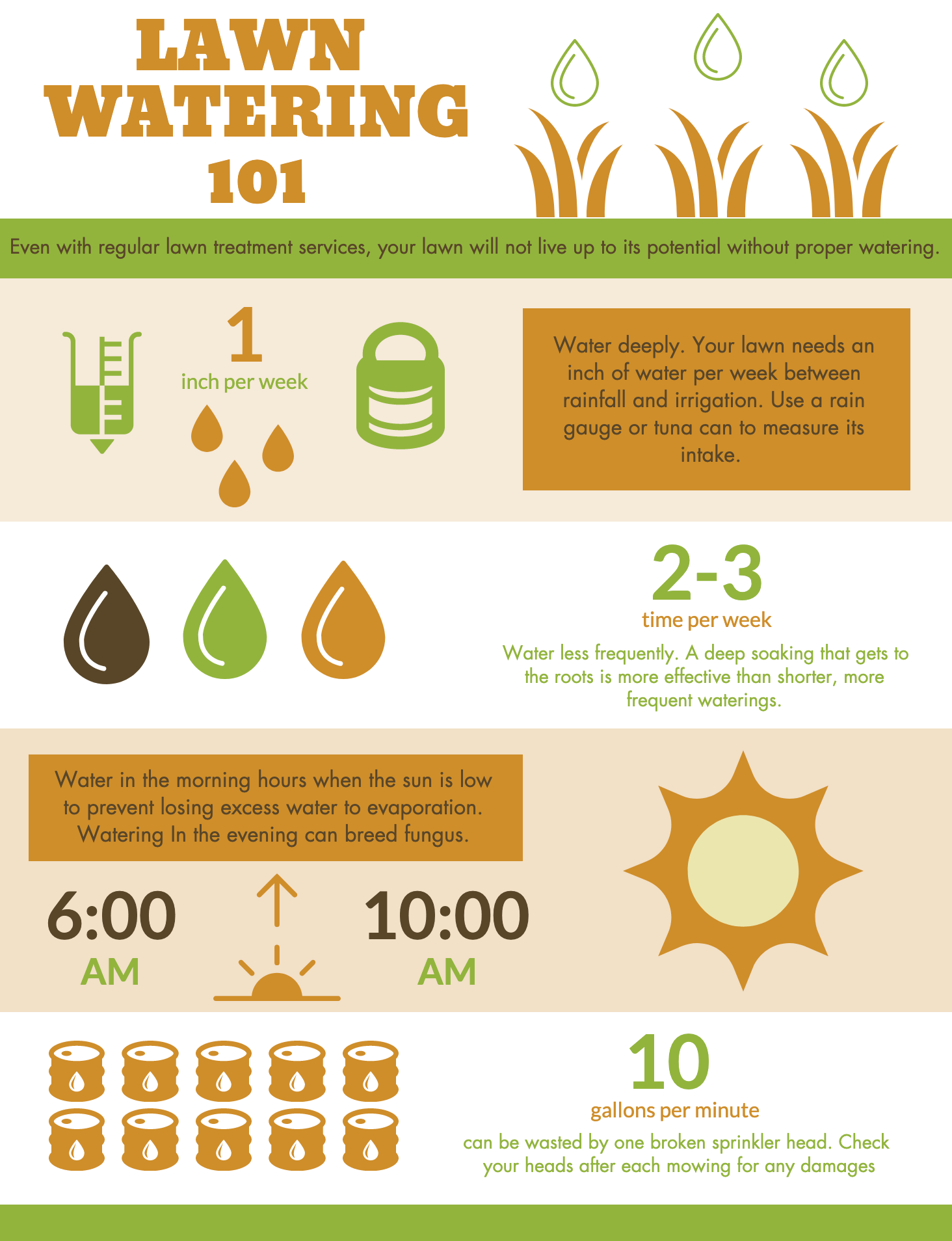
Daily watering is not good for Bermuda grass. It can make roots shallow and weak. The grass needs deep water to grow strong roots. Watering once or twice a week is better. Give about 1 inch of water each time. This helps water reach deep into the soil. The grass stays healthy and can survive dry times.
Seasonal Adjustments
Bermuda grass needs different water in each season. In hot summer months, water more often. The heat dries the soil faster. During cooler months, water less. The grass grows slower and needs less water. In rainy seasons, reduce watering. Too much water can drown the grass roots. Adjust watering based on weather and soil moisture.
Best Watering Techniques
Watering Bermuda grass correctly helps keep it green and healthy. Using the best watering methods saves water and supports strong growth. Good watering habits also prevent lawn problems like disease and weak roots.
This section explains key watering techniques for Bermuda grass. Follow these tips to get the best results for your lawn.
Deep Watering Benefits
Deep watering means soaking the soil well, so water reaches roots deeply. It encourages roots to grow down, making grass stronger and drought-resistant. Shallow watering leads to weak roots near the surface.
Water deeply once or twice a week instead of daily light watering. This method keeps Bermuda grass healthy and reduces water waste. Deep watering also helps the soil stay moist longer.
Avoiding Overwatering
Too much water can harm Bermuda grass. Overwatering makes roots weak and invites diseases. It also wastes water and increases lawn maintenance.
Check soil moisture before watering again. Let the top 1-2 inches of soil dry out first. Water only when the grass shows signs of needing water, like dull color or footprints staying visible.
Using a timer or sprinkler system can help control water amounts. Avoid watering in the evening to reduce fungus risk. Morning watering is best for Bermuda grass.
Watering Schedule Tips
Setting the right watering schedule for Bermuda grass keeps it healthy and green. Watering at the correct times helps the grass absorb moisture well. It also prevents water loss and disease. This section covers key tips to plan your watering schedule effectively.
Morning Vs. Evening Watering
Watering in the morning is best. The sun helps dry the grass quickly. This stops fungal growth and disease. Early watering lets grass soak up water before heat arrives. Evening watering keeps grass wet longer. This can cause mold and fungus. Morning watering saves water by reducing evaporation.
Signs Of Underwatering And Overwatering
Underwatered Bermuda grass looks dry and brown. It feels brittle and thin. Grass blades may curl or wilt. Overwatered grass looks soggy and soft. It may have yellow patches or mold. Roots can rot from too much water. Watch your grass closely. Adjust watering if you see these signs.
Tools For Efficient Watering
Watering Bermuda grass properly needs the right tools. These tools help save water and keep your lawn healthy. Using efficient watering tools means your grass gets just enough water, not too much or too little.
Efficient watering tools make the process easier. They spread water evenly and reduce waste. Choosing the right tools can improve your lawn’s growth and appearance.
Sprinklers And Irrigation Systems
Sprinklers cover large areas with water. They come in many types: oscillating, rotary, and drip. Each type suits different lawn sizes and shapes. Timed irrigation systems automate watering schedules. They save time and avoid overwatering. Sprinklers ensure Bermuda grass gets water deep into the soil.
Soil Moisture Sensors
Soil moisture sensors measure water content in soil. They tell you when the lawn needs water. These sensors prevent watering during rain or wet soil. Using sensors helps save water and keeps grass healthy. They give accurate readings for better watering decisions.

Credit: www.youtube.com
Troubleshooting Common Issues
Troubleshooting common issues helps keep Bermuda grass healthy and green. Many problems come from watering mistakes or soil problems. Identifying issues early saves time and effort. Below are two common problems and how to fix them.
Brown Patches And Dry Spots
Brown patches often show lack of water in some areas. These spots dry out quickly under hot sun. Check sprinklers for uneven coverage or blockages. Adjust sprinkler heads to reach dry patches evenly. Water deeply but less often to encourage strong roots. Avoid light, frequent watering that dries out soil fast.
Dealing With Thatch And Compaction
Thatch is a thick layer of dead grass between soil and green blades. It stops water from reaching roots. Use a dethatcher or rake to remove excess thatch. Soil compaction also blocks water and air flow. Aerate the lawn using a core aerator to relieve compaction. This helps water soak deep and roots grow better.
Credit: southernlawns.net
Frequently Asked Questions
How Often Should I Water Bermuda Grass?
Water Bermuda grass deeply once or twice a week. This encourages strong roots and drought resistance. Adjust frequency based on rainfall and temperature.
What Is The Best Time To Water Bermuda Grass?
Water early in the morning to reduce evaporation. Morning watering helps grass absorb moisture efficiently and prevents fungal growth.
How Much Water Does Bermuda Grass Need Weekly?
Bermuda grass requires about 1 to 1. 25 inches of water weekly. This can come from rainfall or irrigation to keep it healthy.
Can Overwatering Harm Bermuda Grass?
Yes, overwatering can cause shallow roots and fungal diseases. Ensure soil dries slightly between watering sessions for optimal growth.
Conclusion
Watering Bermuda grass properly keeps it green and healthy. Water early in the morning to avoid evaporation. Deep, infrequent watering helps roots grow strong. Watch the weather and adjust watering times. Too much water can cause problems too. A balanced watering routine saves time and water.
Healthy grass creates a beautiful, soft lawn to enjoy. Simple steps make lawn care easier every day. Follow these tips for a lush Bermuda lawn.
