

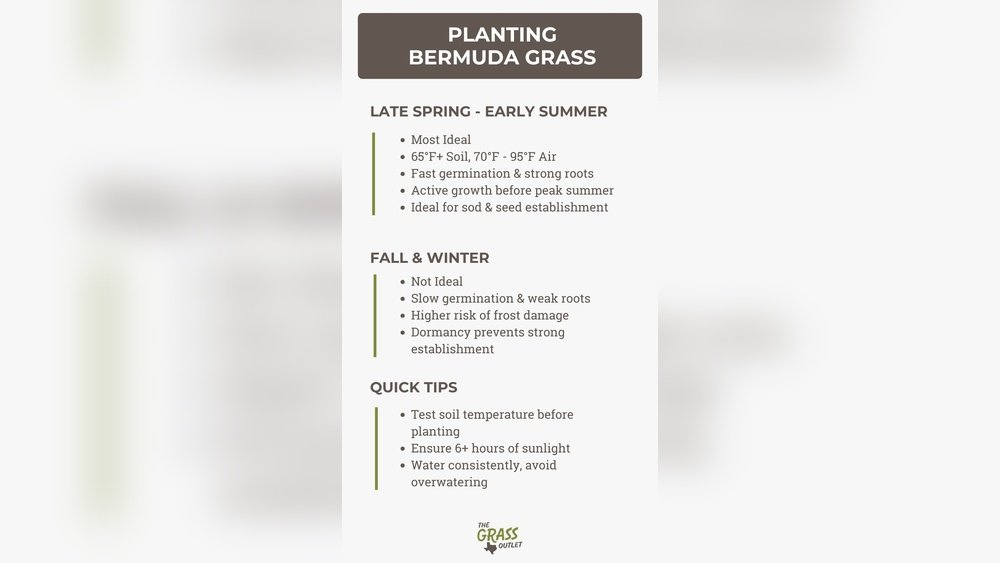
The best time to grow Bermuda grass is in spring or early summer when soil and air temperatures are warm enough to support quick germination and strong root development. Planting during these seasons ensures your lawn establishes well and thrives through the warm months. Avoid fall and winter due to cold soil and slow growth.
Are you wondering the best time to grow Bermuda grass for a lush, green lawn? Knowing when to plant Bermuda grass can make all the difference between a patchy yard and a vibrant outdoor space you’ll love.
If you want your grass to thrive and stay healthy through the seasons, understanding the right timing is key. Keep reading to discover exactly when you should start growing Bermuda grass and how to give your lawn the perfect head start.
Your dream lawn is closer than you think!
Ideal Climate For Bermuda Grass
Bermuda grass thrives best under specific climate conditions. It prefers warm temperatures and plenty of sun. Understanding these needs helps you grow healthy, green lawns. The right climate boosts growth and reduces lawn problems. Below are the key climate factors for Bermuda grass.
Temperature Range
Bermuda grass grows well in warm weather. Ideal temperatures range from 75°F to 95°F (24°C to 35°C). It stops growing below 60°F (15°C). Frost or cold weather can damage or kill it. Plant Bermuda grass in spring or early summer for best growth.
Sunlight Requirements
Full sun is crucial for Bermuda grass. It needs at least 6 to 8 hours of direct sunlight daily. Shade slows growth and thins the grass. Choose a sunny spot for planting. This ensures thick, lush grass all season.
Rainfall And Moisture
Bermuda grass prefers moderate rainfall. It needs about 1 to 1.5 inches of water weekly. Too much water causes root rot and disease. Dry spells make it go dormant but usually recover. Use proper irrigation to keep moisture balanced.
Best Seasons To Plant
Choosing the right season to plant Bermuda grass is very important. The grass grows best when the weather is warm and the soil is ready. Planting at the right time helps the grass grow strong and healthy. It also reduces problems like weeds and diseases. Below are the best seasons to plant Bermuda grass for the best results.
Spring Planting
Spring is the best time to plant Bermuda grass. The soil warms up, helping seeds to sprout fast. Daytime temperatures are usually between 65°F and 85°F. This range supports quick growth and root development. Spring rains also help keep the soil moist. This moisture is important for young grass.
Starting in spring gives the grass the entire warm season to grow. It can fill in bare spots and build a thick lawn. Spring planting leads to a healthy, green yard by summer.
Summer Planting
Summer works well for planting Bermuda grass too. The heat encourages fast growth. Daytime temperatures often stay above 80°F. This warmth helps grass roots grow deep and strong. Watering is key during summer to keep the soil moist.
Summer planting is good if you missed spring. The grass will still grow quickly before cooler weather arrives. Be ready to water often on hot, dry days.
Avoiding Fall And Winter
Fall and winter are not good for planting Bermuda grass. The soil gets cold, slowing seed germination. The grass will grow very slowly or stop altogether. Cooler temperatures also increase the risk of diseases.
Planting in these seasons makes it hard for the grass to establish. It may not survive the cold months. Wait for warmer weather to plant Bermuda grass.
Soil Preparation Tips
Preparing the soil is a key step before growing Bermuda grass. Good soil helps the grass grow strong and green. It supports roots and keeps water and nutrients ready. Taking time to prepare the soil makes a big difference.
Below are some simple tips to get your soil ready for Bermuda grass.
Soil Testing
Start by testing the soil. Soil tests show its pH and nutrient levels. You can buy a test kit or send a sample to a lab. Knowing the soil condition helps you add the right nutrients. Bermuda grass prefers a pH between 5.8 and 7.0. Testing prevents guessing and saves money.
Amending Soil
After testing, add what the soil needs. Use lime to raise pH or sulfur to lower it. Add compost or organic matter to improve soil texture. This helps roots grow better and keeps moisture. Mix amendments well into the top 6 inches of soil. Healthy soil means healthy grass.
Proper Drainage
Check that water drains well from the soil. Water should not pool or stay too long. Poor drainage can cause root rot and weak grass. You can fix this by adding sand or organic matter. Sometimes, creating small slopes helps water flow away. Good drainage keeps Bermuda grass alive and strong.
Credit: www.gardeningknowhow.com
Signs Your Lawn Is Ready
Knowing when your lawn is ready for Bermuda grass helps you get the best results. This grass grows well in warm conditions. It needs the right soil warmth, moisture, and signs from nature to thrive. Watch for these signs to start growing Bermuda grass at the perfect time.
Soil Temperature Check
Bermuda grass grows best when soil temperature is between 65°F and 70°F. Use a soil thermometer to check this. Take the reading at about 2 inches deep in the soil. Warm soil helps seeds sprout quickly and roots grow strong. Cold soil slows growth and can cause seeds to rot.
Weed Growth Observation
Weeds often start growing when the soil warms up. Seeing new weeds pop up means the soil is warm enough for Bermuda grass too. Common weeds like crabgrass or clover show that spring is here. This is a natural signal to begin planting Bermuda grass seed or laying sod.
Moisture Levels
Soil moisture must be just right for Bermuda grass to grow. Too dry soil stops seed germination. Too wet soil can cause seeds to wash away. The soil should feel moist but not soggy. Water the lawn a few days before planting if the ground feels dry.
Seeding Vs. Sodding Timing
Choosing the best time to grow Bermuda grass depends on whether you seed or sod. Both methods start with different timing needs. Understanding these differences helps you plan a healthy lawn. Timing affects grass growth, root strength, and overall lawn health.
Advantages Of Seeding
Seeding is cost-effective and allows more grass types. It gives time for roots to grow deep. Seeds adapt better to soil conditions over time. You can cover large areas without high expense. Seeding also lets you repair patches easily. Patience is key; seeds take longer to grow fully.
Advantages Of Sodding
Sodding creates an instant green lawn. It stops soil erosion quickly after installation. Sod provides a thick, uniform grass layer fast. The grass is already mature and strong. You can use your lawn sooner than with seeds. Sod needs good soil contact to root well.
Timing Differences
Seeding works best in late spring to early summer. Warm soil helps seeds sprout and grow fast. Avoid seeding in cold or dry months. Sod can be laid slightly earlier, even in late spring. It needs time to root before heat or cold. Both methods need regular watering after planting. Proper timing improves Bermuda grass success.
:strip_icc()/BHG-Bermuda-Grass-SIP921675-6b48f3f430f847a79ccda2633e26e1a6.jpg)
Credit: www.bhg.com
Watering Schedule After Planting
Watering Bermuda grass after planting is key for strong growth. Proper watering helps seeds settle and roots grow deep. Follow the right schedule for best results.
Initial Watering
Right after planting, water the area lightly. Keep the soil moist but not soaked. Watering several times a day helps seeds start to sprout.
Maintaining Moisture
Once sprouts appear, water once or twice daily. The soil should stay damp, not dry. This keeps young grass healthy and growing fast.
Adjusting For Weather
On hot days, water more often to prevent drying out. If it rains, reduce watering to avoid waterlogging. Watch soil moisture and change watering as needed.
Common Mistakes To Avoid
Growing Bermuda grass can be easy with the right timing and care. Many people make mistakes that slow down growth or harm the grass. Avoiding these common errors helps your lawn stay healthy and green.
Planting Too Early
Starting Bermuda grass too early in the season can cause poor growth. The soil must be warm, at least 65°F, for seeds to sprout well. Cold soil stops germination and weakens young grass. Wait until the temperature stays warm for several days.
Ignoring Soil Conditions
Good soil is key for Bermuda grass to grow strong. Soil that is too hard or lacks nutrients will hurt the grass. Test your soil before planting. Add compost or fertilizer to improve soil health. This helps roots grow deep and grass stay green.
Overwatering
Water is important, but too much can damage Bermuda grass. Overwatering leads to shallow roots and fungal problems. Water only when the top inch of soil feels dry. Early morning watering helps grass absorb water well and stay healthy.
Credit: theturfgrassgroup.com
Frequently Asked Questions
When Is The Best Time To Plant Bermuda Grass?
The best time to plant Bermuda grass is late spring to early summer. Soil temperatures should be above 65°F for optimal germination. This timing ensures warm weather for strong growth and establishment before cooler seasons arrive.
How Long Does Bermuda Grass Take To Grow?
Bermuda grass usually takes 7 to 21 days to germinate. Full lawn coverage can take 6 to 8 weeks with proper care. Growth speed depends on temperature, watering, and soil conditions.
Can Bermuda Grass Grow In Cooler Climates?
Bermuda grass prefers warm climates but can survive mild winters. It goes dormant and turns brown during cold months. Growing in cooler areas requires selecting cold-tolerant varieties and proper winter care.
What Soil Conditions Favor Bermuda Grass Growth?
Bermuda grass thrives in well-drained, sandy to loamy soils. It prefers a soil pH between 5. 8 and 7. 0. Proper soil preparation and fertilization improve growth and turf quality.
Conclusion
Growing Bermuda grass at the right time helps it thrive and stay green. Plant seeds or lay sod when the soil warms up in spring. Warm weather encourages strong root growth and healthy grass. Avoid planting too early or late to prevent weak grass.
Regular watering and care keep the lawn looking good. Follow these tips to enjoy a lush, green Bermuda lawn all season. Timing matters most for best results. Start your Bermuda grass journey with confidence and patience.
