

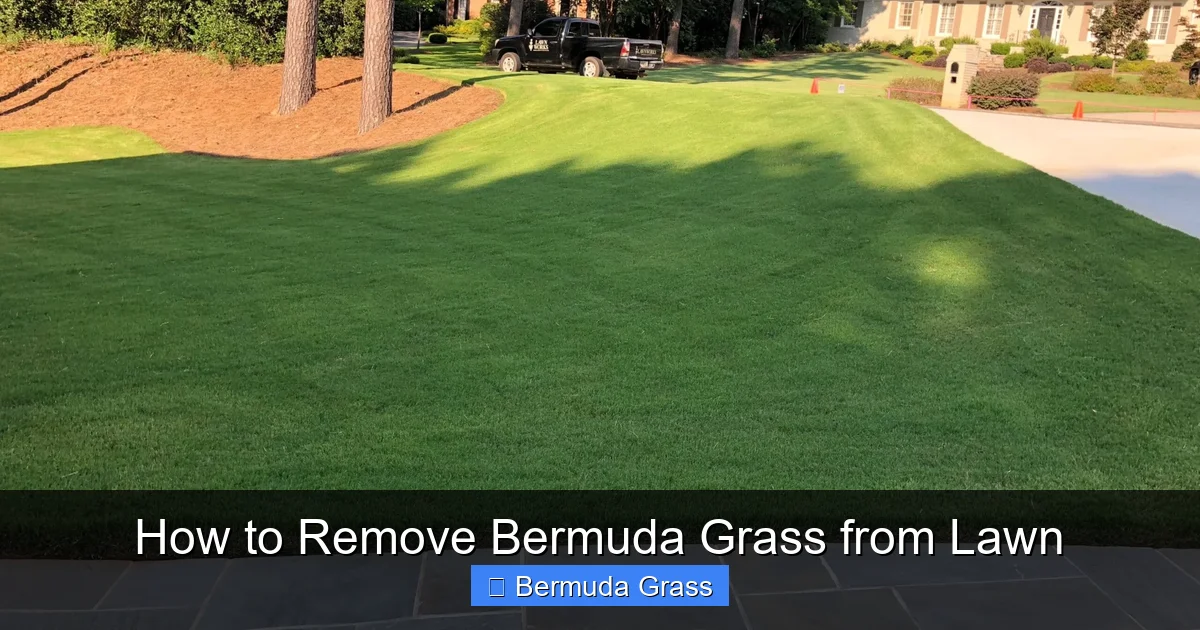
Bermuda grass can be a stubborn invader in many lawns, choking out desirable grass species with its aggressive growth. This comprehensive guide provides proven strategies for removing bermuda grass, from manual methods to chemical treatments. You’ll discover how to effectively reclaim your lawn and maintain its health and beauty.
Key Takeaways
- Understand Bermuda Grass’s Nature: Recognizing its aggressive spreading habit via rhizomes and stolons is crucial for successful removal.
- Manual Removal is Labor-Intensive but Effective: For small infestations, digging out the entire root system, including rhizomes and stolons, can be a viable option.
- Smothering Methods Offer a Chemical-Free Approach: Covering the infested area with opaque materials can starve the bermuda grass of sunlight and eventually kill it.
- Herbicides Require Careful Application: Non-selective herbicides can be effective, but they will also kill desired grass, necessitating spot treatment and careful timing.
- Preventative Measures are Key to Long-Term Success: Healthy, dense desirable grass is the best defense against bermuda grass invasion.
- Persistence is Crucial: Bermuda grass is tenacious; multiple treatments and ongoing vigilance are often required for complete eradication.
How to Remove Bermuda Grass from Lawn
Welcome, fellow lawn enthusiasts! If you’re battling an unwelcome invasion of bermuda grass in your otherwise lovely lawn, you’re not alone. Bermuda grass, while a desirable turfgrass in warmer climates, can quickly become a weed in cooler regions or when it infiltrates a different type of lawn. Its aggressive spreading nature, thanks to underground rhizomes and above-ground stolons, allows it to take over quickly, suffocating other grasses and creating an unsightly patchwork.
But don’t despair! Removing bermuda grass from your lawn is achievable with the right knowledge and a bit of effort. This guide will walk you through various effective methods, from simple manual removal to more potent chemical solutions. By the end, you’ll have a clear understanding of how to reclaim your lawn and restore its pristine beauty. We’ll cover everything you need to know, empowering you to tackle this common lawn problem head-on.
Why is Bermuda Grass So Hard to Remove?
Before we dive into the removal process, it’s helpful to understand what makes bermuda grass such a persistent challenge. Bermuda grass is a perennial warm-season grass known for its remarkable resilience and rapid growth. Its primary strength lies in its extensive network of **rhizomes** (underground stems) and **stolons** (above-ground stems).
* Rhizomes: These underground runners allow the grass to spread horizontally beneath the soil surface. Even if you remove the visible blades, a small piece of a rhizome left behind can regenerate an entirely new plant.
* Stolons: These above-ground runners root at nodes as they creep across the surface, forming new plants and further spreading the infestation.
This dual-action spreading mechanism means that simply pulling out the visible grass blades is rarely enough. You need to target the entire root system and spreading network to achieve effective removal of bermuda grass.
Effective Methods for Removing Bermuda Grass
There are several approaches you can take to remove bermuda grass. The best method for you will depend on the size of the infestation, your tolerance for chemicals, and the amount of time and effort you’re willing to invest.
Method 1: Manual Removal (Best for Small Infestations)
For small, isolated patches of bermuda grass, manual removal can be an effective, albeit labor-intensive, solution. The key here is to be thorough and dig deep.
Step 1: Identify the Infested Areas
Carefully examine your lawn and mark the areas where bermuda grass is present. It often has a distinct texture and can appear as dense, sometimes lighter green patches, especially in cooler-season grass lawns.
Step 2: Gather Your Tools
You’ll need a sharp spade or a garden fork, a trowel, a wheelbarrow or bucket for disposal, and gloves.
Step 3: Digging Out the Bermuda Grass
* Begin by digging around the perimeter of the bermuda grass patch. Aim to go at least 6-8 inches deep to capture the majority of the rhizomes.
* Use your spade or fork to carefully lift the entire section of turf, including the soil and roots.
* Work slowly and methodically, trying to remove as much of the root system and spreading stems as possible.
* Shake excess soil from the roots back into the hole.
* Place the removed bermuda grass and soil into your wheelbarrow or bucket. It’s important to dispose of this material properly to prevent it from re-establishing elsewhere. Do not compost it unless you’re certain your compost pile gets hot enough to kill the roots.
Step 4: Inspect for Missed Roots
After removing the main patch, carefully inspect the surrounding soil for any visible rhizomes or stolons. Dig them out if you find them. This step is crucial for preventing regrowth.
Step 5: Repair the Area
Once you’ve removed all the bermuda grass, you’ll have a bare patch. You can reseed or resod this area with your desired lawn grass. Ensure the soil is well-prepared and that the new grass has optimal conditions to establish itself and outcompete any potential regrowth.
* Tip: Watering the area thoroughly before digging can make the soil softer and easier to work with, and it can help dislodge roots.
Method 2: Smothering (A Chemical-Free Approach)
The smothering method, also known as solarization or covering, is a great chemical-free way to kill bermuda grass. It works by depriving the grass of sunlight and, in the case of solarization, cooking it with heat. This method is best for larger areas or when you have time for the grass to die off completely.
Step 1: Mow the Bermuda Grass Low
Mow the bermuda grass as low as possible to remove most of the green blades. This will help the covering material make better contact with the soil and the remaining plant material.
Step 2: Cover the Infested Area
* Choose an opaque material that will block all sunlight. Options include:
* Heavy-duty black plastic sheeting (6 mil thickness is recommended)
* Thick cardboard (ensure all tape and labels are removed)
* Old carpets or tarps (ensure they are completely opaque)
* Lay the material over the entire bermuda grass patch, extending a few inches beyond the edges of the infestation.
* Secure the edges of the covering material with rocks, bricks, soil, or landscape staples. The goal is to create a complete seal to prevent any light from penetrating and to keep the material in place.
Step 3: Wait and Monitor
* Leave the covering in place for at least 4-6 weeks, and ideally through the hottest part of the summer if you’re aiming for solarization. The longer it’s left on, the more effective it will be.
* During this time, the bermuda grass will be starved of sunlight and will eventually die. If using plastic and during a hot period, the trapped heat can further accelerate the process.
* You can occasionally lift a corner to check on the progress, but try to disturb it as little as possible.
Step 4: Remove the Covering and Repair
Once the bermuda grass appears completely dead and desiccated, remove the covering material. You can then rake out the dead grass and prepare the soil for reseeding or sodding.
* Example: If you’re dealing with a large area like a whole section of your yard that’s become overrun, smothering can be a less labor-intensive alternative to digging everything out.
Method 3: Herbicides (Use with Caution)
Herbicides can be a powerful tool for removing bermuda grass, but they must be used with extreme care to avoid damaging your desired lawn grasses. This method is best for spot treatment and requires careful planning and application.
Step 1: Identify the Best Herbicide Type
* Non-Selective Herbicides (e.g., Glyphosate): These herbicides kill any plant they come into contact with. They are effective against bermuda grass but will also kill your desirable lawn grass. This makes them ideal for spot treatment or for completely clearing an area before replanting.
* Selective Herbicides: There are some herbicides formulated to target specific types of grasses. However, finding one that selectively kills bermuda grass while leaving other common lawn grasses unharmed can be challenging and depends heavily on your existing lawn type. Always read the label carefully.
Step 2: Choose the Right Time to Apply
* The most effective time to treat bermuda grass with herbicides is when it is actively growing and healthy, typically in the late spring or summer.
* Avoid applying herbicides when temperatures are extremely high (above 85-90°F), as this can lead to plant stress and reduced effectiveness.
* Do not water your lawn for at least 24 hours before and after application, as moisture can dilute the herbicide.
* Ensure there is no wind during application to prevent drift onto desirable plants.
Step 3: Apply the Herbicide
* **Spot Treatment:** If you’re targeting small patches, use a pump sprayer and apply the herbicide directly to the bermuda grass blades. Ensure thorough coverage.
* **Covering Large Areas:** If you need to clear a larger area, you might consider a broadcast application, but again, be aware that it will kill everything.
Step 4: Wait for the Herbicide to Work
Follow the product’s label instructions for the waiting period. You’ll typically see the bermuda grass begin to yellow and die within a week or two.
Step 5: Remove Dead Grass and Replant**
Once the bermuda grass is dead, rake out the brown, dead material. You can then reseed or resod the area.
* **Important Note on Glyphosate:** If using a glyphosate-based product, it’s a non-selective herbicide. This means it will kill any green plant it touches. You need to be incredibly precise with your application. For instance, you can shield desirable grass with cardboard while spraying the bermuda grass. After the bermuda grass dies and you’ve raked it out, you’ll likely need to reseed the treated area as the herbicide will have affected the soil’s ability to support new grass growth.
Method 4: Combination Approach
Often, the most successful bermuda grass removal strategies involve combining methods.
* Digging followed by careful monitoring: You might dig out a large patch, then use spot treatments with herbicide on any regrowth.
* **Smothering followed by manual removal:** Smothering can weaken the bermuda grass, making subsequent manual removal of remaining roots easier.
Preventing Bermuda Grass Re-infestation
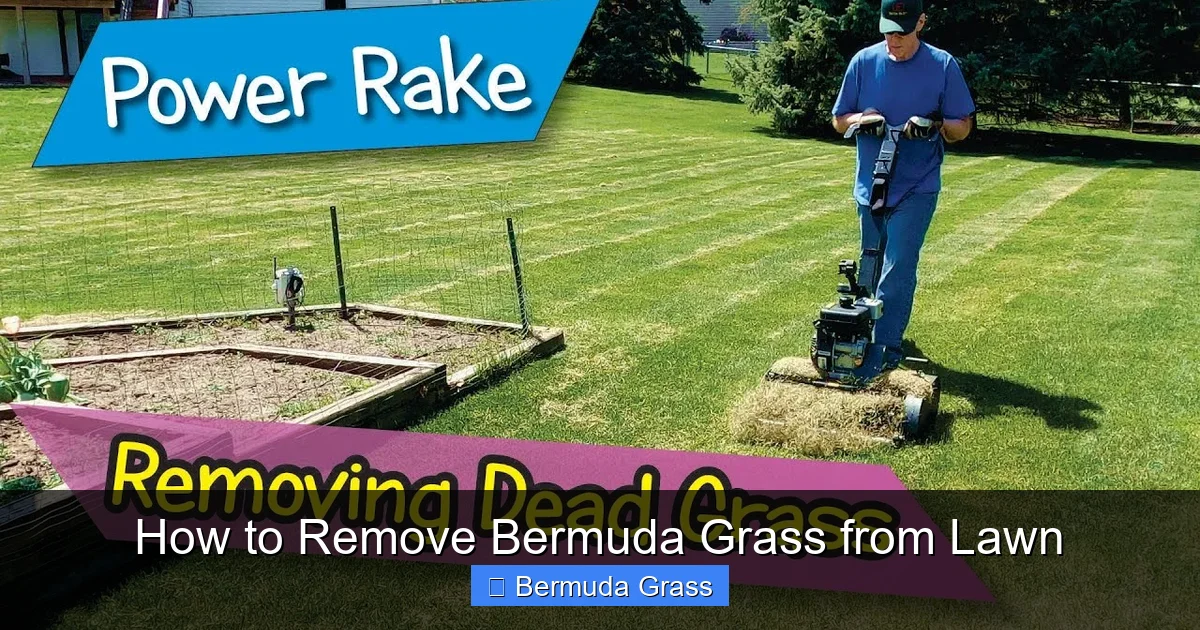
Removing bermuda grass is only half the battle. The other, equally important, half is preventing it from coming back.
1. Maintain a Healthy, Dense Lawn
The best defense against any weed, including bermuda grass, is a thick, healthy lawn. When your desirable grass is dense, it leaves little room for weeds to establish.
* **Proper Mowing:** Mow at the correct height for your grass type. Taller grass shades the soil, discouraging weed seed germination.
* **Adequate Watering:** Water deeply and infrequently to encourage strong root growth.
* **Fertilization:** Feed your lawn with the right nutrients at the right times to promote vigorous growth.
* **Aeration and Dethatching:** Improve soil structure and reduce thatch buildup, which can harbor weed seeds and hinder nutrient uptake.
2. Address Bare Spots Promptly
Bare patches in your lawn are like an open invitation for bermuda grass. As soon as you notice a bare spot (especially after removal efforts), reseed or resod it immediately.
3. Edge Your Lawn
Use a garden spade or a mechanical edger to create a clear border between your lawn and garden beds, sidewalks, or driveways. This can help prevent bermuda grass from creeping in from adjacent areas.
4. Be Vigilant with New Plants and Soil
If you’re bringing in new soil or plants, inspect them carefully for any signs of bermuda grass rhizomes or stolons. It’s a good idea to source your materials from reputable suppliers.
Troubleshooting Bermuda Grass Removal
* **Regrowth After Digging:** If you see bermuda grass reappearing after manual removal, it means you likely missed some rhizomes or stolons. You’ll need to go back and dig more thoroughly or consider a spot treatment with herbicide.
* **Herbicide Not Working:** Ensure you’re using the correct product for the job and applying it at the right time of year and under the right conditions (active growth, not too hot, not too wet). Always read and follow label instructions precisely.
* **Bermuda Grass Spreading from Neighbor’s Lawn:** This is a tough one. If your neighbor has a lawn that’s heavily infested with bermuda grass, it will inevitably spread to your property. Physical barriers like edging can help, but it’s a constant battle. Discussing the issue with your neighbor might be an option, or you may need to commit to more aggressive removal and prevention strategies on your side of the property line.
Conclusion
Removing bermuda grass from your lawn is a challenging but entirely achievable goal. It requires understanding the grass’s tenacious nature and employing a strategy that tackles its aggressive spreading habit. Whether you opt for the muscle-powered approach of manual removal, the patient, chemical-free method of smothering, or the targeted application of herbicides, persistence is your greatest ally.
Remember, a healthy, well-maintained lawn is your best long-term defense. By following the advice in this guide, you can effectively reclaim your turf, enjoy a weed-free lawn, and keep that stubborn bermuda grass at bay for good. Happy Laving!
