

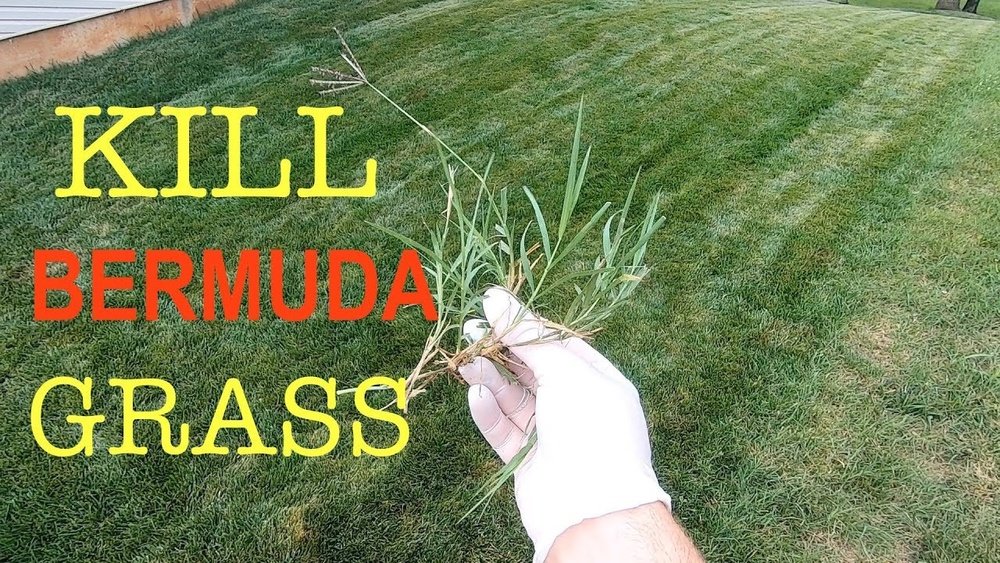
Are you struggling to keep Bermuda grass from taking over your yard? You’re not alone.
This fast-growing, tough grass can quickly spread and crowd out the plants you actually want. But don’t worry—controlling Bermuda grass is easier than you think once you know the right steps. You’ll discover simple, effective ways to manage and keep Bermuda grass in check.
Keep reading to take back control of your lawn and enjoy a beautiful, healthy outdoor space.
Identifying Bermuda Grass
Identifying Bermuda grass is the first step to control it effectively. Knowing how it looks and grows helps you spot it early. Early detection makes removal easier and prevents spread.
Physical Characteristics
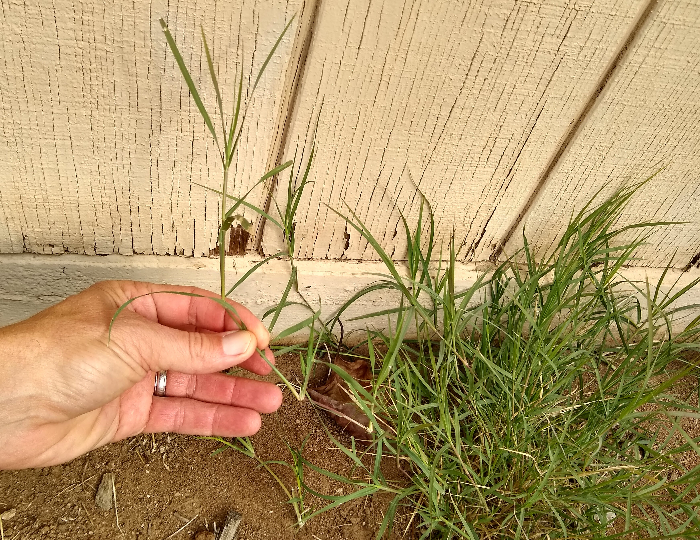
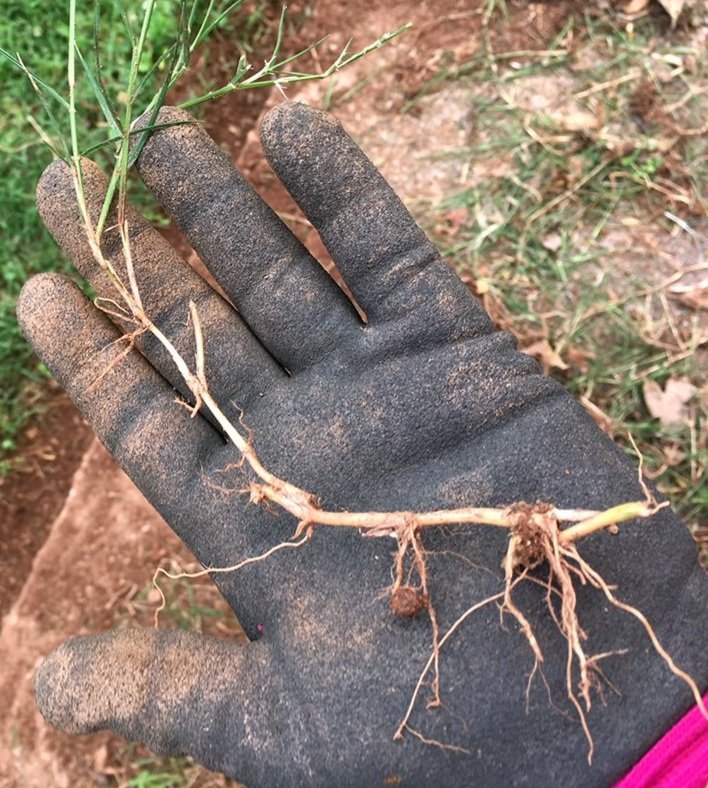
Bermuda grass has thin, dark green leaves. Its blades are usually less than half an inch wide. The grass feels rough to touch. It spreads with stems called stolons and roots called rhizomes. These help Bermuda grass grow fast and cover large areas.
Growth Patterns
Bermuda grass grows low to the ground. It spreads outward quickly, forming thick mats. It thrives in warm weather and stays green most of the year. During hot months, it grows faster and becomes dense. It dies back a little in cold weather but returns in spring.
Common Locations
You find Bermuda grass in lawns, parks, and sports fields. It often grows in sunny areas with well-drained soil. It can also invade gardens and flower beds. Roadsides and vacant lots are common places too. Its strong growth makes it hard to remove once established.
Credit: gregalder.com
Why Control Bermuda Grass
Bermuda grass grows fast and spreads easily. It can take over your yard and garden quickly. Controlling Bermuda grass is important to keep your lawn healthy and your garden neat.
Without control, this grass can cause many problems. It can harm other plants and make landscaping hard. Understanding why to control Bermuda grass helps you protect your outdoor space.
Impact On Lawn Health
Bermuda grass spreads quickly and crowds out other grasses. This reduces the variety of plants in your lawn. A lawn with only Bermuda grass can become weak and patchy. It also uses a lot of water and nutrients. This leaves less for other grasses to grow well.
Challenges In Landscaping
Bermuda grass grows under sidewalks and flower beds. It can push through cracks and damage structures. This makes landscaping more difficult and costly. Controlling it prevents damage to paved areas and garden borders. It also helps keep your lawn looking tidy and well-kept.
Competition With Other Plants
Bermuda grass spreads fast and takes space from other plants. It competes for sunlight, water, and nutrients. Many plants cannot grow well near Bermuda grass. This reduces the diversity of your garden. Controlling it helps other plants grow strong and healthy.
Prevention Techniques
Preventing Bermuda grass from spreading is easier than removing it later. Taking steps early helps keep your lawn healthy and free from unwanted grass. Focus on care and preparation to stop Bermuda grass growth before it starts.
Proper Lawn Maintenance
Mow your lawn regularly. Keep grass at the right height to avoid weak spots. Water deeply but less often. This encourages strong roots. Remove weeds quickly. Healthy grass can crowd out Bermuda grass seeds.
Soil Preparation
Test your soil to know its condition. Add nutrients based on test results. Good soil supports strong grass that blocks Bermuda grass. Aerate the soil to improve air and water flow. This helps roots grow deep and healthy.
Choosing The Right Grass Type
Select grass that suits your climate and soil. Some grasses resist Bermuda grass better. Use grass types that grow thick and fast. Thick grass stops Bermuda grass from taking over your lawn.
Manual Removal Methods
Manual removal methods offer a direct way to control Bermuda grass without chemicals. These methods require effort but provide lasting results. They work best in small areas or new infestations. Patience and persistence are key to success.
Hand Pulling
Hand pulling removes Bermuda grass by uprooting it completely. Grab the grass near the base and pull firmly. Wet soil makes pulling easier. Removing the roots stops regrowth. Check often to remove new shoots early.
Digging And Raking
Digging removes Bermuda grass from the soil with roots intact. Use a shovel to lift clumps of grass and soil. Rake the area to collect all pieces of roots and runners. This method clears large patches effectively. Dispose of the removed grass to prevent spread.
Smothering Techniques
Smothering blocks sunlight to kill Bermuda grass. Cover the area with thick layers of cardboard or newspaper. Add mulch or soil on top to hold the cover in place. Without light, the grass dies naturally over weeks. This method improves soil health and stops growth.
Chemical Control Options
Chemical control offers effective ways to manage Bermuda grass. It helps reduce its spread and damage in lawns and gardens. Choosing the right herbicide and applying it correctly is key. Chemicals can target Bermuda grass without harming other plants.
Selective Herbicides
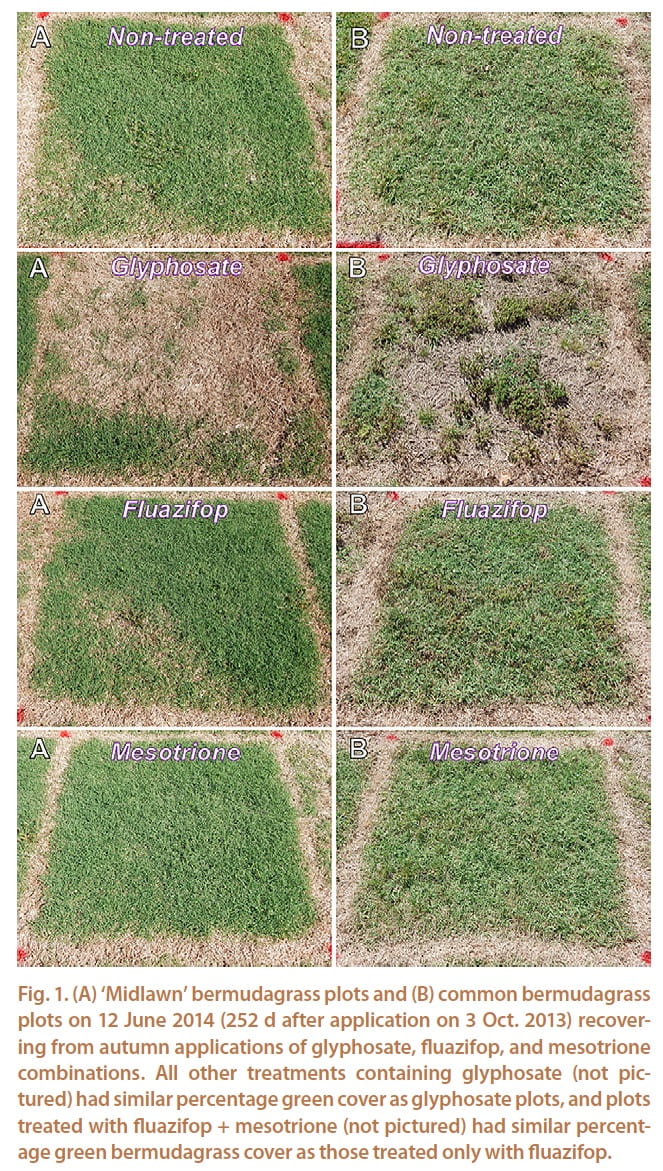
Selective herbicides kill Bermuda grass but spare desirable plants. They work by targeting specific grass types or broadleaf weeds. Use selective herbicides in mixed lawns to protect other grasses. Common active ingredients include quinclorac and fenoxaprop. Always read the label to match the herbicide with your grass type.
Non-selective Herbicides
Non-selective herbicides kill all green plants they touch. Use them for clearing large Bermuda grass patches before planting. Glyphosate is a popular choice for complete grass removal. Apply carefully to avoid damage to nearby plants or grass. These herbicides work best on actively growing Bermuda grass.
Application Tips And Timing
Apply herbicides on calm, dry days for best results. Avoid spraying before rain to prevent wash-off. Target Bermuda grass in the spring or early summer when it grows fast. Follow label instructions for mixing and spraying rates. Repeat treatments may be necessary for full control. Always wear protective gear during application.
Natural Control Strategies
Controlling Bermuda grass naturally helps protect your garden and soil. These methods avoid harsh chemicals and keep your yard healthy. Natural strategies focus on stopping Bermuda grass from spreading and making space for better plants.
Vinegar And Other Home Remedies
Vinegar works well as a natural weed killer. Spray it directly on Bermuda grass leaves. The acetic acid dries out the grass quickly. Use white vinegar with 10-20% acetic acid for best results. Salt mixed with vinegar can boost its power. Apply carefully to avoid harming nearby plants. Baking soda also helps by drying out roots. These remedies work best on young grass. Repeat treatments may be needed for full control.
Mulching Benefits
Mulching stops Bermuda grass from growing by blocking sunlight. Use thick layers of wood chips, straw, or leaves. Mulch also keeps soil moist and cool. It slows down weed seeds from sprouting. Spread mulch around garden beds and trees. Renew mulch regularly to keep it effective. This method improves soil health while controlling grass. Mulching creates a natural barrier that Bermuda grass dislikes.
Encouraging Competitive Plants
Planting strong ground covers helps fight Bermuda grass. Clover, creeping thyme, and fescue compete for space and nutrients. These plants grow quickly and block sunlight from weeds. Healthy lawns crowd out Bermuda grass naturally. Choose plants that suit your climate and soil. Water and care for these plants well. Over time, they reduce Bermuda grass growth significantly.
Maintaining A Healthy Lawn
Maintaining a healthy lawn helps control Bermuda grass naturally. A strong lawn stops weeds from taking over. Follow simple care steps to keep your grass thick and green.
Regular Mowing Practices
Mow your lawn often to keep Bermuda grass in check. Set your mower blade to about 1.5 to 2 inches high. Cut no more than one-third of the grass height at once. This keeps grass healthy and reduces stress. Remove clippings to prevent spreading seeds.
Proper Watering Schedules
Water your lawn deeply but less often. Aim for about one inch of water per week. Early morning watering helps grass absorb moisture better. Avoid overwatering, as it encourages Bermuda grass growth. Let the soil dry between watering to weaken unwanted grass.
Fertilization Tips
Use a balanced fertilizer to feed your lawn. Apply fertilizer in early spring and late summer. Avoid too much nitrogen, which helps Bermuda grass spread. Follow package instructions for the right amount. Healthy grass competes better against Bermuda grass.
Credit: blogs.k-state.edu
When To Call Professionals
Knowing when to call professionals for Bermuda grass control saves time and effort. Sometimes, the problem grows too big for home methods. Experts have tools and knowledge to handle tough cases. Understanding the signs and benefits helps decide the right time to get help.
Signs Of Severe Infestation
Bermuda grass spreads quickly and can damage your lawn deeply. Large patches appear, covering other plants and grass. The grass looks thick and hard to remove. Home treatments do not stop its growth. Your lawn loses its healthy look. These signs mean the infestation is severe.
Benefits Of Expert Help
Professionals use special equipment and chemicals safe for your lawn. They know how to target Bermuda grass without harming other plants. Experts save you time and effort. They prevent the grass from coming back fast. Their treatments last longer and work better. You get a healthier, cleaner lawn with less work.
Choosing The Right Service
Pick a service with good reviews and experience in grass control. Check if they use safe, approved products. Ask about their treatment methods and follow-up care. Choose a company that explains the process clearly. Compare prices but focus on quality and results. The right service makes a big difference in your lawn’s health.
Credit: www.organicgrowersschool.org
Frequently Asked Questions
How Can I Prevent Bermuda Grass From Spreading?
To prevent Bermuda grass spread, regularly mow and edge your lawn. Apply pre-emergent herbicides in early spring. Maintain healthy turf to reduce bare spots where Bermuda can invade. Proper watering and fertilization also limit its aggressive growth and spread into unwanted areas.
What Is The Best Herbicide To Control Bermuda Grass?
Selective herbicides containing glyphosate or sethoxydim effectively control Bermuda grass. Apply during active growth in warm months for best results. Always follow label instructions to avoid damaging desirable plants. Repeated treatments may be necessary for complete eradication.
How Often Should I Mow Bermuda Grass?
Mow Bermuda grass once a week during the growing season. Keep the height between 1 to 2 inches for optimal health. Regular mowing prevents seed head formation and limits spread. Avoid cutting more than one-third of the grass blade at a time.
Can Bermuda Grass Be Controlled Naturally?
Yes, natural control includes solarization and frequent hand pulling. Solarization uses clear plastic to heat soil and kill Bermuda roots. Maintaining dense, competitive turf also helps suppress its growth. However, natural methods often require patience and persistence.
Conclusion
Controlling Bermuda grass takes patience and regular care. Use proper mowing and watering to keep it healthy. Apply herbicides carefully to stop unwanted growth. Keep your lawn clean and remove weeds early. With consistent effort, your yard will improve over time.
Stay patient and follow these simple steps. You can enjoy a neat, green lawn without hassle.
