
To kill Bermuda grass effectively, you need targeted herbicides or persistent natural methods. Bermuda grass is tough and spreads through deep roots, so treatments like selective post-emergent herbicides or solarization work best. Quick, repeated applications and proper timing improve results without harming your other plants.
Are you struggling to get rid of stubborn Bermuda grass that just won’t quit? You’re not alone.
Bermuda grass is tough, spreads fast, and can take over your lawn or garden if you’re not careful. But what if you could find the exact way to kill Bermuda grass without harming the rest of your yard? Knowing what really kills Bermuda grass only can save you time, money, and frustration.
Keep reading to discover the most effective methods to stop Bermuda grass in its tracks and reclaim your outdoor space.

Credit: www.youtube.com
Why Bermuda Grass Is Hard To Kill
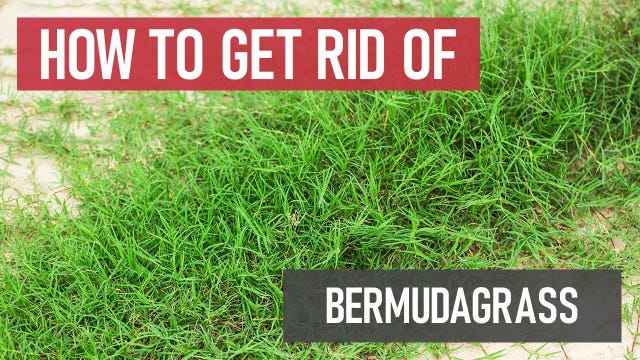
Bermuda grass is known for its toughness and ability to spread quickly. Many people find it difficult to remove from lawns or gardens. The reason lies in its strong growth and natural defenses. Understanding why Bermuda grass is hard to kill helps you choose the right method to control it.
Growth Patterns
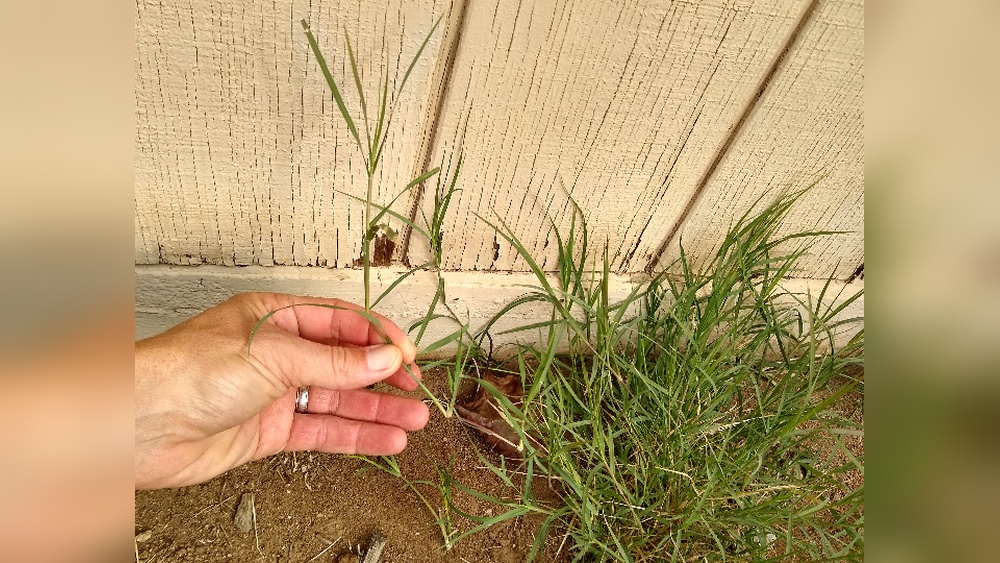
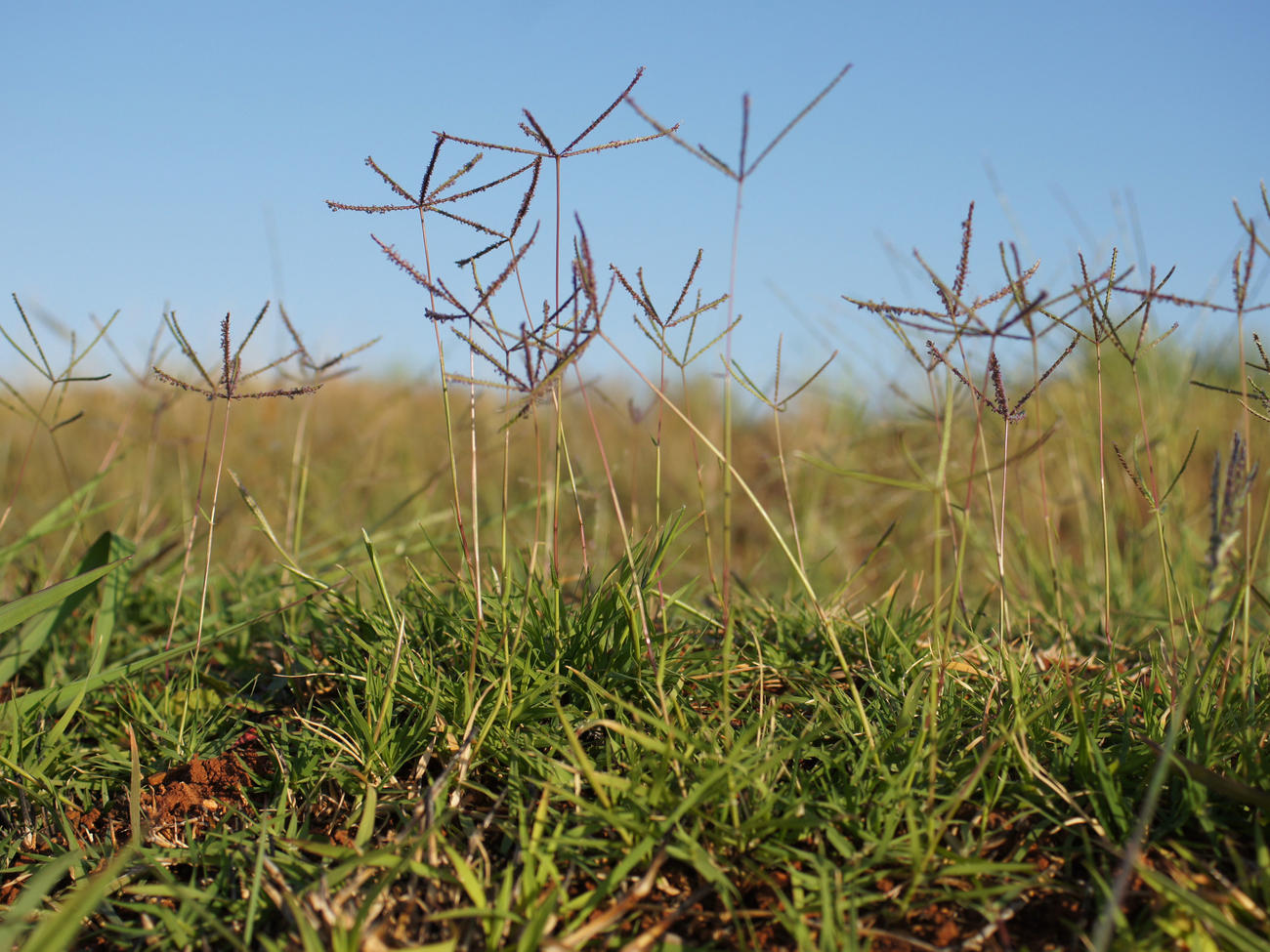
Bermuda grass grows using both seeds and underground stems called rhizomes. These rhizomes spread deep and wide under the soil. They allow the grass to come back even after cutting or digging. The grass also sends out above-ground runners called stolons. These help it cover large areas fast. This growth pattern makes Bermuda grass very persistent.
Resistance To Herbicides
Bermuda grass has built a strong defense against many common herbicides. Its thick leaves and tough roots reduce chemical absorption. Some varieties have developed resistance after repeated herbicide use. This means normal weed killers may not work well. It requires special or stronger herbicides to control it effectively.
Credit: www.solutionsstores.com
Selective Herbicides For Bermuda Grass
Selective herbicides are chemicals designed to kill Bermuda grass without harming other plants. These herbicides target specific types of grass, making them useful for lawns and gardens. Using the right selective herbicide helps control Bermuda grass effectively. It saves time and protects other plants nearby.
Types Of Herbicides
There are mainly two types of selective herbicides for Bermuda grass: post-emergent and pre-emergent. Post-emergent herbicides kill Bermuda grass after it has grown. Pre-emergent herbicides stop Bermuda grass seeds from sprouting. Choose the type based on the stage of Bermuda grass growth. Common active ingredients include glyphosate, sethoxydim, and fluazifop. Each works differently, so read the label carefully.
Application Tips
Apply herbicides on a dry, calm day to avoid drift. Use the recommended amount; more is not better. Wear protective gloves and clothing during application. Spray evenly across the affected area for best results. Avoid watering the lawn immediately after applying herbicide. Repeat the application as directed to ensure full control of Bermuda grass. Keep children and pets away until the herbicide dries.
Natural Methods To Eliminate Bermuda Grass
Natural methods to kill Bermuda grass work without harsh chemicals. These methods use simple, eco-friendly ways to stop Bermuda grass from growing. They suit people who want safe, easy garden care. These options take time but are gentle on your soil and plants.
Solarization Technique
Solarization uses the sun’s heat to kill Bermuda grass. Cover the grass with clear plastic sheets. The heat builds up under the plastic and kills the grass roots. Leave the plastic in place for 4 to 6 weeks. This method works best in hot, sunny weather. It also kills weed seeds in the soil. It is safe and chemical-free.
Vinegar And Salt Solutions
Vinegar and salt can kill Bermuda grass naturally. Mix one gallon of white vinegar with one cup of salt. Add a small amount of dish soap to help the mix stick. Spray this solution directly on the grass leaves. Avoid spraying plants you want to keep. The salt dries out the roots while vinegar burns the leaves. Repeat the process every few days for best results.
Chemical Treatments That Work Fast
Chemical treatments offer a quick solution to kill Bermuda grass. These treatments work by targeting the grass’s cells, stopping its growth fast. Choosing the right chemical helps clear Bermuda grass without waiting weeks.
Using chemicals requires care. The right product can kill Bermuda grass while leaving other plants safe. Fast action means less time spent fighting stubborn grass patches.
Non-selective Herbicides
Non-selective herbicides kill almost any plant they touch. They work by destroying all green parts of plants quickly. Glyphosate is a popular non-selective herbicide for Bermuda grass.
Apply it directly on Bermuda grass leaves. The herbicide moves inside the plant, killing roots and shoots. Results often appear within days after spraying.
Use these herbicides with caution. They do not discriminate between weeds and flowers. Avoid spraying near plants you want to keep.
Safety Precautions
Wear gloves and protective clothing during application. Avoid inhaling spray mist or touching skin. Keep children and pets away from treated areas until dry.
Follow label instructions carefully for safe use. Store chemicals in a locked, cool, dry place. Proper disposal of containers prevents environmental harm.
Check weather before spraying. Wind can carry herbicide to unwanted areas. Use calm days for the best results and safety.
Preventing Bermuda Grass From Returning
Stopping Bermuda grass from growing back takes effort and care. This grass spreads fast and can be hard to control once it starts. Preventing its return is key to keeping your lawn healthy and neat.
Regular Lawn Maintenance
Keep your lawn trimmed and tidy. Cut grass at the right height to reduce Bermuda grass growth. Remove weeds and grass clippings often. This stops Bermuda grass seeds from spreading. Water your lawn deeply but not too often. This helps other grasses grow stronger and crowd out Bermuda grass.
Soil Health Management
Test your soil to know its condition. Good soil helps healthy grass grow better. Add nutrients your soil lacks with fertilizers. Use organic matter like compost to improve soil texture. Healthy soil supports strong grass roots. Strong roots make it hard for Bermuda grass to take over.
Credit: www.sunset.com
Frequently Asked Questions
What Herbicides Kill Bermuda Grass Effectively?
Selective herbicides containing glyphosate or fluazifop are effective against Bermuda grass. These chemicals target Bermuda grass without harming other plants when applied correctly.
Can Natural Methods Kill Bermuda Grass Permanently?
Natural methods like solarization and vinegar can weaken Bermuda grass. However, they rarely eliminate it completely, often requiring repeated treatments for best results.
How Long Does It Take To Kill Bermuda Grass?
Killing Bermuda grass typically takes several weeks to months. Consistent herbicide application and proper lawn care speed up the process.
Is Bermuda Grass Resistant To Common Herbicides?
Yes, Bermuda grass can develop resistance to some herbicides. Rotating different herbicides helps prevent resistance and improves control.
Conclusion
Killing Bermuda grass takes patience and the right approach. Use herbicides made for tough grasses. Apply treatments carefully to protect other plants. Regularly check your lawn to catch new growth early. Combine chemical methods with physical removal for best results.
Stay consistent, and don’t give up too soon. Clear steps lead to a healthier, grass-free yard. Keep your garden tidy to prevent Bermuda grass from returning. Simple actions bring lasting change.
