
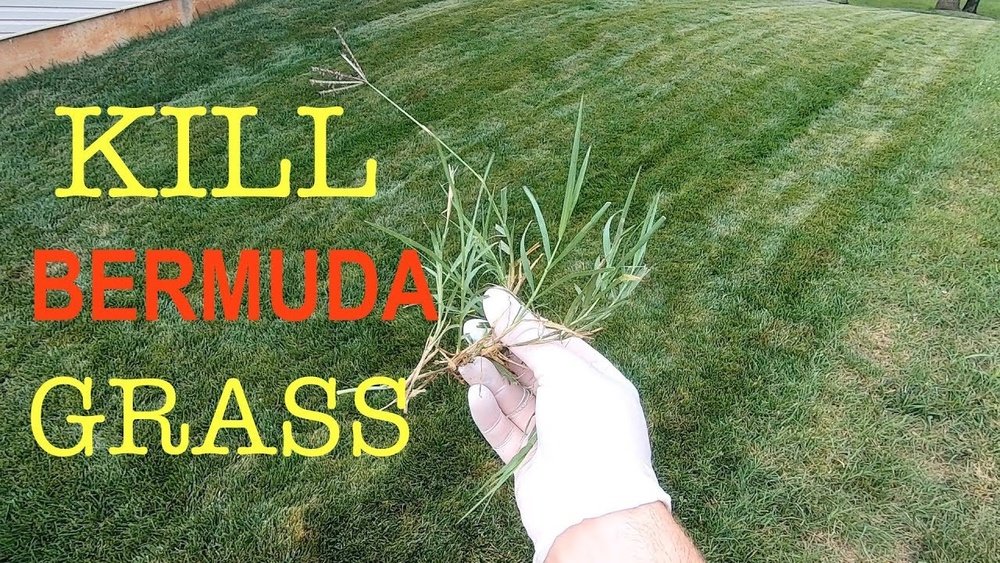
To get rid of Bermuda grass effectively, you need to target its deep roots and fast-growing runners. Using the right herbicides or persistent manual removal can control its spread. Combining chemical treatments with natural methods often gives the best results for reclaiming your lawn quickly.
Are you struggling to keep Bermuda grass from taking over your lawn? You’re not alone.
This fast-growing, tough weed can quickly turn your beautiful yard into a patchy mess. But don’t worry—getting rid of Bermuda grass is possible with the right approach. You’ll discover simple and effective ways to reclaim your lawn and stop Bermuda grass from coming back.
Keep reading to find out how you can take control and enjoy a healthy, weed-free yard.
Credit: gregalder.com
Identifying Bermuda Grass
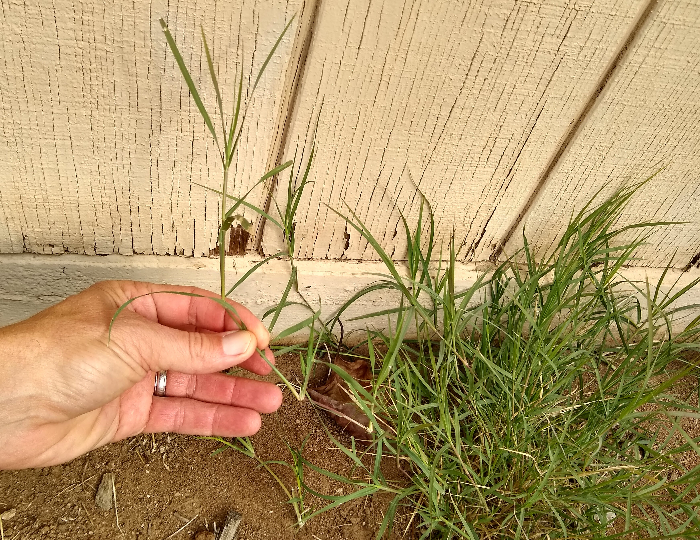
Identifying Bermuda grass is the first step to control it effectively. Knowing what it looks like helps you spot it early. This way, you can stop it before it spreads too much. Recognizing its features and preferred growing spots saves time and effort.
Common Characteristics
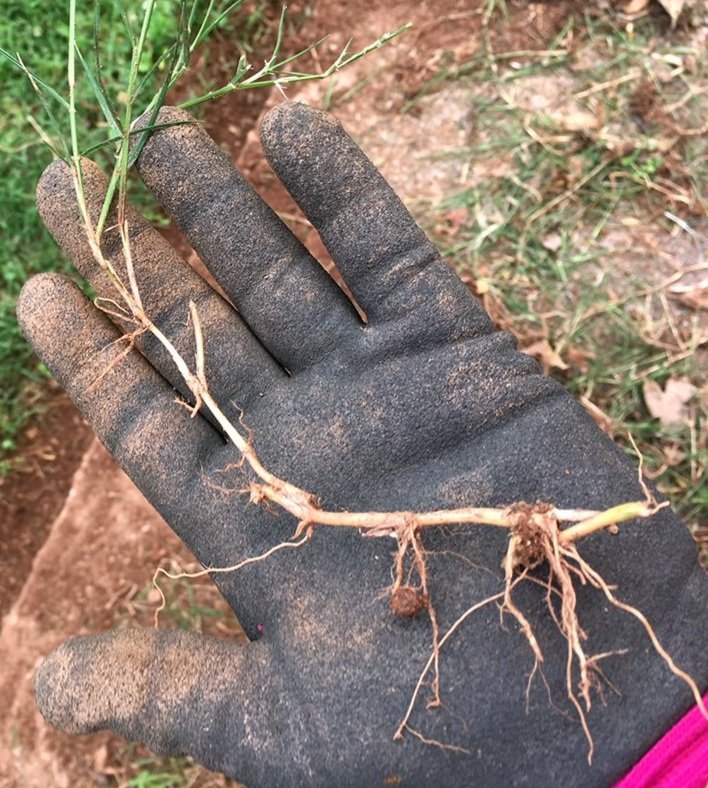
Bermuda grass has a coarse texture and grows low to the ground. Its color is usually dark green but can turn brown in dry weather. The leaves are narrow and have pointed tips. It spreads through above-ground runners called stolons and underground stems called rhizomes. This makes it hard to remove once it takes root. Small seed heads with tiny spikes appear in summer.
Where It Thrives
Bermuda grass grows best in warm climates and sunny areas. It prefers well-drained soils but can survive in poor soil too. You will find it in lawns, sports fields, and roadsides. It does not do well in shade or cold weather. Its ability to grow in tough conditions makes it a common weed in many places.
Credit: www.organicgrowersschool.org
Why Bermuda Grass Is Hard To Remove
Bermuda grass is known for its tough nature and fast growth. Many people find it difficult to remove completely. It spreads quickly and comes back even after efforts to clear it. Understanding why this grass is hard to remove helps in choosing the right methods.
Growth Patterns
Bermuda grass spreads through underground roots called rhizomes. It also grows from above-ground runners called stolons. These roots and runners allow the grass to cover large areas fast. Cutting the grass above ground won’t stop it. The hidden roots keep growing and sprouting new shoots.
Resilience Factors
This grass can survive tough conditions like drought and heat. Its roots go deep into the soil to find water. Bermuda grass recovers quickly from damage or mowing. It grows back stronger after being disturbed. This strong survival ability makes removal very challenging.
Effective Chemical Treatments
Effective chemical treatments offer a practical way to control Bermuda grass. These treatments target the grass at its root, helping to stop its spread. Using herbicides carefully can clear Bermuda grass from lawns and gardens. Success depends on choosing the right product and applying it correctly.
Choosing The Right Herbicide
Select herbicides labeled for Bermuda grass control. Products with glyphosate or fluazifop are common choices. Glyphosate kills most plants, so apply carefully to avoid harming other plants. Fluazifop targets grassy weeds without hurting broadleaf plants. Read product labels to ensure safety and effectiveness.
Application Tips For Best Results
Apply herbicides on calm, dry days to prevent drift. Spray in the early morning or late afternoon for better absorption. Follow the recommended amount on the label to avoid damage. Repeat treatments may be needed for tough patches. Always wear protective gear during application.

Credit: www.youtube.com
Natural Methods To Control Bermuda Grass
Controlling Bermuda grass naturally helps protect your soil and plants. These methods avoid harsh chemicals and keep your garden healthy. Natural control requires patience but works well over time.
Solarization Technique
Solarization uses the sun’s heat to kill Bermuda grass. Cover the affected area with clear plastic sheets. Secure the edges with soil or rocks to trap heat. Leave the plastic in place for 4 to 6 weeks during hot months.
The heat inside the plastic will kill grass roots and seeds. This method works best in full sun with high temperatures. It also helps reduce pests and diseases in the soil.
Vinegar And Other Home Remedies
Vinegar is a natural herbicide that can burn Bermuda grass leaves. Use a vinegar with 10-20% acetic acid for better results. Spray directly on the grass during sunny, dry days. Avoid spraying on other plants you want to keep.
Other home remedies include boiling water and salt solutions. Pour boiling water carefully on small patches to kill the grass. Salt can dry out Bermuda grass but use it sparingly to avoid soil damage.
Physical Removal Techniques
Physical removal techniques help control Bermuda grass without chemicals. These methods take effort but can be effective. Removing the grass physically stops it from spreading further. Two common ways are digging and raking, and smothering with mulch.
Digging And Raking
Digging breaks up the grass and roots below the soil. Use a shovel to dig out Bermuda grass patches. Remove all roots and runners to stop regrowth. Raking helps pull out smaller pieces and loose roots. Clear the soil surface well after digging. Repeat this process often for best results.
Smothering With Mulch
Mulch blocks sunlight that Bermuda grass needs to grow. Cover the affected area with thick mulch layers. Use organic mulch like wood chips or straw. Apply at least 3 to 4 inches deep. Leave mulch for several weeks or months. This starves the grass and kills the roots underground. Check the area regularly and add more mulch if needed.
Preventing Bermuda Grass Regrowth
Stopping Bermuda grass from growing back takes effort. Once removed, its roots can still spread under the soil. You need to keep watch and act fast. Preventing regrowth helps keep your lawn clean and healthy. Follow these tips to reduce chances of Bermuda grass coming back.
Maintaining Healthy Lawn Practices
Strong grass blocks weeds from taking over. Water your lawn deeply but less often. This helps grass grow strong roots. Mow regularly and keep your grass at the right height. Avoid cutting too short. Aerate the soil to let air and water reach roots. Fertilize with the right nutrients. Healthy grass leaves less space for Bermuda grass to grow.
Using Barriers And Edging
Physical barriers stop Bermuda grass from spreading. Install metal or plastic edging around flower beds and lawns. This blocks underground runners from moving into new areas. Check edges regularly for any grass sneaking through. Barriers also make it easier to spot new growth early. Removing it fast stops it from spreading further.
When To Seek Professional Help
Getting rid of Bermuda grass can be tough. Some methods may not work well. Sometimes, the problem gets bigger. Knowing when to call a professional can save time and effort.
Experts have tools and knowledge to handle tough Bermuda grass. They can spot hidden patches and treat them properly. Hiring help can protect your lawn and stop the grass from spreading more.
Signs You Need Experts
Bermuda grass spreads fast and hard to control. If you see it growing back after treatment, get help. Large patches covering your lawn need expert care. When the grass grows near flower beds or trees, professionals can protect those plants. If your lawn chemicals do not work, call an expert. Persistent Bermuda grass shows signs you need outside help.
What To Expect From Services
Professional services start with a lawn check. They find all Bermuda grass spots, even hidden ones. Experts use strong but safe herbicides. They apply these herbicides carefully to avoid other plants. Professionals may suggest lawn care changes to stop Bermuda grass return. Many services offer follow-up visits to ensure complete removal. Expect clear advice and a plan for healthy lawn care.
Frequently Asked Questions
How Can I Effectively Kill Bermuda Grass In My Lawn?
To kill Bermuda grass, use a non-selective herbicide like glyphosate. Apply it carefully to avoid harming desirable plants. Repeat treatments may be necessary for full control. Removing roots and improving soil conditions also helps prevent regrowth.
What Is The Best Herbicide For Bermuda Grass Removal?
Glyphosate is the most effective herbicide for Bermuda grass. It kills grass by targeting its roots and leaves. Apply it during active growth for better absorption. Always follow label instructions for safe and effective use.
Can Bermuda Grass Be Removed Without Chemicals?
Yes, Bermuda grass can be removed manually by digging out roots. Solarization, covering the area with plastic to kill grass with heat, is another option. These methods take more time and effort but avoid chemical use.
How Long Does It Take To Get Rid Of Bermuda Grass?
Getting rid of Bermuda grass usually takes several weeks. Multiple herbicide treatments or persistent manual removal are needed. Patience and consistency are essential for complete eradication.
Conclusion
Getting rid of Bermuda grass takes patience and care. Use proper tools and follow steps carefully. Regularly check your lawn to stop it from growing back. Combine physical removal with the right herbicide for best results. Keep your soil healthy to help other plants grow strong.
Stay consistent and don’t give up too soon. A nice, green yard is worth the effort. You can enjoy a beautiful lawn free of unwanted grass.
