

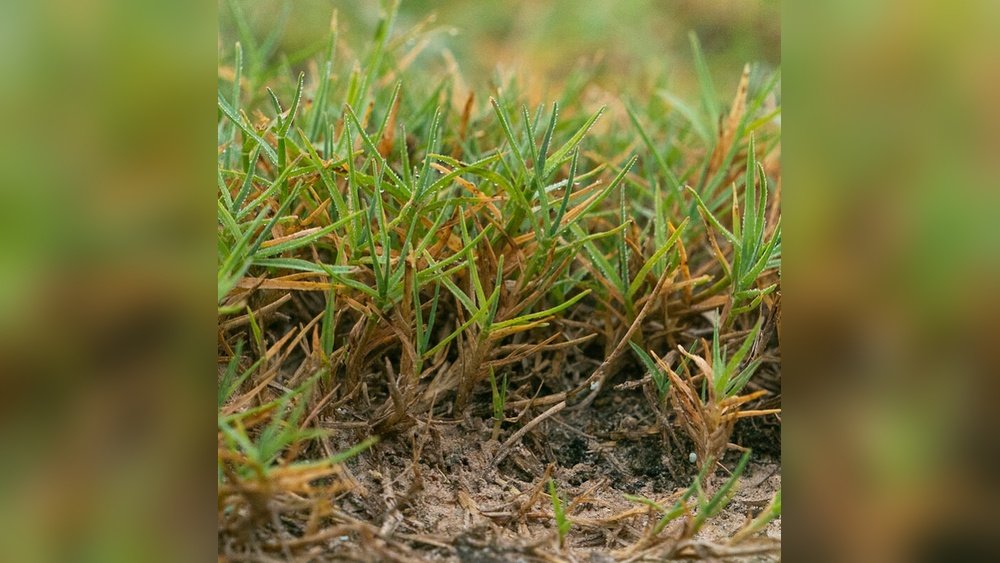
Are you thinking about planting Bermuda grass but wondering if summer is the right time? You might have heard different opinions and felt unsure about when to get started.
The good news is, summer can actually be a great season for planting Bermuda grass—if you know the right steps to take. You’ll discover exactly how to plant Bermuda grass during the hot months, avoid common mistakes, and ensure your lawn grows thick and green.
Keep reading to unlock the secrets to a beautiful summer lawn you’ll be proud of.
Credit: thegrassoutlet.com
Ideal Conditions For Bermuda Grass
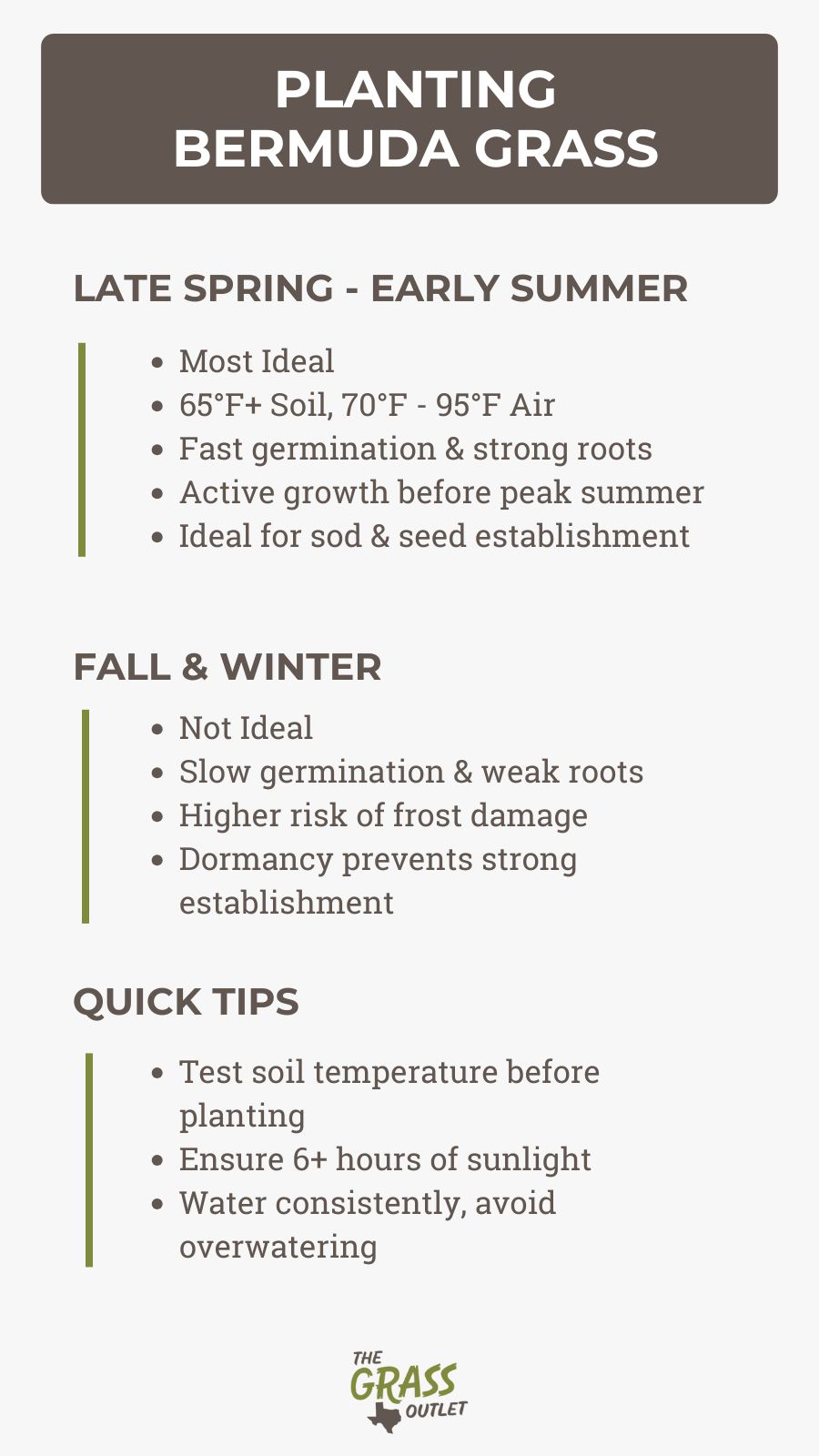
Bermuda grass thrives best under certain conditions. Knowing these helps you plant and grow it successfully. The grass prefers warmth, good soil, and plenty of sunlight. These factors support its fast growth and thick coverage.
Climate Requirements
Bermuda grass loves warm weather. It grows best in temperatures between 75°F and 95°F. It can handle heat well but struggles in cold. Frost and freezing temperatures can damage or kill it. Summer is an ideal time to plant Bermuda grass because of the warm climate.
Soil Preferences
Well-drained soil suits Bermuda grass best. It grows well in sandy or loamy soil types. The soil should have a pH between 5.8 and 7.0. Heavy clay soil can slow its growth. Adding organic matter improves soil quality and helps roots grow strong.
Sunlight Needs
Bermuda grass needs full sun to grow thick and green. It requires at least 6 to 8 hours of direct sunlight daily. Shade can cause thin patches and slow growth. Planting it in sunny spots ensures a healthy, lush lawn.
Summer Planting Benefits
Planting Bermuda grass in summer offers clear benefits. The warm weather helps seeds grow fast. This season supports strong and healthy grass growth. Understanding these benefits helps you decide the best time to plant.
Faster Germination
Summer heat speeds up seed germination. Bermuda grass seeds sprout quickly in warm soil. Faster germination means grass starts growing sooner. This quick start helps grass cover your lawn fast. The warmth keeps seeds active and ready to grow.
Reduced Weed Competition
Summer planting reduces weed growth problems. Warm weather favors Bermuda grass over many weeds. Strong grass growth crowds out weeds naturally. Fewer weeds mean less need for herbicides. Healthy grass wins the battle for space and nutrients.
Preparing The Soil
Preparing the soil is the first and most important step to plant Bermuda grass in summer. Healthy soil helps the grass grow strong and green. Proper soil preparation improves water drainage, nutrient availability, and root growth.
Start by checking the soil condition. Then, make the soil loose and even. These steps create the perfect environment for Bermuda grass seeds to sprout and grow well.
Testing And Amending Soil
Test the soil to know its pH level and nutrients. Bermuda grass prefers soil with a pH between 5.8 and 7.0. You can buy a simple soil test kit or send a sample to a lab.
Based on the test results, add lime to raise the pH or sulfur to lower it. Add compost or organic matter to improve soil texture and nutrition. This helps the grass roots absorb water and nutrients easily.
Tilling And Leveling
Tilling the soil breaks up hard clumps and loosens compacted areas. Use a rototiller or garden fork to till the soil about 4 to 6 inches deep. This allows roots to grow deep and strong.
After tilling, remove rocks, sticks, and debris. Level the soil using a rake to create a smooth surface. A flat surface ensures even seed planting and better water distribution.
Planting Methods
Planting Bermuda grass in summer requires careful choice of methods. Each method suits different needs and budgets. Knowing the best way helps your grass grow healthy and strong. Here are three common ways to plant Bermuda grass.
Seeding Tips
Seeding is the cheapest way to start Bermuda grass. Use fresh seeds for better results. Prepare the soil by removing weeds and loosening the top layer. Spread seeds evenly over the soil. Lightly rake to cover seeds with soil. Water gently but regularly to keep soil moist. Avoid overwatering to stop seed rot. Seeds usually sprout in 7 to 14 days.
Sodding Guidelines
Sodding gives an instant green lawn. Buy fresh sod from a local supplier. Lay sod pieces tightly side by side without gaps. Press down to remove air pockets and improve root contact. Water sod immediately after laying it. Keep soil moist for two weeks to help roots grow. Avoid heavy traffic on new sod until it settles well.
Sprigging Techniques
Sprigging uses small pieces of Bermuda grass stems. It is cheaper than sod but faster than seeding. Prepare soil by tilling and leveling the area. Plant sprigs in rows about six inches apart. Cover sprigs lightly with soil. Water daily to keep soil moist. Sprigs root and spread in two to three weeks. This method works well for large areas.
Watering Strategies
Watering is key to growing Bermuda grass in summer. Proper watering helps seeds sprout and grass grow strong. Too much or too little water can harm the grass. Follow a good watering plan to keep the soil just right. This helps roots grow deep and healthy. Here are two important watering steps to follow.
Initial Watering Schedule
Right after planting, water the soil lightly. Keep it moist but not soaked. Water 2 to 3 times a day for the first two weeks. This helps seeds stay wet and start to grow. Use a fine spray to avoid washing seeds away. Water early in the morning or late in the evening to save water.
Maintaining Moisture
Once the grass starts to grow, reduce watering to once a day. Water deeply to help roots go down. Check soil moisture often by touching the soil. It should feel damp, not wet or dry. Water less if it rains. Keep watering daily until the grass is thick and green. Then, water 2 to 3 times a week to keep the lawn healthy.
Fertilizing Tips
Fertilizing Bermuda grass during summer helps it grow strong and green. Proper feeding gives the grass the nutrients it needs to survive hot weather. Careful fertilizer use supports healthy roots and thick turf. Follow these tips to get the best results from your fertilizer.
Choosing The Right Fertilizer
Select a fertilizer high in nitrogen for Bermuda grass. Nitrogen boosts leaf growth and color. Look for a balanced product with some phosphorus and potassium. These nutrients help roots and disease resistance. Avoid fertilizers with too much nitrogen. Too much can burn grass in hot weather.
Application Timing
Apply fertilizer early in the morning or late in the afternoon. Avoid the hottest part of the day to prevent damage. Fertilize every 6 to 8 weeks during summer. Water the grass well after applying fertilizer. This helps nutrients soak into the soil. Regular feeding keeps Bermuda grass healthy and vibrant.
Pest And Weed Control
Controlling pests and weeds is key to growing healthy Bermuda grass in summer. Pests damage grass blades and roots, weakening the lawn. Weeds compete for nutrients, water, and sunlight, making the grass struggle to grow. Proper pest and weed control keeps your Bermuda grass strong and green.
Common Bermuda Grass Pests
Chinch bugs are among the top pests attacking Bermuda grass. They suck the sap from grass blades, causing yellow or brown patches. Grubs feed on roots, leading to dead spots in the lawn. Mites and armyworms also cause damage by eating leaves and stems. Regular inspection helps spot these pests early before they spread.
Effective Weed Management
Weeds reduce the lawn’s beauty and health by stealing resources. Pre-emergent herbicides stop weed seeds from growing. Post-emergent herbicides remove already growing weeds without harming Bermuda grass. Hand-pulling small weed patches works well too. Keep mowing the lawn at the right height to prevent weeds from flowering and spreading seeds.
Credit: theturfgrassgroup.com
Troubleshooting Growth Issues
Planting Bermuda grass in summer can face some challenges. Growth issues may arise due to heat, soil, or water problems. Identifying these issues early helps keep your lawn healthy. Troubleshooting common problems ensures your grass grows thick and green.
Dealing With Patchy Areas
Patchy spots appear when Bermuda grass fails to spread evenly. These areas may have poor soil or low nutrients. Remove dead grass and loosen the soil in patches. Reseed with Bermuda grass seeds and water gently. Avoid heavy foot traffic on these spots until grass grows back strong.
Managing Drought Stress
Bermuda grass needs regular watering during dry summer months. Drought stress causes brown, dry patches and slow growth. Water deeply in the early morning to keep roots moist. Mulch can help retain soil moisture. Watch for signs like wilted blades and act fast to save your lawn.
:max_bytes(150000):strip_icc()/GettyImages-1257704064-bc64303b209d440da1660384b6cb60a8.jpg)
Credit: www.thespruce.com
Frequently Asked Questions
Can Bermuda Grass Be Planted In Summer?
Yes, Bermuda grass thrives in summer’s warm temperatures. Planting during this season encourages strong root growth and quick establishment.
What Soil Conditions Suit Bermuda Grass In Summer?
Bermuda grass prefers well-drained, sandy or loamy soil with a pH between 6. 0 and 7. 5 for optimal summer growth.
How Often Should Bermuda Grass Be Watered In Summer?
Water Bermuda grass deeply 2-3 times per week in summer. Avoid overwatering to prevent fungal diseases and promote deep roots.
Is Fertilizing Bermuda Grass Necessary During Summer?
Yes, fertilize Bermuda grass every 6-8 weeks in summer with a nitrogen-rich fertilizer to support healthy, green growth.
Conclusion
Planting Bermuda grass in summer works well with proper care. Warm weather helps seeds sprout quickly and grow strong. Water the soil regularly but avoid overwatering. Choose a sunny spot for best results. Keep weeds away to give grass space to grow.
Patience is key; grass needs time to fill in. Follow these tips, and your lawn will thrive this season.
