

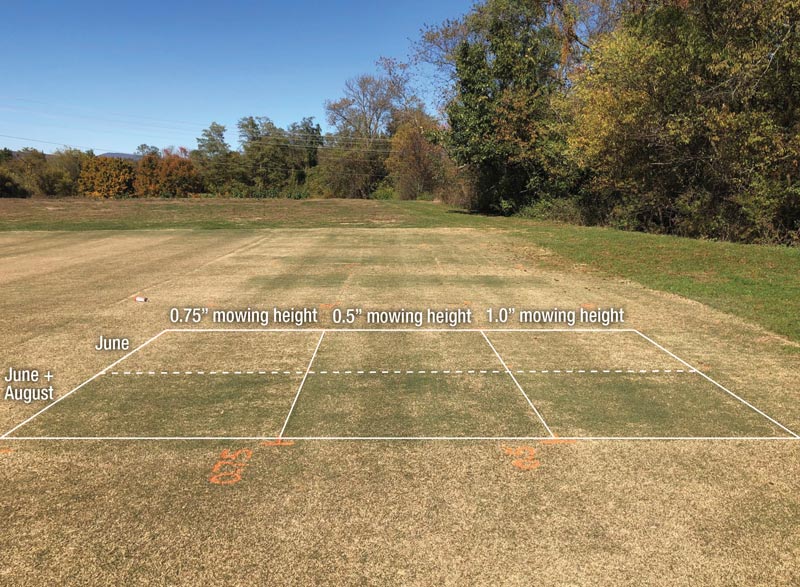
Bermuda grass turns brown or tan in winter as it goes dormant to survive cold temperatures. Its growth slows down significantly, and the blades become dry and brittle, losing their usual vibrant green color. This seasonal change is normal and doesn’t mean the grass is dead.
Have you ever looked at your lawn during winter and wondered, “What does Bermuda grass look like now?” If you’re used to seeing its vibrant green blades in the summer, the winter appearance might surprise you. Understanding how Bermuda grass changes with the seasons can help you care for your lawn better and keep it healthy year-round.
You’ll discover exactly what happens to Bermuda grass in the winter and what you should expect to see. Keep reading—you’ll learn tips that could make a big difference for your yard when the cold sets in.
Credit: gcmonline.com
Bermuda Grass Basics
Bermuda grass is a popular choice for lawns and sports fields. It thrives in warm climates and grows quickly during summer. Understanding the basics helps you care for it better in winter. This grass changes its look and growth as temperatures drop.
Knowing these changes helps you keep your lawn healthy year-round. Here is a closer look at Bermuda grass basics.
Typical Appearance
Bermuda grass has thin, green blades during warm months. The leaves are short and pointed. In winter, the grass often turns brown or tan. This happens because it goes dormant to survive cold. Dormant grass looks dry but is still alive. Some patches may look bare where growth slows.
Growth Patterns
Bermuda grass grows fast in spring and summer. It spreads through runners called stolons and underground stems called rhizomes. In winter, growth nearly stops. The grass conserves energy and water. It starts growing again when temperatures rise. Knowing this helps in planning lawn care and watering schedules.

Credit: gardening.stackexchange.com
Winter Color Transformation
Bermuda grass shows a clear change during winter. Its usual bright green color fades. The grass slows down and enters dormancy. This change helps it survive the cold months. Understanding these shifts helps lawn owners care better for their yards.
Color Changes Explained
Bermuda grass turns from green to brown or tan in winter. This is normal and not a sign of death. The grass stops making chlorophyll, the green pigment. Without chlorophyll, the grass loses its vibrant color. The blades look dry and less lively. This color change protects the grass from winter stress.
Factors Influencing Color Shift
Temperature plays a big role in the color change. Cooler temperatures slow down the grass’s growth. Less sunlight in winter also reduces chlorophyll production. Water availability affects the grass color too. Dry conditions make the grass look more brown. Soil type and grass health impact how much color fades. Proper care before winter can help maintain some green.
Texture And Density Changes
Bermuda grass changes its feel and look during winter. The texture and density do not stay the same as in warmer months. These changes affect the lawn’s overall health and appearance. Understanding these shifts helps you care for your grass better in cold weather.
Grass Blade Texture
In winter, Bermuda grass blades become thinner and more brittle. The smooth, soft texture of summer turns rough and dry. The blades lose moisture and appear dull. This change happens because the grass slows down its growth. It also stops producing the waxy coating that protects it.
Turf Thickness Variations
The turf becomes less dense in the cold season. Patches may look sparse or bare in some areas. The grass stops spreading as quickly and sheds old blades. This thinning happens because Bermuda grass goes dormant in winter. The lawn may feel thinner and less lush than usual.
Dormancy Effects
Bermuda grass changes a lot during winter. It stops growing and looks very different. This change is called dormancy. Dormancy helps the grass survive cold weather. Understanding dormancy effects helps you care for your lawn better.
Dormant State Characteristics
In winter, Bermuda grass turns brown or tan. The green color fades as the grass stops growing. The blades become dry and thin. The grass looks dead but is still alive under the surface. It stays low and does not spread. The roots remain alive but slow down their activity.
Impact On Lawn Health
Dormancy protects Bermuda grass from cold damage. The grass uses less water and nutrients. It also becomes less prone to pests and diseases. Dormant grass recovers fast when warm weather returns. Yet, the lawn looks less attractive during this time. Proper care before and after dormancy keeps the lawn healthy.
Environmental Influences
Bermuda grass changes a lot in winter. Its look depends on the environment. Temperature and soil play big roles. These factors decide if the grass stays green or turns brown. Understanding these helps you care for your lawn better.
Temperature Effects
Bermuda grass is warm-season grass. Cold temperatures slow its growth. When temperatures drop below 50°F, the grass starts to go dormant. Dormant grass turns brown or tan. Frost can damage the grass blades. Prolonged freezing causes the grass to die back. Warmer days may bring some green back. But cold nights keep it mostly brown.
Moisture And Soil Conditions
Soil moisture affects Bermuda grass health. Dry soil stresses the grass in winter. Lack of water makes the brown color worse. Wet soil can cause root problems. Poor drainage leads to soggy soil and rot. Good soil drainage helps keep roots healthy. Proper watering before winter helps the grass survive cold months. Mulching can protect soil moisture and temperature.
Winter Lawn Care Tips
Winter is tough on Bermuda grass. The green color fades, and the grass may look brown or dormant. Proper care during this season helps keep your lawn healthy and ready for spring. Following simple winter lawn care tips can protect your Bermuda grass from damage.
Maintenance Practices
Keep mowing your lawn, but raise the mower blade. This protects grass crowns from cold weather. Avoid cutting too short. Remove fallen leaves and debris to allow sunlight and air to reach the grass. Water the lawn occasionally, especially if there is little rain. Do not overwater; wet soil can harm roots during cold months.
Preventing Damage
Limit foot traffic on the lawn to prevent soil compaction. Use mulch around plants and garden beds to keep soil warm. Avoid using harsh chemicals or fertilizers late in winter. Check for signs of pests or diseases and treat early. Cover sensitive areas with burlap if frost is expected. These steps help your Bermuda grass survive winter’s chill.

Credit: www.youtube.com
Frequently Asked Questions
What Does Bermuda Grass Look Like In Winter?
In winter, Bermuda grass turns brown or tan. It becomes dormant due to cold temperatures. The grass loses its vibrant green color and appears dry and brittle.
Why Does Bermuda Grass Turn Brown In Winter?
Bermuda grass enters dormancy to survive cold weather. This dormancy causes it to stop growing and lose chlorophyll. As a result, the grass turns brown until warmer weather returns.
Can Bermuda Grass Survive Harsh Winter Conditions?
Yes, Bermuda grass can survive cold winters. It goes dormant but regrows in spring. Proper lawn care before winter improves its survival chances during harsh conditions.
How To Maintain Bermuda Grass Health In Winter?
To maintain health, avoid heavy foot traffic on dormant grass. Keep the lawn clean and remove debris. Fertilize in late fall to prepare Bermuda grass for winter.
Conclusion
Bermuda grass changes color and texture during winter months. It often turns brown or dull green, showing signs of dormancy. The grass looks thinner and less vibrant than in summer. These changes are normal and help the grass survive cold weather.
Knowing this helps you care for your lawn better. Keep watering lightly and avoid heavy mowing. Your Bermuda grass will bounce back when warm weather returns. Winter looks different, but growth will resume soon. Patience is key for a healthy lawn year-round.
