

Are you ready to transform your lawn into a lush, green paradise? Knowing exactly when to plant Bermuda grass is the first step to achieving that perfect yard.
Plant it too early, and your grass might struggle to grow. Plant it too late, and you could miss the ideal growing window altogether. You’ll discover the best time to plant Bermuda grass so you can enjoy a healthy, vibrant lawn all season long.
Keep reading to find out how timing can make all the difference for your grass’s success.
Best Season To Plant Bermuda Grass
Choosing the best season to plant Bermuda grass is key to a healthy lawn. Planting at the right time helps the grass grow strong and green. Warm seasons give Bermuda grass the energy to spread fast and cover your yard well.
Knowing the best season depends on temperature, soil, and your local climate. These factors affect how well Bermuda grass takes root and grows. Let’s explore these important details.
Ideal Temperature Range
Bermuda grass grows best when the soil temperature is between 65°F and 75°F. Air temperatures around 80°F to 95°F help it thrive. Planting when it is too cold can slow growth or stop it altogether. Warm weather encourages fast sprouting and spreading.
Soil Conditions For Planting
Well-drained soil with a pH between 6.0 and 7.0 suits Bermuda grass best. The soil must be loose and soft for roots to grow easily. Avoid waterlogged or very sandy soils. Adding organic matter can improve soil quality before planting.
Timing For Different Climates
In warm southern climates, plant Bermuda grass in late spring or early summer. This matches the natural rise in temperature. In cooler regions, wait until late spring when the soil warms up. Avoid planting too early to prevent frost damage. Adjust planting time based on your local weather.
Choosing Bermuda Grass Varieties
Choosing the right Bermuda grass variety is key to a healthy lawn. Different types suit different climates and uses. Some grow faster, some stay greener longer, and others resist pests better.
Understanding the traits of each variety helps pick the best one. Consider your local weather, soil, and lawn needs. This ensures a strong and beautiful lawn all year.
Common Varieties For Lawns
Several Bermuda grass types are popular for lawns. Common Bermuda is affordable and grows quickly. It forms a dense, green carpet that fills bare spots. Hybrid Bermuda varieties like Tifway or Tifgreen offer finer texture. These are often used on golf courses and high-end lawns. They look smooth and lush but need more care.
Drought Tolerance Options
Bermuda grass is naturally drought-tolerant. Some types handle dry conditions better than others. Celebration Bermuda thrives in heat and drought. It stays green longer with less water. TifTuf Bermuda also shows excellent drought resistance. These varieties save water and stay healthy during dry spells.
Disease Resistant Types
Disease can damage Bermuda grass quickly. Choosing resistant types reduces lawn problems. Tifway Bermuda resists many common diseases. It fights fungal infections well. TifGrand Bermuda also shows strong resistance. Using these varieties means less need for chemicals and treatments.
Preparing Your Lawn For Planting
Preparing your lawn for planting Bermuda grass sets the stage for healthy growth. Proper preparation helps the grass take root quickly and grow strong. The soil must be ready, free of weeds, and smooth to ensure good seed contact. Follow these steps to prepare your lawn properly.
Soil Testing And Amendments
Test your soil to know its pH and nutrient levels. Bermuda grass grows best in soil with a pH between 5.8 and 7.0. Use a home test kit or send samples to a local extension office. Add lime to raise pH or sulfur to lower it. Add fertilizer based on nutrient needs. This helps create the best environment for your new grass.
Removing Weeds And Debris
Clear your lawn of weeds, rocks, and old grass. Weeds compete for water and nutrients. Pull weeds by hand or use a safe herbicide. Remove any sticks, stones, or trash. A clean area helps Bermuda grass seeds grow without competition. It also prevents pests and diseases.
Leveling And Aerating The Soil
Level the soil to prevent water pooling and uneven growth. Use a rake or lawn roller for this task. Aerate the soil to improve air, water, and nutrient flow. Use a garden fork or aerator machine to make holes. Aeration reduces soil compaction and helps roots grow deep. This step improves the health and strength of your lawn.
:strip_icc()/BHG-Bermuda-Grass-SIP921675-6b48f3f430f847a79ccda2633e26e1a6.jpg)
Credit: www.bhg.com
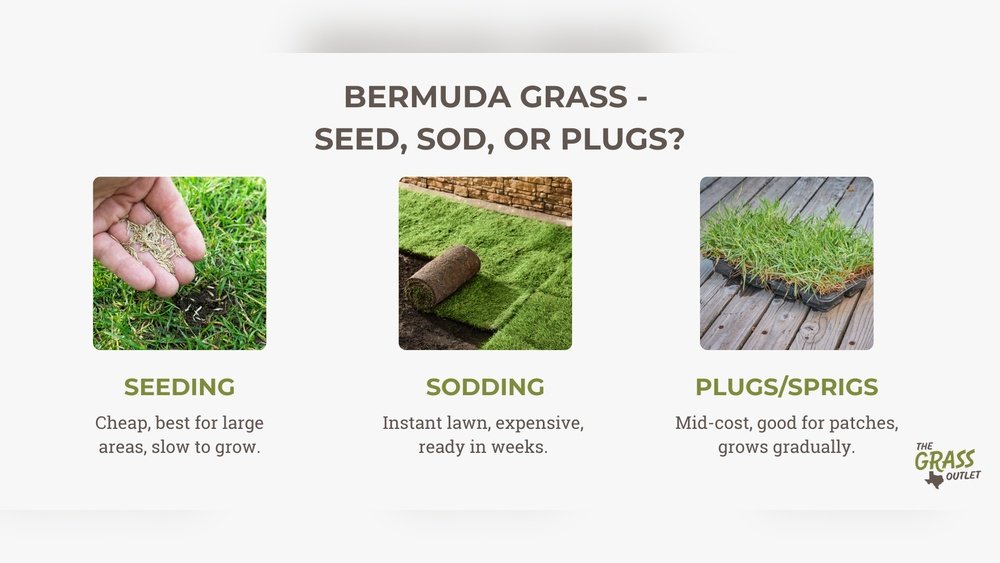
Planting Methods For Bermuda Grass
Planting Bermuda grass requires selecting the right method to ensure strong growth. Different methods suit different needs and budgets. Understanding these options helps you get a healthy lawn faster.
Seeding Techniques
Seeding is one common way to start Bermuda grass. Spread seeds evenly over the soil. Lightly rake the area to cover seeds with a thin layer of soil. Water the ground gently but often. Keep the soil moist until seeds sprout. Seeding is affordable and good for large areas.
Sodding Tips
Sodding gives instant green coverage. Lay the sod pieces tightly together on prepared soil. Press down to remove air pockets. Water the sod deeply after installation. Keep watering regularly until roots grow well. Sod works well for quick lawn repair or new lawns.
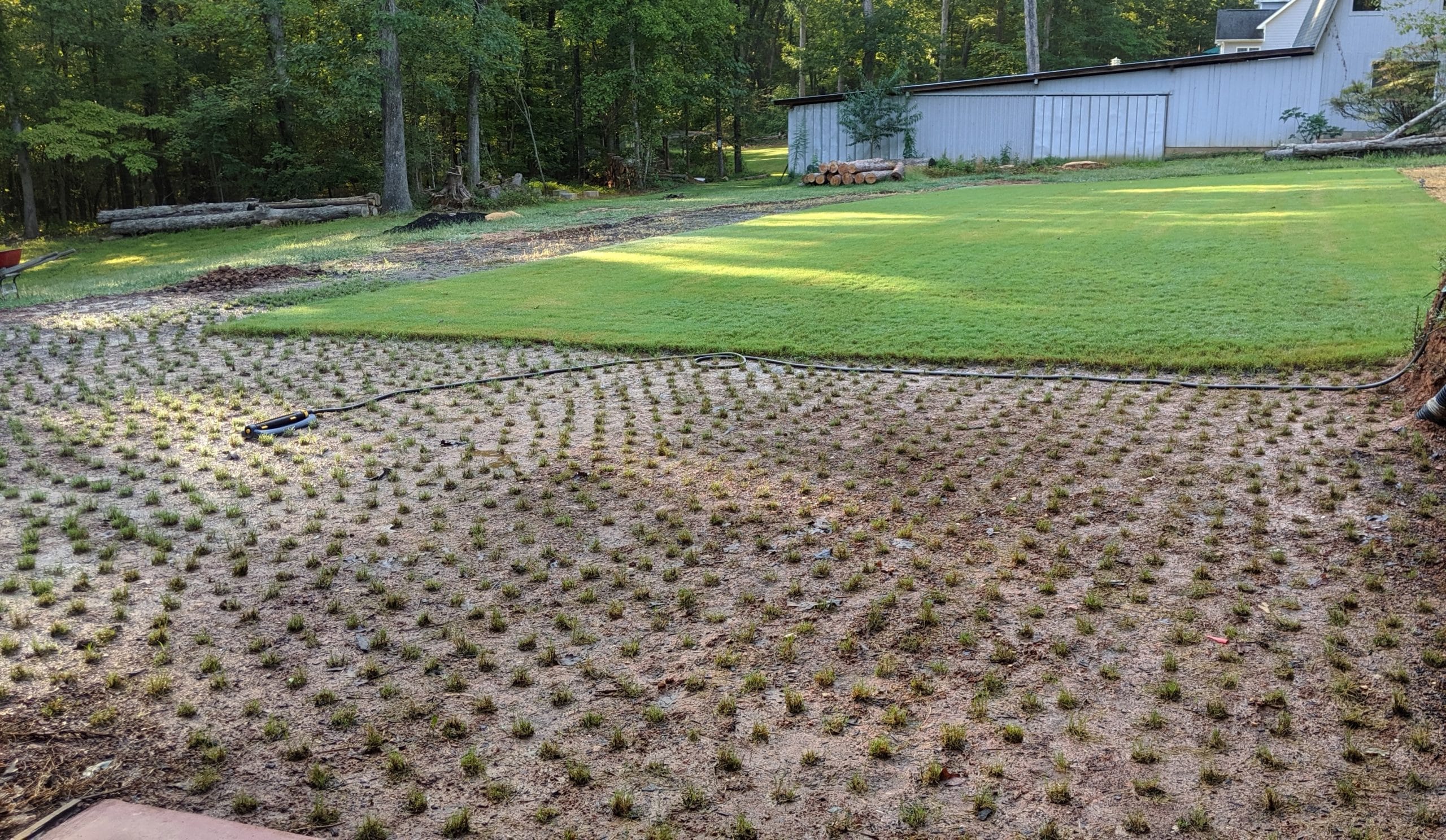
Sprigging And Plugging
Sprigging uses small pieces of Bermuda grass stems planted in soil. Space sprigs evenly in rows. Water to keep soil moist for root growth. Plugging plants small grass patches spaced apart. Plugs fill in spaces as they grow. Both methods are slower but cheaper than sod.
Watering And Fertilizing Schedule
Proper watering and fertilizing help Bermuda grass grow strong and healthy. A good schedule supports deep roots and green blades. Follow these simple steps to care for your new lawn.
Initial Watering After Planting
Water the grass right after planting. The soil should be moist but not soaked. Water lightly several times a day for the first week. This keeps seeds or sod moist and helps roots form. Avoid heavy watering that causes puddles or runoff.
Ongoing Irrigation Needs
After the grass grows, water deeply and less often. Aim for about one inch of water each week. Water early in the morning to reduce evaporation. Adjust watering if it rains or during hot weather. Overwatering can harm roots and invite disease.
Fertilizer Types And Timing
Use a fertilizer high in nitrogen for Bermuda grass. Apply fertilizer about 3 to 4 weeks after planting. Follow up every 6 to 8 weeks during the growing season. Avoid fertilizing in cold or dry weather. Always read the label for best results.
Credit: proplugger.com
Common Challenges When Planting
Planting Bermuda grass involves several challenges. Knowing these challenges helps you grow a healthy lawn. Managing pests, diseases, and soil erosion is key. These issues can affect grass growth and lawn beauty.
Dealing With Pests
Pests like grubs and armyworms can damage Bermuda grass. They eat the roots and leaves, causing brown patches. Use natural pest control or insecticides carefully. Regular lawn checks help catch pest problems early. Healthy soil and proper watering reduce pest risks.
Preventing Diseases
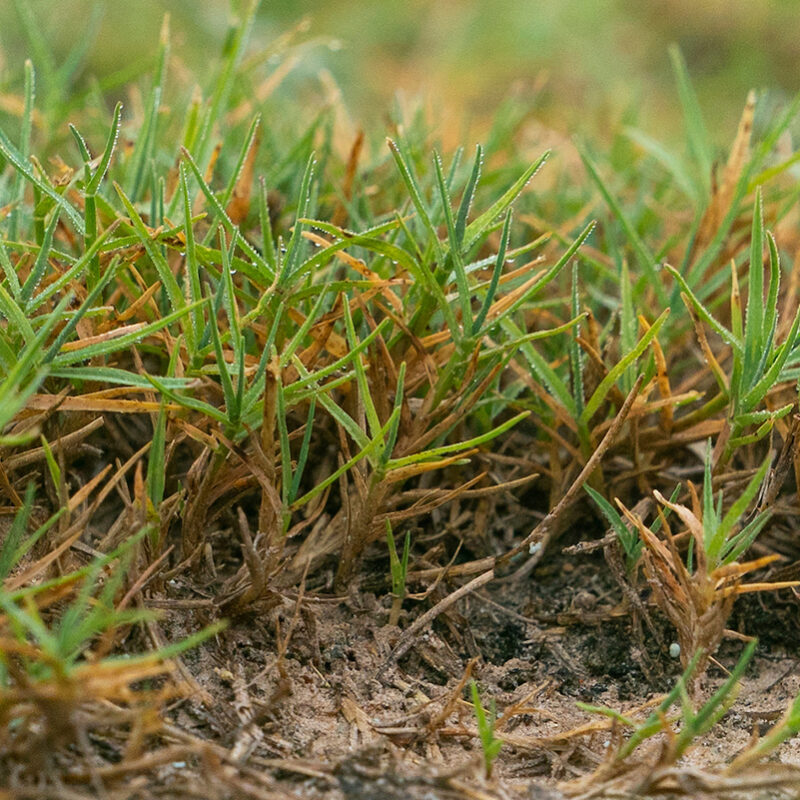
Bermuda grass is prone to fungal diseases like dollar spot and rust. These diseases cause spots and discoloration on leaves. Avoid overwatering to prevent fungal growth. Proper mowing height and good air circulation keep diseases away. Remove infected grass parts quickly to stop spread.
Handling Soil Erosion
Soil erosion can wash away Bermuda grass seeds and young plants. It happens on slopes or after heavy rain. Use mulch or ground cover to protect soil. Plant grass in layers to hold soil better. Avoid walking on wet soil to reduce compaction and erosion.
Maintaining A Healthy Bermuda Lawn
Maintaining a healthy Bermuda lawn requires regular care and attention. This grass thrives in warm weather but needs proper mowing, watering, and feeding. A well-kept lawn looks green and feels soft underfoot. It also stays strong against weeds and pests. Follow simple steps to keep your Bermuda grass healthy all year.
Mowing Best Practices
Cut your Bermuda grass often during the growing season. Keep the mower blade sharp for clean cuts. Set the mower height between 1 and 2 inches. Avoid cutting more than one-third of the grass blade at once. Leave grass clippings on the lawn to return nutrients to the soil. Mowing regularly helps the grass grow thick and healthy.
Seasonal Care Tips
Water your Bermuda lawn deeply but less often. Early morning watering reduces disease risk. Fertilize in spring and summer with a nitrogen-rich fertilizer. Reduce watering and stop fertilizing as temperatures cool. Remove leaves and debris in fall to prevent mold. Preparing your lawn for winter helps it bounce back in spring.
Overseeding And Repair
Overseed thin or bare spots in early spring. Use Bermuda grass seed for the best match. Lightly rake the soil before spreading seeds. Keep the soil moist until seeds sprout. Avoid heavy foot traffic on new grass. Repair damaged areas quickly to prevent weeds from growing. Regular overseeding keeps your lawn lush and full.
Credit: agrilifeextension.tamu.edu
Frequently Asked Questions
When Is The Best Time To Plant Bermuda Grass?
The best time to plant Bermuda grass is late spring to early summer. Soil temperatures should be consistently above 65°F. This timing ensures fast germination and strong growth during warm months.
How Long Does Bermuda Grass Take To Grow?
Bermuda grass typically takes 7 to 21 days to germinate. Full lawn coverage usually develops in 6 to 8 weeks under optimal conditions. Warm weather speeds up its growth.
Can You Plant Bermuda Grass In Fall?
Planting Bermuda grass in fall is not ideal. Cooler temperatures slow growth and hinder establishment. It’s best to plant in spring or early summer for successful growth.
What Soil Conditions Does Bermuda Grass Prefer?
Bermuda grass thrives in well-drained, sandy or loamy soil. It prefers a pH between 5. 8 and 7. 0. Proper soil conditions promote healthy root development and growth.
Conclusion
Planting Bermuda grass during warm months helps it grow strong and green. Start when soil temperatures reach about 65°F. Early spring or late spring works best for healthy roots. Water regularly but avoid overwatering to prevent disease. Choose a sunny spot for the best growth.
With proper care, your lawn will thrive and look great. Remember, patience is key; Bermuda grass takes time to fill in. Follow these tips, and enjoy a lush, green yard all summer long.
