
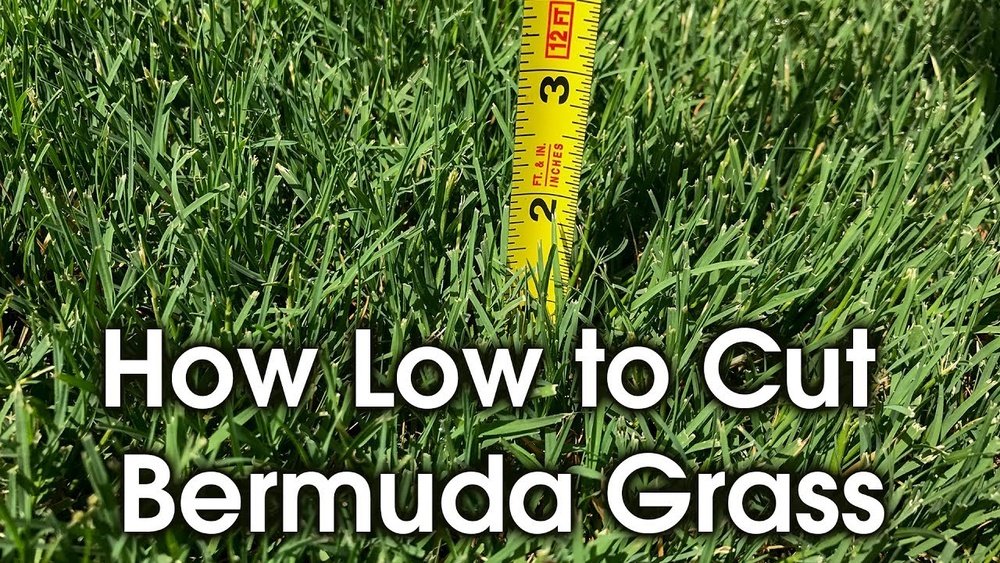
Are you struggling to keep your Bermuda grass looking its best? One simple factor could be the difference between a lush, green lawn and a patchy, tired yard: the height you let your Bermuda grass grow.
Knowing how tall Bermuda grass should be can transform your lawn care routine and make your grass healthier and more vibrant. Keep reading to discover the perfect height for Bermuda grass and easy tips to maintain it just right—your lawn will thank you!
Ideal Height For Bermuda Grass
Bermuda grass is a popular choice for lawns, sports fields, and golf courses. Keeping it at the right height helps it stay healthy and look good. The ideal height for Bermuda grass depends on the use and the season. Cutting it too short or too long can cause problems. Understanding the best height range keeps the grass strong and green.
Optimal Height Range
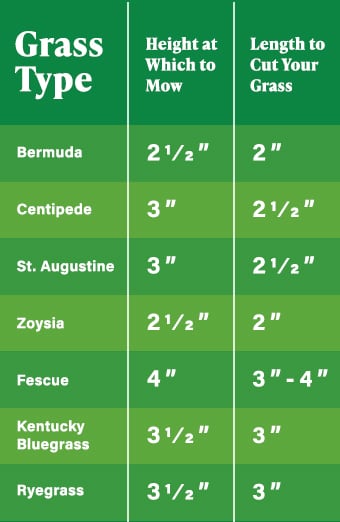
The best height for Bermuda grass is usually between 1 and 2 inches. This range helps the grass grow thick and resist weeds. Mowing below 1 inch can stress the grass and make it weak. Taller than 2 inches, the grass may look messy and attract pests. Keeping it in this range helps the lawn stay smooth and healthy.
Seasonal Height Adjustments
During hot summer months, Bermuda grass can handle being a bit shorter. Cutting it to around 1 inch helps it stay fresh and green. In cooler seasons, raise the height to about 2 inches. This protects the grass from cold damage and helps it store nutrients. Adjusting the height by season helps Bermuda grass survive and thrive all year.
Benefits Of Maintaining Proper Height
Maintaining the proper height for Bermuda grass brings many benefits. It helps keep your lawn healthy, looking good, and free from weeds. Cutting Bermuda grass at the right height supports its growth and strength. This care also saves you time and money on lawn maintenance. Below are some key benefits of keeping Bermuda grass at the right height.
Improved Lawn Health
Proper grass height allows roots to grow deep and strong. Deep roots help the grass absorb water better. This makes the lawn more drought-resistant. Cutting grass too short weakens the roots. It also makes the grass more likely to get diseases. Healthy grass fights pests and recovers quickly from damage.
Enhanced Appearance
Grass cut at the right height looks thick and green. It creates a smooth, even surface for your lawn. Taller grass blades shade the soil, keeping it moist. This prevents the grass from turning brown. A well-kept lawn makes your outdoor space more inviting and neat.
Weed Prevention
Maintaining proper height helps block sunlight from reaching weed seeds. Without sunlight, many weeds cannot grow. Thick Bermuda grass crowds out weeds by taking up space. Cutting grass too short creates gaps where weeds can grow. A dense lawn means fewer weeds and less need for herbicides.
Mowing Techniques For Bermuda Grass
Mowing Bermuda grass correctly keeps it healthy and looking great. It helps the grass grow thick and green. Using the right mowing techniques makes a big difference. This section covers key tips on mowing Bermuda grass the right way.
Recommended Mowing Frequency
Mow Bermuda grass often during the growing season. Cutting it every 5 to 7 days works well. Avoid cutting too much at once. Regular mowing helps the grass stay strong and neat.
Best Mower Settings
Set your mower blade height between 1 and 2 inches. This height suits Bermuda grass best. Keep mower blades sharp for clean cuts. Dull blades can tear grass and cause damage.
Avoiding Common Mowing Mistakes
Never cut more than one-third of the grass height. Cutting too low stresses the grass. Avoid mowing when the grass is wet. Wet grass can clog the mower and cause uneven cuts.

Credit: theturfgrassgroup.com
Factors Affecting Bermuda Grass Height
Bermuda grass height depends on many factors. These factors affect how tall the grass grows and how healthy it stays. Understanding these helps you keep your lawn neat and green.
Each factor plays a role in the grass’s growth speed and final height. Paying attention to these details can improve your lawn care.
Climate And Weather Impact
Warm climates help Bermuda grass grow faster. It thrives in sunny areas with hot temperatures. Cold weather slows its growth or stops it.
Dry weather can stress the grass, making it shorter. Rain and humidity support taller growth. Sudden weather changes can harm the grass too.
Soil Quality And Fertilization
Good soil gives Bermuda grass the nutrients it needs. Sandy or clay soils may limit growth. Proper fertilization boosts grass height and health.
Using the right fertilizer type and amount helps the grass grow strong. Poor soil or lack of nutrients keeps grass short and weak.
Watering Practices
Regular watering helps Bermuda grass grow tall and lush. Too little water makes the grass dry and short. Too much water can cause root problems.
Water deeply but less often to encourage strong roots. Proper watering keeps the grass healthy and maintains its ideal height.
Troubleshooting Height Issues
Troubleshooting height issues in Bermuda grass helps keep your lawn healthy and neat. Grass that is too tall or too short can cause problems. It affects the grass’s growth and can invite pests and diseases. Knowing how to fix these issues keeps your lawn looking its best.
Dealing With Overgrown Grass
Overgrown Bermuda grass looks messy and can block sunlight. It slows down new growth and traps moisture. Cut the grass gradually to avoid shock. Lower the mower height a little each time. Remove clippings to prevent mold and pests. Regular mowing keeps the grass at the right height.
Managing Underdeveloped Lawns
Short Bermuda grass may mean weak growth or poor soil. Check if the grass is getting enough water and nutrients. Avoid cutting the grass too short as it stresses the plant. Use fertilizer designed for Bermuda grass. Aerate the soil to improve air and water flow. Healthy roots help the grass grow taller and stronger.
Credit: www.barefootlawncare.com
.webp)
Credit: www.resi-report.com
Frequently Asked Questions
What Is The Ideal Height For Bermuda Grass?
Bermuda grass should be maintained at 1 to 2 inches tall. This height promotes healthy growth and dense turf. Keeping it too short can stress the grass, while too tall can cause thatch buildup and reduce lawn quality.
How Often Should Bermuda Grass Be Mowed?
Mow Bermuda grass every 5 to 7 days during the growing season. Frequent mowing encourages thick, even growth. Avoid cutting more than one-third of the blade length at once to prevent stress and maintain lawn health.
Can Bermuda Grass Grow Too Tall?
Yes, Bermuda grass can grow too tall if not mowed regularly. Tall grass becomes weak, develops thatch, and attracts pests. Regular trimming keeps the lawn healthy, thick, and visually appealing.
Does Mowing Height Affect Bermuda Grass Health?
Mowing height greatly affects Bermuda grass health. Cutting at 1 to 2 inches keeps roots strong and turf dense. Mowing too low or too high can cause stress and increase vulnerability to weeds and diseases.
Conclusion
Bermuda grass grows best between one and two inches tall. Cutting it too short can stress the grass and cause brown spots. Keeping the height right helps the grass stay green and healthy. Mowing often encourages thick growth and stops weeds from spreading.
Water and fertilize as needed for strong roots. A well-kept lawn looks nice and lasts longer. Remember, simple care makes Bermuda grass thrive.
