

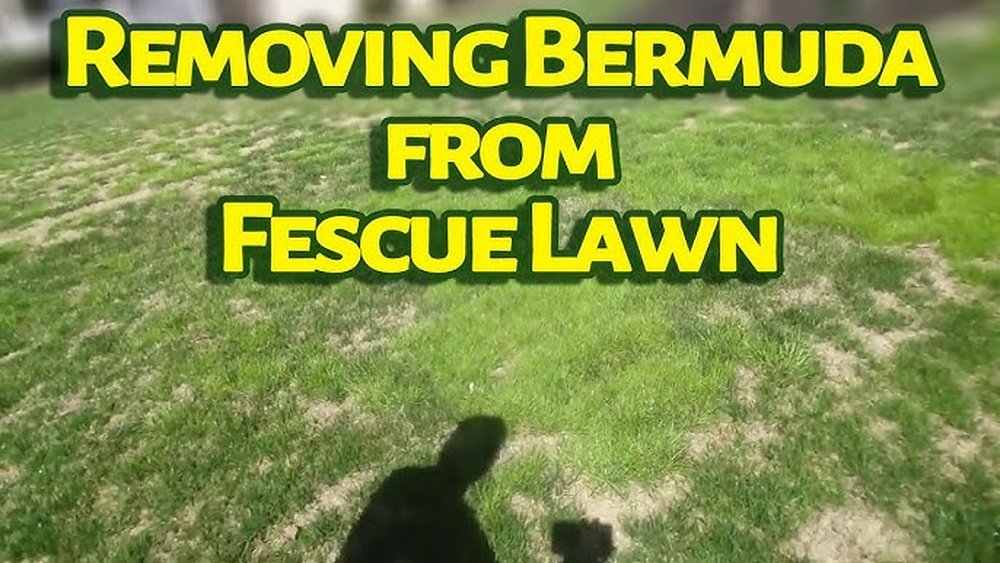
To kill Bermuda grass without harming fescue, use selective herbicides like fenoxaprop or fluazifop, which target Bermuda grass specifically. Avoid non-selective herbicides on fescue, as they damage all plants. Natural methods like vinegar or solarizing can also help control Bermuda grass safely around fescue lawns.
Are you struggling to control Bermuda grass without harming your fescue lawn? You’re not alone.
Bermuda grass can quickly take over, making your yard look messy and uneven. But what if you could get rid of Bermuda grass while keeping your fescue healthy and green? You’ll discover effective ways to kill Bermuda grass without damaging your fescue.
Keep reading to learn the secrets that will help you take back control of your lawn and enjoy a beautiful, lush yard all season long.

Credit: bioadvanced.com
Differences Between Bermuda Grass And Fescue
Bermuda grass and fescue are common lawn grasses with clear differences. Knowing these differences helps choose the right grass for your yard. Each grass has unique features in how it grows, where it thrives, and how it handles herbicides.
Growth Habits
Bermuda grass spreads fast using underground stems called rhizomes. It creates a thick, dense carpet. Fescue grows in clumps and does not spread as quickly. It stays more upright and loose. This makes Bermuda good for heavy traffic areas. Fescue suits shaded or less active spots better.
Climate Preferences
Bermuda grass loves hot and sunny weather. It grows best in warm climates with full sun. Fescue prefers cooler temperatures and can handle some shade. It stays green longer during mild winters. This makes fescue a better choice in cooler regions.
Resistance To Herbicides
Bermuda grass and fescue respond differently to herbicides. Some herbicides kill Bermuda but leave fescue unharmed. This difference helps control unwanted Bermuda in fescue lawns. Always check herbicide labels to avoid damage to desired grass.
Credit: www.youtube.com
Common Herbicides Targeting Bermuda Grass
Bermuda grass can spread quickly and take over areas meant for fescue. Controlling Bermuda grass requires specific herbicides that kill it but do not harm fescue. These herbicides help maintain the health and appearance of fescue lawns without damage.
Understanding the types of herbicides available is important. Some work by targeting only Bermuda grass, while others kill all plants they touch. Natural options also exist for those who want fewer chemicals in their yard.
Selective Herbicides
Selective herbicides target Bermuda grass while leaving fescue unharmed. They work by blocking growth processes unique to Bermuda grass. Examples include products with active ingredients like fenoxaprop and fluazifop. These herbicides require careful application to avoid contact with fescue blades.
Selective herbicides are best for mixed lawns with both grasses. They allow fescue to grow strong and healthy. Using these herbicides regularly helps keep Bermuda grass under control.
Non-selective Herbicides
Non-selective herbicides kill all plants they touch, including fescue. They are useful for clearing large areas before reseeding or planting new grass. Glyphosate is a common non-selective herbicide used to remove Bermuda grass completely.
Apply non-selective herbicides only in bare spots or on weeds. Avoid spraying directly on fescue to prevent damage. These herbicides offer a quick way to eliminate Bermuda grass but require replanting afterward.
Natural Alternatives
Natural methods can reduce Bermuda grass without chemicals. Vinegar and boiling water can kill Bermuda grass blades on contact. Mulching and solarizing the soil also help weaken its roots over time.
Natural options are safe for fescue and the environment. These methods take longer but offer a chemical-free solution. Combining natural and herbicide methods often improves results.
Safe Herbicides For Fescue Lawns
Choosing the right herbicides helps keep your fescue lawn healthy and weed-free. Safe herbicides target unwanted Bermuda grass without harming fescue. This balance is essential for maintaining a lush, green yard. Using herbicides carefully protects your lawn’s growth and appearance.
Pre-emergent Options
Pre-emergent herbicides stop Bermuda grass seeds from sprouting. They work best when applied early in spring or fall. Common pre-emergents safe for fescue include Pendimethalin and Prodiamine. These products create a barrier in the soil that blocks weed seeds. Use them before Bermuda grass starts growing. This method prevents the problem before it begins.
Post-emergent Options
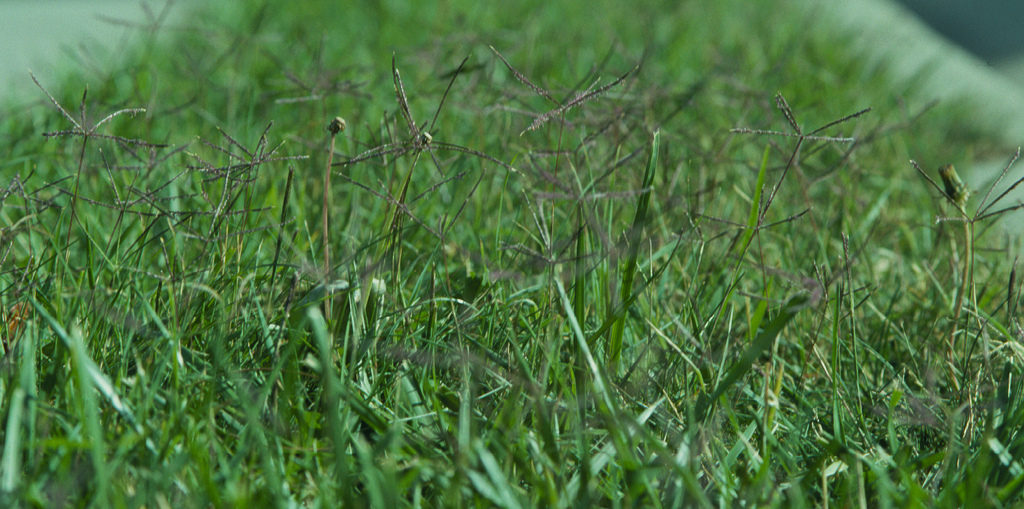
Post-emergent herbicides kill Bermuda grass that already grows. Selective herbicides like Sethoxydim and Fluazifop target Bermuda grass leaves. These chemicals do not harm fescue blades. Apply carefully on warm, dry days for best results. Repeat treatments may be needed to fully control Bermuda grass. Spot-treat small patches to protect the rest of your lawn.
Credit: www.turffiles.ncsu.edu
Application Tips For Effective Control
Applying herbicides to kill Bermuda grass but not harm fescue requires care. Proper steps increase success and reduce risks. This section explains key tips for effective control. Follow these guidelines to protect your lawn and get desired results.
Timing And Weather Considerations
Choose a time when Bermuda grass is actively growing. Usually, late spring or early summer works best. Avoid applying herbicides before rain. Wet leaves reduce chemical effectiveness. Apply on calm days to prevent drift. Early morning or late afternoon offers ideal conditions.
Proper Dosage And Techniques
Use the recommended herbicide amount. Overuse can damage fescue and waste product. Measure carefully with proper tools. Spray evenly for full coverage on Bermuda grass. Avoid overlapping to prevent extra chemical buildup. Clean equipment after use to maintain accuracy.
Avoiding Damage To Fescue
Protect fescue by applying herbicides directly to Bermuda patches. Use shields or barriers to block spray drift. Do not spray on windy days. Water fescue before application for extra protection. Monitor the lawn after treatment for any signs of stress or damage.
Alternative Methods To Manage Bermuda Grass
Managing Bermuda grass without harming fescue can be challenging. Many herbicides kill both grasses, so alternative methods work better. These options focus on control instead of complete elimination. They help keep your fescue healthy while reducing Bermuda grass spread.
Manual Removal
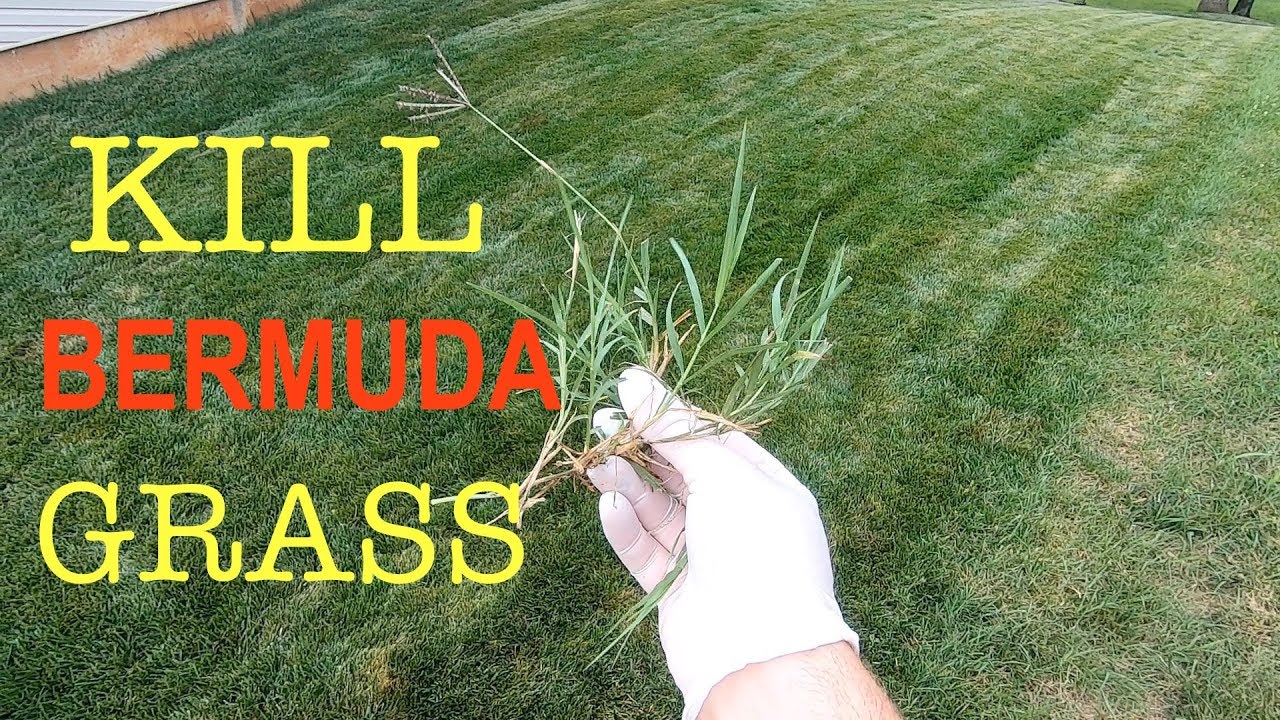
Manual removal is simple and effective for small areas. Pull Bermuda grass by hand, making sure to remove roots. Use a garden fork or trowel to dig out stubborn patches. This method takes time but avoids chemicals. It also prevents damage to fescue grass nearby.
Soil Amendments
Changing soil conditions can limit Bermuda grass growth. Bermuda prefers sandy, well-drained soil. Adding organic matter improves soil structure and moisture retention. This favors fescue, which grows better in richer soil. Adjust soil pH to a neutral level for fescue health. Test soil regularly to monitor changes.
Cultural Practices
Proper lawn care boosts fescue and suppresses Bermuda. Mow fescue at the right height, usually three to four inches. Water deeply but less often to encourage deep roots. Overseed fescue in fall to fill bare spots. Aerate soil to reduce compaction and improve nutrient flow. These practices create a strong fescue lawn that resists Bermuda grass invasion.
Maintaining A Healthy Fescue Lawn
Maintaining a healthy fescue lawn takes regular care and smart choices. Fescue grass needs specific attention to stay green and strong. Proper mowing, watering, and fertilization help fescue resist weeds and diseases. A well-kept lawn looks great and lasts longer.
Mowing Practices
Cut fescue grass at about 3 inches tall. This height helps roots grow deep and keeps grass healthy. Avoid cutting more than one-third of the grass blade at once. Use sharp mower blades to prevent tearing. Mow often enough to keep grass at the right height.
Watering Strategies
Water fescue lawns deeply but less often. Aim for about 1 inch of water per week. Early morning is the best time to water. This reduces disease risk and water loss. Avoid shallow or frequent watering. It weakens roots and wastes water.
Fertilization Plans
Fescue needs nutrients to grow thick and green. Use a balanced fertilizer with nitrogen, phosphorus, and potassium. Apply fertilizer in fall and spring for best results. Follow package instructions for amount and frequency. Too much fertilizer can harm the grass.
Frequently Asked Questions
What Herbicides Kill Bermuda Grass But Not Fescue?
Selective herbicides like MSMA and glyphosate alternatives target Bermuda grass without harming fescue. Proper application is key. Always follow label instructions for safe, effective use.
How Can I Remove Bermuda Grass Without Damaging Fescue?
Use selective herbicides specifically designed for Bermuda grass. Spot treat affected areas and avoid broad applications to protect your fescue lawn.
Why Is Bermuda Grass Hard To Kill But Fescue Is Not?
Bermuda grass is aggressive with deep roots and spreads rapidly. Fescue has a different growth pattern, making selective treatments possible without harming it.
Can Natural Methods Kill Bermuda Grass But Spare Fescue?
Natural methods like solarization or vinegar might reduce Bermuda grass but are less reliable and could stress fescue. Selective herbicides are safer and more effective.
Conclusion
Controlling Bermuda grass without harming fescue is possible. Selective herbicides target Bermuda grass effectively. Always follow label instructions carefully. Regular lawn care helps maintain healthy fescue growth. Patience and proper treatment bring the best results. Keep watching your lawn for new Bermuda growth.
A well-kept lawn looks neat and green. Simple steps make lawn care easier every day. Your effort will pay off with a beautiful yard.
