

Bermuda grass is a solid choice for warm climates thanks to its heat and drought tolerance. It grows quickly, handles heavy use, and stays green with less water and care than many other grasses. However, it needs full sun and well-drained soil to thrive, making it less suitable for shaded or cold areas.
Are you wondering if Bermuda grass is the right choice for your lawn? You’re not alone.
Choosing the perfect grass can make a huge difference in how your yard looks and feels. Bermuda grass is popular, but is it really good for your specific needs? By the end of this article, you’ll understand its benefits, drawbacks, and whether it fits your lifestyle.
Keep reading to discover how Bermuda grass can transform your outdoor space and what you should consider before making a decision.

Credit: theturfgrassgroup.com
Benefits Of Bermuda Grass
Bermuda grass is a popular choice for many lawns and sports fields. It offers many benefits that make it stand out from other grass types. This grass adapts well to different climates and soil conditions. It stays green and healthy with less care.
Many people prefer Bermuda grass because it saves water and grows fast. It also handles heavy use well. These features make it a smart option for home lawns and public spaces.
Drought Tolerance
Bermuda grass uses water efficiently. It can survive long dry periods without turning brown. This grass has deep roots that find water underground. It needs less frequent watering than many other grasses. This saves water and lowers garden costs.
Heat Resistance
Bermuda grass thrives in hot weather. It stays green and grows even in strong sun. This makes it perfect for warm regions. The grass does not fade or die easily during summer. It keeps lawns looking fresh and healthy.
Rapid Growth
This grass grows quickly and covers bare spots fast. It spreads through runners and seeds. This helps fill in patches and repair damage. Rapid growth means less time with thin or patchy grass. It creates a lush, full lawn fast.
Durability And Wear Resistance
Bermuda grass can handle heavy foot traffic. It recovers quickly from wear and tear. This makes it ideal for playgrounds and sports fields. The grass stays strong even with regular use. It keeps lawns looking good longer.

Credit: bethelfarms.com
Ideal Growing Conditions
Bermuda grass thrives best under specific growing conditions. Understanding these conditions helps you grow a healthy, lush lawn. The grass adapts well but performs best within certain limits. Below are the key factors that influence its growth.
Climate Preferences
Bermuda grass grows well in warm climates. It prefers temperatures between 75°F and 95°F. It can survive hot summers and mild winters. Frost or freezing temperatures can damage it. This grass does not grow well in cold or very wet climates. It thrives in areas with long, hot summers.
Soil Requirements
The grass grows best in well-drained soils. Sandy or loamy soil types are ideal. It can tolerate poor soils but prefers fertile ground. The soil pH should be between 5.8 and 7.0. Avoid heavy clay soils that hold too much water. Good soil helps roots grow deep and strong.
Sunlight Needs
Bermuda grass needs full sun to grow thick. It requires at least 6 to 8 hours of direct sunlight daily. Shade weakens the grass and slows growth. It does not perform well in shady areas. More sun means greener and denser grass.
Planting Bermuda Grass
Planting Bermuda grass is a smart choice for a strong, green lawn. This grass grows well in warm climates and handles heat and drought easily. Knowing how to plant it correctly helps it grow fast and stay healthy.
Planting Bermuda grass requires some care and planning. It can be started by seeds or by laying sod. Each method has its benefits. Preparing the soil well also makes a big difference in how well the grass grows.
Seeding Vs Sodding
Seeding Bermuda grass is less expensive and allows coverage of large areas. Seeds take time to grow and need more watering and care. Sodding gives an instant green lawn. Sod is more costly but stops soil erosion fast. Choose seeding for budget and sod for quick results.
Best Planting Times
Plant Bermuda grass during warm months. Late spring to early summer is best. Soil temperature should be at least 65°F for seeds to sprout. Planting too early or late slows growth. Warm soil helps roots grow deep and strong.
Preparation And Soil Treatment
Clear the area from weeds and old grass. Loosen soil to a depth of 4 to 6 inches. Add compost or organic matter to improve soil quality. Test soil pH and adjust if needed; Bermuda grass prefers 5.8 to 7.0 pH. Level the soil for even planting and water distribution.
Maintenance Tips
Bermuda grass is popular for its hardiness and lush green color. To keep it healthy and beautiful, proper maintenance is key. Good care helps Bermuda grass grow thick and resist weeds and pests. Here are some simple tips to maintain your Bermuda lawn.
Watering Guidelines
Bermuda grass needs about 1 to 1.25 inches of water each week. Water deeply but less often. This encourages roots to grow deeper. Early morning watering is best. It reduces water loss from evaporation.
Mowing Practices
Keep Bermuda grass at 1 to 2 inches tall. Mow regularly to avoid cutting more than one-third of the blade. Use a sharp mower blade for clean cuts. This helps the grass heal faster and stay healthy.
Fertilization Schedule
Fertilize Bermuda grass every 6 to 8 weeks during the growing season. Use a balanced fertilizer with nitrogen, phosphorus, and potassium. Follow package instructions for the right amount. Avoid over-fertilizing to prevent damage.
Weed And Pest Control
Control weeds early to stop them from spreading. Use herbicides safe for Bermuda grass. Check your lawn often for pests like grubs or mites. Treat problems quickly with appropriate insecticides or natural methods.
Common Challenges
Bermuda grass is popular for many reasons. It grows fast and looks green. Still, it faces some common challenges. Knowing these can help you care for your lawn better.
These challenges affect the grass’s health and appearance. Addressing them early keeps the lawn strong and beautiful.
Thatch Buildup
Thatch is a layer of dead grass and roots. It builds up between the soil and grass blades. Too much thatch stops water and nutrients from reaching roots.
Thick thatch also invites pests and diseases. Regular raking or dethatching helps control this problem. This keeps Bermuda grass healthy and growing well.
Disease Issues
Bermuda grass can get diseases like leaf spot and dollar spot. These cause brown patches and weak grass. Disease spreads fast in wet and humid conditions.
Good lawn care reduces disease risks. Proper watering and mowing help the grass resist infections. Using fungicides can also protect the lawn if needed.
Cold Weather Effects
Bermuda grass grows best in warm weather. Cold temperatures slow growth and may cause dormancy. Frost can damage the grass blades and roots.
During winter, the grass may turn brown or thin out. Protect the lawn by avoiding heavy traffic in cold months. This helps the grass recover quickly in spring.
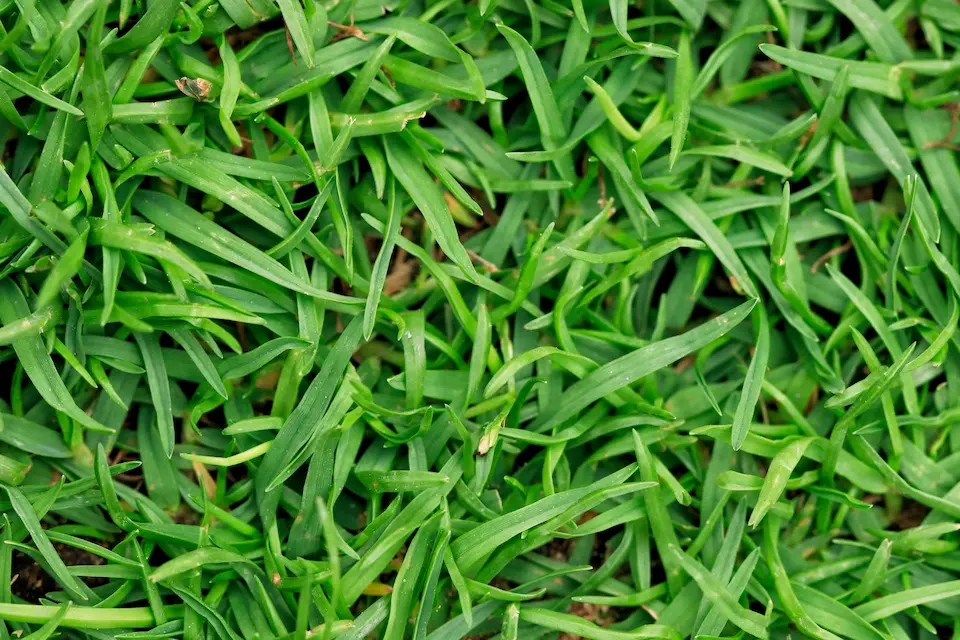
Credit: fortsmithlandscaping.com
Comparison With Other Grasses
Bermuda grass is popular for warm climates. Comparing it with other common grasses helps you choose the best lawn type. Each grass has unique features, benefits, and care needs. Understanding these differences makes lawn care easier and more effective.
Zoysia Grass
Zoysia grass grows slower than Bermuda grass. It forms a dense, carpet-like lawn that resists weeds well. Zoysia tolerates shade better but needs more water. It handles foot traffic but recovers slower from damage. Overall, Zoysia suits moderate climates with some shade.
St. Augustine Grass
St. Augustine grass thrives in warm, humid areas. It prefers shade more than Bermuda grass. The blades are wider and softer, giving a lush look. It needs regular watering and fertilizers. This grass struggles in cold or dry places. It fits well for shaded lawns near trees.
Kentucky Bluegrass
Kentucky Bluegrass grows best in cool climates. It has a rich green color and fine texture. This grass needs more water and sunlight than Bermuda. It recovers well from damage but grows slower. Kentucky Bluegrass suits northern areas with cold winters.
Environmental Impact
Bermuda grass affects the environment in several ways. Its growth and care influence water use, chemicals, and local wildlife. Understanding these impacts helps in making smart lawn choices.
Water Usage
Bermuda grass needs moderate water. It can survive dry spells better than many grasses. This quality helps reduce water waste. Still, during hot months, it may need extra watering. Efficient irrigation can save water while keeping the grass green.
Chemical Inputs
This grass often requires fertilizers to grow thick and healthy. Some gardeners use herbicides to control weeds. Too many chemicals can harm the soil and nearby plants. Choosing natural or fewer chemicals helps protect the environment.
Wildlife Support
Bermuda grass provides shelter for some small animals and insects. It does not support as many species as wild plants do. Adding native plants around the lawn can improve habitat for birds and pollinators. This balance benefits local wildlife and nature.
Cost Considerations
Cost plays a big role when choosing Bermuda grass for your lawn. It’s not just about buying the grass. You must think about installation, care, and value over time. Understanding these costs helps you make a smart choice.
Initial Installation
Installing Bermuda grass usually needs sod or seed. Sod costs more but grows faster. Seed is cheaper but takes longer to fill in. Soil preparation and labor add to the price. The size of your lawn affects total costs too.
Ongoing Maintenance
Bermuda grass needs regular mowing and watering. Fertilizer and weed control are important too. These supplies add up over time. It also needs aeration and dethatching to stay healthy. Maintenance costs vary by climate and lawn size.
Long-term Value
Bermuda grass lasts many years with care. It handles heat and drought well, saving water costs. It recovers quickly from damage. This means fewer repairs and reseeding. Over time, it can be a cost-effective lawn choice.
Frequently Asked Questions
What Are The Benefits Of Bermuda Grass?
Bermuda grass is drought-resistant, durable, and grows quickly. It thrives in warm climates and recovers well from heavy foot traffic. Its dense growth helps prevent weeds, making it ideal for lawns, sports fields, and golf courses. It requires moderate maintenance for best results.
Is Bermuda Grass Good For Lawns?
Yes, Bermuda grass is excellent for lawns due to its resilience and fast growth. It creates a lush, green carpet that tolerates heat and drought. However, it needs full sun and regular mowing to stay healthy and attractive.
How Much Maintenance Does Bermuda Grass Need?
Bermuda grass requires moderate maintenance, including regular mowing and occasional fertilization. It thrives with adequate watering but can tolerate drought. Aerating and dethatching yearly help maintain its health. Proper care prevents weed invasion and keeps the grass dense.
Can Bermuda Grass Grow In Shaded Areas?
Bermuda grass prefers full sun and struggles in shaded spots. It needs at least six hours of direct sunlight daily. In shaded areas, its growth is sparse and weak. For shaded lawns, consider shade-tolerant grass varieties instead.
Conclusion
Bermuda grass grows fast and stays green in warm weather. It handles heat and drought better than many grasses. It can cover large areas and resist heavy use. But it needs regular mowing and some care to look good. This grass suits sunny lawns and sports fields well.
Consider your climate and lawn needs before choosing it. Overall, Bermuda grass offers strong, lasting ground cover with proper upkeep. A smart choice for many homeowners and landscapers alike.
