
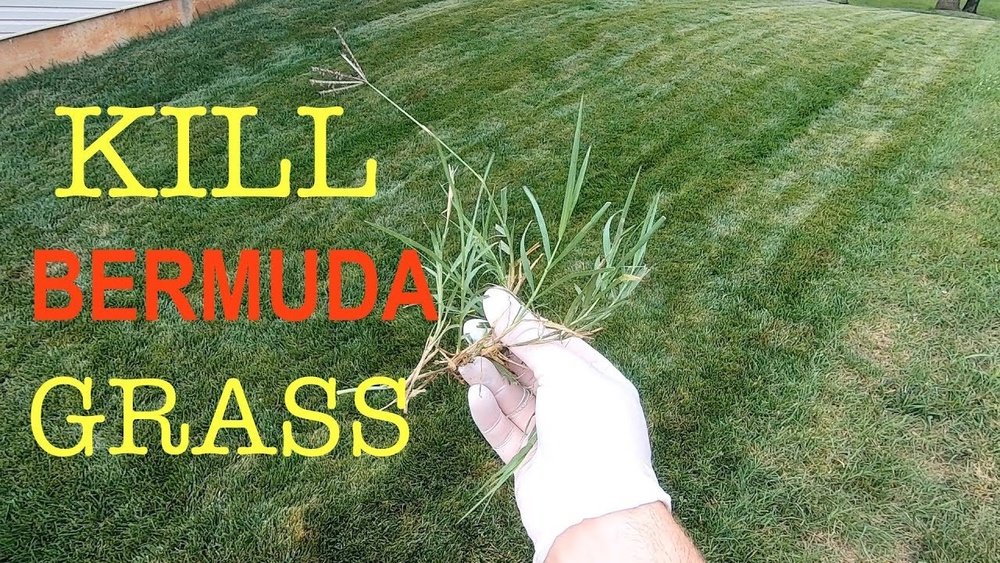
Bermuda grass is tough to kill due to its deep roots and rapid spreading through runners. The most effective way to eradicate it quickly is using non-selective herbicides combined with thorough removal of roots and runners. Consistent treatment and monitoring are key to stopping it from coming back.
Are you struggling to get rid of Bermuda grass that just won’t quit? You’re not alone.
This tough, fast-growing grass can take over your lawn or garden, making it hard to grow the plants you want. But what if you knew exactly what kills Bermuda grass for good? You’ll discover simple, effective ways to stop Bermuda grass in its tracks.
Keep reading, and you’ll learn how to reclaim your yard without wasting time or money on methods that don’t work. Your perfect lawn starts here.
Credit: gregalder.com
Why Bermuda Grass Is Hard To Kill
Bermuda grass is one of the toughest grasses to get rid of. It spreads fast and grows back quickly. Many people find it hard to control or kill this grass once it takes over. Understanding why Bermuda grass is so hard to kill helps in managing it better.
Growth Patterns
Bermuda grass grows through both seeds and runners. These runners, called stolons and rhizomes, spread across the soil surface and below ground. They create a dense network that helps the grass cover large areas fast. Even small pieces of the grass left in soil can grow into new plants. This makes it hard to remove completely.
Resilience Factors
Bermuda grass tolerates heat and drought very well. It can survive in poor soil and still grow strong. The grass stores energy in its roots and runners. This stored energy helps it recover after cutting, pulling, or chemical treatments. Its deep root system also protects it from many common control methods.
Identifying Bermuda Grass In Your Yard
Identifying Bermuda grass in your yard is the first step to managing it effectively. This grass grows quickly and spreads fast. Knowing its look and where it usually appears helps you control it better. Spotting Bermuda grass early prevents it from taking over your lawn.
Visual Characteristics
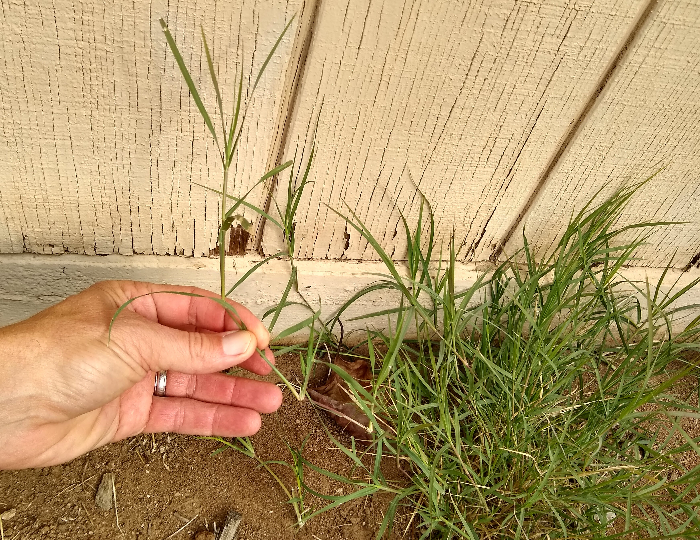
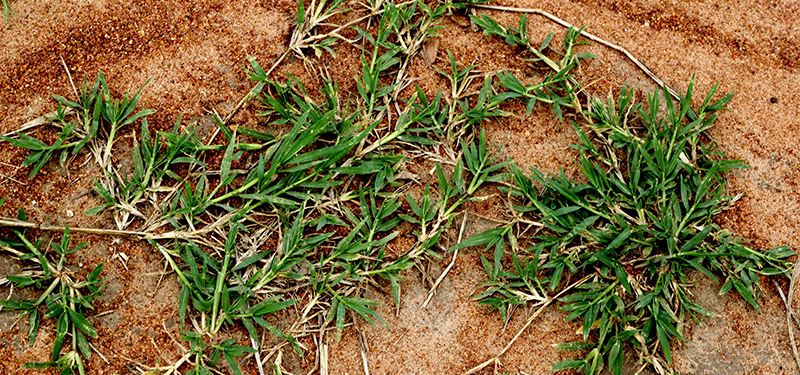
Bermuda grass has thin, green blades. The leaves are rough and pointed at the tip. It grows low to the ground and forms dense mats. The grass spreads through above-ground runners called stolons and underground stems called rhizomes. These features help it cover large areas quickly. In summer, Bermuda grass turns bright green. It may produce seed heads with small spikes.
Common Locations
Bermuda grass grows well in warm climates. It often appears in lawns, sports fields, and golf courses. It thrives in full sun and dry soil. You might find it in patches along driveways, sidewalks, or garden beds. It can also invade flower beds and vegetable gardens. This grass does not do well in shade or very wet areas.
Chemical Methods To Eradicate Bermuda Grass
Chemical methods provide effective ways to kill Bermuda grass. These methods use specific herbicides to control or remove this tough grass from lawns or gardens. Chemicals can target Bermuda grass without harming other plants or kill all vegetation in the area.
Choosing the right chemical method depends on your goals and the area affected. Understanding different herbicides helps in making the best choice to remove Bermuda grass efficiently.
Selective Herbicides
Selective herbicides kill Bermuda grass but leave other plants safe. They work by targeting the grass’s specific biology. These herbicides are useful in mixed lawns with other grasses. They help control Bermuda grass without damaging desirable plants. Use selective herbicides carefully and follow the instructions on the label.
Non-selective Herbicides
Non-selective herbicides kill all plants they touch. They are strong and effective against Bermuda grass. These chemicals clear large areas quickly. Use non-selective herbicides in spots where no plants should grow. Be cautious; they can harm nearby plants or grass. Always apply carefully to avoid unwanted damage.
Application Tips
Apply herbicides on dry, calm days for best results. Avoid spraying before rain to prevent wash-off. Use protective gear like gloves and masks during application. Follow the recommended amount to avoid harming the environment. Repeat treatments may be necessary for complete Bermuda grass removal. Always read and follow product instructions carefully.
Credit: www.agsod.com
Natural Ways To Kill Bermuda Grass
Natural ways to kill Bermuda grass work without harsh chemicals. These methods are safe for your garden and environment. They require patience but give lasting results.
Solarization Techniques
Solarization uses the sun to kill Bermuda grass. Cover the area with clear plastic sheets. The sun heats the soil beneath the plastic. This heat kills grass roots and seeds. Leave the plastic for four to six weeks. This method works best in hot, sunny weather.
Vinegar And Salt Solutions
Vinegar and salt can kill Bermuda grass naturally. Mix one gallon of vinegar with one cup of salt. Add a tablespoon of liquid soap to help it stick. Spray this solution directly on the grass. Avoid spraying on plants you want to keep. Repeat as needed for full control.
Manual Removal
Manual removal means pulling out Bermuda grass by hand. Use a garden fork or shovel to loosen roots. Pull out all roots and runners to stop regrowth. This method is labor-intensive but effective. Best done after watering to soften the soil. Remove all pieces to prevent spreading.
Preventing Bermuda Grass From Returning
Stopping Bermuda grass from growing back takes effort and care. This grass spreads quickly through roots and seeds. Controlling it means managing your soil, taking care of your lawn regularly, and choosing the right grass to plant.
Soil Management
Healthy soil helps grass grow strong and blocks unwanted plants. Test your soil to check its pH and nutrients. Add lime or fertilizer based on the test results. Good soil stops Bermuda grass from taking over your yard.
Regular Lawn Maintenance
Cut your grass often to keep it short and healthy. Remove weeds and dead grass quickly. Water your lawn deeply but less often to encourage strong roots. These steps make it hard for Bermuda grass to survive.
Alternative Grass Options
Choose grasses that grow well in your area and resist Bermuda grass. Tall fescue, St. Augustine, or Zoysia grass are good choices. Planting the right grass helps keep Bermuda grass away for good.
Common Mistakes To Avoid
Getting rid of Bermuda grass is not easy. Many people make mistakes that slow down the process or fail completely. Avoiding these common errors helps kill Bermuda grass faster and keeps your lawn healthy. Understanding these pitfalls saves time and effort.
Incomplete Removal
Leaving parts of Bermuda grass behind allows it to grow back quickly. Roots and runners spread underground. Simply cutting the grass is not enough. Dig out the roots and remove all runners. This stops Bermuda grass from returning.
Incorrect Herbicide Use
Using the wrong herbicide wastes money and harms the lawn. Select herbicides labeled for Bermuda grass control. Apply them at the right time and in the right amount. Overuse can damage other plants. Follow all instructions carefully for best results.
Ignoring Lawn Health
Weak lawn areas invite Bermuda grass to take over. Healthy grass competes better with weeds. Water, fertilize, and mow your lawn properly. Fix bare spots quickly. A strong lawn reduces Bermuda grass chances to spread.

Credit: www.youtube.com
Frequently Asked Questions
What Herbicides Effectively Kill Bermuda Grass?
Selective herbicides containing glyphosate or quinclorac work well. Apply according to label instructions for best results. Repeat treatments may be needed to fully eliminate Bermuda grass.
Can Natural Methods Kill Bermuda Grass Permanently?
Natural methods like solarization and vinegar can weaken Bermuda grass. However, these methods are less effective for complete, permanent removal. Combining natural and chemical methods offers better control.
How Long Does It Take To Kill Bermuda Grass?
Killing Bermuda grass typically takes several weeks to months. Herbicide effects appear within days, but full eradication requires persistence and multiple treatments over time.
Is Bermuda Grass Resistant To Common Weed Killers?
Yes, Bermuda grass can be resistant to some weed killers. Using herbicides specifically labeled for Bermuda grass improves success. Always follow product guidelines to avoid resistance.
Conclusion
Controlling Bermuda grass needs patience and the right methods. Use herbicides carefully to avoid harming other plants. Regular mowing and watering help keep it under control. Removing roots and rhizomes stops it from growing back. Combining different approaches works best to kill Bermuda grass.
Stay consistent, and your lawn will improve over time. Remember, persistence pays off with tough grass like Bermuda.
