
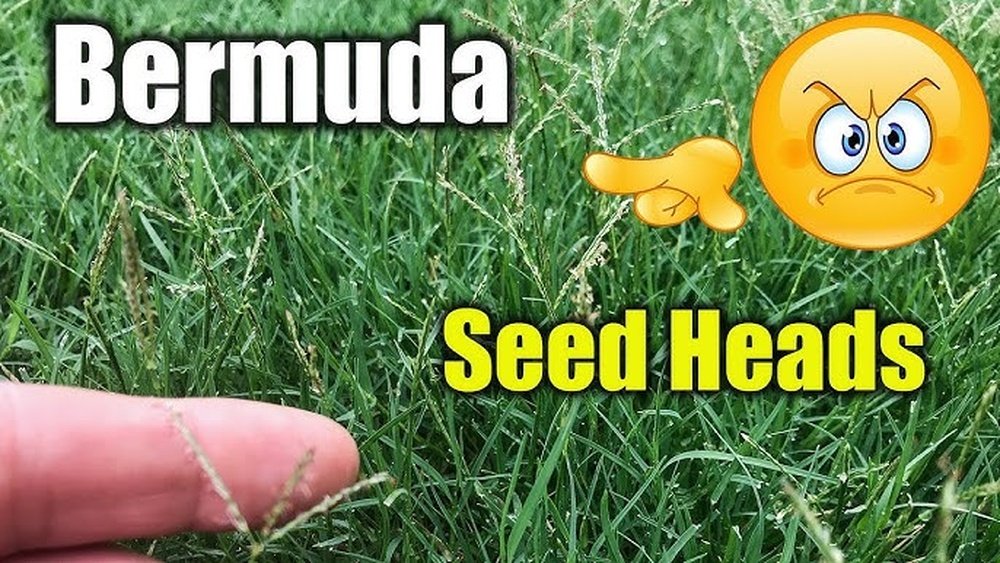
Have you ever wondered what Bermuda grass seed looks like before it grows into that lush, green lawn you admire? Knowing what to expect can make all the difference when you’re planting or maintaining your yard.
If you want to make sure you’re choosing the right seed and giving your grass the best start, understanding its appearance is key. Keep reading, and you’ll discover exactly how Bermuda grass seed looks, so you can feel confident in your lawn care decisions.

Credit: www.youtube.com
Bermuda Grass Seed Basics
Bermuda grass seed is a popular choice for lawns and sports fields. Knowing what the seed looks like helps in planting and care. The basics of Bermuda grass seed include its size, shape, color, and texture. Understanding these traits makes it easier to identify and handle the seeds.
Seed Size And Shape
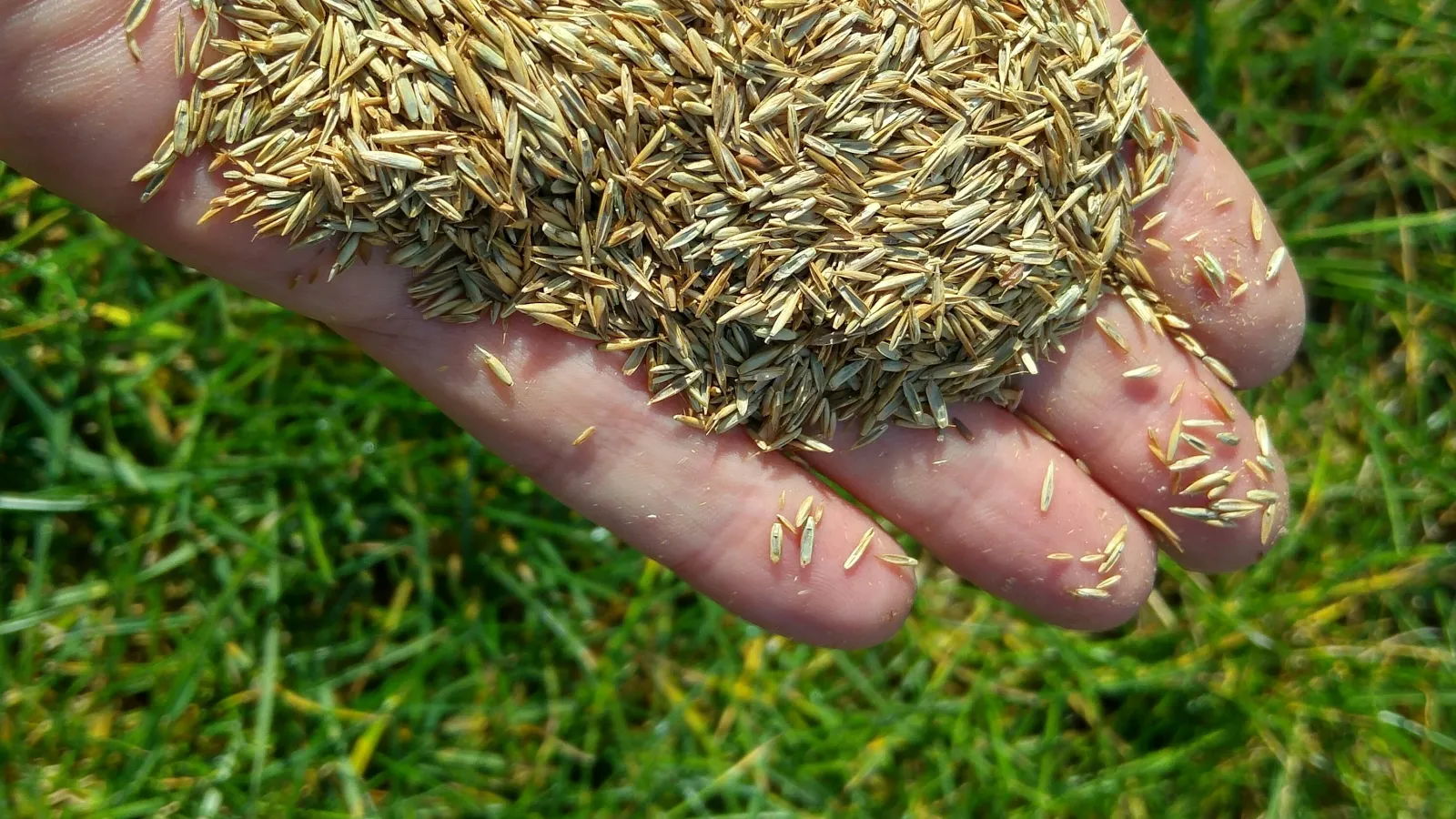
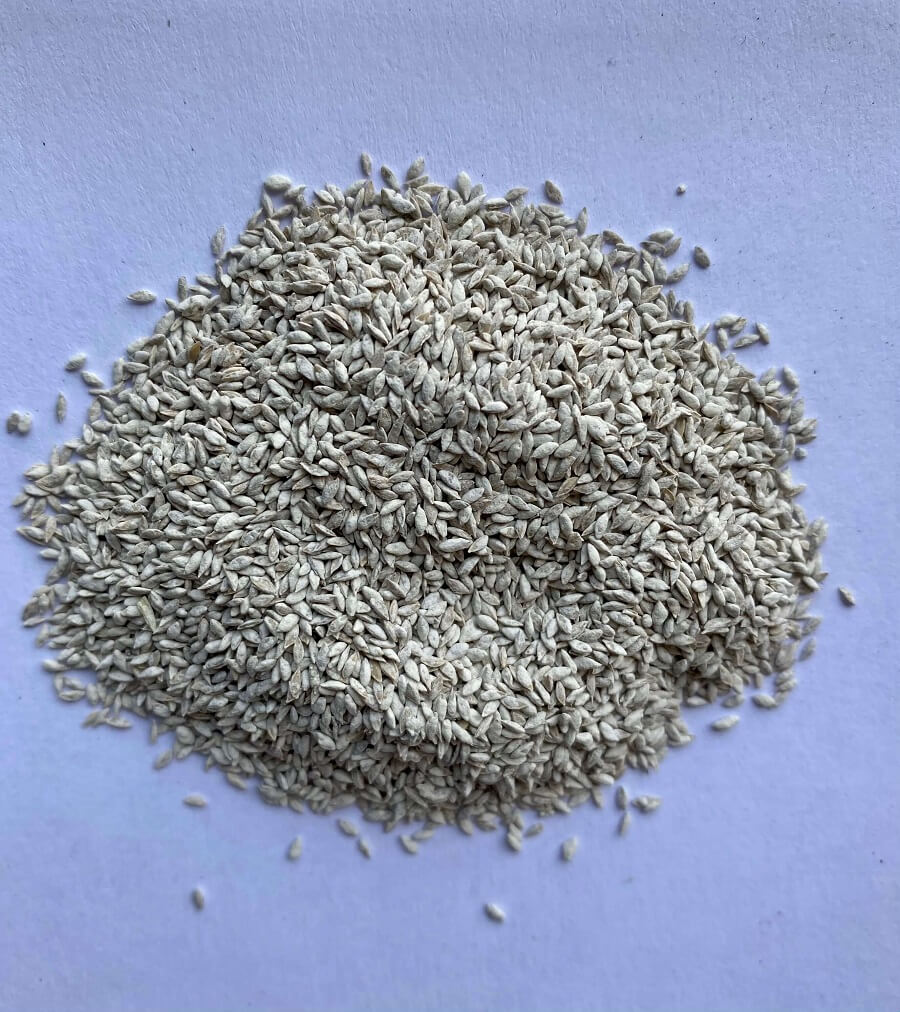
Bermuda grass seeds are small and narrow. Each seed is about 1 to 2 millimeters long. They have an oval shape with a slight point at one end. This shape helps the seed fit into the soil easily for better growth.
Color Variations
The color of Bermuda grass seeds varies from light tan to dark brown. Some seeds may appear almost golden. These color changes depend on the seed’s maturity and drying process. The color helps in identifying good quality seeds.
Texture And Surface
Bermuda grass seeds have a smooth surface. They feel firm but not hard to the touch. Sometimes, tiny ridges run along the seed’s length. This texture helps protect the seed and aids in water absorption.
Comparing Bermuda Grass Seeds
Comparing Bermuda grass seeds with other types helps you understand their unique traits. This knowledge guides you in choosing the right seed for your lawn or garden. Bermuda grass seeds have specific features that set them apart from other grass seeds. Recognizing these differences ensures better growth and care.
Differences From Other Grass Seeds
Bermuda grass seeds are small and round, usually light brown or tan. They are smaller than many common grass seeds like fescue or ryegrass. Their size allows them to spread quickly and cover ground fast. The texture is smooth, unlike some rough or hairy seeds from other grasses. Bermuda seeds need warm soil to grow well, unlike cool-season grasses. Their color and shape help identify them easily in a mix.
Common Seed Confusions
Some grass seeds look similar to Bermuda grass seeds, causing confusion. Crabgrass seeds are often mistaken for Bermuda because they share size and color traits. However, crabgrass seeds are less round and have a slightly rougher texture. Zoysia grass seeds also resemble Bermuda but are generally larger and darker. Knowing these small differences helps avoid planting the wrong grass. Proper identification saves time and promotes a healthier lawn.
Where To Find Bermuda Grass Seeds
Finding Bermuda grass seeds can be simple with the right information. These seeds are small and unique. Knowing where to find them helps you start a healthy lawn or garden. Seeds are available in nature and stores. Both sources offer different advantages for gardeners.
Natural Growing Conditions
Bermuda grass grows well in warm climates. It thrives in full sunlight and dry soil. Seeds drop naturally from mature grass plants. You can find seeds near old Bermuda grass fields. Collect seeds carefully from these areas. Seeds look tiny, round, and light brown. Nature offers pure, untreated seeds. But collecting seeds takes patience and care.
Seed Packaging And Labels
Seed packages come in various sizes and types. Look for labels that say “Bermuda grass seed.” Labels also show seed purity and germination rate. High-quality seeds have clear packaging and detailed information. Buy seeds from garden centers or online stores. Check the expiration date to ensure freshness. Good packaging protects seeds from moisture and pests. Always choose seeds with clear labels for best results.
Tips For Identifying Quality Seeds
Choosing good Bermuda grass seed is important for a healthy lawn. Quality seeds grow strong and spread well. Poor seeds waste money and time.
Knowing how to spot fresh and undamaged seeds helps in picking the best ones. This guide shares simple ways to check seed quality.
Seed Freshness Indicators
Fresh Bermuda grass seeds look full and firm. They have a smooth outer shell without cracks. Seeds that feel soft or shriveled may be old or weak.
Check the color. Fresh seeds often have a light tan or brown shade. Dull or faded seeds might be past their prime. A good seed bag also shows a recent harvest date.
Avoiding Damaged Seeds
Damaged seeds reduce the chance of healthy growth. Avoid seeds with visible cracks or holes. Insects or pests may cause these defects.
Look for signs of mold or discoloration. Dark spots or powdery residue indicate damage. Seeds free from debris and dust usually perform better.
Using Bermuda Grass Seeds Successfully
Using Bermuda grass seeds successfully requires careful attention and proper care. This grass type grows well in warm climates and needs the right conditions to thrive. Planting and caring for the seeds correctly helps create a thick, healthy lawn.
Planting Techniques
Choose a sunny area for planting Bermuda grass seeds. The soil should be loose and well-drained. Clear the area of weeds and debris before planting. Spread the seeds evenly across the soil surface. Lightly rake the seeds into the soil, about 1/8 inch deep. Water the area gently but thoroughly after planting. Keep the soil moist during the first weeks. Avoid heavy foot traffic on the seeded area.
Germination Expectations
Bermuda grass seeds usually start to sprout in 7 to 14 days. Warm soil temperatures between 70°F and 95°F help quick germination. Cooler soil slows down seed growth. Expect full coverage in 6 to 8 weeks with good care. Keep watering regularly to prevent dry soil. Watch for thin patches and reseed if needed. Patience is key for a strong Bermuda grass lawn.
Credit: turfmasterslawncare.com
Credit: www.johnstonseed.com
Frequently Asked Questions
What Does Bermuda Grass Seed Look Like?
Bermuda grass seed is small, oval, and smooth. It is light brown or tan in color. The seeds are about 1/16 inch long. Their size and shape help them blend into soil easily. This makes them ideal for quick germination.
How Can I Identify Bermuda Grass Seed?
Look for tiny, oval, light brown seeds. They have a smooth surface and a slightly pointed tip. Their small size distinguishes them from other grass seeds. These features make Bermuda grass seed unique and easy to identify.
When Is The Best Time To Plant Bermuda Grass Seed?
The best time to plant Bermuda grass seed is late spring to early summer. Soil temperatures should be between 65°F and 70°F. Warm soil helps seeds germinate quickly. Planting during this time ensures healthy growth and a lush lawn.
How Fast Do Bermuda Grass Seeds Germinate?
Bermuda grass seeds typically germinate within 7 to 14 days. Warm soil and adequate moisture speed up the process. Proper care during this time ensures strong seedlings. Quick germination helps establish a dense and healthy lawn.
Conclusion
Bermuda grass seed looks small and thin, with a light brown color. You can spot its shape easily if you know what to expect. Knowing how it looks helps in planting and caring for your lawn. It grows fast in warm places and stays green most of the year.
This grass is popular for yards and sports fields. Remember, good seeds lead to a healthy lawn. Take time to pick quality seeds and watch your grass grow strong. Simple steps make a big difference in your garden’s success.
