

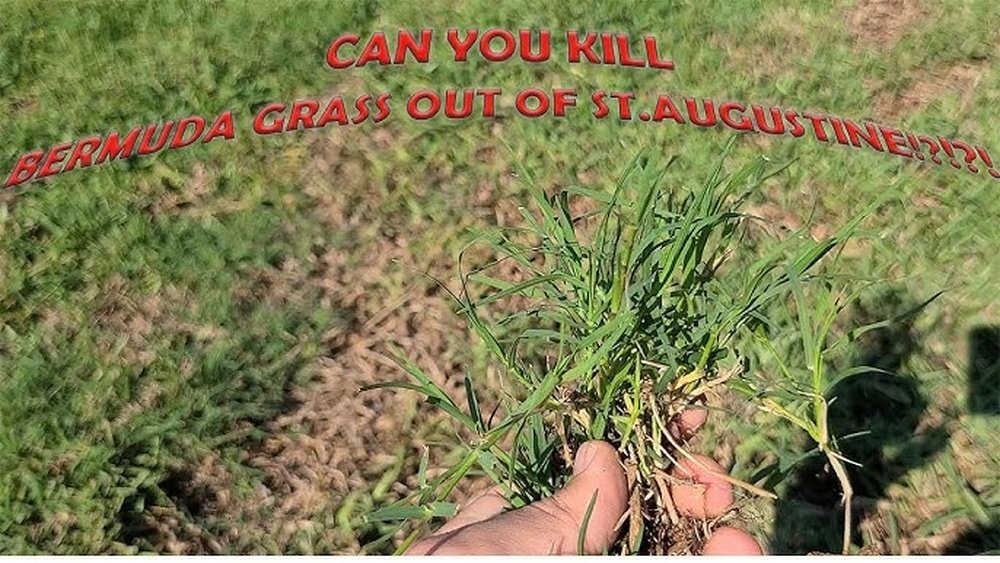
To get rid of Bermuda grass in your St. Augustine lawn, start by identifying it correctly and then use targeted herbicides or manual removal methods. Consistent treatment is key because Bermuda grass spreads aggressively through runners and underground stems, making it tough to eliminate with regular lawn care alone.
Are you struggling to keep Bermuda grass from taking over your St. Augustine lawn? You’re not alone.
Bermuda grass can be tough to control, spreading quickly and choking out the grass you actually want. But don’t worry—there are proven ways to tackle this stubborn weed and restore your yard to its lush, green glory. You’ll discover simple, effective steps to get rid of Bermuda grass for good.
Keep reading and take back your lawn!

Credit: www.youtube.com
Identifying Bermuda Grass In St Augustine Lawns
Identifying Bermuda grass in St Augustine lawns is the first step to controlling its spread. Bermuda grass can invade lawns quickly, choking out the desired St Augustine grass. Spotting the differences helps homeowners take the right action early. Knowing what to look for saves time and effort.
Recognize the unique traits of Bermuda grass to separate it from St Augustine. The two grasses look similar but have clear differences. Understanding these details makes lawn care simpler and more effective.
Key Characteristics Of Bermuda Grass
Bermuda grass has thin, fine blades that grow in dense mats. The color is usually bright green and stays vibrant in warm weather. It spreads by runners called stolons and underground stems called rhizomes. This makes Bermuda grass spread fast and cover large areas.
The leaves are pointed and rough to the touch. Bermuda grass grows low and forms a tight carpet. It produces seed heads with slender spikes during the growing season. These features help in spotting Bermuda grass quickly.
Differences Between Bermuda And St Augustine Grass
St Augustine grass has wider, flat blades that feel soft. The color is darker green compared to Bermuda. It grows in clumps rather than spreading by runners. St Augustine grass also has a coarser texture.
Bermuda grass looks finer and spreads more aggressively. St Augustine prefers shade and grows well in coastal regions. Bermuda thrives in full sun and dry soil conditions. These traits make it easier to tell them apart in your lawn.
Why Bermuda Grass Is A Problem
Bermuda grass can be a big problem for St. Augustine lawns. It spreads fast and takes over areas meant for other grasses. This invasive nature causes issues for homeowners who want a healthy, green lawn. Understanding why Bermuda grass is a problem helps in managing it better. The following points explain its impact on lawn health and challenges in lawn care.
Impact On Lawn Health
Bermuda grass competes with St. Augustine grass for water and nutrients. It grows quickly and crowds out the slower St. Augustine grass. This competition weakens the main lawn grass and makes it less healthy. Bermuda grass also changes the soil conditions, which harms St. Augustine roots. Over time, the lawn looks patchy and uneven. This decline in health reduces the lawn’s beauty and strength.
Challenges In Lawn Maintenance
Bermuda grass is hard to control because it spreads through underground stems. These stems break easily, letting the grass regrow after cutting or digging. It needs special herbicides to remove it without harming St. Augustine grass. Regular mowing and watering may not stop its spread. Many homeowners spend extra time and money fighting this persistent weed. Lawn care becomes more complicated and less effective with Bermuda grass present.
Manual Removal Techniques
Manual removal techniques help control Bermuda grass in St Augustine lawns. These methods need effort but work well without chemicals. Removing the grass by hand or with tools stops it from spreading. Patience and careful work give the best results. Below are simple ways to remove Bermuda grass manually.
Hand Pulling And Digging Out
Start by pulling out small patches of Bermuda grass by hand. Grab the grass near the roots for better removal. Wet soil makes pulling easier and reduces root breakage. Digging out the grass with a small shovel or trowel helps remove deep roots. Removing roots is important to prevent the grass from growing back. Collect all pulled grass and roots to stop regrowth.
Using Tools For Effective Removal
Use garden forks or hoes to loosen the soil around Bermuda grass. This loosens the roots and makes them easier to pull out. A spade or shovel can remove larger patches quickly. For tough areas, a mattock helps break hard soil and roots. Work carefully to avoid damaging nearby plants. Regularly check the area and remove new shoots by hand or tools.

Credit: thelawncarenut.com
Chemical Control Options
Chemical control is a common method to remove Bermuda grass from St. Augustine lawns. Herbicides can target Bermuda grass without harming St. Augustine. Choosing the right chemical helps keep your lawn healthy. Careful use prevents damage to other plants.
This section explains the best herbicides and how to apply them safely. Follow instructions closely for good results.
Selective Herbicides For Bermuda Grass
Selective herbicides kill Bermuda grass but leave St. Augustine grass unharmed. Products with active ingredients like MSMA or Sethoxydim work well. These herbicides attack Bermuda grass roots and shoots effectively. Choose a herbicide labeled for use on St. Augustine lawns. Avoid broad-spectrum herbicides that harm all grass types.
Check local regulations before buying herbicides. Some chemicals may be restricted in your area.
Application Tips And Safety Measures
Apply herbicides on a calm, dry day. Wind or rain can reduce effectiveness and spread chemicals to unwanted areas. Use protective gloves and clothing during application to avoid skin contact. Follow all label directions for mixing and spraying.
Water your lawn lightly before application. This helps herbicides absorb better into Bermuda grass. Avoid mowing your lawn for a few days after treatment. This gives the herbicide time to work deeply.
Store herbicides in a cool, dry place away from children and pets. Dispose of empty containers according to local laws.
Improving Lawn Conditions To Prevent Bermuda
Improving lawn conditions is key to stopping Bermuda grass from spreading in St Augustine. Healthy grass grows thick and strong. It leaves less space for Bermuda to take over. Good lawn care helps your St Augustine grass compete better.
Focus on care steps that support St Augustine grass. Proper mowing and good soil health make a big difference. These simple actions keep your lawn healthy and reduce Bermuda grass problems.
Proper Mowing Practices
Mow your St Augustine grass at the right height. Set your mower blade between 2.5 and 4 inches. Cutting too short stresses the grass. It weakens the lawn and helps Bermuda grass spread.
Keep mower blades sharp for clean cuts. Dull blades tear grass, causing damage. Mow often enough to avoid cutting more than one-third of the grass blade. This keeps grass healthy and strong.
Fertilization And Soil Care
Test your soil to know what it needs. St Augustine grass prefers soil with a pH of 6 to 7. Add lime or sulfur to adjust soil pH if needed.
Use a balanced fertilizer made for St Augustine grass. Feed your lawn during its growing season. Avoid over-fertilizing, as it can harm grass and invite Bermuda grass.
Water deeply but less often. This encourages deep roots and stronger grass. Well-maintained soil and proper feeding keep St Augustine grass thick and healthy.

Credit: www.reddit.com
Alternative Treatments And Natural Remedies
Alternative treatments and natural remedies offer safe ways to control Bermuda grass in St Augustine lawns. These methods avoid harsh chemicals and protect your soil and plants. They work by using natural processes or organic products to weaken or kill Bermuda grass. You can try these options if you want an eco-friendly approach.
Solarization Method
Solarization uses the sun’s heat to kill Bermuda grass seeds and roots. Cover the affected area with clear plastic sheets during hot months. The sun heats the soil under the plastic, reaching temperatures that destroy grass growth. Keep the plastic in place for 4 to 6 weeks. This method also helps reduce weeds and pests naturally. It is safe and chemical-free, perfect for home gardens.
Organic Herbicide Solutions
Organic herbicides contain natural ingredients to control Bermuda grass. Products with vinegar, clove oil, or citric acid can burn and kill grass blades. Apply these carefully to avoid harming your St Augustine grass. Repeat treatments may be needed to weaken Bermuda grass fully. These herbicides break down quickly and do not leave harmful residues. They offer a gentle way to manage invasive grass without chemicals.
When To Seek Professional Help
Dealing with Bermuda grass in your St. Augustine lawn can be tough. Sometimes, the problem gets worse despite your best efforts. That is the moment to think about professional help. Experts have the tools and knowledge to handle stubborn Bermuda grass. They can save your lawn and time.
Knowing when to call a professional is important. It prevents further damage and reduces stress. Professionals use safe, effective methods to remove Bermuda grass. They also protect your St. Augustine grass from harm. This section explains when to seek expert help and how to choose the right service.
Signs You Need Expert Assistance
Bermuda grass grows fast and spreads easily. If you see it coming back after treatment, get help. Large patches that keep growing mean you need experts. If your lawn looks uneven or damaged from DIY attempts, call a pro. Chemicals used incorrectly can harm your St. Augustine grass. Professionals know safe treatments that work.
Also, if you feel overwhelmed or unsure about treatments, seek help. Experts can diagnose the problem quickly. They offer solutions suited to your lawn’s condition. Early help stops Bermuda grass from taking over your yard.
Choosing The Right Lawn Care Service
Pick a company with experience in St. Augustine lawns. They understand the difference between Bermuda and St. Augustine grass. Check if the service uses eco-friendly and safe herbicides. Ask about their methods to control Bermuda grass. Good services provide clear plans and costs upfront.
Look for reviews and recommendations from other homeowners. A reliable company will have satisfied customers. Confirm they offer follow-up visits to monitor your lawn. Consistent care ensures Bermuda grass stays gone. Choose a service that communicates well and answers your questions.
Frequently Asked Questions
How Can I Identify Bermuda Grass In St Augustine Lawns?
Bermuda grass has fine blades and spreads quickly via runners. It often appears lighter green than St Augustine grass. Its aggressive growth can crowd out desirable grass, making identification essential for proper control and removal.
What Is The Best Herbicide For Bermuda Grass Removal?
Selective herbicides containing glyphosate or fluazifop are effective against Bermuda grass. Always follow label instructions carefully to avoid damaging St Augustine grass. Spot treatment and repeated applications may be necessary for full eradication.
Can Bermuda Grass Be Removed Naturally Without Chemicals?
Yes, natural methods include solarization by covering infested areas with clear plastic to kill Bermuda grass. Regular mowing and manual removal can also help, but these methods require patience and persistence for effective control.
How Long Does It Take To Remove Bermuda Grass Completely?
Complete removal can take several weeks to months depending on infestation severity. Multiple treatments and consistent lawn care are crucial. Patience and proper maintenance help prevent Bermuda grass from returning.
Conclusion
Removing Bermuda grass from St. Augustine requires patience and care. Use the right herbicides and follow the steps carefully. Regular mowing and watering help St. Augustine stay strong. Keep checking your lawn to catch any Bermuda grass early. Clear weeds quickly to prevent spreading.
A healthy lawn looks great and feels soft. Stay consistent, and your yard will improve over time. Small efforts lead to big changes in lawn health. Your garden deserves attention and good care every day.
