

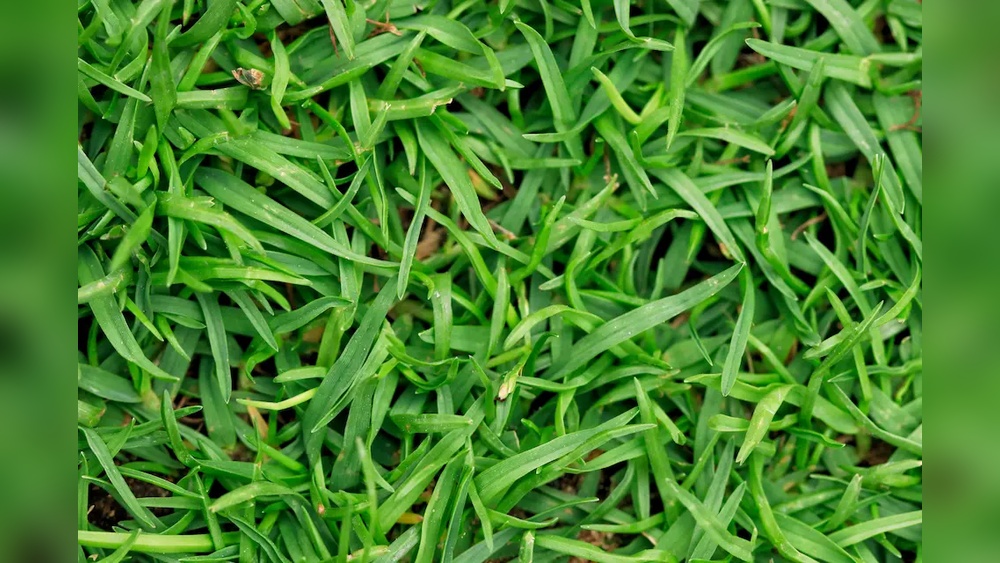
The best time to seed Bermuda grass in North Carolina is late spring to early summer, once soil temperatures consistently reach around 65°F. This warm period ensures quick germination and strong root growth, helping the grass establish well before cooler weather arrives. Avoid seeding too early to prevent frost damage.
Are you thinking about planting Bermuda grass in your North Carolina yard but unsure when the best time is to seed? Timing can make all the difference between a lush, green lawn and a patchy, struggling one.
Getting it right means your grass will grow strong, healthy, and beautiful through the seasons. You’ll discover exactly when to seed Bermuda grass in NC, so you can enjoy a vibrant lawn that stands out. Keep reading to learn the simple steps that will help you achieve the yard you’ve always wanted.

Credit: experigreen.com
Bermuda Grass Basics
Bermuda grass is a popular choice for lawns in North Carolina. It grows well in warm climates and handles heat and drought with ease. This grass type creates a thick, green carpet that looks great all summer long.
Understanding the basics of Bermuda grass helps you grow a healthy lawn. Knowing its traits and benefits guides you on the best time to seed and care for it.
Characteristics Of Bermuda Grass
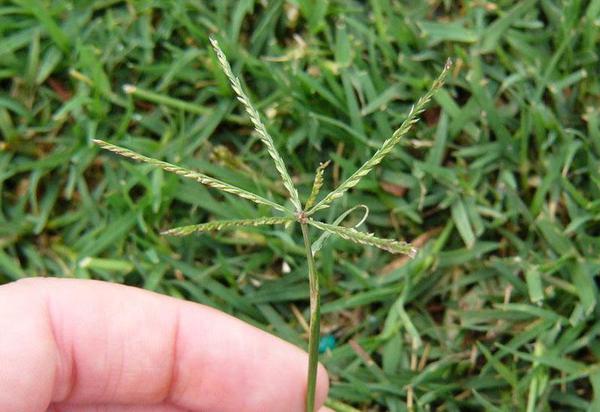
Bermuda grass has fine, soft blades that spread quickly. It grows best in full sun and warms soil. This grass recovers fast from wear and tear. It goes dormant and turns brown in cold weather. Bermuda grass spreads through underground stems called rhizomes. This helps it fill bare spots fast. It requires regular mowing to keep neat and healthy.
Benefits Of Growing Bermuda Grass In Nc
Bermuda grass uses water efficiently, saving water in dry months. It stands up well to heavy foot traffic. This makes it perfect for busy yards and sports fields. The grass resists many common lawn diseases in North Carolina. It also handles the hot summers better than many grasses. Bermuda grass keeps soil from washing away after rain. It provides a soft, green space for outdoor fun all season.
Credit: content.ces.ncsu.edu
Ideal Climate For Seeding
Bermuda grass grows best in warm weather. Choosing the right time to seed depends on the climate. North Carolina has a mix of temperatures and soil types. Knowing the ideal climate helps your Bermuda grass start strong. It ensures healthy growth and less trouble later.
Temperature Requirements
Bermuda grass seeds need warm soil to sprout. The soil temperature should be at least 65°F. The best time is late spring to early summer. Daytime air temperatures around 80°F to 95°F are ideal. Cool temperatures slow seed germination and growth. Cold weather can kill young grass plants. Warm weather encourages fast and strong root development.
Soil Conditions In North Carolina
North Carolina soils vary from sandy to clay. Bermuda grass prefers well-drained, sandy loam soils. The soil should not stay wet for long. Excess moisture can cause seed rot. The pH level should be between 5.8 and 7.0. Testing soil before seeding helps adjust nutrients. Fertile soil boosts seedling health and growth speed. Proper soil preparation ensures good seed-to-soil contact.
Best Time To Seed Bermuda Grass
Choosing the best time to seed Bermuda grass in North Carolina is key for a healthy lawn. Timing affects seed growth and lawn strength. Planting at the right time helps seeds sprout quickly and survive harsh weather. Understanding the local climate and soil conditions can guide the best seeding schedule.
Spring Seeding Window
Spring is a popular time to seed Bermuda grass in North Carolina. The soil warms up, which helps seeds germinate fast. Ideal temperatures range from 65 to 85 degrees Fahrenheit. Seeding too early risks frost damage to young grass. Aim to seed after the last frost date, usually late March to early April. Spring seeding allows the grass to establish before hot summer months.
Fall Seeding Considerations
Fall seeding can work but requires caution. Soil remains warm, supporting seed germination until mid-September. Cooler temperatures slow seed growth after mid-October. Early fall seeding offers a chance for roots to grow before winter. Avoid seeding too late to prevent seedlings from freezing. Fall seeding may need extra care to protect young grass from cold weather.
Preparing Your Lawn For Seeding
Preparing your lawn for seeding is a key step to grow healthy Bermuda grass in North Carolina. It sets the stage for strong roots and thick grass. Taking time now saves effort later. Follow simple steps to get your soil and lawn ready.
Soil Testing And Amendments
Start with a soil test to check pH and nutrient levels. Bermuda grass prefers a pH between 5.8 and 7.0. Testing shows what your soil needs. Add lime if the soil is too acidic. Use fertilizer to supply missing nutrients. Work amendments into the soil for best results. This helps seeds sprout and grow strong.
Clearing And Leveling The Area
Remove old grass, weeds, and debris from the lawn area. Clear soil gives seeds a good place to settle. Level the ground to avoid puddles and uneven growth. Use a rake or lawn roller for smooth soil. A flat surface helps water spread evenly. This step improves seed contact with soil and boosts germination.
Seeding Techniques
Seeding Bermuda grass in North Carolina requires careful techniques. Proper seeding helps grass grow strong and healthy. The right method improves seed contact with soil. It also ensures good germination and even coverage. Follow these simple steps for better results.
Choosing The Right Seed
Select Bermuda grass seed adapted to North Carolina’s climate. Use high-quality seed with high germination rates. Certified seed reduces weed and disease problems. Choose seed with a mix of varieties for durability. Fresh seed gives better growth and quicker germination.
Methods For Even Seed Distribution
Spread seed evenly to avoid bare spots. Use a broadcast spreader for large areas. Hand spreading works for small or irregular spaces. Apply seed in two directions, like a cross pattern. Lightly rake soil to cover seed with a thin layer. Water gently after seeding to keep soil moist.
Post-seeding Care
After seeding Bermuda grass in North Carolina, proper care is crucial. The right steps help young grass grow strong and healthy. This section covers essential tips to keep your lawn thriving after planting.
Watering Schedule
Water the new seeds lightly but often. Keep the soil moist but not soaked. Water 2 to 3 times daily for the first two weeks. Gradually reduce frequency as grass sprouts. Deep watering once or twice a week helps roots grow strong.
Fertilization Tips
Use a starter fertilizer with nitrogen and phosphorus. Apply it right after seeding for best results. Avoid over-fertilizing, as it can harm young grass. Follow package instructions carefully. Fertilize again 4 to 6 weeks later to support growth.
Weed And Pest Management
New grass is vulnerable to weeds and pests. Remove weeds by hand to avoid disturbing seedlings. Avoid using harsh herbicides until grass is well established. Monitor for pests like grubs and treat quickly if needed. Healthy grass resists weeds and insects better.
Common Mistakes To Avoid
Seeding Bermuda grass in North Carolina needs care and attention. Many make common mistakes that slow grass growth. Avoid these errors to give your lawn the best start. Here are two frequent mistakes to watch for.
Seeding Too Early Or Late
Planting Bermuda grass seed too early means cold soil. Cold soil stops seed from sprouting well. Seeds may rot or stay dormant for weeks. Seeding too late leaves little time to grow. Grass struggles before cooler weather arrives. Aim to seed when soil temperature stays above 65°F. This helps seeds germinate and grow fast.
Overwatering Or Underwatering
Water is key for new seeds. Too much water drowns seeds and causes fungus. Too little water dries seeds out. They fail to sprout or grow weak. Keep soil moist but not soggy. Water lightly several times a day at first. As grass grows, water less often but deeper. Proper watering helps roots grow strong and healthy.
Credit: www.trianglelawns.com
Frequently Asked Questions
When Is The Best Time To Seed Bermuda Grass In Nc?
The best time to seed Bermuda grass in NC is late spring to early summer. Soil temperatures should be consistently above 65°F. This timing promotes strong germination and growth before the intense heat of summer arrives.
How Long Does Bermuda Grass Take To Germinate In Nc?
Bermuda grass usually takes 7 to 14 days to germinate in NC. Warm soil and proper moisture speed up this process. Consistent watering is key during this period to ensure healthy seedling development.
Can Bermuda Grass Be Seeded In Fall In North Carolina?
Seeding Bermuda grass in fall is not ideal in NC. Cooler temperatures slow germination and growth. It’s best to seed in late spring or early summer for optimal results.
What Soil Preparation Is Needed Before Seeding Bermuda Grass?
Proper soil preparation includes removing debris, tilling, and leveling the soil. Adding fertilizer and ensuring good drainage improves seed-to-soil contact. This boosts Bermuda grass seed germination and healthy root development.
Conclusion
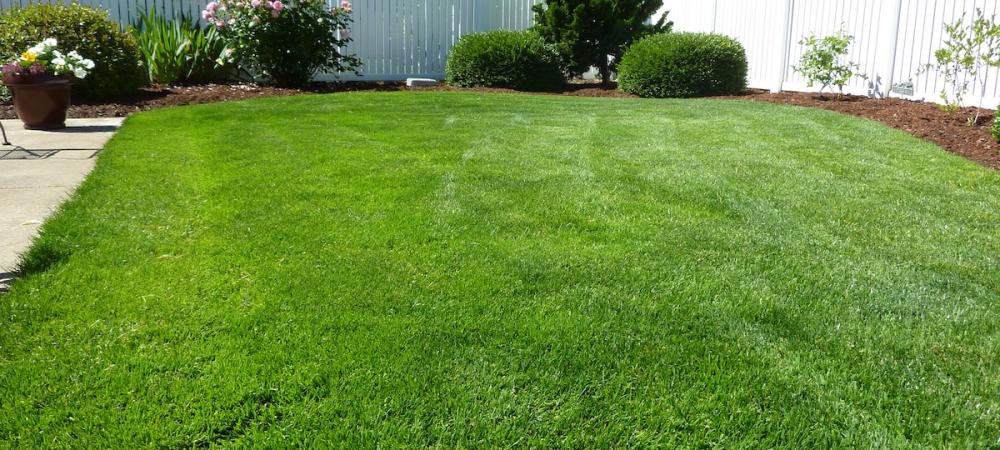
Seeding Bermuda grass in North Carolina works best in late spring. The soil warms up, helping seeds grow fast. Avoid planting too early or late to prevent poor growth. Water regularly and keep the area free of weeds. Patience is key; grass takes time to fill in.
Follow these tips for a healthy, green lawn all summer. Your yard will thank you with thick, vibrant Bermuda grass.
