

In North Carolina, the best time to plant Bermuda grass is from late spring to early summer, typically between May and July. This period ensures the soil is warm enough, above 65°F, allowing the grass to establish strong roots and grow vigorously throughout the season.
Are you ready to give your lawn the lush, green look you’ve always wanted? Knowing exactly when to plant Bermuda grass in North Carolina is the key to achieving a healthy, vibrant yard.
Plant too early or too late, and you might face poor growth or patchy spots. But don’t worry—this guide will help you time it perfectly, so your grass thrives all season long. Keep reading to find out the best planting window and expert tips to make your lawn the envy of your neighborhood.

Credit: lawnlove.com
Bermuda Grass Basics
Bermuda grass is a popular choice for lawns in North Carolina. It grows well in warm weather and handles the hot summers. This grass type has a dense, green look that many homeowners like. It spreads quickly and recovers fast from damage.
Understanding Bermuda grass helps you keep a healthy lawn. It needs proper care, sunlight, and the right time to plant. Knowing its features and benefits guides you to better lawn care.
Key Characteristics
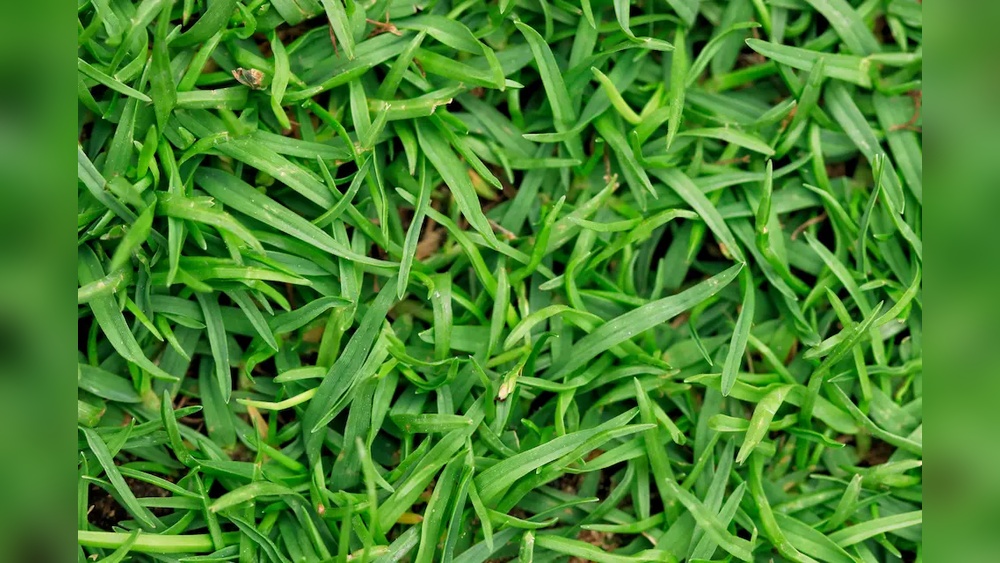
Bermuda grass has fine, soft blades. It grows low to the ground and forms thick mats. This grass likes full sun and does not do well in shade. It handles drought better than many other grasses. Bermuda grass spreads through runners and underground stems. It can fill in bare spots quickly. It turns brown in cold weather but comes back in spring.
Benefits For North Carolina Lawns
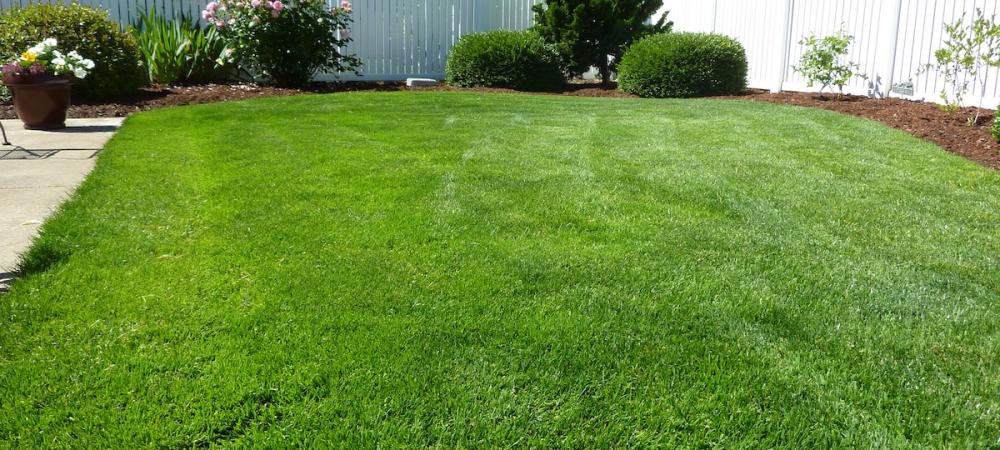
Bermuda grass suits North Carolina’s warm climate well. It stays green longer during the hot months. The grass is tough and can stand heavy foot traffic. It resists many common lawn pests and diseases. This grass uses water efficiently, helping save water. It also needs less fertilizer than some other types. These features make it a smart choice for many homes.

Credit: experigreen.com
Climate Factors In North Carolina
Climate plays a key role in growing Bermuda grass in North Carolina. Understanding local weather helps you choose the best time to plant. The grass thrives in warm, sunny conditions. North Carolina’s climate varies across regions, affecting grass growth. Knowing temperature and rainfall patterns guides successful planting.
Temperature Patterns
Bermuda grass grows best when soil temperatures stay above 65°F. North Carolina’s warm season lasts from late spring to early fall. Winters can be cold, so avoid planting too early. Planting after the last frost protects the young grass. Warm days and nights help the grass establish strong roots. Pay attention to local temperature trends before planting.
Rainfall And Soil Conditions
Consistent rainfall supports Bermuda grass growth in North Carolina. The state receives moderate rain, usually enough for healthy lawns. Well-drained soil prevents water from pooling around roots. Sandy or loamy soils work best for Bermuda grass. Avoid heavy clay soils that hold too much water. Check soil moisture and drainage before planting to ensure success.
Ideal Planting Window
The ideal planting window for Bermuda grass in North Carolina is crucial for a healthy lawn. Planting during this time helps the grass grow strong and green. The right timing avoids stress from cold or dry weather. Understanding the best months and soil conditions ensures good results.
Plant Bermuda grass too early or too late, and it may struggle. The grass needs warm soil to sprout and spread well. Knowing these details helps you plan your planting perfectly.
Best Months To Plant
Plant Bermuda grass from late spring to early summer in North Carolina. May through July is the best time. The weather is warm, and the grass grows quickly. Avoid planting before April or after August. Cooler temperatures slow growth and increase risks of damage.
Soil Temperature Requirements
Bermuda grass needs soil temperatures between 65°F and 70°F to grow well. Use a soil thermometer to check the ground. Planting before the soil warms up can lead to poor germination. Warm soil helps seeds sprout faster and roots develop strong.
Credit: www.trianglelawns.com
Preparing Your Lawn
Preparing your lawn is a key step before planting Bermuda grass in North Carolina. A well-prepared lawn helps grass grow strong and healthy. This step includes checking your soil and making it ready for new grass. It also means clearing the area and fixing any uneven spots.
Soil Testing And Amendments
Start with a soil test to know your soil’s condition. Soil tests show pH levels and nutrient content. Bermuda grass grows best in soil with a pH of 5.8 to 7.0. Use the test results to add needed nutrients. Add lime if the soil is too acidic. Add sulfur if the soil is too alkaline. Mix in fertilizer to boost nitrogen, phosphorus, and potassium. Good soil helps Bermuda grass take root quickly.
Clearing And Leveling
Remove rocks, sticks, and old grass from the lawn area. Clear debris to make planting easier. Level the ground to avoid water pooling. Use a rake or shovel to smooth out bumps and holes. A flat lawn lets water spread evenly. This helps grass roots grow deep. Proper clearing and leveling set the stage for a strong Bermuda lawn.
Planting Methods
Choosing the right planting method for Bermuda grass in North Carolina is key. Each method offers unique benefits and suits different needs and budgets. Understanding these options helps you get a healthy, lush lawn faster.
Planting Bermuda grass can be done by seed, sod, or sprigs. Each method affects how quickly your lawn grows and how much effort you must put in.
Seeding Tips
Seeding is the most affordable way to plant Bermuda grass. Use quality seed for better results. Spread seeds evenly to avoid patchy areas. Lightly rake the soil to cover the seeds. Water gently but often to keep soil moist. Seed takes time to grow but covers large areas easily.
Sodding Techniques
Sodding gives instant green grass. Lay sod pieces tightly together on prepared soil. Press sod down to remove air pockets. Water sod deeply right after installation. Sod is more expensive but shows quick results. It stops weeds better than seeding.
Sprigging Advantages
Sprigging uses small pieces of Bermuda grass stems. Plant sprigs in rows with space between. Cover sprigs lightly with soil to protect them. Water regularly until grass fills in. Sprigging costs less than sod and grows faster than seeding. It works well on uneven or large areas.
Post-planting Care
Taking care of Bermuda grass after planting is very important. Proper care helps the grass grow strong and healthy. This section explains how to water, fertilize, and protect your new lawn. Follow these tips to keep your Bermuda grass green and thick.
Watering Schedule
Water the grass lightly right after planting. This helps the roots start to grow. For the first two weeks, water daily in the morning. Keep the soil moist but not soaked. After two weeks, water less often. About 2-3 times per week is enough. Each watering should soak the soil about 1 inch deep. Avoid watering in the evening to stop disease.
Fertilizing Guidelines
Wait about 4 to 6 weeks before adding fertilizer. Use a fertilizer made for warm-season grasses. Choose one with nitrogen as the main nutrient. Apply fertilizer evenly over the lawn. Follow the instructions on the package for amounts. Too much fertilizer can hurt young grass. Fertilize again every 6 to 8 weeks during the growing season.
Weed And Pest Management
Watch your lawn for weeds and pests. Remove weeds by hand or use a safe herbicide. Do not apply weed killers until the grass is well established. Check for insects like grubs or chinch bugs. Use pest control products only if you see damage. Healthy Bermuda grass can fight many pests on its own.
Common Mistakes To Avoid
Planting Bermuda grass in North Carolina requires careful timing and care. Many gardeners make mistakes that slow grass growth or cause patchy lawns. Avoid these common errors to help your Bermuda grass thrive. Understanding these pitfalls helps you plant successfully and maintain a lush green lawn.
Planting Too Early Or Late
Planting Bermuda grass too early can expose it to cold weather. Cold soil stops seed germination and root growth. Planting too late shortens the growing season. The grass may not establish before winter. Aim to plant when soil temperatures reach 65°F or higher. This timing ensures strong roots and healthy growth.
Overwatering Issues
Overwatering Bermuda grass can cause root rot and disease. Wet soil blocks oxygen from reaching roots. This weakens the grass and invites pests. Water Bermuda grass deeply but less often. Let the soil dry slightly between watering. Proper watering helps roots grow deep and makes grass more drought-resistant.
Local Resources And Support
Planting Bermuda grass in North Carolina can be easier with the right help. Local resources provide advice and support tailored to this region’s climate. These services guide you through the best planting times and care tips. They help you avoid common mistakes and keep your lawn healthy.
Extension Services
North Carolina’s extension services offer trusted gardening advice. They have experts who understand local soil and weather. You can get free guides and answers to your questions. Many offices provide soil testing to check your yard’s needs. They also run workshops about planting and lawn care.
Professional Lawn Care Options
Many local companies specialize in Bermuda grass care. They know the best planting schedules for North Carolina. Professionals can prepare your lawn and plant the grass for you. They use tools and products that may not be easy to find. Hiring help saves time and ensures your lawn grows strong.
Frequently Asked Questions
When Is The Best Time To Plant Bermuda Grass In North Carolina?
The best time to plant Bermuda grass in North Carolina is late spring to early summer. Soil temperatures should reach at least 65°F for optimal germination. Planting during this period ensures strong root development and healthy growth throughout the warm season.
How Long Does Bermuda Grass Take To Establish In North Carolina?
Bermuda grass typically takes 2 to 3 weeks to germinate in warm soil. Full establishment can take 6 to 8 weeks with proper watering and care. Patience during this period helps develop a dense, green lawn ideal for North Carolina’s climate.
Can Bermuda Grass Survive North Carolina Winters?
Bermuda grass goes dormant and turns brown during North Carolina winters. While it may look dead, it survives cold temperatures underground. It will green up again in spring when warmer weather returns, making it a resilient choice for the region.
Should I Plant Bermuda Grass From Seed Or Sod In North Carolina?
Both seed and sod work well in North Carolina, but sod establishes faster. Seed is more cost-effective but requires more time and care. Choose sod for quick results and seed for budget-friendly, long-term lawn development.
Conclusion
Planting Bermuda grass in North Carolina works best during warm months. Soil temperatures should reach around 65°F for good growth. Early spring or late spring is ideal for planting. This timing helps grass grow strong before summer heat. Water your lawn regularly after planting.
Watch for signs of growth and adjust care as needed. Healthy Bermuda grass creates a green, soft lawn to enjoy. Start planting at the right time for the best results. Your lawn will thank you with vibrant, thick grass all season.
