
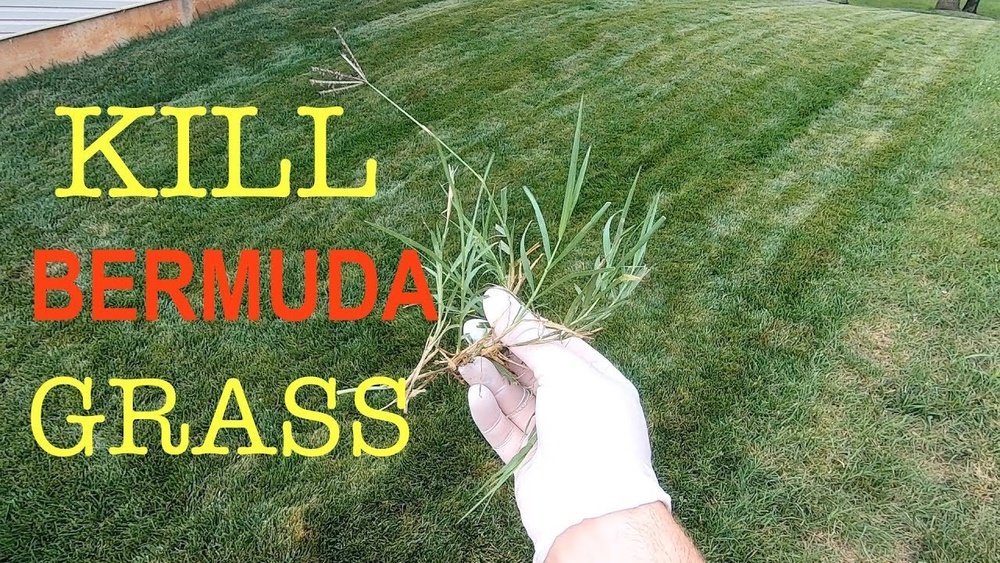
Bermuda grass can be tough to control because it spreads quickly and resists many common weed killers. The most effective way to kill it involves using targeted herbicides designed for Bermuda grass, combined with proper application techniques to protect your other lawn plants and prevent regrowth.
Are you struggling to keep Bermuda grass under control in your lawn? You’re not alone.
Bermuda grass can quickly take over, making your yard look messy and hard to manage. But what if you could stop it in its tracks? Understanding what kills Bermuda grass is the first step to reclaiming your lawn. You’ll discover simple and effective ways to tackle this stubborn grass, so your lawn looks exactly how you want it.
Keep reading to find out how to protect your yard and get the results you deserve.
Credit: gregalder.com
Identifying Bermuda Grass
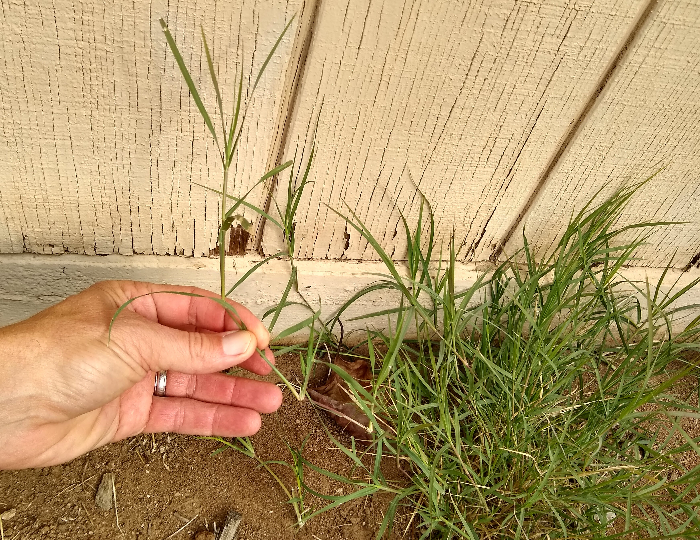
Identifying Bermuda grass is the first step to managing it effectively. This grass is common in many lawns and can spread quickly. Knowing how it looks and grows helps you decide the best way to control or remove it.
Characteristics And Growth Patterns
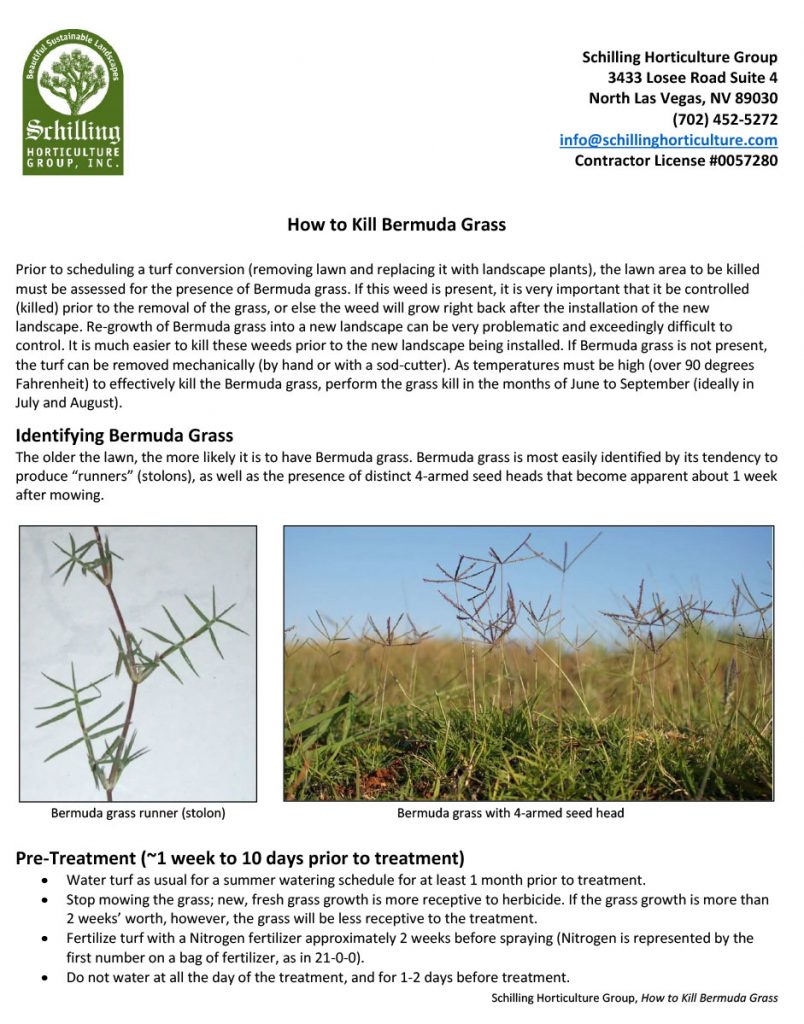
Bermuda grass has thin, coarse blades that are bright green. The blades grow in a V-shape and are usually about 2 to 6 inches long. It spreads through above-ground runners called stolons and underground stems called rhizomes. This allows it to cover large areas fast. The grass forms a thick mat that can crowd out other plants.
Common Areas Of Infestation
Bermuda grass often grows in sunny spots. It thrives in lawns, parks, and sports fields. It also invades flower beds and garden edges. This grass prefers warm climates and dry soil but can survive in many conditions. It often appears in patches and spreads if left unchecked.
Reasons To Remove Bermuda Grass
Bermuda grass often takes over lawns quickly. Many homeowners want to remove it. The reasons go beyond just appearance. This grass affects the health and balance of your lawn. Understanding why to remove Bermuda grass helps in keeping a healthy yard.
Impact On Lawn Health
Bermuda grass grows fast and spreads wide. It crowds out other grass types. This causes bare spots and weak areas in the lawn. The thick growth blocks sunlight from reaching the soil. This stops new grass from growing well. Over time, the lawn looks patchy and worn. The grass also uses a lot of water and nutrients. This leaves less for other plants and grass types. A lawn full of Bermuda grass can become dry and weak.
Challenges For Other Plants
Bermuda grass spreads underground with strong roots. It chokes out flowers and other plants nearby. This makes it hard to grow a garden or mixed lawn. Its roots take up space and nutrients. Other plants struggle to survive in the same soil. Also, Bermuda grass resists many weed killers. This makes it tough to control or remove. Plants that need softer ground cannot grow well. The grass creates an environment where few plants thrive.
Chemical Control Methods
Chemical control methods provide a direct way to kill Bermuda grass in lawns. Using herbicides can target Bermuda grass effectively. These chemicals stop the grass from growing and spread. Proper use keeps the lawn healthy and free from unwanted grass.
Choosing The Right Herbicide
Select herbicides made specifically for Bermuda grass control. Look for products labeled safe for your lawn type. Some herbicides kill Bermuda grass but harm other plants. Read product instructions carefully. Choose a selective herbicide to protect desirable lawn grasses.
Safe Application Techniques
Apply herbicides carefully to avoid damage. Wear gloves and protective clothing during use. Use a sprayer for even coverage. Avoid windy days to prevent drift onto other plants. Follow the recommended amount on the label. Overuse can harm the soil and nearby plants.
Timing For Best Results
Apply herbicides when Bermuda grass is actively growing. Early summer or late spring works best. The grass absorbs chemicals better during growth. Avoid treatment during drought or extreme heat. Repeat applications may be needed for stubborn patches. Check product guidelines for timing advice.

Credit: www.youtube.com
Natural And Organic Solutions
Controlling Bermuda grass naturally helps protect your lawn and the environment. Organic methods avoid harsh chemicals and keep soil healthy. These solutions work well for small or large areas.
Vinegar And Salt Treatments
Vinegar and salt can kill Bermuda grass effectively. Use white vinegar with at least 5% acetic acid for best results. Mix vinegar with a small amount of salt to boost its power. Spray directly on the grass leaves during a sunny day. Avoid spraying on plants you want to keep. Repeat the treatment after a few days for stronger control.
Solarization And Smothering
Solarization uses plastic sheets to trap heat and kill grass roots. Cover the lawn with clear plastic in hot weather for 4 to 6 weeks. The heat inside the plastic destroys Bermuda grass underground. Smothering works by blocking sunlight with thick materials like cardboard or mulch. This starves the grass and stops it from growing. Both methods need patience but are very natural and safe.
Beneficial Cover Crops
Planting cover crops can help stop Bermuda grass growth. Crops like clover or rye grass compete for space and nutrients. This weakens Bermuda grass and reduces its spread. Cover crops also improve soil health and add nutrients. Rotate cover crops to keep the soil fertile and strong. This method supports a natural and healthy lawn over time.
Physical Removal Techniques
Physical removal techniques are a direct way to control Bermuda grass in your lawn. These methods remove the grass and its roots from the soil. They work well for small areas or spots where grass spreads too much. Physical removal stops Bermuda grass from growing back quickly. It requires effort but offers immediate results.
Manual Digging And Raking
Manual digging is a simple way to remove Bermuda grass. Use a shovel or garden fork to dig out the grass patches. Make sure to remove all roots to prevent regrowth. Raking helps to collect leftover grass and debris after digging. It also breaks up the soil surface, making it easier to plant new grass. This method works best for small lawns or garden beds.
Using Lawn Equipment Effectively
Using lawn equipment speeds up Bermuda grass removal. A sod cutter can cut and lift grass with roots. This tool is useful for larger areas. A dethatcher helps pull up grass runners and thatch. Set the dethatcher to a low depth to avoid soil damage. Regular mowing at a very low height weakens Bermuda grass over time. Combine these tools for better control and faster removal.
Preventing Bermuda Grass Regrowth
Stopping Bermuda grass from growing back is key to keeping your lawn neat. This grass spreads quickly and can take over other plants. Taking steps to prevent its return saves time and effort later. Focus on good lawn care habits to keep Bermuda grass under control.
Maintaining Lawn Health
A healthy lawn stops unwanted grass from growing. Mow regularly to keep grass at the right height. Remove weeds and dead grass often. Strong, thick grass blocks Bermuda grass seeds from growing. Use a lawn aerator to help air reach the roots. This makes your lawn stronger and less inviting to Bermuda grass.
Proper Irrigation And Fertilization
Water your lawn evenly and deeply, not too often. This keeps grass roots healthy and stops Bermuda grass from spreading. Use fertilizer that fits your grass type. Avoid too much nitrogen; it helps Bermuda grass grow fast. Balanced feeding helps your lawn grow thick and healthy. This stops Bermuda grass from getting the nutrients it needs.
Regular Monitoring And Maintenance
Check your lawn often for signs of Bermuda grass. Pull out small patches before they spread. Use a sharp tool to dig out roots completely. Apply herbicides only when needed and follow instructions carefully. Keep the lawn edge clean to stop Bermuda grass from creeping in. Regular care keeps your lawn free from unwanted grass.
Common Mistakes To Avoid
Many lawn owners want to kill Bermuda grass but make common mistakes. These errors can harm your lawn or make the grass grow back stronger. Avoid these pitfalls to protect your lawn and get better results.
Overusing Chemicals
Using too many weed killers or fertilizers can damage your soil. Chemicals can kill helpful plants and insects. Overuse can also make Bermuda grass resistant to treatments. Always follow the instructions on the label. Apply chemicals only as needed, not more.
Ignoring Lawn Care Basics
Skipping simple lawn care can hurt your efforts. Mowing too short or watering irregularly stresses grass. Poor soil health makes Bermuda grass hard to control. Focus on regular mowing, proper watering, and good soil care. These basics keep your lawn healthy and easier to manage.
Credit: schillinghorticulture.com
Frequently Asked Questions
What Herbicides Effectively Kill Bermuda Grass?
Selective herbicides like glyphosate and fluazifop are effective against Bermuda grass. Glyphosate kills all plants, so use carefully. Fluazifop targets grasses specifically, sparing broadleaf plants. Always follow label instructions for best results and safety.
Can Natural Methods Kill Bermuda Grass In Lawns?
Yes, natural methods like solarization and vinegar applications can kill Bermuda grass. Solarization uses plastic to trap heat, killing roots. Vinegar acts as a contact herbicide but may require repeated treatments. These methods are eco-friendly but slower than chemical herbicides.
How Long Does It Take To Kill Bermuda Grass?
Killing Bermuda grass usually takes 2 to 4 weeks with herbicides. Natural methods like solarization may take 6 to 8 weeks. Persistence and proper lawn care after treatment help prevent regrowth. Follow instructions for optimal timing.
Why Is Bermuda Grass Hard To Kill In Lawns?
Bermuda grass has deep, extensive roots and spreads aggressively. It regenerates quickly from rhizomes and stolons. Its resilience requires multiple treatments or combined methods for full eradication. Proper lawn maintenance reduces its spread and persistence.
Conclusion
Bermuda grass can die from many causes, like drought or poor care. Using too much herbicide also harms it. To keep your lawn healthy, water and feed it well. Watch for pests and diseases that can kill the grass. Taking good care helps your lawn stay green and strong.
Remember, simple steps prevent Bermuda grass from dying. Keep your lawn safe and enjoy a fresh, green yard all year.
