

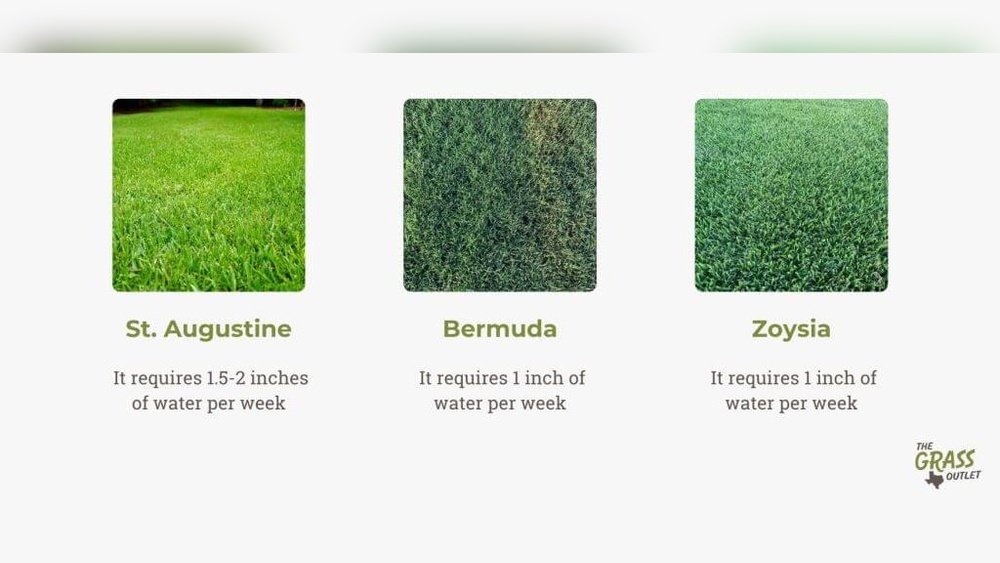
Water Bermuda grass early in the morning when temperatures are cooler and evaporation is minimal. This allows water to soak deeply into the soil and helps roots grow strong. Avoid midday watering, which wastes water, and evening watering, which can promote disease by keeping the grass wet overnight.
Are you wondering exactly when to water your Bermuda grass to keep it healthy and green? Getting the timing right can make all the difference between a vibrant lawn and a patchy, dry mess.
If you water too much or too little, your grass won’t thrive. But don’t worry—this guide will help you understand the best times to water, so your Bermuda grass stays lush and strong. Keep reading to discover simple tips that will save you time, water, and frustration.
Your perfect lawn starts here.
Best Time To Water Bermuda Grass
Watering Bermuda grass at the right time helps it grow strong and green. The best time to water is when the grass can soak up the water without losing much to evaporation. Choosing the right time also prevents diseases and keeps the lawn healthy. Let’s explore the best moments of the day to water Bermuda grass.
Morning Vs Evening Watering
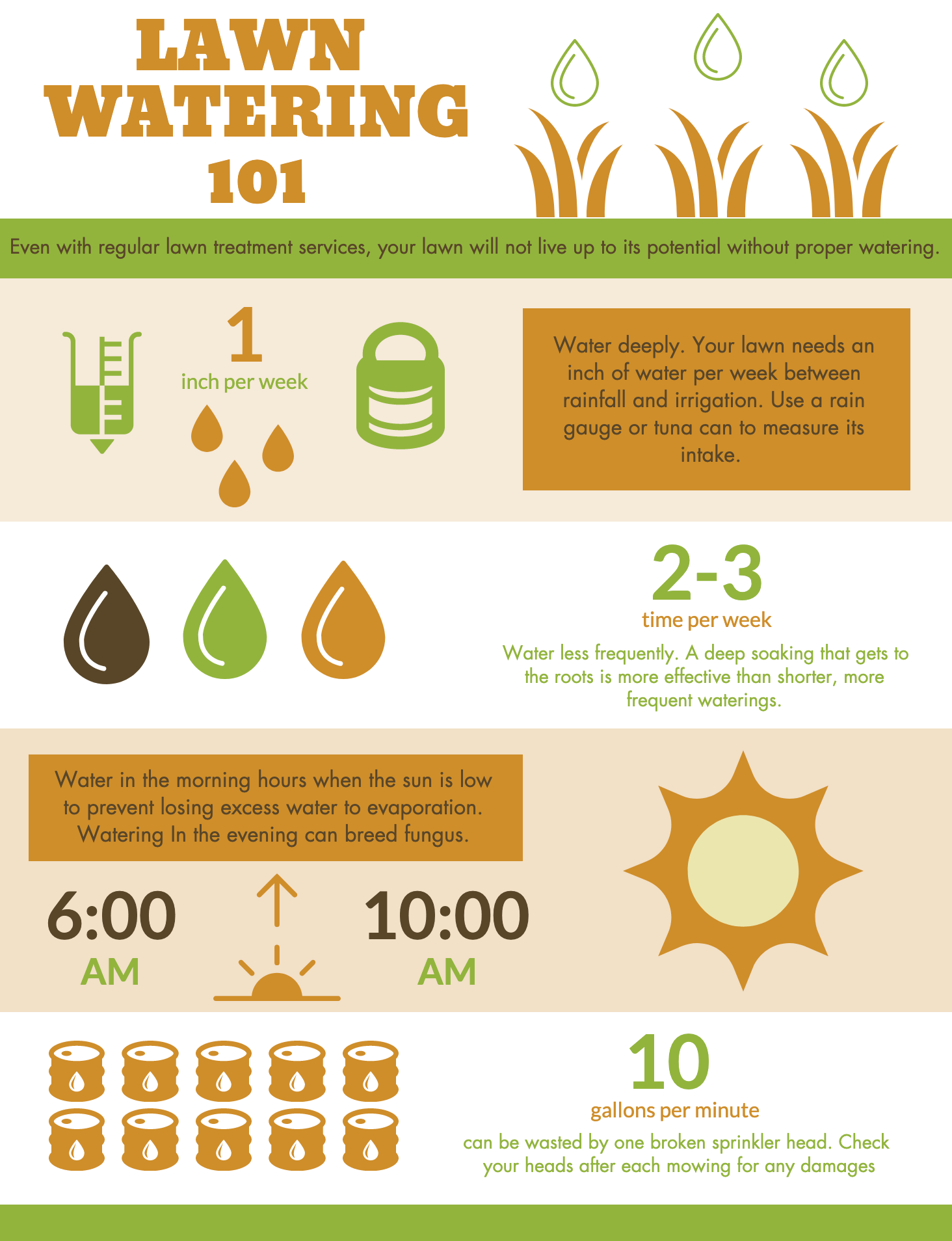
Morning watering is usually the best choice. The sun is low, and temperatures are cooler. Water soaks deep into the soil before the heat rises. This helps roots grow strong and healthy. Morning watering also allows grass blades to dry during the day. Dry blades reduce the chance of fungus and disease.
Evening watering may seem good, but it keeps grass wet overnight. Moist grass blades invite fungi and mold. This can harm the lawn. Watering in the evening is okay if morning watering is not possible. Just make sure the water has time to dry before nightfall.
Avoiding Midday Heat
Avoid watering during midday when the sun is strongest. Hot temperatures cause water to evaporate quickly. Most of the water never reaches the roots. This wastes water and does not help the grass. Water droplets on grass can also act like tiny magnifying glasses. They may burn the grass under strong sunlight. Early morning or late evening watering prevents this problem.
Watering Frequency For Different Seasons
Watering Bermuda grass changes with the seasons. Each season has different needs. Understanding these needs helps keep your lawn green and healthy. Too much or too little water can harm the grass. Follow the right schedule for best results.
Spring And Fall Routine
During spring and fall, water Bermuda grass about twice a week. The weather is cooler and rain may help. Water deeply to encourage strong roots. Early morning watering reduces water loss from evaporation. Avoid watering in the heat of the day.
Summer Watering Needs
Summer requires more water for Bermuda grass. Water three to four times a week. The grass loses moisture quickly in hot weather. Deep watering helps the roots survive heat stress. Morning is the best time for watering. Avoid evening watering to prevent disease.
Winter Dormancy Care
Bermuda grass goes dormant in winter. It needs less water during this time. Water once every two to three weeks. Make sure the soil does not dry out completely. Dormant grass can survive with minimal water. Watering too much can cause damage.
Signs Your Bermuda Grass Needs Water
Knowing when to water your Bermuda grass is key to keeping it healthy. The grass shows clear signs when it needs water. Watching for these signs helps avoid overwatering or letting it dry out too long.
Check your lawn regularly. Early detection saves your grass from stress. Here are simple ways to tell if your Bermuda grass needs water.
Color Changes
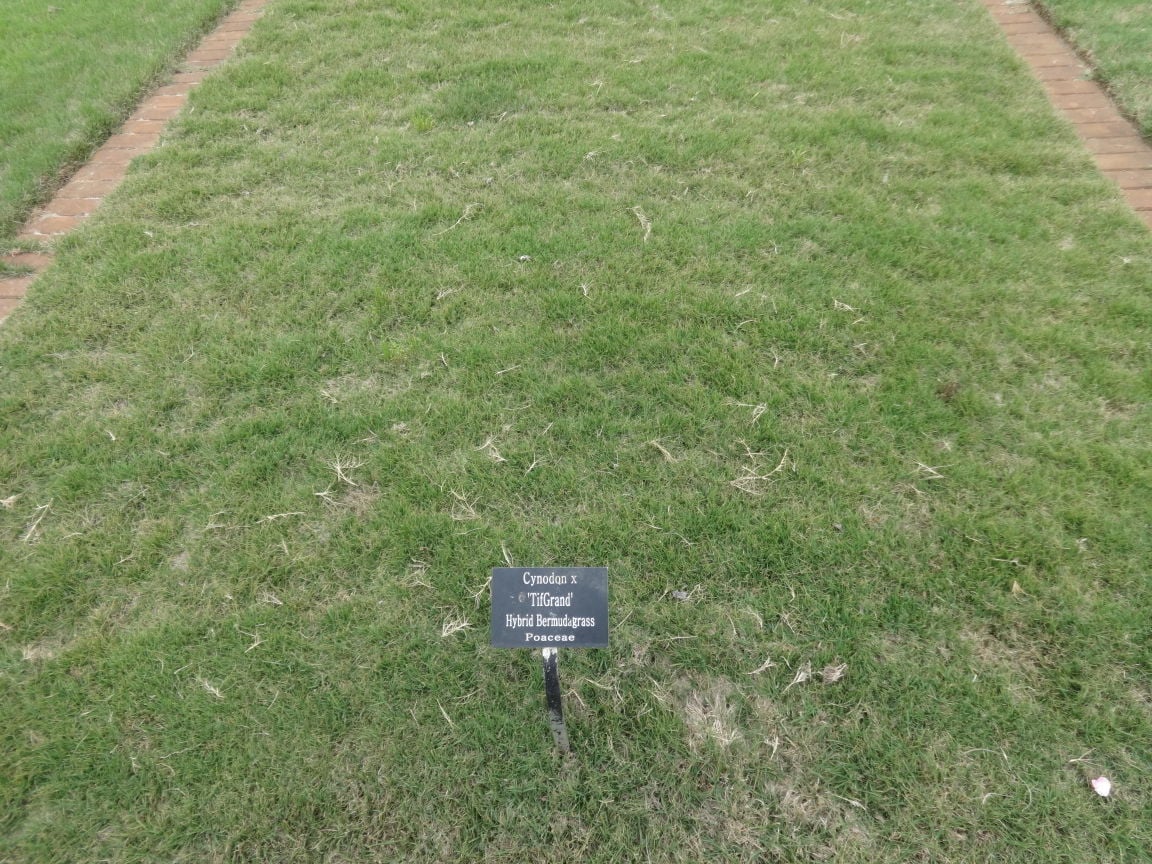
Bermuda grass turns dull and grayish when thirsty. Healthy grass stays bright green. Look closely for fading color spots. Yellow or brown patches also mean lack of water.
Footprint Test
Step on the grass and watch the blades. If footprints stay visible, the grass is dry. Healthy Bermuda springs back fast. Slow recovery means it needs watering soon.
Soil Moisture Check
Push your finger into the soil near the grass roots. Dry soil feels hard and dusty. Moist soil feels cool and soft. Dry soil means the grass needs water.
Credit: tucson.com
Watering Techniques For Healthy Growth
Watering Bermuda grass properly helps it grow thick and green. Using the right watering techniques keeps the grass healthy and strong. Knowing how to water can save water and prevent problems like disease or weak roots.
Deep Vs Shallow Watering
Deep watering means giving enough water to soak the soil several inches down. This helps roots grow deeper, making the grass stronger. Shallow watering wets only the top layer of soil. It causes roots to stay near the surface and become weak. Deep watering is better for lasting health.
Using Sprinklers Effectively
Sprinklers work well for watering Bermuda grass evenly. Set sprinklers to water slowly and deeply. Water early in the morning to reduce evaporation. Avoid watering during windy times to prevent uneven coverage. Move sprinklers if needed to reach all areas.
Avoiding Overwatering
Too much water can harm Bermuda grass. It causes the roots to rot and invites pests. Water only when the soil feels dry a few inches down. Watch for signs like yellowing grass or soft spots. Let the soil dry between watering sessions.
Adjusting Watering Based On Weather
Watering Bermuda grass changes with the weather. Adjusting how much and when you water keeps your lawn healthy. Weather affects soil moisture and grass needs. Watch the sky and soil to decide watering times.
Rainfall Considerations
Rain reduces the need for extra watering. After heavy rain, wait before watering again. Check the soil; if it feels wet, skip watering. Light rain may not be enough for grass. Adjust watering based on how much rain fell.
Drought Conditions
During droughts, water more often but less at a time. Deep watering helps grass roots grow strong. Avoid watering in the heat of the day. Water early morning or late evening instead. Keep an eye on grass color; brown means it needs water.
Humidity Impact
High humidity slows soil drying, so water less. Low humidity dries soil faster, needing more water. Watch grass for signs of stress in dry air. Adjust watering times to keep soil moist but not soaked. Balance is key for healthy Bermuda grass.
Credit: southernlawns.net
Tools To Monitor Lawn Moisture
Knowing when to water Bermuda grass is easier with the right tools. These tools help check the soil’s moisture level. They prevent overwatering or underwatering your lawn. Proper moisture means healthier, greener grass. Below are two useful tools for monitoring lawn moisture.
Soil Moisture Meters
Soil moisture meters measure the water content in the soil. You insert a probe into the ground to get a reading. The meter shows if the soil is dry, moist, or wet. This tool helps decide if watering is needed. It saves water and keeps grass healthy. Soil moisture meters are simple and affordable. They give quick and clear information about soil conditions.
Smart Irrigation Systems
Smart irrigation systems use sensors to monitor soil moisture automatically. These systems adjust watering based on real-time data. They prevent watering when the soil already has enough moisture. Smart systems connect to your smartphone for easy control. They improve watering efficiency and save time. These systems are ideal for busy homeowners who want precise watering. Smart irrigation helps maintain perfect soil moisture levels for Bermuda grass.

Credit: theturfgrassgroup.com
Frequently Asked Questions
When Is The Best Time To Water Bermuda Grass?
Water Bermuda grass early in the morning, ideally between 6 a. m. and 10 a. m. This timing reduces evaporation. It allows the soil to absorb moisture deeply. Morning watering promotes healthy growth and prevents fungal diseases.
How Often Should Bermuda Grass Be Watered?
Water Bermuda grass about 1 to 1. 5 inches per week. Spread this amount over two to three watering sessions. Adjust frequency based on weather, soil type, and grass health. Avoid overwatering to prevent root rot and fungal issues.
Can Bermuda Grass Survive Without Daily Watering?
Yes, Bermuda grass is drought-tolerant and can survive without daily watering. It thrives with deep, infrequent watering that encourages strong roots. Daily watering can weaken the grass and increase disease risk. Proper watering schedules improve lawn resilience.
What Signs Indicate Bermuda Grass Needs Watering?
Look for dry, brown patches and curled or wilted blades. Footprints that remain visible on the grass also signal dehydration. These signs mean it’s time to water deeply and thoroughly. Regular inspection helps maintain healthy Bermuda grass.
Conclusion
Water Bermuda grass early in the morning for best results. Avoid watering in the heat of the day to save water. Keep soil moist but not soggy to help roots grow strong. Watch your lawn for signs of dryness or overwatering.
Regular care will keep Bermuda grass green and healthy. Small efforts can make a big difference in lawn health. Stay consistent and your grass will thrive through the seasons. Simple steps lead to a beautiful, lush lawn you can enjoy.
