

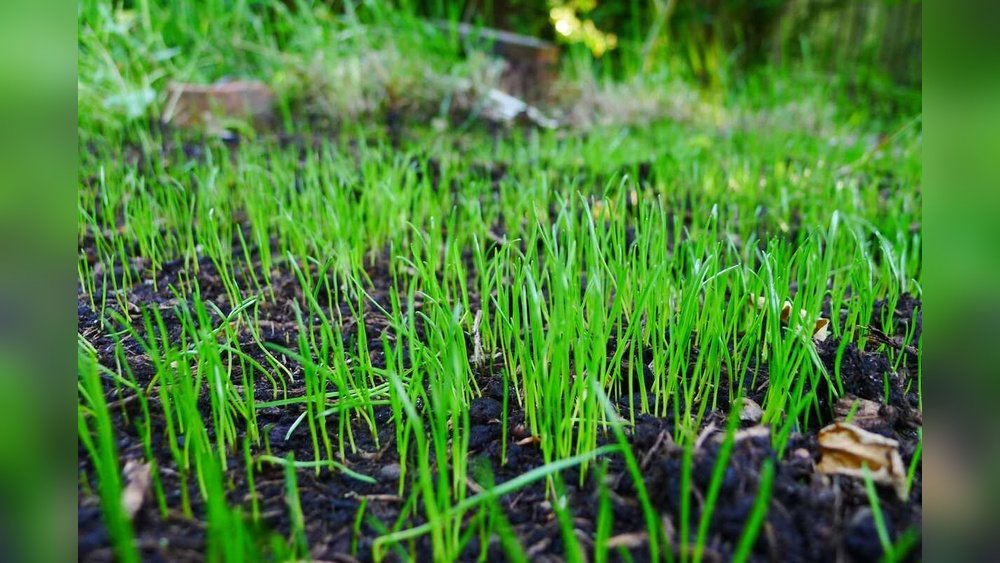
Water Bermuda grass seed lightly two to three times daily during germination to keep the soil moist but not soggy. After seedlings emerge, reduce watering to once a day, watering deeply to encourage root growth. Adjust frequency based on weather and soil moisture for healthy, lush growth.
If you’ve just planted Bermuda grass seed or are planning to, you’re probably wondering how often you should water it. Getting the watering schedule right is key to growing a healthy, lush lawn.
Too little water, and your seeds won’t germinate properly. Too much, and you risk washing them away or encouraging disease. You’ll discover exactly how often to water your Bermuda grass seed to give it the best chance to thrive. Keep reading to unlock the simple secrets that will help your lawn become the envy of your neighborhood.
Credit: thegrassoutlet.com
Seedbed Preparation
Preparing the seedbed is the first step for healthy Bermuda grass growth. A well-prepared seedbed helps seeds sprout fast and grow strong. It also ensures even watering and good soil contact. This section covers the basics of seedbed preparation.
Choosing The Right Soil
Good soil supports Bermuda grass roots. Choose soil that drains well and feels soft. Sandy loam works best for Bermuda grass. Avoid heavy clay or very rocky soil. These types stop water from reaching roots. Healthy soil helps grass stay green and grow faster.
Soil Testing And Amendments
Test soil to check pH and nutrients. Bermuda grass grows well in soil with pH 5.8 to 7.0. Use a soil test kit or send samples to a lab. Add lime if soil is too acidic. Add sulfur if soil is too alkaline. Mix in fertilizer rich in nitrogen, phosphorus, and potassium. This boosts seed germination and growth.
Leveling And Smoothing
Level the seedbed to avoid water pooling. Uneven ground causes seeds to wash away or dry out. Use a rake or lawn roller to smooth the soil. Remove rocks, sticks, and debris before planting. A flat, smooth surface helps even seed distribution and watering.
Optimal Watering Schedule
Watering Bermuda grass seed correctly helps it grow strong and healthy. The right schedule keeps the soil moist without overwatering. This balance is key for good germination and growth. Follow the watering steps below for the best results.
Frequency During Germination
Water the seed lightly two to three times a day. Keep the top inch of soil moist. Avoid soaking the soil to prevent seed washout. Use a fine spray or mist for gentle watering. Check soil moisture daily to adjust as needed.
Adjusting Watering After Sprouting
Once seedlings appear, reduce watering to once a day. Water deeply to encourage strong root growth. Let the soil dry slightly between watering sessions. Avoid watering late in the day to prevent fungus. Gradually shift to watering every other day.
Seasonal Watering Variations
In hot weather, increase watering frequency to prevent drying out. During cooler months, water less often but deeply. Adjust watering based on rainfall and temperature changes. Watch the grass for signs of stress to guide watering. Keep soil moist but never soggy year-round.
Watering Techniques
Watering Bermuda grass seed correctly helps it grow strong and green. Using good watering techniques keeps seeds moist without wasting water. Proper watering also stops disease and root problems. This section covers easy ways to water your new grass effectively.
Hand Watering Tips
Hand watering lets you control the water amount and direction. Use a watering can or hose with a soft spray nozzle. Water gently to avoid washing away seeds. Water small areas at a time for even coverage. Check soil moisture often to keep it damp but not soaked. Early morning watering works best to reduce evaporation.
Using Sprinklers Effectively
Sprinklers cover larger areas with less effort. Choose a sprinkler that sprays evenly and softly. Set the sprinkler to run for short times several times a day. Keep the water light so seeds stay in place. Move the sprinkler around to cover all spots. Avoid watering in strong winds to prevent uneven watering.
Avoiding Overwatering
Too much water harms Bermuda grass seeds and soil. Overwatering causes seeds to rot or wash away. It also invites pests and fungus. Water only enough to keep the top inch of soil moist. Let the soil dry slightly between watering. Watch for puddles or soggy soil and reduce watering if needed.
Credit: thegrassoutlet.com
Signs Of Proper Hydration
Knowing the signs of proper hydration helps you care for Bermuda grass seed well. Water affects seed growth and soil health. Watching for these signs tells you if watering is right. Too little or too much water harms seed growth. The right balance helps strong, green grass appear.
Seedling Appearance
Healthy Bermuda grass seedlings look bright green. Leaves stand upright and feel soft. Pale or yellow leaves show water stress. Wilting means the seedling needs water fast. Check seedlings daily to notice changes in color or shape.
Soil Moisture Indicators
Soil should feel moist but not soggy. Stick your finger about one inch deep into soil. If it feels dry, water the seed. If soil is wet, wait before watering again. Good soil moisture helps seeds sprout and roots grow strong.
Growth Rate Milestones
Bermuda grass seeds usually sprout in 7 to 14 days. Rapid growth after sprouting shows good hydration. Grass should grow about one to two inches in the first few weeks. Slow or stunted growth means watering may be off. Adjust watering to help grass reach key growth stages.
Common Watering Mistakes
Watering Bermuda grass seed sounds simple but often goes wrong. Many make common mistakes that hurt grass growth. These errors slow down germination and cause weak roots. Knowing what not to do saves time and effort. Avoid these mistakes for a healthy lawn.
Undewatering Effects
Not watering enough dries out the soil. Seeds need moisture to sprout and grow. Dry soil stops germination and kills young grass. The lawn looks patchy and thin. Grass may turn brown and die fast. Underwatering makes grass weak and less green.
Overwatering Consequences
Watering too much floods the soil. Too much water blocks air from reaching roots. Roots can rot and grass dies. Overwatering also invites fungus and pests. The soil stays soggy, harming seed growth. The grass may grow thin and weak.
Dealing With Drainage Issues
Poor drainage causes water to pool on the lawn. Standing water suffocates grass roots. Fix drainage by adding sand or organic matter. Sloping the soil helps water flow away. Use simple tools to check water movement. Good drainage keeps grass roots healthy and strong.
Enhancing Growth With Fertilization
Fertilization plays a key role in helping Bermuda grass seed grow strong and healthy. It provides the nutrients the grass needs to develop thick roots and vibrant green blades. Proper fertilization boosts growth and helps the grass resist weeds and disease.
Knowing how and when to fertilize can make a big difference. Careful timing and the right fertilizer choice keep your lawn thriving. Combining watering and feeding properly also supports steady growth.
Timing Fertilizer Applications
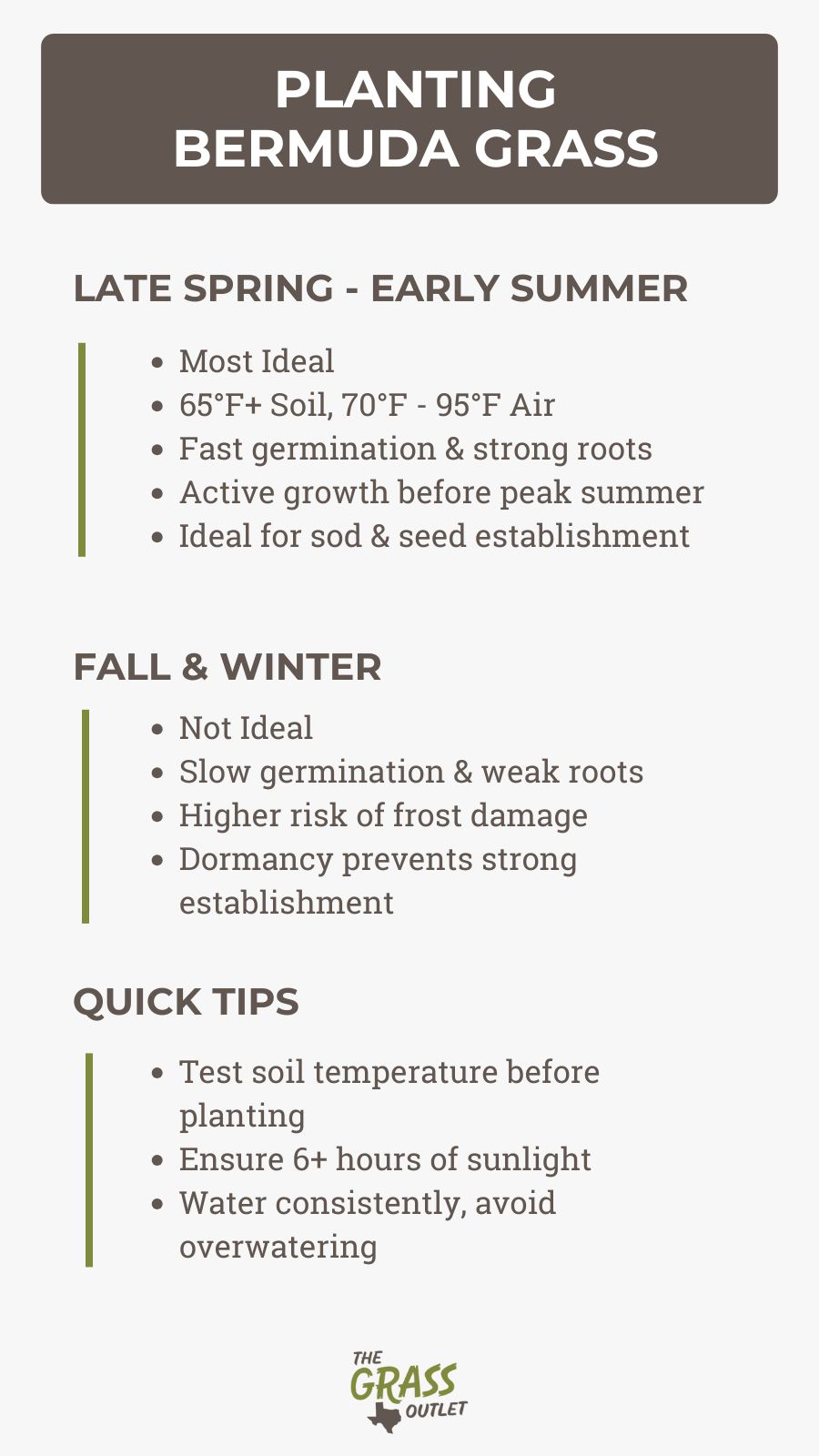
Apply fertilizer after the grass seed sprouts. This helps the young grass absorb nutrients better. Avoid fertilizing too early to prevent seed damage. Repeat feeding every 4 to 6 weeks during the growing season. Stop fertilizing before the first frost to protect the grass.
Choosing Suitable Fertilizers
Pick fertilizers with balanced nutrients like nitrogen, phosphorus, and potassium. Nitrogen supports green leaf growth. Phosphorus helps root development. Potassium strengthens the grass against stress. Use slow-release fertilizers to feed the grass gradually. Avoid high nitrogen fertilizers early on to prevent burning young grass.
Combining Watering And Feeding
Water the lawn right after fertilizing to help nutrients soak into the soil. Keep the soil moist but not soaked to improve nutrient uptake. Water daily during seed germination and reduce frequency as grass grows. Balanced watering and feeding encourage deep roots and a lush lawn.
Adapting To Weather Conditions
Adapting to weather conditions is key for watering Bermuda grass seed properly. The grass needs different care depending on sun, rain, or dry spells. Adjusting your watering routine helps seeds grow strong and healthy. Watch the weather closely. Change watering to match the current climate. This keeps your lawn green and thriving.
Watering During Heat Waves
Heat waves cause soil to dry quickly. Water more often but with less water each time. Early morning is the best time to water. This avoids evaporation and helps roots absorb moisture. Avoid watering in the hot afternoon. It wastes water and can burn the grass.
Adjustments In Rainy Periods
Rain reduces the need to water your lawn. Check the soil before watering. If it is wet, skip watering to prevent overwatering. Too much water can drown the seeds and cause fungus. Use a rain gauge to measure rainfall. Adjust watering based on how much rain falls.
Handling Drought Stress
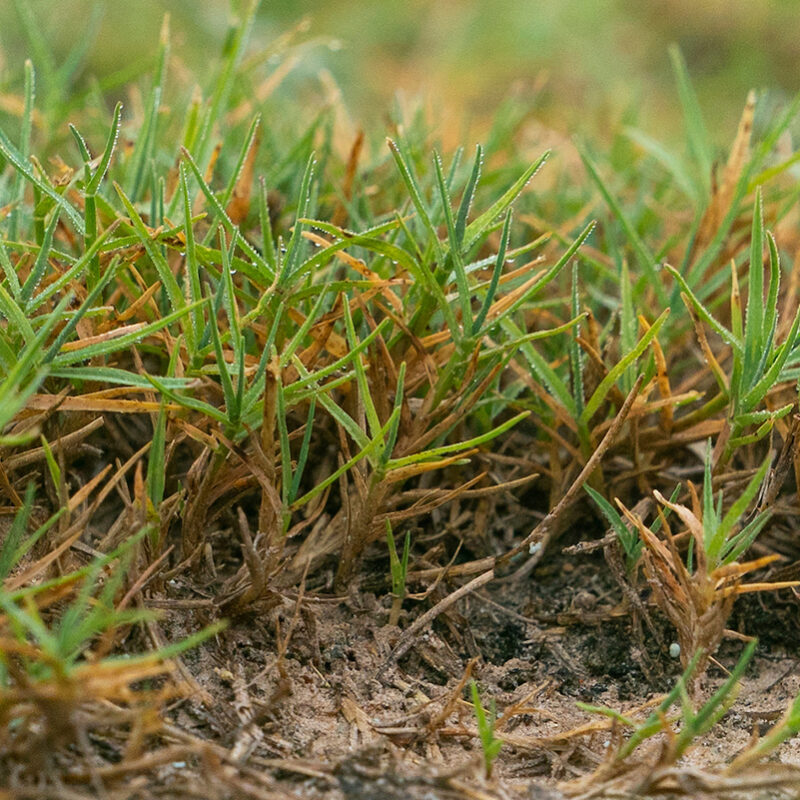
Drought stress harms Bermuda grass growth. Water deeply but less often to reach deep roots. This strengthens the grass and helps it survive dry times. Use mulch to keep soil moist longer. Avoid walking on the lawn during drought. It can damage stressed grass and soil.
Credit: agrilifeextension.tamu.edu
Frequently Asked Questions
How Often Should I Water Bermuda Grass Seed Daily?
Water Bermuda grass seed 2-3 times daily for the first two weeks. Keep the soil moist but not soggy to promote germination. Gradually reduce watering frequency as the seedlings grow stronger.
When Can I Reduce Watering After Seeding Bermuda Grass?
Reduce watering frequency after 3-4 weeks when grass blades reach about 2 inches. At this stage, water deeply 2-3 times per week to encourage deep root growth and drought resistance.
Can Overwatering Harm Bermuda Grass Seed Growth?
Yes, overwatering can cause seed rot and fungal diseases. Always ensure good drainage and avoid waterlogging. Proper watering encourages healthy growth without damaging the seeds.
How Much Water Does Bermuda Grass Seed Need Per Week?
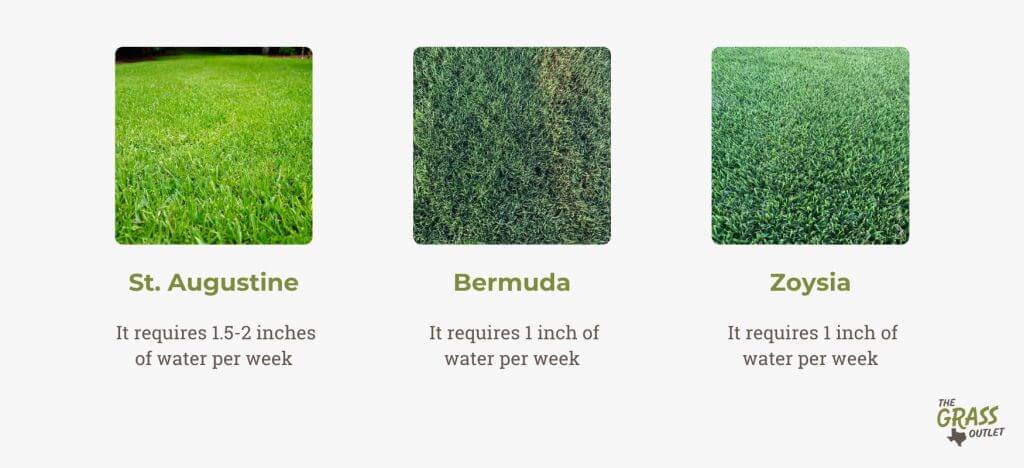
Bermuda grass seed needs about 1 to 1. 5 inches of water weekly. This includes rainfall and irrigation. Consistent moisture levels are key for strong seedling development.
Conclusion
Water Bermuda grass seed daily at first to keep soil moist. Gradually reduce watering as the grass grows stronger. Avoid overwatering to prevent root rot and fungus. Early morning watering works best for healthy growth. Watch your lawn closely and adjust watering when needed.
Consistent care helps your Bermuda grass thrive. Healthy grass means a beautiful, green lawn for years. Keep it simple and steady for best results.
