
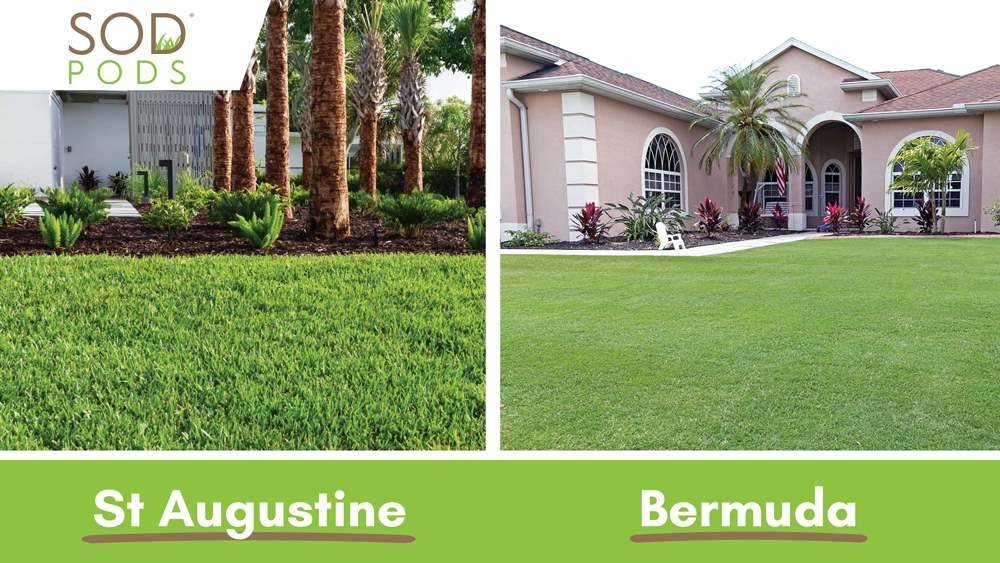
Bermuda grass is well-suited for Florida’s warm climate, thriving in full sun and handling heat and drought effectively. Its fast growth and resilience make it a popular choice for lawns, especially in sandy soils common across the state. While it requires regular maintenance, it’s a reliable option for a lush, durable lawn.
Are you thinking about planting Bermuda grass in your Florida yard? You’re not alone.
Many homeowners wonder if Bermuda grass is the right choice for Florida’s unique climate. Choosing the right grass can make a big difference in how your lawn looks and feels. You’ll discover the pros and cons of Bermuda grass in Florida, so you can decide if it’s the perfect fit for your outdoor space.
Keep reading to find out how Bermuda grass can transform your lawn and what you need to know before planting.
Bermuda Grass Basics
Bermuda grass is a popular choice for lawns in Florida. It thrives in warm climates and handles heat well. This grass type stays green most of the year. It has a strong root system that helps it survive drought. Bermuda grass also recovers fast from damage, making it great for active yards.
Understanding the basics of Bermuda grass helps in choosing the right type. Knowing how it grows guides proper care and maintenance. This section breaks down the key facts about Bermuda grass.
Types Of Bermuda Grass
Several types of Bermuda grass suit Florida’s climate. Common Bermuda is tough and handles heavy use. It spreads quickly by runners and seeds. Tifway Bermuda is a hybrid and very dense. It works well for sports fields and lawns. TifGrand is a newer type with finer blades. It stays greener in cooler months than others.
Growth Characteristics
Bermuda grass grows best in full sun. It needs at least six to eight hours of sunlight daily. It spreads fast through above-ground runners called stolons. It also grows underground stems called rhizomes. This growth pattern helps fill bare spots quickly. Bermuda grass goes dormant and turns brown in cold weather. It recovers fast once warm weather returns.
Florida Climate And Soil
Florida has a unique climate and soil that affect how well grass grows. Understanding these conditions helps to know if Bermuda grass suits the region. The state’s warm weather and varying soil types play a big role in lawn health.
Temperature And Rainfall Patterns
Florida stays warm most of the year. Summers are hot, often reaching above 90°F. Winters are mild, rarely dropping below 50°F. Rain falls mainly in summer, with thunderstorms common. Some areas get heavy rain, others less. This pattern helps grasses that like heat and moisture.
Soil Types In Florida
Florida has sandy soil in many places. This soil drains water fast but holds less nutrients. Some parts have clay soil, which holds water longer but drains slowly. Soil quality varies by region, affecting grass growth. Bermuda grass grows well in sandy soil but can adapt to clay too.
Bermuda Grass Performance In Florida
Bermuda grass grows very well in Florida’s warm climate. It handles the hot sun and dry spells better than many other grasses. This makes it a popular choice for lawns, parks, and sports fields across the state.
Its fast growth and thick coverage help keep soil healthy and reduce weeds. Let’s explore how Bermuda grass performs in Florida’s unique environment.
Heat And Drought Tolerance
Bermuda grass thrives under Florida’s intense sun and heat. It stays green and strong even during long dry periods. The grass has deep roots that reach water far below the surface. This helps it survive without frequent watering. Its ability to resist heat stress makes it perfect for Florida’s summer months.
Pest And Disease Resistance
Bermuda grass resists many common pests found in Florida. It is less likely to suffer from bugs that damage leaves or roots. The grass also fights off several diseases that affect lawns. This reduces the need for chemical treatments. Strong pest and disease resistance keeps the grass healthy and green.
Credit: www.pro-sprinkler.com
Planting Bermuda Grass
Bermuda grass grows very well in Florida’s warm climate. It handles heat and drought better than many other grasses. Planting Bermuda grass at the right time and using the right method can give you a strong, green lawn. Knowing the best times to plant and choosing between seeding or sod helps your grass start healthy and grow fast.
Best Planting Times
Plant Bermuda grass in late spring or early summer. The soil should be warm, at least 65°F. Warm soil helps seeds sprout and sod roots grow quickly. Avoid planting in cold or wet weather. This can slow growth and cause problems. Florida’s long warm season gives Bermuda grass plenty of time to establish before cooler months.
Seeding Vs. Sod
Seeding Bermuda grass is cheaper but slower to grow. It can take several weeks to fully cover your lawn. Seeds need good soil contact and regular watering. Sod gives instant green coverage and controls weeds better. It costs more but grows faster and looks better quickly. Choose sod if you want a lawn fast. Choose seed if you want to save money and don’t mind waiting.
Care And Maintenance
Bermuda grass thrives in Florida’s warm climate but needs proper care. Taking good care helps it stay green and healthy all year. Regular attention to watering, fertilizing, and mowing makes a big difference.
Follow simple steps to keep Bermuda grass strong and lush. Understanding its needs saves time and effort later.
Watering Tips
Bermuda grass needs deep watering to grow well. Water about 1 inch per week, split into two sessions. Early morning watering reduces evaporation and disease risk. Avoid watering in the heat of the day. Check soil moisture to prevent overwatering or drought stress.
Fertilizing Schedule
Fertilize Bermuda grass every 6 to 8 weeks during warm months. Use a balanced fertilizer with nitrogen, phosphorus, and potassium. Nitrogen helps green color and growth. Apply fertilizer evenly and follow package instructions. Stop fertilizing in late fall to prepare for dormancy.
Mowing Practices
Mow Bermuda grass regularly to keep it neat and healthy. Set mower height between 1 to 2 inches. Cutting too short can stress the grass. Remove no more than one-third of the grass blade at a time. Keep mower blades sharp to avoid tearing the grass.

Credit: sodsolutions.com
Common Challenges
Bermuda grass thrives in Florida’s warm climate but faces some common challenges. These problems can affect its health and appearance. Understanding these issues helps keep the lawn green and strong.
Weed Control
Weeds compete with Bermuda grass for water and nutrients. They can quickly take over if not managed. Regular mowing and proper fertilization help reduce weed growth. Using herbicides safe for Bermuda grass can also control tough weeds. Early action prevents large weed problems later.
Dealing With Thatch
Thatch is a layer of dead grass between soil and green grass. Too much thatch blocks water and nutrients from reaching roots. Bermuda grass tends to build up thatch fast in Florida’s climate. Aerating the lawn and dethatching every year helps remove this layer. Proper watering and fertilizing reduce thatch buildup.
Managing Pests
Insects like grubs and armyworms can damage Bermuda grass roots and blades. These pests cause brown patches and weak spots in the lawn. Regular inspection helps spot pest problems early. Applying insecticides made for Bermuda grass protects the lawn. Healthy grass recovers faster from pest damage.
Alternatives To Bermuda Grass
Bermuda grass suits Florida’s climate well, but it is not the only option. Some homeowners seek different grasses for their lawns. These alternatives offer unique benefits like shade tolerance or lower maintenance.
Choosing the right grass depends on your lawn’s conditions and care preferences. Here are two popular alternatives to Bermuda grass in Florida.
Zoysia Grass
Zoysia grass grows thick and dense. It handles heat and drought well, similar to Bermuda grass. It also tolerates shade better, making it a good choice for lawns with trees. Zoysia requires less mowing because it grows slower. It feels soft underfoot, which many people like. The grass recovers well from foot traffic too. Zoysia can be more expensive to install but saves time on maintenance.
St. Augustine Grass
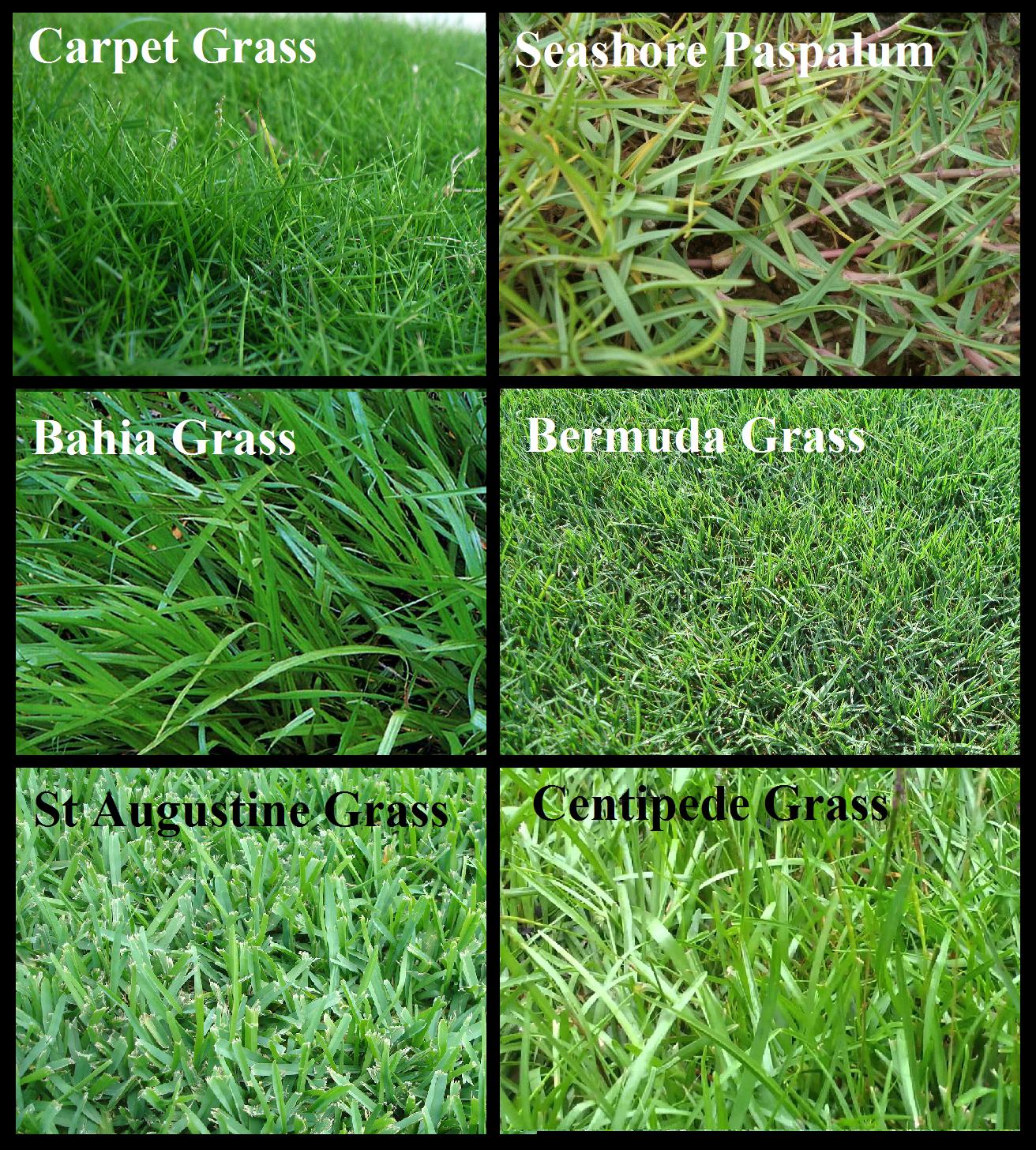
St. Augustine grass thrives in warm, humid environments. It grows quickly and covers ground fast. It stands out for its high shade tolerance, better than Bermuda grass. This makes it perfect for shaded yards. It needs more water and fertilizer to stay green. St. Augustine is less drought-tolerant but recovers quickly after rain. It has a coarse texture and thick blades that crowd out weeds. This grass is widely used across Florida.
Cost And Availability
Cost and availability play a big role in choosing Bermuda grass for Florida lawns. Knowing the price range and where to buy helps plan the project better. This section covers the costs of sod and seed, plus where to find them locally.
Pricing For Sod And Seed
Bermuda grass sod usually costs more than seed. Sod prices range from $0.30 to $0.80 per square foot. Seed costs about $5 to $15 per pound. Seed covers a larger area but takes longer to grow. Sod gives instant green but needs more money upfront.
Choosing between sod and seed depends on budget and patience. Sod fits tight schedules. Seed suits lower budgets and time flexibility.
Local Suppliers
Florida has many local suppliers for Bermuda grass. Garden centers and nurseries stock both sod and seed. Local suppliers offer fresh, regionally adapted grass. Buying locally reduces shipping costs and delays.
Some suppliers provide delivery and installation. Check for the best prices and services nearby. Local advice helps with grass care and maintenance.

Credit: trysodpods.com
Frequently Asked Questions
Is Bermuda Grass Suitable For Florida’s Climate?
Yes, Bermuda grass thrives in Florida’s warm, sunny climate. It tolerates heat and drought well, making it ideal for lawns in this region.
How Does Bermuda Grass Handle Florida’s Soil Conditions?
Bermuda grass adapts well to Florida’s sandy soils. It requires moderate fertilization and benefits from good drainage for healthy growth.
What Maintenance Does Bermuda Grass Need In Florida?
Bermuda grass requires regular mowing, watering, and occasional fertilizing. It grows quickly in Florida, needing frequent care to stay healthy and lush.
Can Bermuda Grass Survive Florida’s Wet Season?
Yes, Bermuda grass can tolerate Florida’s wet season. However, proper drainage is essential to prevent root rot and fungal diseases during heavy rains.
Conclusion
Bermuda grass grows well in Florida’s warm climate. It stays green most of the year and handles heat and drought. This grass also recovers quickly from damage. It needs regular mowing and some water to look its best. Not the best for shady areas, though.
Overall, Bermuda grass suits many Florida lawns. It offers a strong, green cover that many people like. Choosing the right grass helps keep your yard healthy and nice. Think about your yard’s sunlight and care needs before planting.
