


Seeding Bermuda grass starts with choosing quality seed suited to your climate and soil. Prepare your lawn by clearing old growth, testing soil, and tilling for good aeration. Seed in warm weather using even distribution techniques to ensure quick germination and a thick, healthy lawn.
Are you ready to transform your lawn into a lush, green paradise? Learning how to seed Bermuda grass is the key to achieving that vibrant, durable turf you’ve always wanted.
Whether you’re starting fresh or filling in bare spots, this guide will walk you through simple steps to get your Bermuda grass growing strong and healthy. Keep reading, and you’ll discover easy tips that save you time and money while giving your yard that perfect, inviting look.
Your dream lawn is closer than you think!
Choosing The Right Bermuda Grass Seed
Choosing the right Bermuda grass seed is the first step to a healthy lawn. The seed you pick affects how well your grass grows and looks. It matters for the climate you live in and the soil type you have. Good seed means less work later and a lawn that stays green and strong.
Types Of Bermuda Grass
Bermuda grass comes in several types. Common Bermuda grows fast and handles wear well. Hybrid Bermuda is finer and looks better but costs more. Each type suits different needs. Choose the type that matches your lawn’s use and style.
Selecting Seed Quality
High-quality seed has fewer weeds and more pure grass seed. Check the seed label for purity and germination rates. Good seed germinates quickly and evenly. Avoid old or damaged seed. Fresh, clean seed helps your lawn start strong.
Considering Climate And Soil
Bermuda grass likes warm weather and full sun. Some types handle drought better than others. Soil type also matters. Sandy soil drains fast, clay holds water. Match the seed to your climate and soil for best growth.
Preparing Your Lawn For Seeding
Preparing your lawn for seeding is a crucial step to grow healthy Bermuda grass. Good preparation helps seeds take root and grow strong. It creates the perfect environment for new grass to thrive.
Clearing Existing Vegetation
Remove all old grass, weeds, and debris from your lawn. Use a rake or a lawn mower set very low. This clears space for Bermuda grass seeds to touch the soil. It also reduces competition for nutrients and sunlight.
Soil Testing And Amendment
Test your soil to know its pH and nutrient levels. Bermuda grass grows best in soil with a pH between 5.8 and 7.0. Add lime if the soil is too acidic. Add sulfur if it is too alkaline. Fertilize with nitrogen, phosphorus, and potassium as needed.
Tilling And Leveling
Loosen the soil by tilling to a depth of 2 to 3 inches. This improves soil aeration and drainage. Remove rocks and clumps during tilling. Level the soil using a rake to create a smooth surface. This helps seeds spread evenly and grow uniformly.
Seeding Techniques For Success
Seeding Bermuda grass requires careful steps to ensure the best growth. Using the right techniques helps seeds sprout quickly and grow strong. Follow these simple tips to get a healthy, green lawn.
Good seeding techniques improve the chance of success. They help the seeds grow evenly and prevent bare spots in the lawn. Attention to detail during seeding makes a big difference.
Optimal Seeding Time
Plant Bermuda grass seeds during warm weather. The best time is late spring to early summer. Soil temperatures should be above 65°F (18°C). Warm soil helps seeds germinate faster. Avoid seeding in cold or wet conditions. Seeds may rot or grow poorly.
Seed Distribution Methods
Spread seeds evenly to avoid thick or thin patches. Use a seed spreader for uniform coverage. Hand spreading works for small areas but may be uneven. Lightly rake the area after spreading seeds. This mixes seeds with soil and protects them from birds.
Seed-to-soil Contact Importance
Good contact between seeds and soil is crucial. Seeds must touch soil to absorb moisture and sprout. Press seeds gently into the soil with a roller or by walking. Avoid burying seeds too deep. Just cover them with a thin layer of soil or sand.

Credit: www.youtube.com
Watering And Maintenance After Seeding
Watering and maintenance are key after seeding Bermuda grass. They help new grass seeds grow strong and healthy. Proper care creates a lush, green lawn that lasts.
New Bermuda grass needs careful watering and feeding. Controlling weeds is also important. This keeps the young grass safe and lets it spread well.
Initial Watering Schedule
Water the seeded area lightly but often. Aim for 2 to 3 times a day. Keep the soil moist, not soaked. Stop watering as often when grass sprouts. Then water deeply once daily for stronger roots.
Fertilization Tips
Use a starter fertilizer high in phosphorus. Apply it at seeding time or shortly after. Avoid too much nitrogen early on. Feed your lawn again after 4 to 6 weeks. This helps grass grow thick and green.
Weed Control Strategies
Control weeds to give Bermuda grass space to grow. Use a weed-free seedbed before planting. Avoid herbicides until grass is well established. Hand-pull or spot-treat weeds carefully. Healthy grass will crowd out weeds over time.
Troubleshooting Common Issues
Troubleshooting is key when seeding Bermuda grass. Problems may arise that slow growth or damage new grass. Knowing how to fix common issues helps ensure a healthy lawn. Below are some frequent problems and simple ways to handle them.
Dealing With Poor Germination
Seeds may not sprout well due to dry soil or poor seed quality. Keep soil moist but not soaked. Water lightly and often. Check that seeds are fresh and stored properly. Avoid planting in extreme heat or cold. Lightly rake soil to cover seeds but leave some light exposure.
Pest And Disease Management
Insects like grubs and ants can harm young grass roots. Watch for brown patches or thinning areas. Use natural pest controls or mild insecticides safe for lawns. Diseases such as fungus may appear as spots or mold. Improve air flow by mowing regularly and avoid overwatering.
Addressing Soil Compaction
Hard, compacted soil blocks roots from growing deep. Aerate soil with a garden fork or aerator tool. This lets air, water, and nutrients reach roots better. Avoid walking on the lawn while grass is young. Loosen soil before seeding for best results.
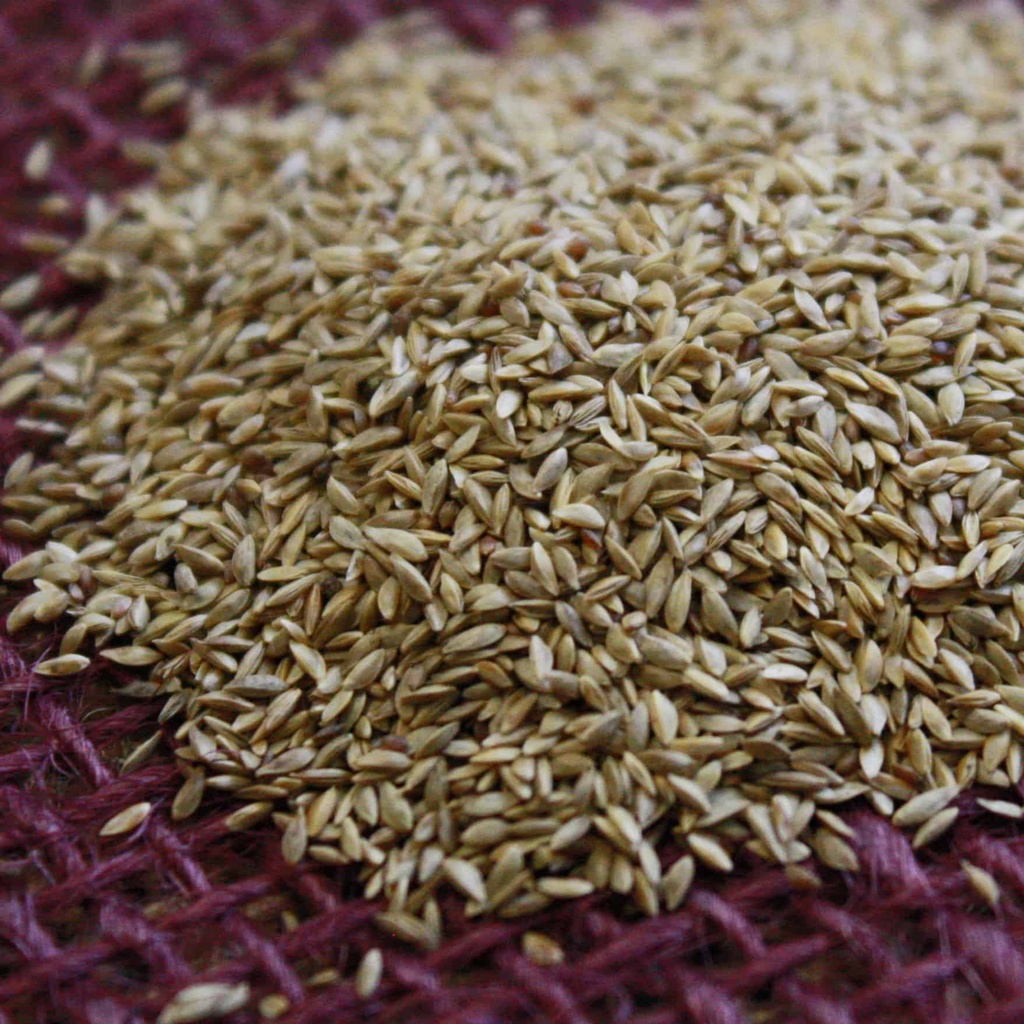
Credit: www.dkseeds.com
Enhancing Lawn Health Over Time
Enhancing lawn health over time is key to a lush, green Bermuda grass yard. A healthy lawn looks great and resists weeds and pests better. Regular care helps Bermuda grass grow thick and strong. Follow simple steps to keep your lawn vibrant through the seasons.
Mowing Best Practices
Keep Bermuda grass at the right height. Set mower blades between 1 and 2 inches. Cutting too short weakens the grass. Cut often but only remove one-third of the blade length. Use sharp blades for clean cuts. Avoid mowing wet grass to prevent damage.
Seasonal Care Routines
Adjust care based on the season. In spring, start watering and fertilizing as growth begins. Summer needs more water to fight heat stress. Fall is time to reduce watering and prepare for dormancy. Winter requires less attention but keep the lawn clear of debris.
Aeration And Overseeding
Aerate soil to improve air and water flow. Use a spike or plug aerator in spring or fall. Overseed thin areas to fill bare spots. This boosts lawn density and helps resist weeds. Combine overseeding with aeration for best results.

Credit: turf.purdue.edu
Frequently Asked Questions
How Do I Prepare Soil For Seeding Bermuda Grass?
Prepare soil by removing debris and loosening the top 2-3 inches. Test pH and adjust to 5. 8-7. 0. Apply starter fertilizer to enhance seed growth. Ensure soil is moist but not waterlogged before seeding for best results.
When Is The Best Time To Seed Bermuda Grass?
Seed Bermuda grass in late spring to early summer. Soil temperatures should be consistently above 65°F. Warm weather promotes quick germination and strong root development. Avoid seeding during cold or wet seasons to prevent poor growth.
How Much Bermuda Grass Seed Do I Need Per Square Foot?
Use about 1 to 2 pounds of Bermuda grass seed per 1,000 square feet. Check seed packaging for specific recommendations. Applying the correct amount ensures even coverage without overcrowding, promoting healthy grass establishment.
How Often Should I Water After Seeding Bermuda Grass?
Water lightly 2-3 times daily to keep soil moist. Gradually reduce frequency as grass establishes. Deep watering once or twice weekly encourages strong roots. Avoid overwatering to prevent seed rot and fungal growth.
Conclusion
Seeding Bermuda grass is simple with the right steps. Prepare the soil well for best results. Spread seeds evenly and water lightly but regularly. Watch for seedlings to sprout in a few weeks. Keep the area free from weeds and foot traffic.
With patience, a lush Bermuda lawn will grow. Enjoy the green, soft grass all season long. Small efforts bring big rewards in lawn care. Start today and see your yard transform soon.
