

Bermuda grass doesn’t actually die in winter but goes dormant, turning brown and stopping growth until warmer temperatures return. It survives cold by resting, though extreme freezing can cause damage. With proper care, it usually recovers fully come spring, maintaining a healthy lawn year after year.
Are you worried about your Bermuda grass when winter arrives? You might be asking yourself, “Does Bermuda grass die in the winter?” Understanding what happens to your lawn during the colder months can save you time, money, and frustration.
You’ll discover the truth about Bermuda grass in winter and learn how to keep your lawn healthy all year round. Keep reading to find out what you need to do to protect your grass and enjoy a green yard come spring.
Bermuda Grass Characteristics
Bermuda grass is a popular warm-season grass. It thrives in sunny, hot areas. This grass is strong and spreads fast. It stays green most of the year. Understanding its traits helps in lawn care.
Bermuda grass has unique features. These traits affect how it grows and survives. Knowing these details helps in managing it well.
Growth Cycle
Bermuda grass grows actively from spring to fall. It slows down as temperatures drop. In winter, it goes dormant and turns brown. The grass stops growing until warmth returns. This cycle repeats every year.
Climate Preferences
This grass prefers hot and dry climates. It resists drought better than many grasses. Bermuda grass struggles in cold, wet places. It needs full sun to grow well. Shade and frost can harm its health.
Common Uses
Bermuda grass is common on lawns and sports fields. It handles heavy foot traffic without damage. Golf courses use it for fairways and greens. Its quick recovery makes it popular for outdoor spaces.
Winter Impact On Bermuda Grass
Bermuda grass is a popular choice for lawns in warm climates. It thrives in the heat but faces challenges in winter. Understanding how winter affects Bermuda grass helps in lawn care and maintenance. The grass does not usually die but changes during cold months.
Dormancy Period
Bermuda grass enters dormancy when temperatures drop. It stops growing and turns brown or tan. Dormancy helps the grass survive cold and frost. The grass is still alive, just resting until warmer weather returns.
Cold Tolerance Limits
This grass can handle mild cold but not extreme freezing. Temperatures below 20°F (-6°C) can damage or kill it. Prolonged frost weakens the grass and slows recovery. Areas with harsh winters may see more damage to Bermuda grass.
Visual Changes In Grass
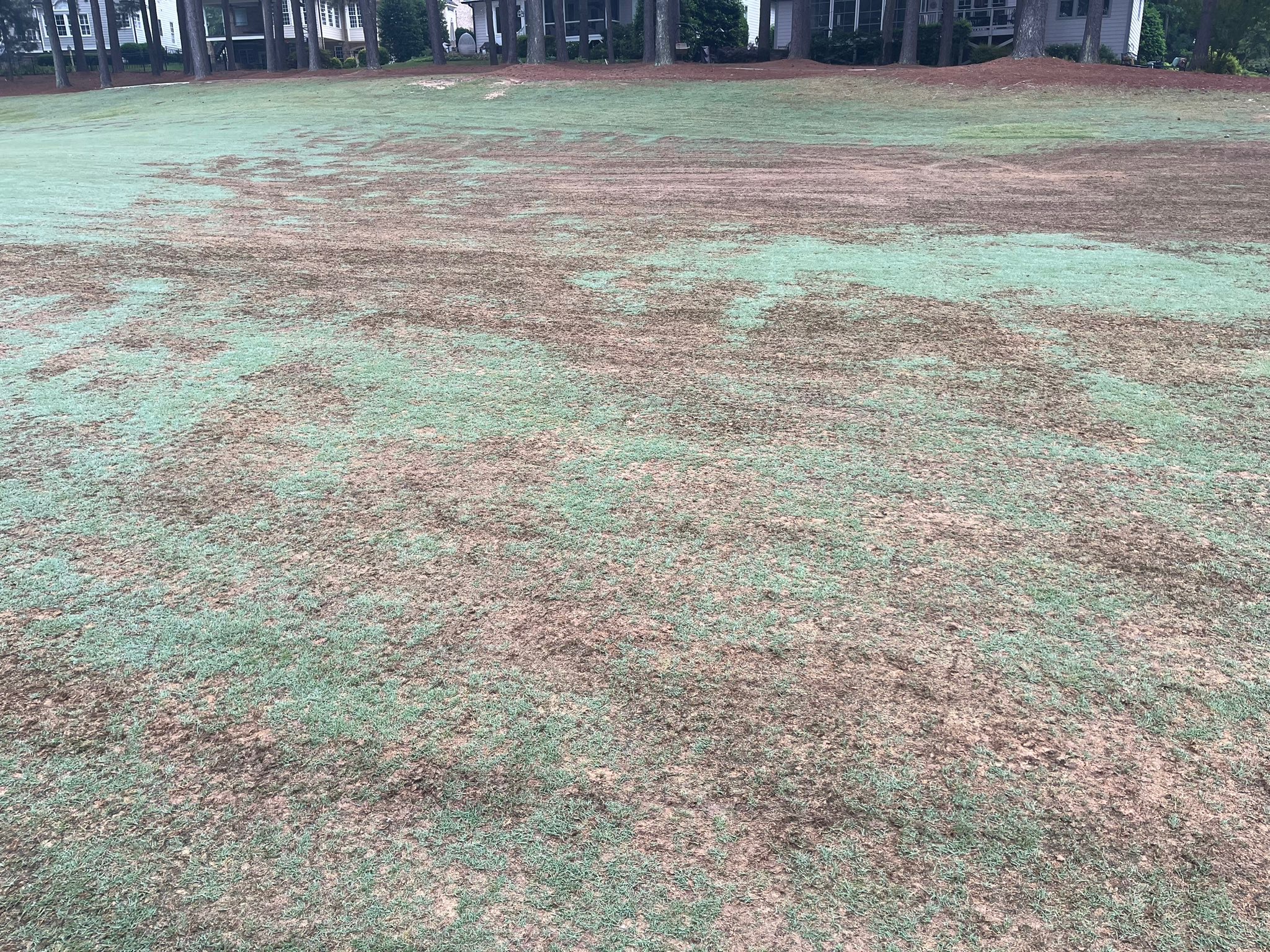
Grass blades lose green color and look dry or dead. The lawn appears patchy and less dense. These changes confuse many into thinking the grass died. In spring, Bermuda grass usually greens up again as it wakes from dormancy.
Signs Of Bermuda Grass Dieback
Bermuda grass is a warm-season grass that can show signs of stress during winter. Knowing the signs of Bermuda grass dieback helps you care for your lawn better. These signs include changes in color, texture, and root health. Recognizing these early can guide your lawn care decisions.
Color Changes
Bermuda grass often turns brown or tan in cold weather. This color shift means the grass is going dormant or dying back. Look for patches where green fades to dull brown. Consistent brown areas may indicate deeper damage.
Texture And Density
The grass blades feel dry and brittle during dieback. The lawn loses its usual thickness and looks thin. Sparse grass patches appear with more soil showing. This change reduces the lawn’s softness and fullness.
Root System Health
Healthy roots are firm and white under the soil. Dead or dying roots look dark and mushy. Weak roots make it hard for grass to recover in spring. Check roots by gently digging small soil areas.
Credit: www.turffiles.ncsu.edu
Protecting Bermuda Grass In Winter
Bermuda grass can struggle during winter. Protecting it helps keep it healthy for spring. Simple care steps prevent damage from cold and frost. Focus on good lawn care, proper feeding, and smart watering.
Taking action before winter arrives makes a big difference. Follow these tips to keep Bermuda grass strong and green.
Proper Lawn Care Practices
Cut Bermuda grass shorter before cold weather. Remove leaves and debris to avoid mold. Aerate the soil to improve air and water flow. Avoid heavy foot traffic to prevent grass damage. Keep mowing until the grass stops growing.
Fertilization Tips
Use a fertilizer high in potassium in late fall. Potassium strengthens grass against cold. Avoid too much nitrogen, which can cause weak growth. Apply fertilizer a few weeks before frost. This helps roots store energy for winter.
Watering Strategies
Water Bermuda grass less in winter but do not let it dry out. Water early in the day to reduce frost damage. Deep watering helps roots stay healthy. Watch the weather and adjust watering as needed. Avoid overwatering to prevent root rot.
Reviving Bermuda Grass After Winter
Bermuda grass often goes dormant in winter, turning brown and thin. Reviving it requires careful care as temperatures rise. Early attention helps the lawn regain its green, healthy look quickly. The grass needs water, nutrients, and some repair to bounce back fully.
Spring Lawn Maintenance
Start by removing dead leaves and debris from the lawn. Mow the grass at a low height to encourage new growth. Aerate the soil to improve air and water flow. Apply a balanced fertilizer to provide essential nutrients. Water the lawn deeply but less often to promote strong roots.
Reseeding And Repair
Check the lawn for bare or thin spots after winter. Spread Bermuda grass seed over these areas to fill gaps. Use topsoil or compost to cover the seeds lightly. Keep the soil moist until new grass sprouts. Avoid heavy foot traffic on repaired areas to protect seedlings.
Pest And Disease Control
Inspect the lawn regularly for signs of pests or diseases. Treat infestations early with safe, appropriate products. Keep the lawn clean and free of thatch to reduce problems. Proper watering and mowing also help prevent diseases. Healthy grass resists pests and recovers faster.

Credit: gardening.stackexchange.com
Alternatives For Cold Climates
Bermuda grass does not survive cold winters well. It goes dormant or dies back in freezing weather. People in cold climates need other lawn options. Choosing the right grass keeps your lawn green and healthy year-round. There are grasses that handle cold better. Some lawns change with the seasons. You can also switch grasses gradually to protect your yard.
Cold-resistant Grass Types
Fescue grass stays green in cold weather. It is strong and grows well in shade. Ryegrass grows fast and handles frost easily. Kentucky bluegrass has a rich green color and recovers quickly. These grasses survive winter better than Bermuda grass. They keep your lawn looking fresh during cold months.
Seasonal Lawn Options
Plant warm-season grass like Bermuda in spring and summer. Then add cool-season grass in fall to keep green color. This mix gives your lawn life all year. The cool-season grass grows while warm-season grass rests. This method works well in places with cold winters and hot summers.
Transition Strategies
Start by seeding cool-season grass before cold weather hits. Let it grow under dormant Bermuda grass. Gradually reduce watering and mowing Bermuda grass. This helps the cool-season grass take over smoothly. Avoid heavy traffic on your lawn during transition. This way, your yard stays healthy and green.

Credit: gardening.stackexchange.com
Frequently Asked Questions
Does Bermuda Grass Die Completely In Winter?
No, Bermuda grass goes dormant in winter but does not die. It turns brown and stops growing until warmer temperatures return.
How Can I Protect Bermuda Grass During Winter?
Keep the lawn well-watered before dormancy. Avoid heavy foot traffic and mow higher to protect roots during cold months.
When Does Bermuda Grass Start Growing Again?
Bermuda grass usually starts growing in spring. It wakes from dormancy as soil temperatures rise above 50°F (10°C).
Can Bermuda Grass Survive Freezing Temperatures?
Bermuda grass can survive mild freezes but may suffer damage in severe cold. Deep dormancy helps it withstand winter stress.
Conclusion
Bermuda grass goes dormant in cold winter months. It may look brown or dry, but it is not dead. The grass will green up again when warm weather returns. Proper care before winter helps it survive better. Avoid heavy foot traffic during dormancy to protect roots.
Water less but don’t let soil dry out completely. Patience is key—spring brings new growth and life. Knowing this helps you keep your lawn healthy year-round. Winter rest is natural for Bermuda grass, not the end.
