


The best time to seed Bermuda grass in Oklahoma is late spring to early summer, typically between April and June. This period offers warm soil temperatures above 65°F, ideal for seed germination and growth. Planting during these months ensures your lawn establishes strong roots and thrives throughout the season.
Are you ready to transform your lawn into a lush, green paradise? Knowing the perfect time to seed Bermuda grass in Oklahoma can make all the difference.
Plant too early or too late, and you might face patchy growth or wasted effort. But get the timing right, and your yard will thrive, giving you the vibrant, healthy grass you’ve been dreaming of. Keep reading to discover exactly when and how to plant Bermuda grass so your lawn stands out all season long.
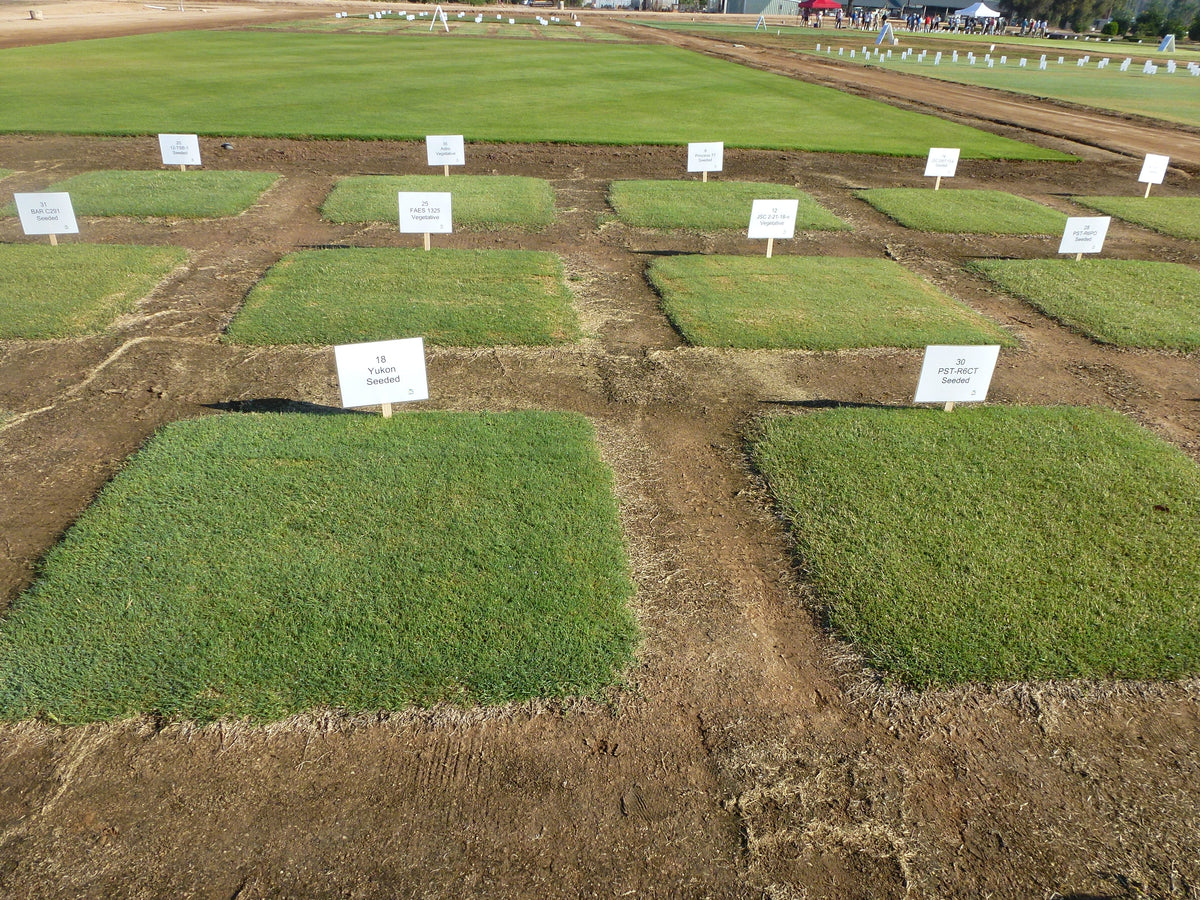
Credit: hancockseed.com
Best Time To Seed Bermuda Grass
Knowing the best time to seed Bermuda grass is key to a healthy lawn in Oklahoma. Planting at the right time helps the grass grow strong and green. It avoids problems like poor germination and weak grass. Understanding the ideal months, temperature needs, and soil conditions will guide you to success.
Ideal Planting Months
The best months to seed Bermuda grass in Oklahoma are late spring to early summer. April through June is perfect. This period offers warmth and longer days. Planting during this time allows seeds to sprout quickly and establish well. Avoid early spring or late summer because the temperatures may not be right.
Temperature Requirements
Bermuda grass needs warm soil to grow. The soil temperature should be at least 65°F. Air temperatures between 75°F and 85°F are ideal. These conditions help seeds germinate fast. Cold soil slows down growth and can kill seeds. Wait for consistent warm weather before seeding.
Soil Conditions
Good soil helps Bermuda grass grow strong roots. The soil should be loose and well-drained. Heavy clay or very sandy soils can cause problems. Test the soil pH and keep it between 6.0 and 7.0. Add organic matter if the soil is poor. Proper soil preparation boosts seed germination and growth.
Preparing Your Lawn For Seeding
Preparing your lawn for seeding is a key step to growing healthy Bermuda grass in Oklahoma. Proper preparation helps the seeds take root and grow strong. This process starts weeks before planting. It includes testing the soil, clearing old plants, and readying the ground.
Soil Testing And Amendments
Test your soil to check its pH and nutrient levels. Bermuda grass grows best in soil with a pH between 5.8 and 7.0. Use a simple soil test kit or send a sample to a local extension office. Based on results, add lime to raise pH or sulfur to lower it. Fertilize with needed nutrients like nitrogen, phosphorus, and potassium. This step ensures your soil supports healthy grass growth.
Clearing Existing Vegetation
Remove weeds, old grass, and debris from your lawn area. Clear vegetation blocks sunlight and competes with new seeds. Use a rake or hoe to pull out roots and plants. For tough weeds, a non-toxic herbicide can help. Make sure the area is clean and bare before seeding. A clear surface improves seed contact with soil.
Tilling And Leveling
Loosen the soil by tilling it to a depth of 2 to 3 inches. Tilling breaks up hard soil and improves air and water flow. After tilling, level the ground using a rake or lawn roller. A smooth surface helps even seed distribution and prevents water pooling. Proper tilling and leveling create the perfect bed for Bermuda grass seeds.
Seeding Techniques For Bermuda Grass
Seeding Bermuda grass in Oklahoma requires specific techniques to ensure healthy growth. Proper methods help the grass establish quickly and cover the lawn evenly. This section covers key seeding techniques for Bermuda grass to get the best results.
Choosing Seed Types
Choose seeds suited for Oklahoma’s climate. Common Bermuda grass varieties include common Bermuda and hybrid Bermuda. Hybrid seeds grow faster and resist drought better. Common Bermuda seeds cost less but take longer to establish. Select seeds based on your lawn’s needs and budget.
Seed Spreading Methods
Spread seeds evenly for uniform grass growth. Use a broadcast spreader for large areas. Hand spreading works well for small patches. Avoid clumping seeds, as it causes uneven growth. Lightly rake the soil after spreading to cover seeds.
Proper Seed Depth
Plant seeds at the right depth to help germination. Bermuda grass seeds should be no deeper than ¼ inch. Too deep planting slows growth and reduces sprouting. After spreading, press the soil gently to keep seeds in place. Water the area lightly to start growth.
Watering And Maintenance After Seeding
Proper watering and maintenance are vital after seeding Bermuda grass in Oklahoma. The grass needs careful care to grow strong and healthy. Watering, fertilizing, and controlling weeds help young grass establish well. Follow the right steps to protect your lawn investment.
Initial Watering Schedule
Keep the soil moist during the first two weeks. Water lightly two to three times daily. Avoid soaking the soil to prevent seed washout. Gradually reduce watering frequency after two weeks. Switch to deep watering once grass sprouts. This helps roots grow deeper and stronger.
Fertilizing Tips
Apply a starter fertilizer rich in phosphorus at seeding time. This nutrient supports root growth. Avoid high nitrogen fertilizers early on; it may harm young grass. After four to six weeks, use a balanced fertilizer. Follow product instructions carefully. Fertilizing encourages thick, green Bermuda grass.
Weed Control Strategies
Weeds compete with new grass for nutrients and water. Use a pre-emergent herbicide before seeding to reduce weeds. Avoid using post-emergent herbicides until grass is established. Hand-pull any visible weeds carefully. Maintain good lawn health to prevent weed growth naturally.
Common Challenges And Solutions
Growing Bermuda grass in Oklahoma has its challenges. Knowing common problems helps you keep your lawn healthy. Solutions are simple with the right care and attention.
Pest And Disease Management
Pests like grubs and armyworms can harm Bermuda grass quickly. Watch for brown patches or thinning grass. Use safe insecticides or natural predators to control pests. Diseases such as dollar spot and leaf spot cause yellow or brown spots. Apply fungicides early to stop spread. Proper watering and mowing reduce disease risks.
Dealing With Patchy Growth
Patchy grass often means poor soil or uneven watering. Test soil for nutrients and pH balance. Add fertilizer or lime as needed. Water deeply and evenly to encourage strong roots. Reseed bare spots with fresh Bermuda grass seed. Aerate soil to improve air and water flow.
Adjusting For Weather Variations
Oklahoma weather can change fast. Hot summers dry out grass quickly. Water early in the morning to reduce evaporation. Cool, wet springs may cause slow growth or fungal issues. Adjust watering and mowing to suit the season. Prepare your lawn for winter by cutting grass shorter and stopping fertilization early.

Credit: www.outsidepride.com
Long-term Care For Healthy Bermuda Lawns
Maintaining a healthy Bermuda lawn in Oklahoma needs regular care. Long-term attention helps your grass stay green and strong all year. Simple steps can keep the lawn looking its best.
Proper care avoids common problems like weeds and bare spots. It also helps the grass grow thick and resist drought. Focus on mowing, seasonal tasks, and soil health for lasting results.
Mowing Practices
Cut Bermuda grass often during the growing season. Keep the mower blade sharp to avoid tearing the grass. Set mower height between 1 to 2 inches. Do not cut more than one-third of the grass height at once. Regular mowing encourages thick growth and reduces weeds.
Seasonal Maintenance Tasks
Spring and fall need special attention for Bermuda lawns. Remove leaves and debris in fall to prevent mold. Fertilize in spring with a high-nitrogen fertilizer. Water deeply but less often to promote strong roots. Aerate soil in late spring to improve air and water flow.
Soil Health Monitoring
Test soil every few years to check pH and nutrients. Bermuda grass prefers soil pH between 5.8 and 7.0. Add lime or sulfur if needed to adjust pH. Use organic matter to improve soil structure and moisture retention. Healthy soil supports steady growth and reduces disease risk.
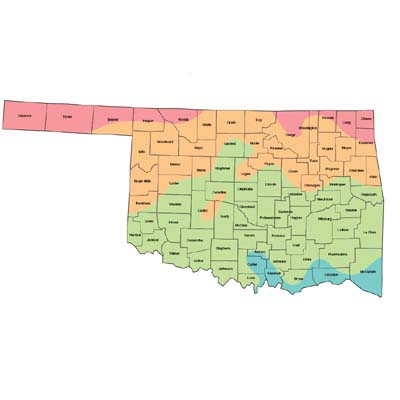
Credit: www.outsidepride.com
Frequently Asked Questions
When Is The Best Time To Seed Bermuda Grass In Oklahoma?
The ideal time to seed Bermuda grass in Oklahoma is late spring to early summer. Soil temperatures should be consistently above 65°F for optimal germination. This timing ensures strong growth before the hot summer months.
How Long Does Bermuda Grass Take To Germinate In Oklahoma?
Bermuda grass typically takes 7 to 14 days to germinate in Oklahoma. Warm soil and adequate moisture speed up this process. Proper care during this period improves seedling success.
Can I Seed Bermuda Grass In Fall In Oklahoma?
Seeding Bermuda grass in fall is not recommended in Oklahoma. Cooler temperatures slow germination and growth. Spring or early summer seeding yields better results.
What Soil Conditions Favor Bermuda Grass Seeding In Oklahoma?
Bermuda grass thrives in well-drained, sandy or loamy soil with a pH of 6. 0 to 7. 0. Proper soil preparation improves seed-to-soil contact and growth.
Conclusion
Plant Bermuda grass seed in Oklahoma during late spring or early summer. Soil temperature should be warm for best growth. Water the area regularly after seeding to keep soil moist. Avoid planting too early to prevent seed failure. Healthy grass needs sunlight, water, and good soil.
Following these simple steps will help your lawn thrive. Enjoy a lush, green yard all summer long. Start at the right time for the best results. Your lawn will thank you.
