

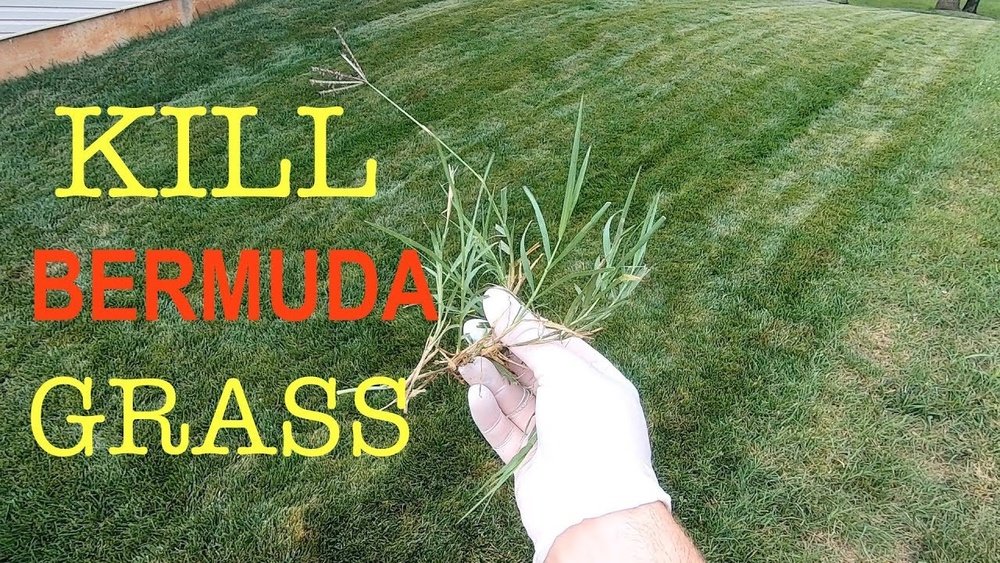
To kill Bermuda grass effectively, start by identifying it accurately, then choose between manual removal or herbicide treatment based on your lawn’s condition. Digging out roots or smothering with mulch works for small areas, while selective herbicides target Bermuda grass without harming desirable plants. Consistency and patience are essential for success.
Are you tired of Bermuda grass taking over your lawn? You’re not alone.
This stubborn weed can quickly spread, making your yard look messy and hard to manage. But don’t worry—you can take control. You’ll discover simple and effective ways to kill Bermuda grass for good. Keep reading to learn how to restore your lawn and enjoy a clean, green space you’ll be proud of.
Identify Bermuda Grass
Knowing how to identify Bermuda grass is the first step to controlling it in your lawn. This grass spreads quickly and can take over other plants. Recognizing its traits helps you decide the best way to remove it.
Many homeowners confuse Bermuda grass with other types. Clear identification saves time and effort in treatment. Below are key signs to spot Bermuda grass easily.
Characteristics Of Bermuda Grass
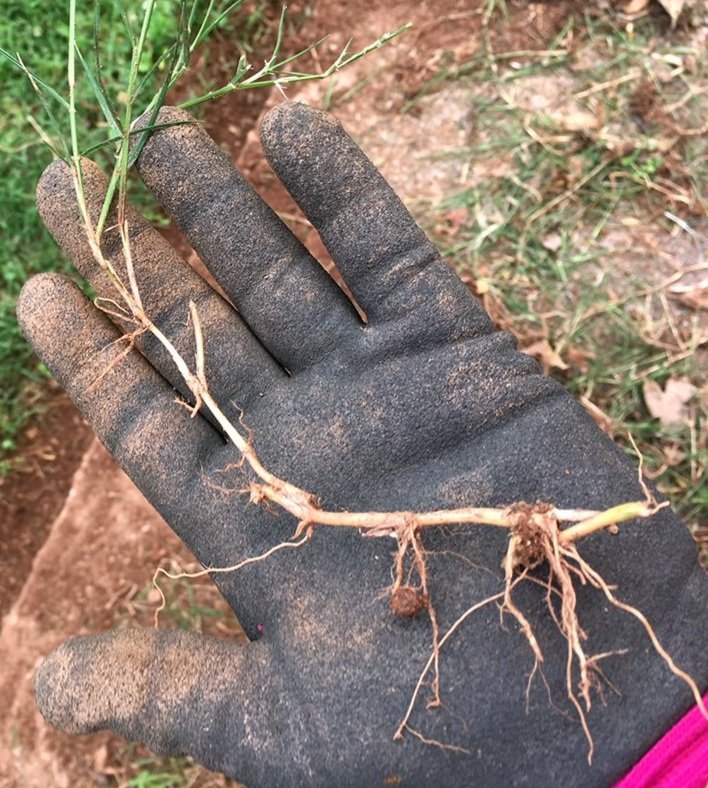
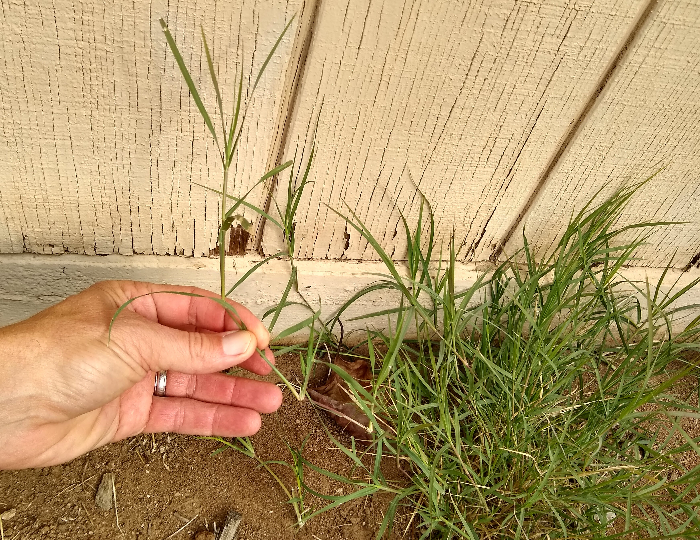
Bermuda grass has fine, narrow leaves. The blades are usually bright green. It grows low and forms a thick carpet. Stems spread along the ground and root at nodes. It produces small seed heads in summer. This grass is tough and resists drought well.
How To Spot It In Your Lawn
Look for dense patches that spread fast. The grass feels rough underfoot. It often grows in sunny areas. Bermuda grass creates runners that root quickly. It can survive heavy foot traffic and recovers fast. Check lawn edges and bare spots for new growth.

Credit: www.youtube.com
Manual Removal Techniques
Manual removal techniques offer a natural way to control Bermuda grass in your lawn. These methods require effort but avoid chemicals. They work well for small areas or spots with heavy Bermuda grass growth. Let’s explore two effective manual ways to remove this stubborn grass.
Digging Out The Grass
Use a shovel or garden fork to dig out Bermuda grass roots. Dig deeply, at least 3 to 4 inches, to remove the underground runners. Pull out all grass pieces and roots. Leaving roots behind causes regrowth. Dispose of the dug-up grass properly to stop spreading.
Digging is best on moist soil. It makes root removal easier. Repeat digging every few weeks to catch new shoots. Patience is key. This process takes time but reduces Bermuda grass effectively.
Smothering With Mulch Or Plastic
Cover the Bermuda grass with thick mulch or black plastic sheets. This blocks sunlight and starves the grass. Use 4 to 6 inches of mulch or heavy plastic that lasts several months. Keep the cover in place for 8 to 12 weeks.
Check edges to keep the cover tight. Remove any weeds that grow around the cover. This method weakens the grass without digging. After removing the cover, Bermuda grass should be thin and easier to control.
Herbicide Options
Choosing the right herbicide is key to controlling Bermuda grass in your lawn. Herbicides come in different types. Each type works best in certain situations. Understanding these options helps you pick the safest and most effective product.
Selective Vs Non-selective Herbicides
Selective herbicides target specific plants without harming others. Use these when you want to keep your lawn grass safe. They kill Bermuda grass but leave other grasses alone. Non-selective herbicides kill all plants they touch. Use these for bare spots or driveways. Be careful with non-selective types. They can damage your lawn if sprayed incorrectly.
Best Herbicides For Bermuda Grass
Glyphosate is a common non-selective herbicide. It kills Bermuda grass but also harms other plants. Use it for spot treatments or bare soil. Sethoxydim is a selective herbicide. It targets Bermuda grass in broadleaf lawns. Fluazifop is another selective option. It controls Bermuda grass in cool-season grass lawns. Always read labels for the best match.
Proper Application Methods
Apply herbicides on a calm, dry day to avoid drift. Use a sprayer for even coverage. Follow the label instructions for mixing and timing. Avoid watering your lawn right after applying. This helps the herbicide work better. Wear gloves and protective clothing during application. Store leftover herbicide safely and away from children and pets.
Credit: www.organicgrowersschool.org
Natural Remedies
Natural remedies offer a safe way to control Bermuda grass without chemicals. These methods use common household items to weaken and kill the grass. They are simple, affordable, and eco-friendly. Using natural remedies helps protect your soil and other plants nearby.
Vinegar And Salt Solutions
Mix white vinegar with salt for a strong weed killer. The acid in vinegar dries out the leaves. Salt stops Bermuda grass from growing back. Use about one cup of salt per gallon of vinegar. Spray the solution directly on the grass. Avoid spraying on plants you want to keep. Repeat the treatment every few days for best results.
Boiling Water Treatment
Pour boiling water directly onto the Bermuda grass. The heat burns the grass and kills its roots. This method works best for small patches. Be careful not to splash water on other plants. Boiling water does not leave harmful chemicals. Repeat as needed until the grass dies completely.
Preventing Bermuda Grass Regrowth
Stopping Bermuda grass from growing back is key to a healthy lawn. This grass spreads fast and takes over quickly. Careful steps help keep it under control. Focus on regular lawn care and soil health to prevent regrowth.
Lawn Maintenance Tips
Cut your grass often. Keep it at the right height, about 2 to 3 inches. This shade stops Bermuda grass seeds from growing well. Water your lawn deeply but less often. This helps grass roots grow strong and deep. Remove weeds and dead grass quickly. Use a dethatcher to clear old grass and let air reach the soil. Aerate the soil each year to improve air and water flow. These habits make your lawn tough and less friendly to Bermuda grass.
Soil Health Improvement
Check your soil’s pH level. Bermuda grass grows best in acidic soil. Aim for a pH near 6.5 to 7.5 by adding lime if needed. Use compost to add nutrients and improve soil texture. Healthy soil feeds good grass and blocks weeds. Avoid too much fertilizer, which can help Bermuda grass spread. Test your soil every few years to adjust care. Strong soil supports strong lawn growth and limits unwanted grass return.
Credit: gregalder.com
Replacing Bermuda Grass
Replacing Bermuda grass in your lawn involves careful planning and work. Bermuda grass is tough and spreads quickly, so removing it fully is important before planting new grass. This step helps your new lawn grow healthy and strong. Choosing the right grass and using proper planting methods make a big difference in your lawn’s success.
Choosing Suitable Grass Types
Pick grass types that fit your climate and soil. Cool-season grasses like fescue or ryegrass work well in cooler areas. Warm-season grasses like zoysia or St. Augustine suit warmer regions. Consider how much sun and water your lawn gets. Some grasses need more care than others. Choose grass that matches your lawn’s conditions and your maintenance plans.
Seeding And Sodding Techniques
Seeding is cost-effective and allows more grass variety. Spread seeds evenly and cover lightly with soil. Water gently but often until grass grows. Sodding gives instant green and prevents erosion. Lay sod pieces tight without gaps. Press sod firmly and water deeply after installation. Both methods need time and care to establish well.
Frequently Asked Questions
How Can I Kill Bermuda Grass Naturally?
You can kill Bermuda grass naturally by smothering it with mulch or black plastic. Solarization using clear plastic under the sun also weakens the grass. Regularly cutting and watering less helps starve its roots. These methods avoid chemicals but take several weeks to be effective.
What Herbicide Kills Bermuda Grass Effectively?
Glyphosate-based herbicides are effective for killing Bermuda grass. Apply on a calm, dry day for best results. Avoid contact with desirable plants as it is non-selective. Follow label instructions carefully to ensure safety and maximum effectiveness.
How Long Does It Take To Kill Bermuda Grass?
Killing Bermuda grass usually takes 2 to 4 weeks. Herbicides show visible effects within 1 to 2 weeks. Natural methods like smothering may require longer, up to 6 weeks. Persistence and repeated treatments improve success rates.
Can I Prevent Bermuda Grass From Spreading?
Yes, prevent Bermuda grass spread by regularly mowing and edging your lawn. Use landscape fabric barriers around garden beds. Promptly remove runners and stolons to stop new growth. Applying pre-emergent herbicides in spring also reduces spread.
Conclusion
Controlling Bermuda grass takes patience and consistent effort. Use the right herbicides carefully and follow all instructions. Regular mowing and watering help keep your lawn healthy. Removing roots thoroughly stops regrowth effectively. Stay persistent and watch your lawn improve over time.
Small steps lead to big changes in lawn care. Keep your grass green and weeds under control. Your hard work will pay off with a lush lawn.
