

For Bermuda grass, use a fertilizer high in nitrogen with balanced phosphorus and potassium to promote healthy growth and deep green color. Slow-release granular fertilizers are ideal for steady feeding, applied every 6 to 8 weeks during the growing season, while avoiding fertilizing during dormancy in winter.
Are you struggling to keep your Bermuda grass lush and green? Choosing the right fertilizer can make all the difference in how your lawn looks and grows.
But with so many options out there, it’s easy to feel overwhelmed and unsure about what your grass really needs. You’ll discover exactly what fertilizer works best for Bermuda grass, how to apply it, and tips to help your lawn thrive all year long.
Keep reading to unlock the secrets to a healthier, more vibrant yard that will make your neighbors take notice.
Choosing The Right Fertilizer
Choosing the right fertilizer for Bermuda grass helps keep your lawn green and healthy. Fertilizer supplies essential nutrients that Bermuda grass needs to grow strong. Picking the best type depends on the grass’s needs and your lawn care goals. Understanding these factors makes fertilizing easier and more effective.
Nutrient Needs Of Bermuda Grass
Bermuda grass mainly needs nitrogen for lush, green growth. It also requires phosphorus and potassium, but in smaller amounts. Nitrogen helps the grass grow fast and recover from damage. Phosphorus supports root development. Potassium boosts disease resistance and drought tolerance.
Test your soil to know its nutrient levels. This helps you choose the right fertilizer formula. A balanced fertilizer with the right mix of nitrogen, phosphorus, and potassium works best. Applying too much or too little can harm your lawn.
Types Of Fertilizers Suitable For Bermuda
Slow-release fertilizers feed Bermuda grass over time. This reduces the risk of burning the grass. Quick-release fertilizers provide nutrients fast but may need frequent application. Choose a product with the right nutrient ratio, such as 16-4-8 or 21-7-14.
Granular fertilizers are easy to spread and last longer. Liquid fertilizers act faster and can be applied with a sprayer. Use granular fertilizers for routine feeding and liquid for quick fixes or during the growing season.
Organic Vs. Synthetic Options
Organic fertilizers come from natural sources like compost and manure. They improve soil health and release nutrients slowly. Organic options are gentle and safe for the environment. They may cost more and take longer to show results.
Synthetic fertilizers are made from chemicals. They provide nutrients quickly and are often cheaper. These fertilizers need careful application to avoid damaging your lawn. Combining both types can balance fast results and soil improvement.
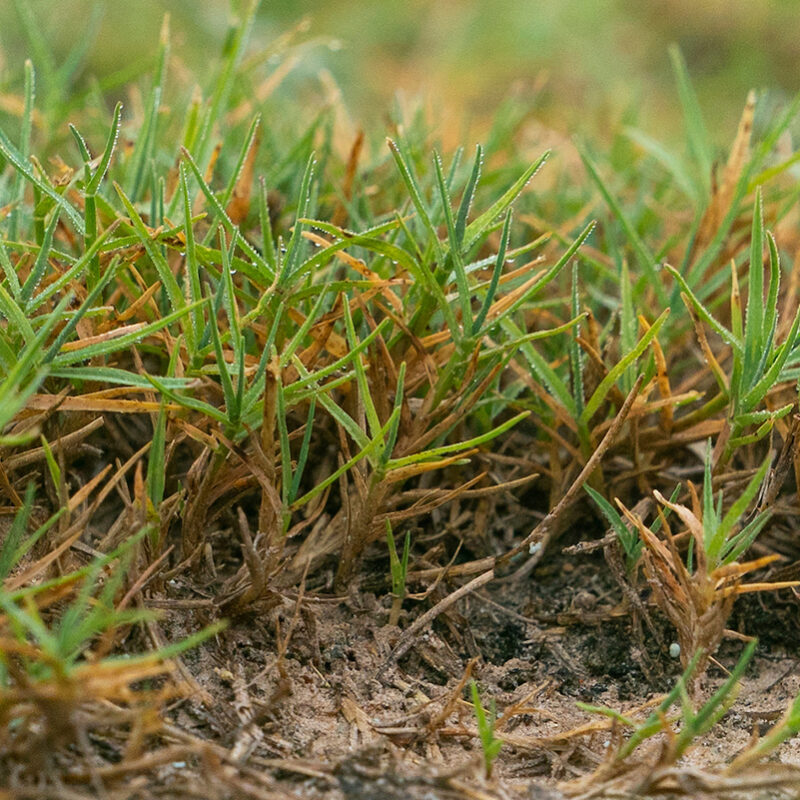
Credit: agrilifeextension.tamu.edu
When To Fertilize Bermuda Grass
Knowing the best time to fertilize Bermuda grass helps keep your lawn healthy. Fertilizing at the right moment supports strong growth and deep green color. Applying fertilizer too early or too late can harm the grass. Follow a clear schedule and watch for signs from your lawn. This keeps your Bermuda grass lush and vibrant all year.
Seasonal Fertilizing Schedule
Start fertilizing in spring when grass begins to grow. Use a fertilizer high in nitrogen for quick green-up. Apply every 6 to 8 weeks during the growing season. Stop fertilizing in late summer to let the grass prepare for dormancy. Avoid fertilizing in winter when Bermuda grass is inactive. This schedule helps grass absorb nutrients well.
Signs Your Lawn Needs Fertilizer
Yellow or pale green grass shows nutrient deficiency. Slow growth or thin patches mean fertilizer is needed. Brown spots or dry blades can also signal poor nutrition. If weeds grow faster than grass, it may lack fertilizer. Watch your lawn closely to catch these signs early. Applying fertilizer at the right time boosts lawn health.
How To Apply Fertilizer Effectively
Applying fertilizer correctly boosts Bermuda grass growth and health. Follow simple steps to get the best results. Proper application helps the grass absorb nutrients well. Avoid common mistakes to protect your lawn and environment.
Proper Spreading Techniques
Use a spreader for even fertilizer distribution. Walk at a steady pace to cover the lawn uniformly. Avoid piling fertilizer in one spot. Start spreading from the edges and move inward. Overlap slightly to prevent missed areas.
Watering After Fertilizing
Water your lawn soon after applying fertilizer. This helps nutrients soak into the soil. Use a gentle spray to avoid washing fertilizer away. Water deeply but do not flood the area. Keep the soil moist for a few days.
Safety Tips For Fertilizer Use
Wear gloves and old clothes during fertilizer application. Keep children and pets away from treated areas. Store fertilizer in a cool, dry place out of reach. Clean spreaders and tools after use. Follow instructions on the fertilizer package carefully.
Common Fertilizer Mistakes
Fertilizing Bermuda grass correctly is key to a healthy lawn. Many people make mistakes that harm their grass instead of helping it. Knowing common fertilizer errors helps avoid problems. This section highlights the biggest mistakes and their effects.
Overfertilizing Risks
Too much fertilizer can burn Bermuda grass roots. It causes yellow patches and weak growth. Overfertilizing also wastes money and pollutes nearby water. Grass needs balanced nutrients, not excess. Applying fertilizer carefully keeps grass green and strong.
Ignoring Soil Testing
Soil testing shows what nutrients the ground needs. Skipping this step can lead to wrong fertilizer use. Some soils lack nitrogen, others need more potassium. Testing prevents guesswork and helps pick the right fertilizer. Healthy soil means healthy Bermuda grass.
Applying During Dormant Periods
Bermuda grass rests in cold months. Fertilizing during dormancy does no good. The grass cannot absorb nutrients well. Fertilizer applied in dormancy may wash away. Feed Bermuda grass only in active growing seasons for best results.
Enhancing Lawn Health Beyond Fertilizer
Fertilizer is important for Bermuda grass, but it is not the only factor. Healthy lawns need care beyond feeding. Proper soil, good mowing, and pest control all help grass thrive. These steps keep your lawn green and strong.
Soil Amendments For Better Growth
Soil quality affects how well Bermuda grass grows. Adding organic matter like compost improves soil structure. It helps roots get air and water. Lime can balance soil pH if it is too acidic. Testing soil first guides the right amendments. Good soil creates a strong base for grass health.
Mowing Practices
Cutting Bermuda grass properly keeps it healthy. Set mower blades to 1 to 2 inches high. Cutting too short weakens the grass. Mow often enough to remove no more than one-third of the blade. Sharp blades give a clean cut and prevent damage. Proper mowing encourages thick, green growth.
Dealing With Weeds And Pests
Weeds and pests compete with Bermuda grass for nutrients and water. Removing weeds by hand or with herbicides helps grass grow better. Watch for pests like grubs or armyworms that damage roots and leaves. Use safe pest control methods to protect your lawn. Regular checks keep problems small before they spread.

Credit: theturfgrassgroup.com

Credit: www.lawnstarter.com
Frequently Asked Questions
What Is The Best Fertilizer For Bermuda Grass?
The best fertilizer for Bermuda grass is high in nitrogen, such as a 16-4-8 or 21-7-14 formula. Nitrogen promotes lush, green growth and helps the grass recover quickly from stress.
How Often Should I Fertilize Bermuda Grass?
Fertilize Bermuda grass every 6 to 8 weeks during the growing season. This schedule ensures steady growth and maintains a healthy, vibrant lawn throughout spring and summer.
Can I Use Organic Fertilizer On Bermuda Grass?
Yes, organic fertilizers like compost or manure improve soil health and provide slow-release nutrients. They enhance Bermuda grass growth naturally and reduce chemical runoff risks.
When Is The Best Time To Fertilize Bermuda Grass?
The best time to fertilize Bermuda grass is late spring through summer. Apply fertilizer when the grass is actively growing for optimal nutrient absorption and lawn health.
Conclusion
Choosing the right fertilizer helps Bermuda grass grow thick and green. Use fertilizers with balanced nitrogen, phosphorus, and potassium. Feed your lawn during warm months for best results. Avoid over-fertilizing to prevent damage to the grass. Water the lawn well after applying fertilizer.
Regular care keeps Bermuda grass healthy and strong. A good fertilizer supports growth and fights weeds. Simple steps make your lawn look great all year.
