


Bermuda grass typically takes about 10 to 12 weeks to reach mature growth, but initial germination happens within 7 to 14 days. Growth speed depends on factors like soil quality, watering, sunlight, and temperature. Proper care during each stage helps ensure a thick, healthy lawn faster.
Are you wondering how long it takes for Bermuda grass to grow and transform your lawn into a lush, green paradise? You’re not alone.
Whether you’re planting new grass or trying to revive a patchy yard, knowing the growth timeline can help you plan better and get the results you want. You’ll discover exactly what affects Bermuda grass growth and how to speed up the process.
Keep reading to unlock the secrets to a vibrant, healthy lawn you’ll be proud of.
Bermuda Grass Growth Stages
Bermuda grass grows through several clear stages. Each stage is important for healthy lawn development. Knowing these stages helps you care for your grass better. Growth depends on water, sunlight, and soil quality. Patience is key during each phase.
Here are the main stages of Bermuda grass growth to watch for.
Germination Period
The germination period starts when seeds absorb water. Seeds swell and break open within 7 to 14 days. Warm soil speeds up germination. Cool soil slows it down. During this time, seeds are fragile and need moisture.
Seedling Development
Seedlings emerge after germination. Small shoots grow upward while roots develop downwards. This stage lasts about 2 to 3 weeks. Seedlings need sunlight and water to grow strong. Avoid heavy foot traffic to protect young plants.
Establishment Phase
During establishment, Bermuda grass spreads by runners called stolons. Roots become deeper and thicker. The grass fills in bare spots and thickens. This phase can take 4 to 8 weeks. Proper mowing and watering support healthy growth.
Mature Growth
Mature Bermuda grass is dense and dark green. It resists heat, drought, and wear well. This stage begins about 10 to 12 weeks after planting. Regular care keeps the lawn lush and green. Mature grass recovers quickly from damage.

Credit: www.wikihow.com
Factors Affecting Growth
Bermuda grass grows at different speeds based on several key factors. These factors affect how quickly the grass spreads and thickens. Understanding them helps you care for your lawn better.
Soil Quality
Good soil is the base for healthy Bermuda grass. The soil needs to have enough nutrients like nitrogen and potassium. Well-drained soil prevents water from sitting and causing root problems. Test your soil to know what it lacks. Adding compost or fertilizer can improve soil quality.
Watering Practices
Bermuda grass needs regular watering to grow fast. Water deeply but not too often to encourage strong roots. Overwatering can drown roots and slow growth. Early morning is the best time to water. This helps the grass dry quickly and avoid disease.
Sunlight Exposure
Bermuda grass loves sunlight. It grows best with at least 6 to 8 hours of direct sun daily. Shade slows growth and makes the grass thin. Choose a sunny spot for planting Bermuda grass. More sunlight means faster and thicker growth.
Temperature Influence
Warm temperatures boost Bermuda grass growth. It thrives in temperatures between 75°F and 95°F. Cooler weather slows growth or stops it completely. Frost can damage the grass and delay recovery. Keep your lawn protected during cold spells.
Speeding Up Growth
Speeding up Bermuda grass growth helps you enjoy a lush lawn faster. With the right care, the grass spreads quickly and fills bare spots. Focus on simple steps that support healthy growth. These steps include feeding, watering, and protecting the lawn.
Proper Fertilization
Fertilizer gives Bermuda grass the nutrients it needs. Use a balanced fertilizer with nitrogen, phosphorus, and potassium. Apply fertilizer during the growing season for best results. Follow package instructions to avoid overfeeding. Too much fertilizer can harm the grass and soil.
Effective Water Management
Bermuda grass needs regular watering to grow fast. Water deeply but less often to encourage strong roots. Early morning watering reduces evaporation and disease risk. Avoid overwatering, which can cause root rot and slow growth. Adjust watering based on weather and soil type.
Weed And Pest Control
Weeds and pests compete with Bermuda grass for nutrients and water. Remove weeds by hand or use a safe herbicide. Check the lawn often for pests like grubs and mites. Use pest control methods early to prevent damage. Healthy grass resists weeds and pests better.

Credit: www.youtube.com
Maintenance Tips For Healthy Bermuda Grass
Maintaining Bermuda grass is key to keeping it green and strong. Proper care helps the grass grow thick and resist weeds. Follow simple steps to give your lawn the best chance to thrive.
Mowing Frequency
Cut Bermuda grass often to keep it healthy. Mow it about once a week during the growing season. Set your mower blade to 1 to 2 inches high. Avoid cutting more than one-third of the grass length at once. This keeps the grass from stressing and helps it grow evenly.
Aeration Benefits
Aeration helps soil breathe and lets water reach the roots. It reduces soil compaction, which can stop growth. Aerate your lawn once or twice a year, especially in spring or fall. Use a core aerator for the best results. This step improves root growth and makes the grass stronger.
Seasonal Care
Bermuda grass needs different care in each season. In spring, start watering and fertilizing as it wakes up. Summer requires regular watering to avoid dryness. In fall, reduce watering and prepare the grass for winter. Stop mowing once the grass stops growing in cold weather. Seasonal care keeps Bermuda grass healthy year-round.
Common Growth Challenges
Bermuda grass grows fast under good conditions. But some common problems can slow its growth. Knowing these challenges helps you care for your lawn better. Let’s explore some issues that affect Bermuda grass growth.
Drought Stress
Bermuda grass needs water to grow well. Without enough water, it shows signs of drought stress. The grass may turn brown and dry. Growth slows down because the roots cannot absorb enough moisture. Water your lawn regularly, especially during hot weather. This helps keep the grass green and healthy.
Disease Issues
Diseases can harm Bermuda grass and slow its growth. Fungal infections like dollar spot and brown patch are common. These cause spots and dead patches on the lawn. Avoid watering the grass late in the day. Good air flow and proper mowing reduce disease risks. Treat infections early with the right products.
Soil Compaction
Soil compaction makes it hard for roots to grow. Heavy foot traffic or machinery can compact the soil. This reduces air, water, and nutrient flow to the roots. Bermuda grass will struggle and grow slowly. Aerate the soil regularly to break up compacted areas. This encourages strong root growth and a healthy lawn.
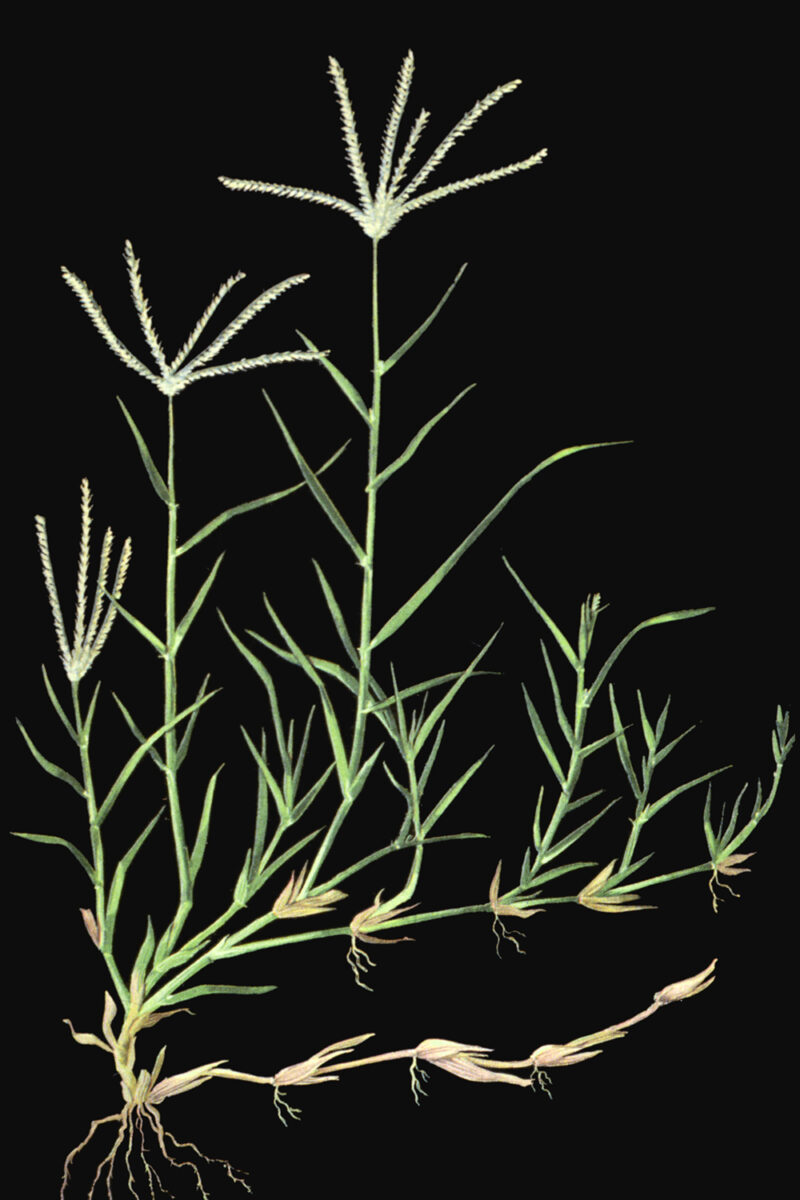
Credit: www.sare.org
Frequently Asked Questions
How Long Does Bermuda Grass Take To Fully Establish?
Bermuda grass typically takes 2 to 3 months to fully establish. Growth speed depends on soil, temperature, and watering practices. Warm weather and proper care accelerate rooting and spreading.
When Does Bermuda Grass Start To Green Up In Spring?
Bermuda grass usually greens up 2 to 3 weeks after soil temperatures reach 65°F (18°C). This signals active growth as the grass comes out of dormancy.
How Fast Does Bermuda Grass Spread In Ideal Conditions?
In ideal conditions, Bermuda grass can spread several inches per week. It spreads through stolons and rhizomes, quickly covering bare areas when properly maintained.
What Factors Affect Bermuda Grass Growth Rate Most?
Soil quality, sunlight, temperature, and watering are key factors. Bermuda grass grows best in full sun with well-drained soil and temperatures between 75°F and 95°F.
Conclusion
Bermuda grass grows steadily with the right care and weather. Expect green, healthy growth in about two to three weeks. Warm temperatures and regular watering speed up the process. Keep the soil moist but not soaked. Mowing helps the grass grow thicker and stronger.
Patience is key for a lush lawn. Watch your Bermuda grass thrive with simple steps. Your yard will soon look fresh and green.
