

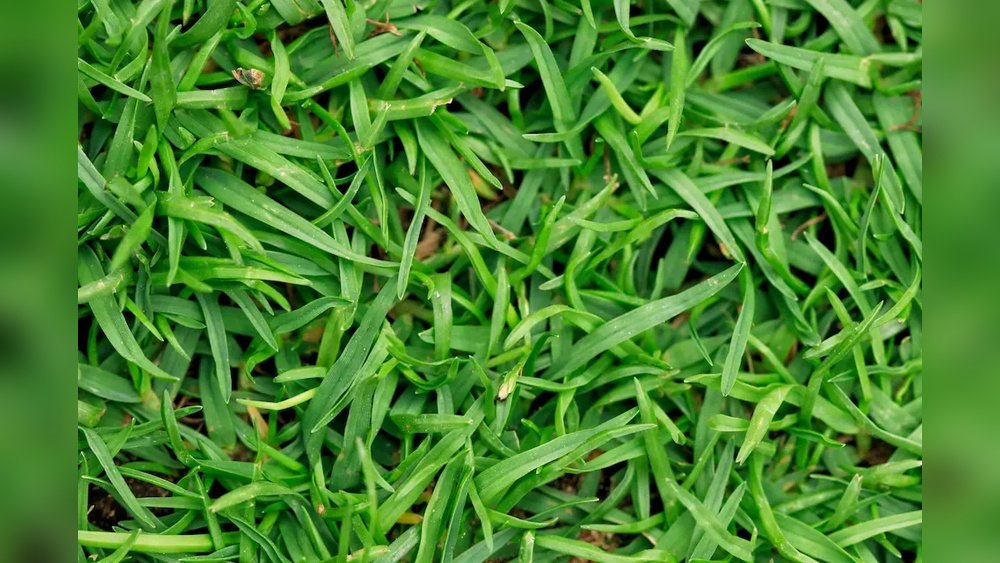
The best time to plant Bermuda grass in North Carolina is during late spring, when soil temperatures reach at least 65°F. This timing ensures the grass establishes well before cooler weather arrives, leading to a healthier, more vibrant lawn. Early summer planting is possible but requires careful watering and protection from heat stress.
Are you thinking about giving your lawn a fresh, green makeover? Knowing exactly when to plant Bermuda grass in NC can make all the difference between a patchy yard and a lush, thriving lawn.
If you want your grass to grow strong and healthy, timing is key. You’ll discover the best planting windows and expert tips that will help you get the perfect Bermuda grass lawn. Keep reading to find out how to make your yard the envy of your neighborhood!

Credit: experigreen.com
Bermuda Grass Basics
Bermuda grass is a popular choice for lawns in North Carolina. It grows fast and stays green most of the year. This grass is tough and handles heat well. It also recovers quickly from damage. Many homeowners prefer Bermuda grass for its durability and look.
Understanding its features helps in planting it right. Knowing the climate needs also improves its growth. The next sections explain the key traits and how it fits with North Carolina’s weather.
Characteristics And Benefits
Bermuda grass has fine leaves and a dense growth. It forms a thick carpet that resists weeds. This grass needs full sun to thrive. It grows best in warm temperatures. Bermuda grass uses less water than many other grasses. It also withstands heavy foot traffic well. These traits make it ideal for busy yards and sports fields.
Climate Suitability In Nc
North Carolina’s climate suits Bermuda grass well. The state has hot summers that help it grow strong. Winters are mild, so the grass stays green longer. Bermuda grass needs at least six hours of sunlight daily. It does not do well in shade or cold. Proper planting time aligns with warmer soil temperatures. This timing helps the grass establish before cold weather.

Credit: lawnlove.com
Ideal Planting Seasons
Bermuda grass grows best during warm months. Planting at the right time helps it establish strong roots and green leaves. In North Carolina, choosing the ideal season is key for a healthy lawn. The soil temperature and air warmth affect how well Bermuda grass grows. Below are the best planting times to consider.
Spring Planting Window
Spring is the most popular time to plant Bermuda grass in North Carolina. Aim for late April to early June. Soil temperatures should be around 65°F or higher. Warmer soil helps seeds or sprigs grow quickly. Planting in spring gives grass a full growing season to settle before winter. Water regularly during this period to keep the soil moist. Avoid planting too early when the ground is still cold.
Summer Planting Considerations
Summer planting is possible but needs extra care. The heat can stress new grass, so water more often. Choose early summer before the hottest months hit. Morning planting helps reduce heat shock. Use mulch or shade to protect young grass from strong sun. Keep an eye on soil moisture, as dry conditions slow growth. Planting in summer can still work if you follow these steps carefully.
Soil Preparation Tips
Preparing your soil is key for planting Bermuda grass in North Carolina. Good soil helps seeds grow strong and healthy. Take time to make the soil ready before planting. This will give your grass a better chance to thrive.
Testing And Amending Soil
Start by testing your soil’s pH and nutrients. Bermuda grass prefers a pH between 5.8 and 7.0. You can buy a simple soil test kit or send samples to a lab. Once you know the soil condition, add needed nutrients or lime to balance pH. Organic matter like compost can improve soil texture and drainage. Mix amendments well into the soil before planting.
Proper Soil Temperature
Soil temperature matters for Bermuda grass seed germination. The soil should be at least 65°F for seeds to sprout well. In North Carolina, this usually happens in late spring. Use a soil thermometer to check the temperature several inches below the surface. Planting too early in cold soil can slow growth or kill seeds. Wait until the soil warms up for best results.
Planting Methods
Choosing the right planting method helps Bermuda grass grow strong in North Carolina. The soil type, budget, and time affect your choice. Each method has its benefits and challenges. Understanding these methods helps you get a healthy lawn faster.
Seeding Bermuda Grass
Seeding is a common way to plant Bermuda grass. It uses grass seeds spread over prepared soil. Start by loosening the soil to help seeds take root. Spread seeds evenly for good coverage. Water the area daily to keep the soil moist. Seeds usually sprout within 7 to 14 days. Seeding costs less but takes longer to fill in the lawn. It works best in large areas with good soil.
Sodding And Sprigging Techniques
Sodding uses pre-grown grass patches. Lay sod pieces tightly on the soil. Press down to remove air pockets. Water sod deeply after installation. Sod gives instant green color and controls erosion. It costs more but grows quickly. Sprigging plants small Bermuda grass pieces called sprigs. These sprigs spread and fill the lawn over time. Prepare soil well before planting sprigs. Water regularly to help them root fast. Sprigging is cheaper than sod but faster than seeding. Both methods suit areas needing quick grass cover.
Watering And Maintenance
Watering and maintenance are key to growing strong Bermuda grass in North Carolina. Proper care helps the grass establish roots and stay green. This section covers how to water and fertilize your lawn for the best results.
Irrigation Schedule After Planting
Right after planting, water Bermuda grass lightly but often. Keep the soil moist, not soaked. Water two to three times daily for the first two weeks.
After two weeks, reduce watering to once a day. Gradually cut back to every other day as roots grow deeper. Once established, water deeply once or twice a week.
Early morning is the best time to water. Avoid watering at night to prevent fungus. Watch the grass for signs of dryness or overwatering.
Fertilizing For Healthy Growth
Start fertilizing Bermuda grass about four to six weeks after planting. Use a balanced fertilizer with nitrogen, phosphorus, and potassium. Nitrogen helps green growth, phosphorus strengthens roots.
Apply fertilizer every six to eight weeks during the growing season. Follow package directions to avoid over-fertilizing. Too much fertilizer can burn the grass.
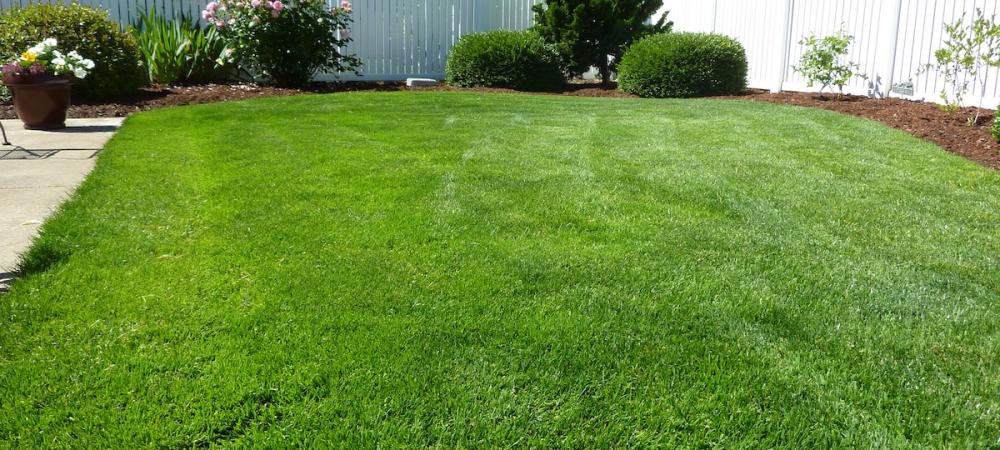
Water the lawn after fertilizing to help nutrients soak into the soil. Fertilizer supports thick, healthy turf that resists weeds and drought.
Credit: www.trianglelawns.com
Common Planting Challenges
Planting Bermuda grass in North Carolina comes with some common challenges. These issues can slow down growth or damage your lawn. Knowing these problems helps you prepare better. Here are two main challenges you might face.
Dealing With Weeds
Weeds compete with Bermuda grass for sunlight and nutrients. They grow faster and can take over your lawn quickly. Removing weeds early is important. Use a pre-emergent herbicide before planting. Hand-pull any visible weeds. Keep the soil healthy to help Bermuda grass grow strong and crowd out weeds.
Pest And Disease Prevention
Insects and diseases can harm Bermuda grass. Watch for signs like brown patches or thinning grass. Use insecticides only if pests appear. Water your lawn properly to avoid fungal diseases. Avoid overwatering and improve drainage. Healthy grass resists pests and diseases better.
Timing Mistakes To Avoid
Timing is key when planting Bermuda grass in North Carolina. Choosing the wrong time can hurt your lawn’s growth and health. Avoid common timing mistakes to give your grass the best start.
Planting Too Early Or Late
Planting Bermuda grass too early means the soil is too cold. Grass seeds need warm soil to sprout well. Cold soil slows growth and can kill young grass. Planting too late shortens the growing season. Grass won’t have enough time to grow strong before winter. Aim to plant when soil temperatures reach about 65°F consistently. This usually happens in late spring.
Ignoring Weather Patterns
Weather changes affect grass growth a lot. Heavy rain can wash away seeds or cause rot. Dry spells make it hard for seeds to grow. Check the weather before planting. Choose a time with steady, mild weather. Avoid planting just before storms or droughts. Proper timing with weather helps your Bermuda grass thrive.
Frequently Asked Questions
When Is The Best Time To Plant Bermuda Grass In Nc?
The ideal time to plant Bermuda grass in North Carolina is late spring to early summer. Soil temperatures should be consistently above 65°F. This timing ensures strong germination and healthy growth throughout the warm months.
How Long Does Bermuda Grass Take To Establish In Nc?
Bermuda grass typically takes 2 to 3 weeks to germinate in North Carolina. Full establishment may take 8 to 12 weeks under optimal conditions. Regular watering and proper care speed up the rooting and spreading process.
Can I Plant Bermuda Grass In Nc During Fall?
Planting Bermuda grass in fall is not recommended in North Carolina. Cooler temperatures slow growth and reduce root development. Spring and early summer provide the best climate for successful Bermuda grass establishment.
What Soil Conditions Suit Bermuda Grass In Nc?
Bermuda grass thrives in well-drained, sandy or loamy soils in North Carolina. A soil pH between 5. 8 and 7. 0 is ideal. Proper soil preparation improves nutrient uptake and promotes vigorous growth.
Conclusion
Plant Bermuda grass in North Carolina during late spring or early summer. Soil temperature should reach about 65°F for best growth. Planting too early can harm young grass. Water the area regularly after planting to keep soil moist. Watch for weeds and remove them quickly.
With the right timing and care, your lawn will grow thick and green. Patience helps your Bermuda grass thrive in NC’s warm months. Enjoy a healthy, lush lawn all season long.
