
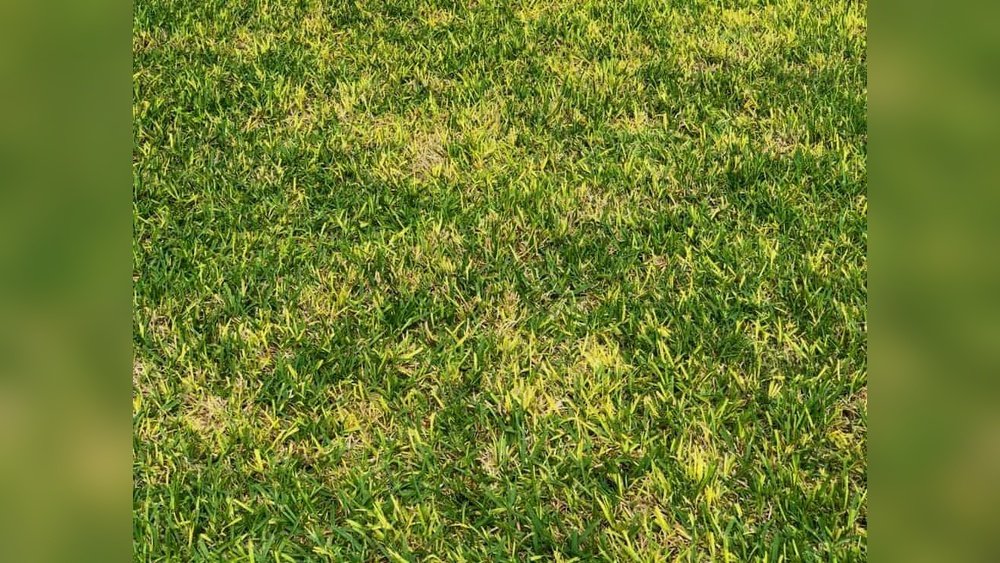
Yellowing Bermuda grass usually signals issues like nutrient deficiencies, improper watering, pest damage, or soil problems. The most common cause is a lack of nitrogen, which is vital for green growth. Identifying the exact issue quickly helps you apply the right fix and restore your lawn’s healthy color.
Is your Bermuda grass suddenly turning yellow, leaving your lawn looking tired and patchy? You’re not alone, and it can be frustrating to see your once-green yard lose its vibrant color.
But don’t worry—understanding why this happens is the first step to bringing your grass back to life. You’ll discover the common causes behind yellowing Bermuda grass and simple solutions you can use to restore its rich, green beauty. Keep reading to find out how to save your lawn and enjoy a healthy, lush yard again.

Credit: trynutripod.com
Common Causes Of Yellow Bermuda Grass
Yellow Bermuda grass can be frustrating for many homeowners. Understanding the common causes helps find the right solution. Several factors can make Bermuda grass lose its green color and turn yellow. Identifying these causes early can save the lawn from further damage.
Nutrient Deficiencies
Bermuda grass needs nutrients like nitrogen, iron, and potassium. Lack of these nutrients causes yellowing. Nitrogen deficiency is the most common reason for yellow grass blades. Using a balanced fertilizer can restore the green color.
Watering Issues
Both overwatering and underwatering harm Bermuda grass. Too much water drowns roots, causing yellow patches. Too little water stresses the grass, making it turn yellow and dry. Proper watering is key for healthy, green grass.
Pest Infestations
Insects like grubs and chinch bugs feed on Bermuda grass roots. Their damage causes yellow and brown spots. Early pest control helps prevent widespread damage. Check the lawn regularly for signs of pests.
Disease Problems
Fungal diseases can cause yellowing and dead spots on Bermuda grass. Common diseases include dollar spot and leaf spot. Treating the lawn with fungicides helps control these problems. Good lawn care reduces disease risks.
Soil Compaction
Compacted soil limits air, water, and nutrients reaching the roots. This stress causes yellow grass patches. Aerating the soil improves root growth and grass color. Soft soil supports a healthy Bermuda lawn.
Excessive Thatch
Thatch is a layer of dead grass between soil and green blades. Too much thatch blocks water and nutrients. Removing excess thatch lets Bermuda grass breathe and stay green. Dethatching in spring helps lawn health.
Environmental Stress
Heat, cold, and heavy foot traffic stress Bermuda grass. These factors cause yellowing and weak growth. Protecting the lawn from harsh conditions maintains its green color. Adjust care routines during extreme weather.

Credit: www.trianglegardener.com
Identifying Nutrient Deficiency Signs
Yellowing Bermuda grass often signals a nutrient problem. Identifying nutrient deficiency signs helps you fix the issue quickly. Knowing these signs prevents further damage to your lawn. Healthy grass needs the right balance of nutrients. Each deficiency shows unique symptoms you can spot easily.
Nitrogen Deficiency Symptoms
Nitrogen is essential for green, lush grass. A lack of nitrogen makes Bermuda grass turn pale yellow. The yellowing starts at the tips of the leaves and spreads downward. Grass growth slows down, and blades become thin. Patches of yellow grass may appear uneven across the lawn. Nitrogen deficiency is the most common cause of yellowing grass.
Iron And Magnesium Deficiency
Iron and magnesium are key for chlorophyll production. Without enough iron, leaves turn yellow but the veins stay green. This is called interveinal chlorosis. Magnesium deficiency causes older leaves to yellow first. Yellowing starts at the edges and moves inward. Both deficiencies make grass weak and less vibrant. Spotting these signs early can help restore your lawn’s health.
Soil Testing Tips
Testing your soil shows which nutrients are missing. Use a soil test kit or hire a professional service. Take samples from different parts of your lawn. Follow test instructions carefully for accurate results. The test report tells you soil pH and nutrient levels. Adjust fertilizer based on test results for best results. Regular soil testing keeps your Bermuda grass healthy year-round.
Watering Mistakes To Avoid
Watering your Bermuda grass correctly is key to keeping it green and healthy. Many people make common watering mistakes that cause the grass to turn yellow. Knowing what to avoid helps your lawn stay vibrant and strong. Below are some important watering tips to keep your Bermuda grass in great shape.
Overwatering Effects
Too much water can harm Bermuda grass. It causes roots to rot and stops oxygen from reaching them. The grass becomes weak and turns yellow. Overwatering also invites pests and diseases. This makes the lawn look unhealthy and patchy.
Underwatering Consequences
Not enough water stresses Bermuda grass. It dries out and loses its green color. The blades wilt and become brittle. The grass struggles to grow and fights off weeds poorly. Underwatering leads to a dry, yellow lawn that needs recovery.
Proper Irrigation Techniques
Water Bermuda grass deeply but less often. This encourages strong root growth. Water early in the morning to reduce evaporation. Use a sprinkler that covers the lawn evenly. Check soil moisture to avoid over or underwatering. Proper watering keeps Bermuda grass lush and green.

Credit: www.trianglegardener.com
Dealing With Pests And Diseases
Yellowing Bermuda grass often signals pest or disease problems. These issues weaken the grass, causing stress and discoloration. Early detection and treatment help restore your lawn’s health quickly.
Common Bermuda Grass Pests
Chinch bugs are small insects that suck sap from grass blades. Their feeding causes yellow spots that spread fast. Sod webworms chew grass leaves and stems, leaving brown patches. Armyworms also feed on Bermuda grass, creating irregular yellow areas. These pests thrive in warm, dry weather.
Fungal Diseases To Watch For
Dollar spot shows up as small, silver-dollar-sized yellow spots. It spreads quickly during warm, humid conditions. Brown patch causes large, circular brown or yellow patches. It appears in hot and wet weather. Leaf spot creates tiny yellow or brown spots on grass blades. Fungal infections weaken grass and reduce growth.
Treatment Options
Remove pests by using insecticidal soaps or neem oil sprays. These treatments kill pests without harming the grass. Fungicides help control fungal diseases effectively. Apply them according to package instructions for best results. Keep your lawn well-watered and avoid over-fertilizing. Proper care reduces stress and prevents pest and disease damage.
Improving Soil And Lawn Health
Healthy soil is key to green, vibrant Bermuda grass. Poor soil health often causes yellowing. Improving soil and lawn health brings life back to tired grass. Simple steps can restore nutrients and oxygen to roots.
Focus on soil condition and lawn care. This helps Bermuda grass grow strong and green again. Three main actions help: aeration, thatch removal, and soil amendments. Each supports the lawn in different ways.
Aeration Benefits
Aeration means making small holes in the soil. This lets air, water, and nutrients reach grass roots. Soil can become compacted, blocking these essentials. Aeration loosens soil and improves root growth. This process reduces stress on Bermuda grass. It also helps prevent yellow patches by improving drainage.
Thatch Removal Methods
Thatch is a layer of dead grass and roots on soil. Too much thatch stops water and nutrients from reaching roots. Removing thatch lets the lawn breathe and absorb better. Use a rake or dethatcher tool to clear thick thatch. Regular removal keeps Bermuda grass healthier and greener. It also reduces disease risk and lawn stress.
Soil Amendment Practices
Soil amendments add nutrients and improve soil texture. Common amendments include compost, sand, and peat moss. Compost enriches soil with organic matter and nutrients. Sand improves drainage in heavy clay soils. Peat moss helps retain moisture in sandy soils. Testing soil first guides the best amendments to use. Balanced soil supports strong Bermuda grass growth and color.
Quick Fixes To Restore Green Color
Bermuda grass turning yellow can be frustrating. Quick fixes can help bring back the green color fast. These simple steps focus on giving your lawn the care it needs. You don’t need special tools or skills. Just some attention and the right techniques.
Start by feeding your grass the right nutrients. Then, water it properly to avoid stress. Finally, use lawn repair products to boost growth and repair damage. These actions work together to restore a healthy, green lawn.
Fertilizer Application Tips
Choose a fertilizer high in nitrogen for Bermuda grass. Apply it evenly to avoid patchy growth. Spread fertilizer in the early morning or late afternoon. Avoid fertilizing during the hottest part of the day. Follow the instructions on the package carefully. Too much fertilizer can burn the grass.
Adjusting Watering Schedule
Water your lawn deeply but less often. This encourages strong root growth. Early morning is the best time to water. Avoid watering late in the day to prevent disease. Check soil moisture before watering again. Overwatering can cause yellowing and weak roots.
Using Lawn Repair Products
Use lawn repair products designed for Bermuda grass. These often contain seed, fertilizer, and soil conditioner. Apply to damaged or thin areas to speed recovery. Follow product instructions for best results. Lawn repair products help fill bare spots quickly.
Preventing Future Yellowing
Preventing future yellowing of Bermuda grass takes regular care and attention. A healthy lawn resists stress and stays green longer. Simple steps help maintain vibrant grass and avoid yellow patches. Consistency matters most in lawn care. Small efforts now save big problems later.
Routine Lawn Maintenance
Cut Bermuda grass at the right height, about 1 to 2 inches. Mow often, but never remove more than one-third of the blade. Water deeply and less often to encourage strong roots. Remove weeds quickly to stop them from stealing nutrients. Aerate soil yearly to improve air and water flow.
Seasonal Care Tips
Adjust care with the changing seasons. In spring, fertilize with nitrogen-rich food to boost growth. Summer needs regular watering, especially during heat. Avoid overwatering to prevent root rot. Fall calls for dethatching and overseeding to repair damage. Winter requires less watering but keep the lawn clear of debris.
Monitoring Lawn Health Regularly
Check your lawn weekly for signs of stress or disease. Yellow spots might mean poor drainage or pests. Test soil pH to keep it balanced. Look for insects or fungi that harm grass. Early detection stops problems before they spread widely.
Frequently Asked Questions
Why Is My Bermuda Grass Turning Yellow In Summer?
Bermuda grass often yellows in summer due to heat stress and drought. Lack of water and excessive sun cause the grass to lose its green color. Proper watering and occasional shade can help maintain its vibrant green during hot months.
Can Nutrient Deficiency Cause Yellow Bermuda Grass?
Yes, nutrient deficiencies, especially nitrogen, cause yellowing. Bermuda grass needs balanced fertilization to stay green. Applying a nitrogen-rich fertilizer can quickly restore the grass’s healthy color and promote growth.
How Does Overwatering Affect Bermuda Grass Color?
Overwatering leads to poor oxygen supply in soil, causing yellowing. It promotes root diseases and weak growth. Water Bermuda grass deeply but infrequently to keep roots healthy and maintain a rich green color.
Is Soil Ph A Factor In Yellow Bermuda Grass?
Yes, improper soil pH affects nutrient uptake, causing yellowing. Bermuda grass prefers slightly acidic to neutral soil (pH 6. 0-7. 0). Testing and adjusting soil pH can improve nutrient absorption and grass color.
Conclusion
Yellow Bermuda grass signals a problem with care or environment. Check watering habits and soil quality first. Too much or too little water harms grass health. Nutrient deficiencies also cause yellow patches. Pests and diseases might attack the lawn too.
Act quickly to save your grass. Healthy Bermuda grass needs balance and attention. Regular care brings green, strong turf back. Keep watching your lawn’s color and texture. Small changes can make a big difference. Stay patient and consistent for best results.
