
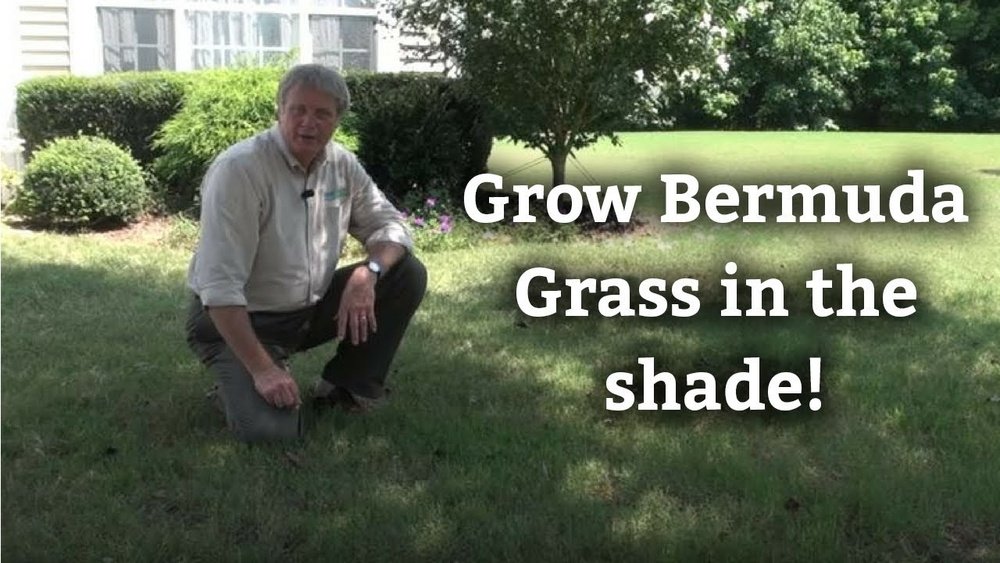
Bermuda grass generally requires full sun to thrive and struggles in shaded areas. While it can survive in light shade, its growth will be thin and pale, and it won’t stay as lush as in sunny spots. For shaded lawns, selecting shade-tolerant varieties and proper care is essential.
Are you struggling to keep your lawn green and healthy in shady spots? You might be wondering if Bermuda grass, known for its tough and lush growth, can thrive without full sun.
The truth is, shade can be a tricky challenge for many grasses, including Bermuda. But don’t worry—this article will help you understand exactly how Bermuda grass reacts to shade and what you can do to make your lawn look its best, even in less sunny areas.
Keep reading to discover practical tips and expert advice that could transform your shaded lawn into a vibrant, green space you’ll love.

Credit: www.augustachronicle.com
Bermuda Grass Basics
Bermuda grass is a popular choice for lawns in warm climates. It grows fast and recovers quickly from damage. This grass type is known for its durability and bright green color. Many homeowners prefer Bermuda grass because it creates a dense, soft lawn. Understanding its basic needs helps maintain a healthy yard.
Ideal Growing Conditions
Bermuda grass thrives in full sun. It needs at least six to eight hours of direct sunlight daily. The grass grows best in warm temperatures between 75°F and 95°F. It prefers well-drained soil with a pH from 5.8 to 7.0. Bermuda grass can handle drought but grows better with regular watering. Shade reduces its growth and causes thinning.
Common Uses In Lawns
Bermuda grass is common in sports fields and parks. It handles heavy foot traffic well. Many homeowners use it for front and backyards. The grass forms a thick carpet that resists weeds. It is also popular for golf courses and playgrounds. Its fast growth helps cover bare spots quickly.
Shade And Bermuda Grass
Bermuda grass is popular for its bright green color and fast growth. It thrives best in sunny spots but many wonder about its performance in shaded areas. Understanding how shade affects Bermuda grass helps you care for your lawn better. Shade can change the way Bermuda grass grows and looks.
Effects Of Shade On Growth
Bermuda grass needs sunlight to grow strong and green. In shade, it grows slower and becomes thin. The grass blades may turn pale and weak. Too much shade can cause bare spots in your lawn. Shade limits photosynthesis, the process plants use to make food. Less food means less energy for growth. The grass also becomes more open to disease and pests under shade stress.
Types Of Shade To Consider
Shade is not always the same. There is light shade, moderate shade, and deep shade. Light shade allows some sunlight to pass through. Bermuda grass can survive in light shade but not as well as in full sun. Moderate shade lets less sunlight reach the ground. Bermuda grass struggles to grow in this condition. Deep shade blocks most sunlight. Bermuda grass rarely grows in deep shade and often dies off. Trees and buildings cause different types of shade. Knowing the type of shade helps you decide how to care for Bermuda grass.
Selecting Shade-tolerant Varieties
Selecting the right Bermuda grass variety is key for shaded areas. Not all types grow well without full sun. Some types handle shade better and stay green longer. Choosing these can keep your lawn healthy and lush.
Shade-tolerant Bermuda grasses need less sunlight to grow strong. These varieties have traits that help them survive in less light. They spread well and resist damage from shade stress. Picking the right cultivar saves time and effort in lawn care.
Popular Bermuda Grass Cultivars
Some Bermuda grass types are known for shade tolerance. ‘TifGrand’ is one popular option. It grows well in partial shade and stays dense. ‘Celebration’ is another good choice, known for its dark green color and durability. ‘Tifway 419’ offers moderate shade tolerance and quick growth. These cultivars suit yards with some tree cover or tall structures.
Comparing Shade Tolerance Levels
Shade tolerance varies among Bermuda grass types. ‘TifGrand’ tolerates about 40% shade. ‘Celebration’ can handle up to 50%. ‘Tifway 419’ prefers less shade, about 30% to 35%. Higher shade means slower growth and thinner grass. Choose a type that matches your yard’s light level. This match improves lawn health and appearance.
Preparing Your Lawn For Shade
Preparing your lawn for shade is important for Bermuda grass health. This grass prefers sun but can survive some shade with care. Proper preparation helps Bermuda grass grow stronger even in less light.
Soil Preparation Tips
Start by testing your soil’s pH and nutrients. Bermuda grass grows best in soil with a pH between 5.8 and 7.0. Remove any debris like leaves or sticks from the area. Loosen the soil to improve air and water flow. Add organic matter like compost to boost soil quality. This helps roots grow deep and healthy. Avoid compacted soil because it blocks water and air.
Managing Competing Plants
Shade areas often have other plants competing for nutrients and space. Remove weeds and invasive plants regularly. These plants take water and nutrients from Bermuda grass. Use mulch around Bermuda grass to reduce weed growth. Avoid overwatering, which favors weeds and moss. Keep grass trimmed to allow sunlight to reach the soil. This helps Bermuda grass stay strong and healthy.
Maintenance Strategies
Maintaining Bermuda grass in shaded areas requires special care. The grass grows slower and may need less water than in full sun. Proper care helps keep it green and healthy despite less light. Focus on watering, fertilizing, and mowing to support its growth.
Watering Practices In Shade
Bermuda grass in shade needs less water than in sunny spots. Water deeply but less often to avoid soggy soil. Early morning watering reduces disease risks. Check soil moisture regularly to prevent overwatering.
Fertilization For Shady Areas
Use a balanced fertilizer with nitrogen, phosphorus, and potassium. Fertilize lightly to avoid overfeeding the grass. Apply fertilizer during the growing season for best results. Avoid fertilizing in late fall to prevent stress.
Mowing Techniques
Keep mower blades sharp for clean cuts. Set the mower height higher in shade to protect the grass. Mow regularly but do not cut more than one-third of the blade. Leaving grass longer helps it capture more light.
Troubleshooting Common Issues
Troubleshooting common issues helps keep Bermuda grass healthy in shade. Shade reduces sunlight, which affects grass growth. This causes some problems that need quick attention. Fixing these issues early can save your lawn.
Dealing With Thinning Grass
Thinning grass is a sign of stress in shaded areas. Grass needs sunlight to grow thick and strong. Thin patches show weak growth and bare spots. Regular watering helps, but avoid overwatering. Use a lawn aerator to improve soil air flow. Apply a light fertilizer to support growth. Avoid heavy foot traffic on thin areas to prevent damage. Overseed with shade-tolerant grass varieties to fill gaps.
Pest And Disease Management
Pests and diseases attack Bermuda grass under stress. Shade can create moist conditions that pests like. Watch for insects like grubs and mites. Use natural insecticides or neem oil for control. Diseases like dollar spot and brown patch appear in damp spots. Remove dead grass to stop spread. Ensure good air circulation by trimming nearby plants. Treat infections early with fungicides made for lawns.
Alternative Grass Options
Finding the right grass for shady areas can be tough. Bermuda grass needs a lot of sunlight, so it often struggles in shade. Choosing a different type of grass helps keep your lawn green and healthy. Some grasses grow better with less sun and still look good.
Grasses Better Suited For Shade
Fescue grass does well in shady spots. It grows strong with less sunlight and stays green in cooler weather. Zoysia grass also works in partial shade. It handles heat and shade better than Bermuda. St. Augustine grass thrives in shade too. Its thick blades block weeds and keep soil moist. These grasses need less sun and can cover shady lawns nicely.
Combining Grass Types For Best Results
Mixing grass types can give a fuller lawn look. Use Bermuda in sunny areas and fescue in the shade. This balance helps each grass grow where it likes best. Over time, your lawn stays green all over. The mix also stops bare patches and reduces weeds. It takes some care but improves lawn health and beauty.

Credit: www.youtube.com

Credit: www.augustachronicle.com
Frequently Asked Questions
Can Bermuda Grass Grow Well In Shade?
Bermuda grass prefers full sunlight and struggles in shade. It grows best with at least 6 hours of direct sun daily. In shaded areas, it becomes thin and weak, making it unsuitable for dense shade conditions.
How Much Sunlight Does Bermuda Grass Need?
Bermuda grass requires 6 to 8 hours of direct sunlight daily. Insufficient sunlight reduces its growth, color, and density. Proper sunlight ensures healthy, thick turf and prevents weed invasion.
What Are Shade-tolerant Alternatives To Bermuda Grass?
For shaded lawns, consider alternatives like St. Augustine, Zoysia, or Fine Fescue grasses. These grasses tolerate low light better than Bermuda. They maintain good color and density in partial to full shade.
Can Bermuda Grass Survive Under Tree Shade?
Bermuda grass struggles under dense tree shade due to limited sunlight. Tree roots also compete for nutrients and water. Light pruning of trees can improve sunlight, but complete shade reduces Bermuda’s health.
Conclusion
Bermuda grass needs sunlight to grow well. It struggles in deep shade and may thin out. Partial shade might work but growth slows down. Choose grass types that handle shade better for dark areas. Good lawn care helps any grass stay healthy.
Water, mow, and fertilize regularly for best results. Think about your yard’s light before planting Bermuda grass. A bright, sunny spot will give the best lawn.
