
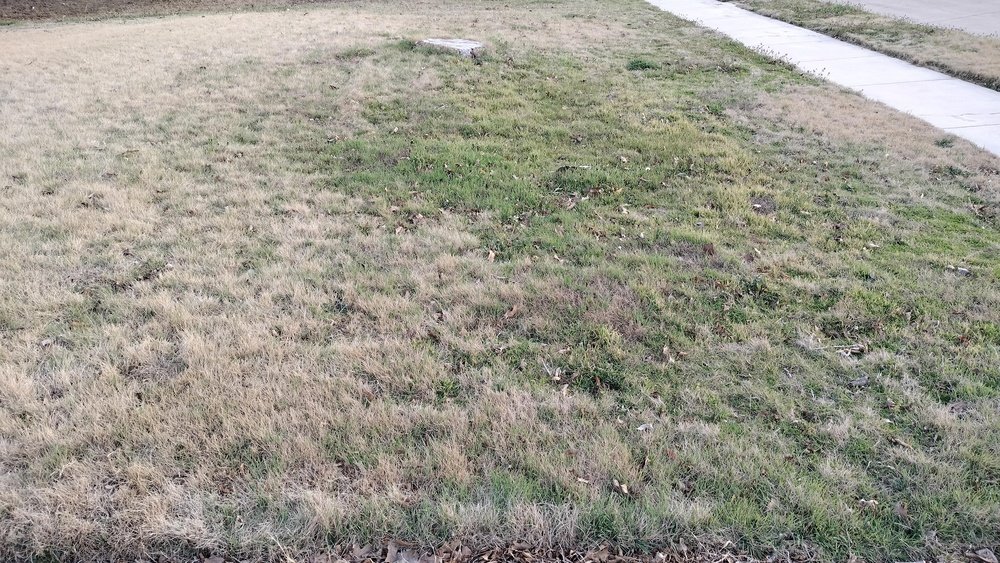
Epsom salt can benefit Bermuda grass by providing magnesium and sulfur, essential nutrients that promote greener color and stronger root growth. When used correctly, it helps improve soil nutrient balance and supports healthy lawn development. However, proper application is key to avoid potential damage from overuse.
Are you looking for a simple way to keep your Bermuda grass lush and healthy? You might have heard about using Epsom salt as a lawn booster, but does it really work?
Understanding how Epsom salt affects your Bermuda grass can save you time and money while giving your lawn the care it needs. You’ll discover the truth about Epsom salt and learn whether it’s a good choice for your grass. Keep reading to find out how to make your lawn thrive!

Credit: www.youtube.com
Benefits Of Epsom Salt
Epsom salt offers several benefits for Bermuda grass. It supplies important nutrients that help the grass grow strong and green. Using Epsom salt can improve the overall health of your lawn naturally.
Many gardeners find it useful to boost the quality of their soil and support plant growth. Understanding how Epsom salt helps can guide better lawn care practices.
Magnesium’s Role In Grass Health
Magnesium is a key nutrient in Epsom salt. It helps Bermuda grass produce chlorophyll, the green pigment in leaves. More chlorophyll means better photosynthesis, which fuels grass growth.
Without enough magnesium, grass may look yellow and weak. Adding Epsom salt can prevent these issues by supplying this vital mineral.
Improving Soil Nutrient Balance
Epsom salt helps balance nutrients in the soil. It adds magnesium and sulfur, which are often missing in many soils. These nutrients support healthy grass and improve soil quality.
Better nutrient balance leads to thicker, greener Bermuda grass. It also helps the soil hold water and nutrients more effectively.
Enhancing Root Development
Strong roots are essential for healthy Bermuda grass. Epsom salt encourages root growth by providing sulfur and magnesium. These minerals support root function and growth.
With better roots, grass can absorb water and nutrients more efficiently. This leads to a lush, healthy lawn that resists stress and drought.
Applying Epsom Salt To Bermuda Grass
Applying Epsom salt to Bermuda grass can improve its health and growth. This natural mineral provides magnesium and sulfur, two elements that Bermuda grass needs. Proper application ensures the grass absorbs these nutrients well. Follow the right steps for best results.
Too much Epsom salt can harm the grass. Too little may not help. Knowing how and when to apply is important for a green, strong lawn.
Recommended Application Rates
Use about 1 to 2 pounds of Epsom salt per 1,000 square feet of lawn. Spread it evenly to avoid burning the grass. For small patches, 1 tablespoon per square foot works well. Water the lawn after applying to help the salt dissolve and reach the roots.
Best Timing For Application
Apply Epsom salt during the growing season, typically spring through early fall. Early morning or late afternoon is best to avoid the midday sun. Applying before watering or rain helps nutrients soak into the soil. Avoid application during drought or extreme heat.
Methods Of Spreading Epsom Salt
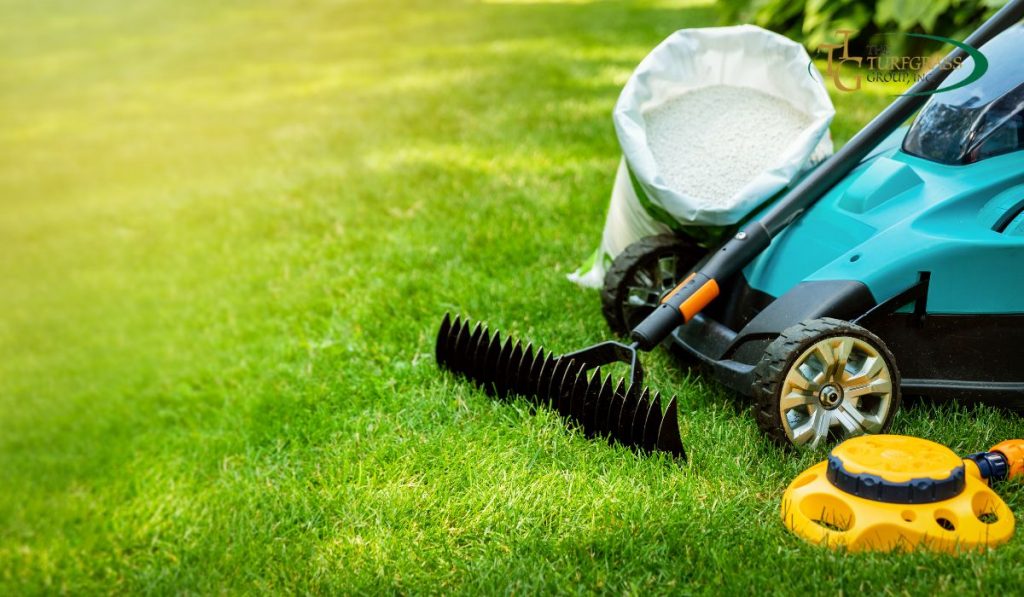
Use a handheld spreader for small areas to distribute salt evenly. For larger lawns, a rotary or drop spreader works well. You can also dissolve Epsom salt in water and spray it using a garden sprayer. Always test a small area first to check how Bermuda grass reacts.
Potential Risks And Precautions
Using Epsom salt on Bermuda grass has benefits, but it also carries risks. Understanding these risks helps protect your lawn and soil health. Take precautions to avoid problems that may harm your grass.
Overuse Effects On Soil
Too much Epsom salt can change soil balance. It may raise magnesium levels too high. This can stop grass from absorbing other important nutrients. Soil structure might also get damaged. Avoid using Epsom salt more than recommended. Test soil regularly to check nutrient levels.
Signs Of Magnesium Toxicity
Magnesium toxicity can harm Bermuda grass. Look for yellowing leaves or spots on grass blades. Grass may become weak and grow slowly. Roots might get damaged, reducing water absorption. Stop applying Epsom salt if these signs appear. Use soil tests to confirm magnesium levels.
Combining With Other Fertilizers
Mixing Epsom salt with other fertilizers can cause nutrient imbalance. Too much magnesium can block calcium and potassium uptake. This weakens grass health and growth. Apply fertilizers separately and follow label instructions. Monitor grass condition to avoid problems.
Credit: theturfgrassgroup.com
Alternative Lawn Care Tips For Bermuda Grass
Taking care of Bermuda grass means more than just using Epsom salt. There are other ways to keep your lawn green and healthy. These tips help your grass grow strong and look good all season.
Small changes in your routine can lead to big improvements. Focus on watering, mowing, and feeding your grass naturally. These steps support the health of Bermuda grass without harsh chemicals.
Proper Watering Techniques
Water Bermuda grass deeply but less often. This encourages roots to grow deeper. Shallow watering leads to weak roots and brown patches. Early morning watering reduces water loss from evaporation. Avoid watering at night to prevent fungus growth. Use a sprinkler that covers evenly for best results.
Mowing Practices For Healthier Grass
Keep your mower blades sharp to avoid tearing the grass. Set your mower height to about 1 to 2 inches. Cutting too short stresses the grass and invites weeds. Leave grass clippings on the lawn to add nutrients. Mow frequently during the growing season to promote thick grass. Always change mowing patterns to prevent soil compaction.
Using Organic Fertilizers
Organic fertilizers feed the soil and grass gently. They improve soil health over time without chemicals. Compost, manure, and seaweed extracts are good options. Apply fertilizer during the growing season for best results. Avoid over-fertilizing, which can harm the grass. Organic options support beneficial microbes that help Bermuda grass thrive.
Expert Recommendations
Experts offer clear advice on using Epsom salt for Bermuda grass. Their tips help you apply it safely and effectively. Knowing when and how to use Epsom salt can improve your lawn’s health.
Following expert guidance prevents damage and supports strong, green grass. Careful observation after application ensures the best results.
When To Use Epsom Salt
Use Epsom salt during the growing season for Bermuda grass. Spring and early summer are ideal times. This helps the grass absorb magnesium and sulfur better. Avoid using it in extreme heat or drought. Applying at the right time boosts lawn growth and color.
Consulting Lawn Care Professionals
Talk to lawn care experts before adding Epsom salt. They test soil to check nutrient needs. Professionals recommend the right amount and frequency. Their advice prevents overuse, which can harm the grass. Rely on experts for a healthy Bermuda lawn plan.
Monitoring Lawn Response
Watch your lawn after applying Epsom salt. Look for greener, thicker grass and fewer brown patches. If the grass looks worse, stop using it. Regular checks help adjust treatment for best results. Monitoring ensures your lawn stays healthy and vibrant.

Credit: www.amazon.sa
Frequently Asked Questions
Is Epsom Salt Beneficial For Bermuda Grass Growth?
Epsom salt provides magnesium and sulfur, essential for Bermuda grass health. It improves chlorophyll production and root development, promoting lush growth.
How Often Should I Apply Epsom Salt To Bermuda Grass?
Apply Epsom salt every 4-6 weeks during the growing season. Avoid overuse to prevent soil nutrient imbalance and potential grass damage.
Can Epsom Salt Improve Bermuda Grass Color?
Yes, magnesium in Epsom salt enhances chlorophyll, deepening Bermuda grass’s green color. It helps maintain a vibrant, healthy lawn appearance.
Does Epsom Salt Replace Regular Lawn Fertilizer?
No, Epsom salt supplements magnesium and sulfur but does not replace complete fertilizers. Use it alongside balanced fertilizer for best results.
Conclusion
Epsom salt can help Bermuda grass grow greener and stronger. It adds magnesium and sulfur, which the grass needs. Use it carefully and do not apply too much. Always water your grass after putting Epsom salt down. This keeps the nutrients working well in the soil.
Regular care and proper feeding make your lawn healthy. Try Epsom salt as part of your lawn care routine. Watch your Bermuda grass become lush and healthy over time. Simple steps make a big difference in lawn care.
