

Are you ready to transform your lawn into a lush, green paradise? Knowing the best time to plant Bermuda grass seed is the first step to achieving that beautiful yard you’ve always wanted.
Plant too early or too late, and you could waste time, money, and effort. But get the timing right, and your grass will thrive, giving you a vibrant lawn all season long. Keep reading to discover exactly when to plant Bermuda grass seed so you can enjoy a healthy, thick lawn that stands out in your neighborhood.
Credit: theturfgrassgroup.com
Ideal Climate For Bermuda Grass
Bermuda grass grows best in warm climates. It needs plenty of sun and heat to thrive. Understanding the ideal climate helps you plant at the right time. Proper planting leads to a healthy, green lawn.
Temperature Requirements
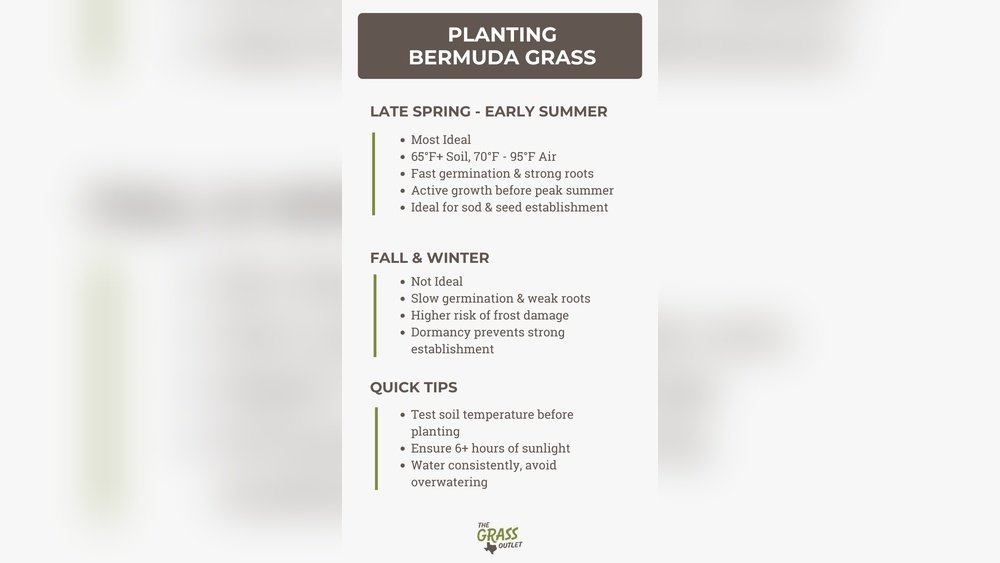
Bermuda grass seeds need warm soil to sprout. The best soil temperature is between 65°F and 75°F. Cooler soil slows down germination. Warmer soil speeds up growth. Night temperatures above 60°F help the grass grow strong. Avoid planting when temperatures drop below 50°F. Cold soil can kill the seeds.
Seasonal Considerations
Spring and early summer are the best planting seasons. Soil warms up naturally during these months. The grass has enough time to grow before cooler weather. Planting too late in the year risks frost damage. Hot summer days help the grass spread quickly. Avoid planting in fall or winter. Cold weather stops seed growth and weakens new grass.

Credit: thegrassoutlet.com
Best Planting Seasons
Choosing the right season to plant Bermuda grass seed affects how well it grows. The best planting seasons are spring, summer, and fall. Each season has its own benefits and challenges. Understanding these can help you get a thick, green lawn faster.
Spring Planting
Spring is a popular time for planting Bermuda grass seed. The soil warms up, which helps seeds sprout quickly. Days get longer, giving the grass enough sunlight. Rainfall in spring also supports seed germination. Planting in spring gives the grass plenty of time to grow strong before winter.
Summer Planting
Summer offers warm soil and long daylight hours. This combination speeds up seed germination and growth. Watering is important during summer to keep seeds moist. Watch out for extreme heat, which can stress young grass. With proper care, summer planting produces a healthy lawn by fall.
Fall Planting
Fall provides cooler temperatures and less heat stress. The soil is still warm enough for seeds to sprout. Fall rains help keep the soil moist. Planting in fall allows grass to build roots before winter. This strong root system helps the lawn grow well in spring.
Soil Preparation Tips
Preparing the soil is key to growing healthy Bermuda grass. Good soil helps seeds grow strong roots. It also keeps the grass green and thick. Follow simple steps to get your soil ready for planting.
Soil Testing
Start with a soil test to know your soil’s health. Testing shows nutrient levels and pH balance. Bermuda grass grows best in soil with a pH between 5.8 and 7.0. Use a home test kit or send a sample to a lab. This step saves time and money on wrong treatments.
Amending Soil
Add needed nutrients to fix your soil’s problems. Lime raises pH if soil is too acidic. Sulfur lowers pH if soil is too alkaline. Use fertilizer with nitrogen, phosphorus, and potassium for strong growth. Mix amendments well into the soil for even results.
Tilling And Leveling
Break up the soil by tilling to create a soft bed. This lets roots grow deep and wide. Remove rocks, weeds, and debris during tilling. After tilling, level the soil surface with a rake. A flat surface helps seed spread evenly and soak up water.
Seeding Methods
Choosing the right seeding method helps your Bermuda grass grow healthy and strong. Different methods suit different yards and budgets. Understanding these options makes planting easier and more successful.
Broadcast Seeding
Broadcast seeding spreads grass seeds evenly over the soil surface. You can use a handheld or push spreader. This method covers large areas quickly. Watering after seeding is very important. Seeds need moisture to start growing. Broadcast seeding is cost-effective and simple for homeowners.
Hydroseeding
Hydroseeding sprays a mixture of seeds, water, and mulch on the soil. This method helps keep seeds moist and protected. It works well on slopes or uneven ground. Hydroseeding gives faster germination and better seed coverage. It costs more but saves time and effort.
Sodding Vs. Seeding
Sodding uses pre-grown grass cut into rolls or squares. It creates an instant lawn with no waiting time. Seeding takes longer but costs less. Sod needs more water at first to establish roots. Seeding allows you to choose from many grass types. Both methods can produce a lush Bermuda lawn.
Watering Guidelines
Water is key to growing healthy Bermuda grass from seed. Proper watering helps seeds sprout fast and roots grow deep. Too little water stops growth. Too much water causes disease. Follow these watering guidelines for best results.
Initial Watering Schedule
Right after planting, water the area gently. Keep the soil wet but not soaked. Water two to three times daily for about 5 to 10 minutes each time. This frequent watering helps seeds stay moist and start to germinate. Avoid heavy watering that can wash seeds away.
Maintaining Moisture
Once sprouts appear, water less often but deeper. Aim for one or two waterings per day. Water early in the morning to reduce evaporation. Moist soil encourages strong root growth. Check soil daily and keep it damp but not muddy.
Adjusting For Weather
Hot, dry days need more water to keep soil moist. Water early to avoid heat loss. After rain, reduce watering to prevent overwatering. Cool or rainy weather means less watering is needed. Always watch the soil and adjust watering based on weather changes.
Credit: theturfgrassgroup.com
Fertilizing Bermuda Grass
Fertilizing Bermuda grass is key for healthy growth. It helps the grass develop strong roots and a rich green color. Proper fertilizing supports the grass during hot weather and dry spells. Knowing the right fertilizer and timing boosts your lawn’s success.
Choosing The Right Fertilizer
Pick a fertilizer high in nitrogen for Bermuda grass. Nitrogen helps leaves grow thick and green. Look for balanced fertilizers with nitrogen, phosphorus, and potassium. Avoid fertilizers with too much phosphorus unless a soil test shows a need. Slow-release fertilizers feed the grass over time. They reduce the risk of burning the young grass seed.
Fertilizing Timeline
Start fertilizing after the grass begins to sprout and grow. Usually, this happens 2 to 3 weeks after planting. Apply fertilizer every 6 to 8 weeks during the growing season. Stop fertilizing by late summer to prepare the grass for cooler weather. Fertilizing too late can weaken the grass before winter.
Common Challenges
Planting Bermuda grass seed can face some common challenges. Knowing these helps you care for your lawn better. Problems like weeds, pests, and diseases often slow grass growth. Addressing these early gives your Bermuda grass a strong start.
Weed Control
Weeds compete with Bermuda grass for water and nutrients. They can quickly take over bare soil. Applying a pre-emergent herbicide before planting helps reduce weed seeds. Pulling weeds by hand keeps the area clean during early growth. Use mulch to block weed growth and keep moisture in the soil.
Pest Management
Insects like grubs and armyworms damage Bermuda grass roots and leaves. Check your lawn often for signs of pests. Use natural predators or insecticides if pests appear. Avoid overwatering, as wet soil attracts more pests. Healthy grass resists pests better than weak grass.
Dealing With Disease
Bermuda grass can get fungal diseases such as leaf spot and dollar spot. These diseases cause brown patches and slow growth. Water your lawn early in the day to let grass dry quickly. Use fungicides if disease symptoms spread. Proper mowing height and good air circulation reduce disease risk.
Signs Of Healthy Growth
Knowing the signs of healthy growth helps you care for Bermuda grass properly. Healthy grass looks strong and vibrant. It shows that seeds have sprouted well and the grass is ready to thrive. Watching these signs early can save time and effort in lawn care.
Germination Timeframe
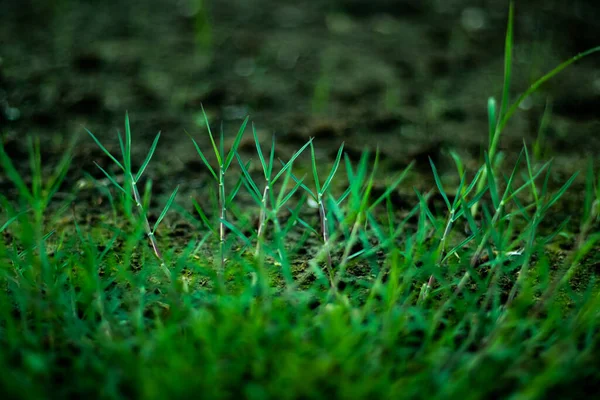
Bermuda grass seeds usually begin to sprout within 7 to 14 days. This period depends on soil warmth and moisture. Seeds that take longer than two weeks may face problems. Check soil temperature; it should be around 65 to 70 degrees Fahrenheit. Warm soil helps seeds grow faster and better.
Color And Texture Indicators
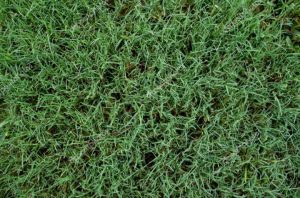
Healthy Bermuda grass has a deep green color. Light green or yellow hints often mean stress or poor nutrients. The grass texture should be soft but firm. Thin or patchy grass shows weak growth. Look for thick, even coverage for the best lawn health.
Frequently Asked Questions
When Is The Best Month To Plant Bermuda Grass Seed?
The best months to plant Bermuda grass seed are late spring through early summer. Soil temperatures must reach around 65°F for optimal germination. Planting during this time ensures warm weather, promoting fast growth and healthy turf development.
How Long Does Bermuda Grass Seed Take To Germinate?
Bermuda grass seed typically takes 7 to 21 days to germinate. Warm soil and consistent moisture speed up the process. Cooler temperatures can delay germination, so planting in warm months is crucial for timely growth.
Can Bermuda Grass Seed Be Planted In Fall?
Planting Bermuda grass seed in fall is not ideal. Cooler temperatures slow germination and growth. It’s better to plant in late spring or early summer when soil warmth supports healthy seedling development.
What Soil Temperature Is Ideal For Bermuda Grass Seed?
The ideal soil temperature for Bermuda grass seed is between 65°F and 70°F. This warmth encourages quick germination and strong root growth. Soil that’s too cold or too hot can hinder seedling development.
Conclusion
Planting Bermuda grass seed during warm months helps it grow strong. Aim for late spring to early summer for best results. The soil should be warm, around 65 to 70 degrees Fahrenheit. Water the seed regularly to keep the soil moist.
Avoid planting when temperatures drop below 60 degrees. Patience is key—grass needs time to sprout and fill in. Healthy grass creates a lush, green lawn you can enjoy. Timing and care make all the difference for Bermuda grass growth. Choose the right season, and your lawn will thrive.
