
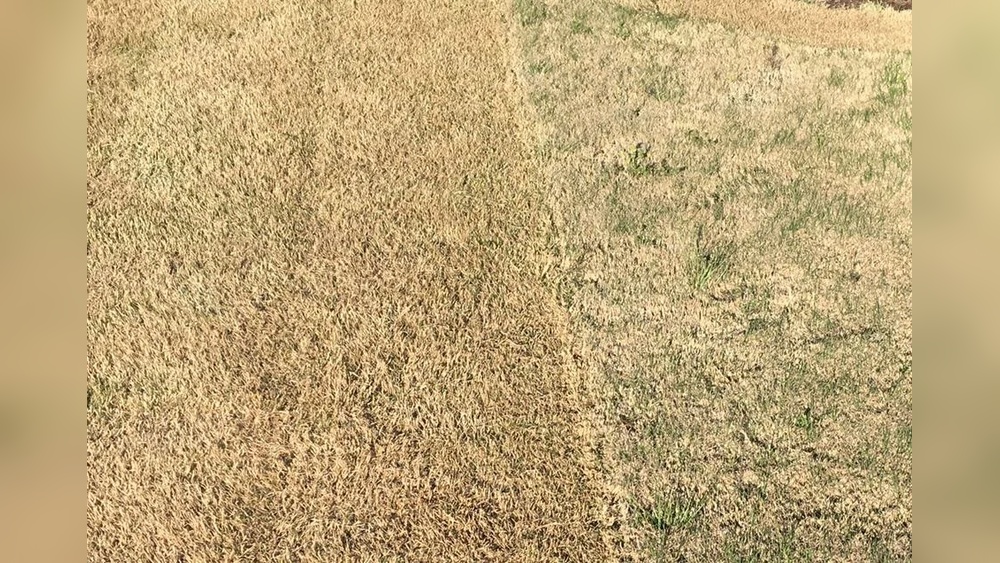
The best time to scalp Bermuda grass is in early spring, just as the grass begins to wake from dormancy. This timing helps remove dead grass and thatch, allowing healthy new growth. Choose a dry, mild day to scalp, avoiding extreme temperatures to ensure your lawn recovers quickly and stays vibrant.
Are you wondering when the best time to scalp your Bermuda grass is? Knowing the right moment can make all the difference in how healthy and lush your lawn looks.
Scalp too early or too late, and you might end up harming your grass instead of helping it. You’ll discover the perfect timing and simple tips to keep your Bermuda grass strong and green. Keep reading to learn how to make your lawn the envy of your neighborhood!
Ideal Timing For Scalping
Knowing the right time to scalp Bermuda grass is key to a healthy lawn. Scalping means cutting the grass very short. Doing this at the right time helps new grass grow strong. It also removes old dead grass that blocks sunlight and water. Timing depends on the season, weather, and how your lawn looks.
Seasonal Considerations
Scalp Bermuda grass in early spring. This is just before the grass starts growing fast. Scalping too early can harm the grass. Wait until the grass shows signs of waking up from winter. Avoid scalping in fall or winter because the grass slows down growth. Spring scalping gives the lawn a fresh start for the growing season.
Weather Conditions To Watch
Choose a dry day for scalping. Wet grass can clog your mower and cause uneven cuts. Warm temperatures help the grass recover quickly. Avoid scalping during very hot or cold weather. Extreme weather can stress the grass and slow healing. Ideal scalping weather is mild, dry, and sunny.
Signs Your Lawn Needs Scalping
Spot dead grass patches and thick thatch on the lawn. When the grass looks dull or uneven, it may need scalping. If water does not soak into the ground, thatch might be blocking it. Scalping removes dead grass and opens space for water and nutrients. These signs show your Bermuda grass needs a fresh cut to grow well.
Benefits Of Scalping Bermuda Grass
Scalping Bermuda grass offers many benefits that help your lawn stay healthy and green. This process removes old, dead grass and lets fresh growth take over. It prepares your lawn for a strong growing season. Scalping also helps reduce problems that can stop your grass from looking its best.
Knowing the benefits of scalping can improve how you care for your Bermuda grass. It keeps the lawn tidy and encourages new life beneath the surface.
Encouraging New Growth
Scalping cuts the grass very short, removing old blades. This action allows sunlight to reach the soil. Sunlight helps grass roots grow stronger and deeper. New shoots appear faster on a scalped lawn. The fresh growth creates a thicker, greener lawn over time.
Removing Thatch And Debris
Thatch is a layer of dead grass and roots that builds up. It blocks water and nutrients from reaching the soil. Scalping removes this thatch layer and debris on the lawn. Clearing the lawn prevents disease and pest problems. It also helps water soak into the ground better.
Improving Lawn Health
Scalping improves air flow around the grass crowns. Better air flow reduces the chance of mold and fungus. It also makes it easier for fertilizers to reach the roots. Healthy roots mean the grass can survive heat and drought. A scalped lawn recovers faster from stress and damage.
Preparing Your Lawn For Scalping
Preparing your lawn for scalping is an important step to keep Bermuda grass healthy. Scalping helps remove old grass and allows new growth. Proper preparation makes the process easier and more effective. It also helps avoid damage to your lawn.
Follow these simple steps before scalping to get the best results.
Mowing Height Adjustments
Start by raising your mower to a higher setting. Mow your lawn a few times at this height. This helps the grass grow stronger before you scalp. Avoid cutting too short all at once. Gradually reduce the height over several mowings.
Clearing The Lawn Surface
Remove leaves, sticks, and debris from the lawn. Clear dirt clumps and dead grass patches. A clean surface helps the mower cut evenly. It also prevents damage to your mower blades. Use a rake or blower to tidy the lawn.
Tools And Equipment Needed
Gather all necessary tools before scalping. Use a sharp mower blade for a clean cut. Have a rake ready to clear grass clippings. Consider protective gloves and eye protection for safety. Well-maintained tools improve the quality of scalping.
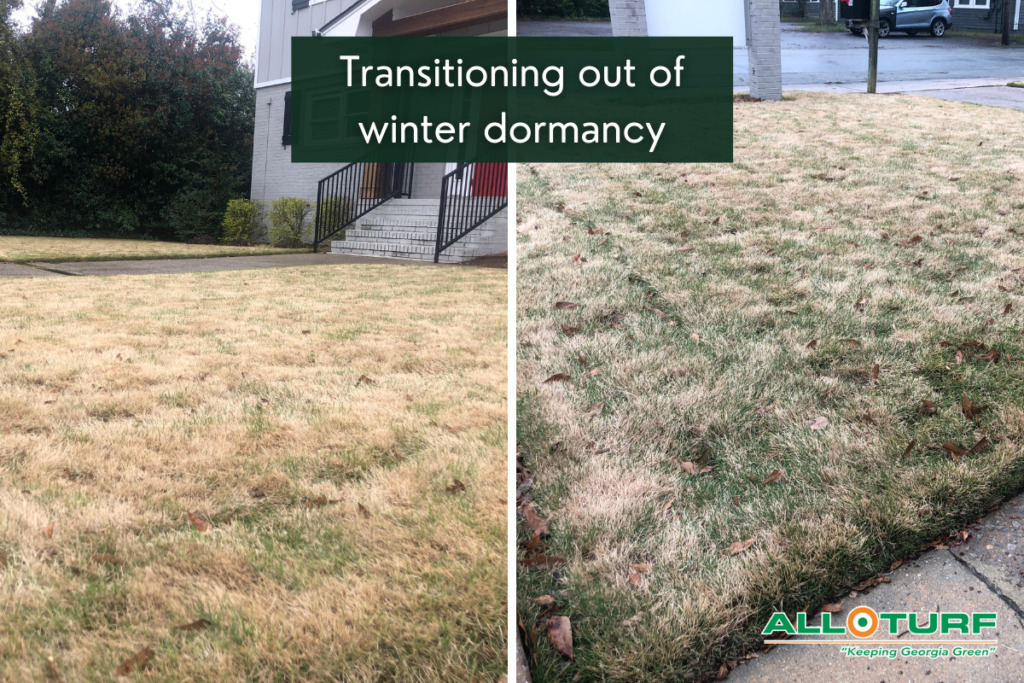
Credit: www.allturflawncare.com
Step-by-step Scalping Process
Scalping Bermuda grass helps prepare your lawn for new growth. This process removes old, dead grass and allows sunlight to reach the soil. Follow these steps carefully to scalp your Bermuda grass correctly. Proper scalping leads to a healthier and greener lawn.
Initial Mowing Techniques
Start by mowing your lawn at a very low height. Use a sharp mower blade to cut close to the soil surface. Remove all clippings to prevent disease. Mow in different directions to catch all tall grass blades. Be gentle to avoid damaging the crown of the grass plants.
Post-scalping Care
After scalping, clear the lawn of debris and dead grass. Check the soil for compaction and aerate if needed. Keep foot traffic low to avoid stress on the grass. Watch for any signs of disease or pests. Leave the lawn to rest before the next mowing session.
Watering And Fertilizing Tips
Water your lawn deeply right after scalping to help recovery. Maintain a consistent watering schedule to keep soil moist. Avoid overwatering, which can cause root problems. Apply a balanced fertilizer to support new growth. Follow the fertilizer instructions carefully to prevent burning the grass.
Common Mistakes To Avoid
Scalping Bermuda grass can boost lawn health and growth. Many make simple errors that harm the grass. Avoid these common mistakes to keep your lawn green and strong.
Scalping Too Early Or Late
Scalping too early stops the grass from growing well. The grass needs warmth and sunlight first. Scalping too late means dead grass stays on the lawn. This blocks sunlight and air from reaching new shoots.
Cutting Grass Too Short
Cutting Bermuda grass too short stresses the plant. The grass needs some leaf to make food. Very short grass dries out faster and looks brown. Keep some height for a healthy lawn.
Neglecting Aftercare
After scalping, the grass needs water and nutrients. Skipping watering makes the grass dry and weak. Fertilize after scalping to help grass grow back fast. Raking dead grass helps air flow and stops disease.

Credit: www.youtube.com
Maintaining A Healthy Bermuda Lawn
A healthy Bermuda lawn looks green and thick. It needs regular care to stay strong. Many tasks help the grass grow well. Scalp Bermuda grass at the right time. This section explains how to keep your lawn healthy all year.
Regular Mowing Practices
Mow Bermuda grass often during the growing season. Keep the grass height between 1 and 2 inches. Cut no more than one-third of the blade at once. Use sharp mower blades to avoid damage. Regular mowing helps grass grow dense and healthy. It also stops weeds from taking over your lawn.
Proper Irrigation
Water Bermuda grass deeply but less often. Aim for about one inch of water per week. Early morning is the best time to water. This reduces evaporation and disease risk. Avoid overwatering, which can cause root problems. Healthy roots help Bermuda grass survive dry spells.
Seasonal Fertilization
Feed Bermuda grass with fertilizer during its growing season. Use a balanced fertilizer with nitrogen, phosphorus, and potassium. Apply fertilizer every 6 to 8 weeks in spring and summer. Avoid fertilizing in cooler months when growth slows. Proper feeding supports strong growth and color.

Credit: www.willislawnservices.com
Frequently Asked Questions
When Is The Best Time To Scalp Bermuda Grass?
The best time to scalp Bermuda grass is early spring. Scalp just before the grass begins active growth. This removes dead grass and encourages fresh, healthy blades. Avoid scalping during dormancy or extreme heat to prevent stress and damage.
How Often Should Bermuda Grass Be Scalped Annually?
Bermuda grass should be scalped once or twice a year. Early spring scalping is essential, and a light scalping in fall helps remove debris. Regular scalping supports healthy growth and a tidy lawn appearance without harming the grass.
What Height Should Bermuda Grass Be After Scalping?
After scalping, Bermuda grass height should be about 0. 5 to 1 inch. This low cut removes old growth but allows roots to stay healthy. Avoid cutting too short to prevent lawn stress and maintain strong recovery.
Can Scalping Bermuda Grass Improve Lawn Health?
Yes, scalping Bermuda grass improves lawn health by removing dead material. It boosts sunlight exposure and air circulation. This promotes vigorous growth and reduces thatch buildup, leading to a lush, green lawn.
Conclusion
Scalping Bermuda grass helps it grow thick and healthy. Do it early spring before the grass fully wakes up. This clears dead blades and lets sunlight reach new shoots. Keep scalping shallow to avoid hurting roots. Regular mowing after scalping keeps your lawn neat and strong.
Watch the weather and soil to pick the best time. Healthy Bermuda grass needs care and proper timing. Your lawn will look fresh and green with good scalp habits. Try scalping next season and see the difference yourself.
