

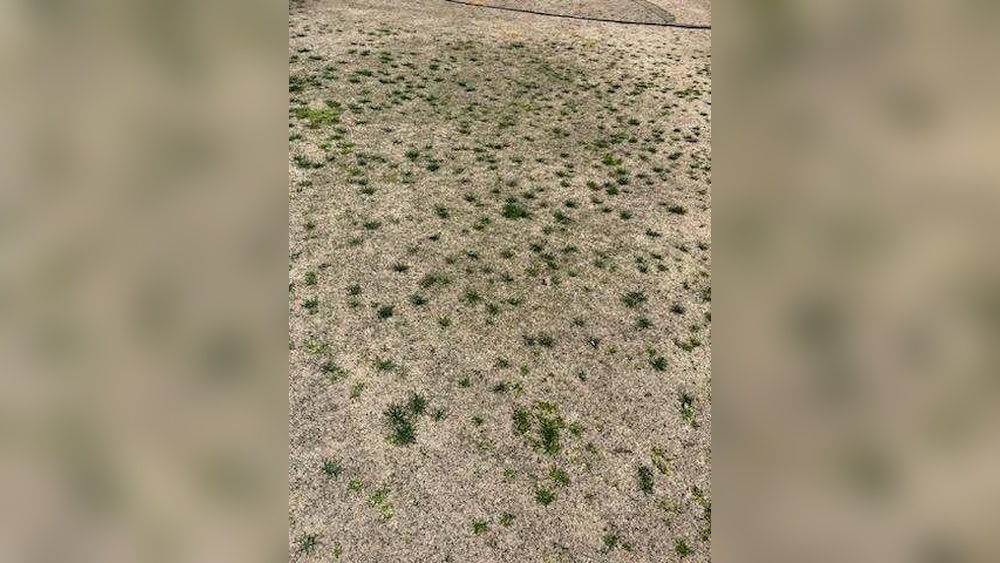
Roundup can kill Bermuda grass, but it usually takes multiple applications because this grass spreads through deep roots and rhizomes. For best results, apply Roundup on calm, dry days when the grass is actively growing and be prepared to repeat treatments every couple of weeks to fully eradicate it.
Are you struggling to get rid of stubborn Bermuda grass in your yard? You might be wondering if Roundup, a popular weed killer, can solve your problem quickly and effectively.
Yes, Roundup (glyphosate) will kill Bermuda grass, but rarely on the first application. Because Bermuda grass regrows from deep rhizomes, you typically need 2–3 treatments spaced 2 weeks apart. Spray on a calm, dry day when the grass is actively growing for the best results.
Knowing how Roundup works on Bermuda grass is key to saving your lawn and time. Keep reading to discover the truth about Roundup’s power against Bermuda grass—and what you need to do to win this battle once and for all.
:max_bytes(150000):strip_icc()/bermuda-grass-separated-by-trench-big-6d7d87181a924f2f816731009aeb16c9.jpg)
Credit: www.thespruce.com
How Roundup Works
Roundup works by stopping a weed’s ability to make food, causing it to die. Bermuda grass may survive because it grows from underground roots. Spray carefully and repeat if needed for better control.
Active Ingredients
Roundup’s main active ingredient is glyphosate. Glyphosate is a chemical that targets plants. It is non-selective, meaning it can kill many types of plants. This includes grasses, broadleaf plants, and weeds. Glyphosate is absorbed by the leaves and moves through the plant’s system.
Mechanism Of Action On Weeds
Glyphosate blocks a key enzyme plants need to grow. This enzyme helps produce important proteins. Without these proteins, plants cannot survive. The chemical moves from the leaves to the roots. It stops the plant from making energy and growing. The plant slowly dies, usually within days.
Bermuda Grass Characteristics
Bermuda grass is a common warm-season grass found in many lawns and sports fields. It thrives in hot, sunny areas and spreads quickly. This grass has a tough nature that helps it survive harsh conditions. Understanding its traits helps in managing it better, especially when using herbicides.
Bermuda grass has unique features that make it hard to control. Knowing these traits can guide the choice of weed killers and lawn care practices.
Growth Patterns
Bermuda grass spreads through both seeds and underground stems called rhizomes. These rhizomes grow horizontally under the soil, producing new shoots. The grass also sends out above-ground runners called stolons. This dual growth method allows it to cover large areas fast. It forms a dense mat that crowds out other plants. Its fast recovery after damage makes it tough to remove.
Resistance To Herbicides
Bermuda grass shows strong resistance to many common herbicides. It can survive some chemicals that kill other grasses. This resistance comes from its dense growth and ability to heal quickly. Some herbicides only weaken Bermuda grass temporarily. Others require repeated applications for better control. Choosing the right herbicide and timing is key to managing it effectively.
Effectiveness Of Roundup On Bermuda Grass
Roundup is a popular herbicide used to kill weeds and unwanted plants. Many people want to know if it can kill Bermuda grass. Bermuda grass is tough and grows fast. It spreads through roots and runners, making it hard to control.
Roundup works by stopping the plant’s ability to make food. This causes the plant to die over time. It can kill many types of grass and weeds, but Bermuda grass is not always easy to control with Roundup alone.
Why Roundup May Fail
Bermuda grass has deep roots that may survive Roundup. The herbicide only kills the parts it touches. New shoots can grow back from roots left in the soil. Sometimes, people do not spray enough Roundup to kill all the grass.
Also, spraying during dry or very hot weather reduces Roundup’s power. Bermuda grass can recover quickly if the timing is wrong. Repeated treatments may be needed to see good results.
Success Stories And Limitations
Some gardeners have successfully removed Bermuda grass with Roundup. They spray the grass fully and wait for it to die. Then, they remove the dead grass and roots carefully.
Success depends on using the right amount and spraying at the right time. Roundup works better on young, actively growing Bermuda grass. Still, it may take weeks for the grass to die completely.
Limitations include the need for multiple treatments. Large or thick patches of Bermuda grass may resist Roundup. Combining Roundup with other control methods can improve results.
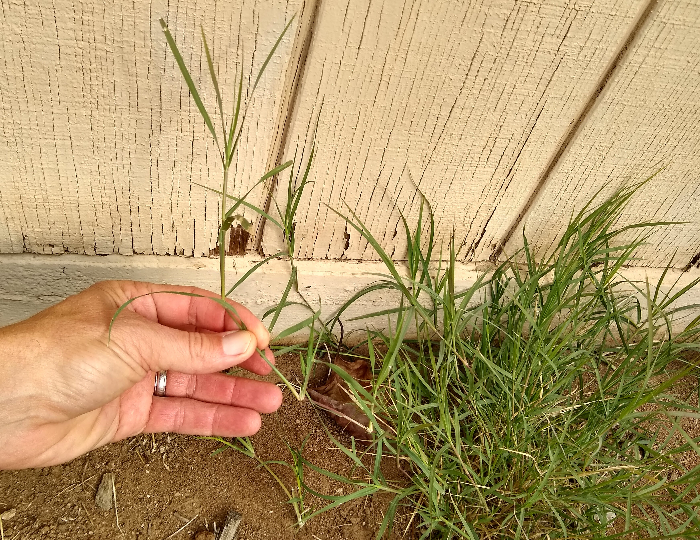
Credit: gregalder.com
Alternatives To Roundup
Roundup is a common choice to control Bermuda grass. Yet, some people want safer or different options. Alternatives to Roundup offer ways to manage Bermuda grass without harsh chemicals. These methods can protect your lawn and the environment. They help keep unwanted grass in check while staying gentle on other plants.
Selective Herbicides
Selective herbicides target Bermuda grass without harming other plants. These products focus on specific weeds, leaving your lawn safe. They work best when applied carefully and at the right time. Always read the label to ensure correct use. Selective herbicides reduce the chance of damage to flowers or shrubs. They provide control with less risk than broad-spectrum herbicides like Roundup.
Natural Control Methods
Natural methods use safe, eco-friendly ways to fight Bermuda grass. Mulching blocks sunlight, stopping grass from growing. Pulling weeds by hand is effective for small areas. Vinegar sprays can burn young grass but need repeated use. Solarizing uses plastic to heat and kill grass naturally. These methods take more time but avoid chemicals. They protect soil health and nearby plants.
Lawn Care Tips For Bermuda Grass
Bermuda grass is tough and grows fast in warm climates. Taking care of it right makes your lawn look green and healthy. Good care helps keep weeds away and stops damage. Follow these simple tips to keep Bermuda grass strong and beautiful.
Proper care saves time and money on lawn repairs. It also makes your outdoor space more pleasant. Learn the best ways to mow, water, and stop weeds from growing.
Proper Mowing Techniques
Cut Bermuda grass to about 1 to 2 inches tall. This height helps the grass grow thick and strong. Avoid cutting more than one-third of the grass blade at once. Use a sharp mower blade to make clean cuts. Mow often during the growing season to prevent stress. Leave grass clippings on the lawn to add nutrients back to the soil.
Watering And Fertilization
Water Bermuda grass deeply but less often. Aim for about one inch of water per week. Water early in the morning to reduce evaporation. Fertilize the lawn every 6 to 8 weeks during spring and summer. Use a balanced fertilizer with nitrogen, phosphorus, and potassium. Follow the instructions on the fertilizer package carefully. Avoid over-fertilizing to prevent burning the grass.
Preventing Weed Growth
Weeds compete with Bermuda grass for nutrients and space. Keep the lawn thick to stop weeds from taking hold. Apply pre-emergent herbicides in early spring to block weed seeds. Remove any visible weeds by hand or with spot treatments. Avoid using broad-spectrum herbicides that can harm Bermuda grass. Regular lawn care helps your grass crowd out weeds naturally.
Safe Application Practices
Applying Roundup to control Bermuda grass requires care. Safe application protects your plants and the environment. Follow simple steps to avoid damage and get good results. Careful planning helps Roundup work well without harming what you want to keep.
Timing And Weather Considerations
Choose a dry day with no wind for spraying. Wind can carry Roundup to other plants. Apply Roundup in the morning or late afternoon. Avoid spraying in the heat of the day. Rain can wash Roundup away. Wait at least 24 hours after spraying before watering or rain.
Protecting Desired Plants
Cover flowers and shrubs near Bermuda grass. Use cardboard or plastic to shield these plants. Avoid spraying Roundup directly on grass you want to keep. Be careful with spray drift. Use a shield or a spray wand for better control. Wear gloves and wash hands after use.

Credit: www.reddit.com
Frequently Asked Questions
Will Roundup Effectively Kill Bermuda Grass?
Yes, Roundup can kill Bermuda grass, but it may require multiple applications. Bermuda grass is tough and resilient, so persistence is key. Use a glyphosate-based Roundup product for best results. Always follow label instructions for safe and effective use.
How Long Does Roundup Take To Kill Bermuda Grass?
Roundup usually shows results within 7 to 14 days after application. The grass will turn yellow and die gradually. Weather conditions and grass density affect the time. For heavy infestations, repeat treatments might be necessary for complete control.
Can Roundup Damage Nearby Plants When Killing Bermuda Grass?
Yes, Roundup is non-selective and can harm any green plant it contacts. Avoid spraying on windy days to prevent drift. Use a shield or carefully target Bermuda grass to protect nearby plants. Always read and follow safety guidelines on the label.
Is Roundup The Best Option For Bermuda Grass Removal?
Roundup is effective but not the only option for Bermuda grass control. Alternatives include solarization, manual removal, or herbicides designed for grassy weeds. Choose a method based on your lawn goals and environmental considerations. Combining methods may yield better results.
Conclusion
Roundup can harm Bermuda grass if used carelessly. It kills many types of plants, including grass. To protect your lawn, apply it carefully and only on weeds. Use the right amount and follow instructions on the label. Patience is key; results may take time to appear.
For a healthy yard, consider other weed control methods too. Taking care helps your Bermuda grass stay strong and green. Choose wisely to keep your lawn looking its best.
