
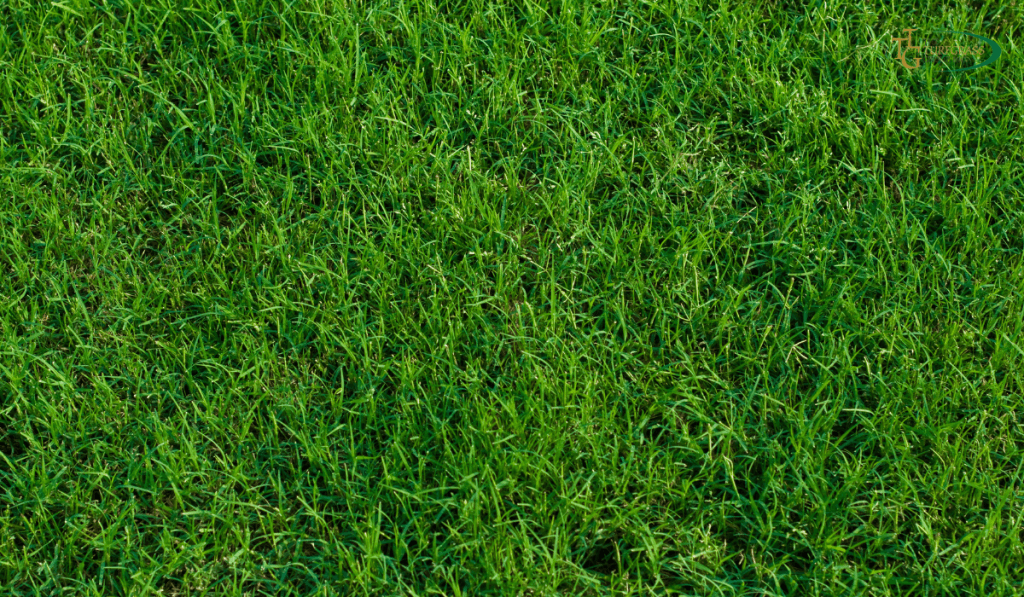
Young Bermuda grass is easy to identify by its bright green color, narrow pointed blades, and dense, low-growing patches. It looks lighter and thinner than mature Bermuda grass, growing quickly but in sparse areas. Recognizing these traits helps you care for it properly and maintain a healthy lawn.
Are you wondering how to spot young Bermuda grass in your yard or garden? Knowing what young Bermuda grass looks like can help you care for it properly and keep your lawn healthy and green.
You’ll discover the key features that make young Bermuda grass easy to identify. By the end, you’ll feel confident recognizing it and understanding what your lawn needs to thrive. Keep reading to unlock the secrets of this popular grass and transform your outdoor space!
Credit: theturfgrassgroup.com
Characteristics Of Young Bermuda Grass
Young Bermuda grass has unique features that help identify it easily. These traits show how healthy and strong the grass will grow. Understanding these characteristics helps in proper care and maintenance.
Here are the main traits of young Bermuda grass.
Leaf Color And Texture
The leaves are bright green and fresh. They have a soft feel but can be slightly rough. This texture helps the grass hold water and resist wear.
Growth Pattern
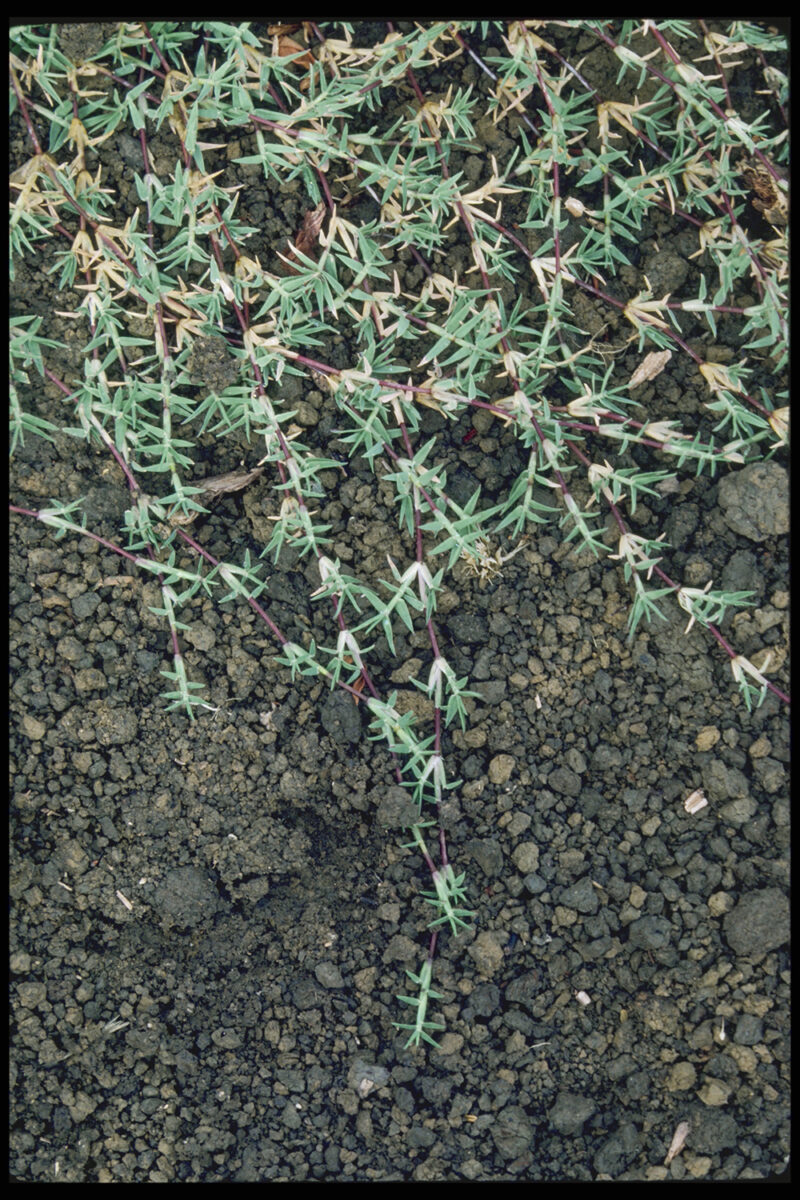
Young Bermuda grass grows quickly and spreads close to the ground. It forms dense patches that cover bare soil. This fast growth helps prevent weeds from taking over.
Blade Shape And Size
The blades are narrow and pointed at the tip. They usually measure about 2 to 4 inches long. Thin blades make the grass look fine and delicate.
Credit: www.sare.org
Differences Between Young And Mature Bermuda Grass
Young Bermuda grass looks quite different from mature grass. These differences help gardeners and lawn care experts understand its growth stage. Young grass has unique features in color, blade thickness, and growth density. Recognizing these can help maintain a healthy lawn.
Color Variations
Young Bermuda grass is lighter green. Its color can be pale or yellowish. Mature grass has a deep, rich green shade. This darker color shows healthy and strong growth. Color changes happen as the grass gets more sunlight and nutrients.
Blade Thickness
The blades of young Bermuda grass are thin and soft. They feel delicate and fragile to touch. Mature blades are thicker and tougher. These blades can handle foot traffic and weather better. Blade thickness grows as the grass matures and strengthens.
Growth Density
Young Bermuda grass grows in sparse patches. It looks less full and has gaps. Mature Bermuda grass forms a thick, dense carpet. This dense growth blocks weeds and protects soil. Density improves with time and proper care.
Common Mistakes In Identifying Fresh Bermuda Grass
Identifying fresh Bermuda grass can be tricky for many gardeners. Mistakes often happen, leading to wrong care or poor lawn results. Recognizing these common errors helps maintain a healthy, green lawn. This section highlights frequent mistakes made when identifying young Bermuda grass.
Confusing With Other Grass Types
Young Bermuda grass looks similar to some other grasses. St. Augustine and Zoysia grass often get mixed up with Bermuda. Their leaf blades can appear alike to the untrained eye. This confusion leads to wrong mowing and watering routines. Each grass type needs different care to thrive. Knowing the subtle differences saves time and effort.
Effects Of Soil And Weather
Soil type changes how Bermuda grass grows and looks. Poor soil may cause thinner, lighter-colored grass blades. Weather also impacts growth patterns and color tone. Dry spells make young Bermuda appear dull and weak. Heavy rain can create muddy patches that hide fresh growth. These factors may make it hard to spot healthy grass.
Misinterpreting Damage As Growth
Young Bermuda grass can suffer damage from pests or foot traffic. Some people think damaged areas are new growth spots. Dead or brown patches often get confused with thin fresh shoots. This mistake can delay proper lawn care actions. Understanding the difference helps protect and improve the lawn faster.
Tips For Spotting Healthy New Growth
Spotting healthy new growth on young Bermuda grass is key to a lush lawn. Knowing what to check helps you care for your grass better. Healthy shoots show the grass is strong and ready to spread.
Watch for color, texture, and the speed of growth. These hints reveal the grass’s condition. Early detection of healthy growth lets you act quickly.
Optimal Time For Observation
Early morning is the best time to check your grass. The grass blades are fresh and free from dew or dust. This makes it easier to see fine details.
Spring and early summer are prime seasons to spot new growth. The grass grows faster during these months. Observing then gives a clear picture of health.
Signs Of Vigorous Growth
Look for bright green color in young shoots. Dull or yellowing leaves may mean poor health. The blades should be fine and soft to touch.
New growth grows quickly, often several inches in a week. Thick, dense patches show strong growth. Sparse or thin areas need extra care.
Tools To Aid Identification
A hand lens or magnifying glass helps see small details. It reveals leaf edges and tiny hairs on blades. Use a small ruler to measure growth speed.
Taking photos over days helps track progress. Comparing images shows changes in color and thickness. These tools make spotting healthy growth easier.
Maintaining Young Bermuda Grass
Maintaining young Bermuda grass is key to a healthy lawn. This grass grows fast and spreads well with proper care. It needs attention in watering, fertilization, and mowing. These steps help the grass stay green and strong. Follow simple tips to keep your lawn looking its best.
Watering Practices
Young Bermuda grass needs regular watering to grow well. Water deeply but not too often. This encourages strong roots. Early morning is the best time to water. Avoid watering at night to prevent fungus. Keep the soil moist, not soaked. Adjust watering based on weather and soil type.
Fertilization
Feed young Bermuda grass with balanced fertilizer. Use a mix that has nitrogen, phosphorus, and potassium. Apply fertilizer every 4 to 6 weeks during growing seasons. Avoid over-fertilizing as it can harm the grass. Always follow the instructions on the fertilizer package. Healthy grass grows thick and resists weeds better.
Mowing Guidelines
Mow young Bermuda grass regularly to keep it neat. Set mower blades to 1 to 2 inches high. Never cut more than one-third of the grass height at once. Sharp mower blades prevent damage to the grass. Mowing helps the grass grow thicker and stops weeds. Leave grass clippings on the lawn to add nutrients back.
Credit: www.sare.org
Frequently Asked Questions
What Does Young Bermuda Grass Look Like?
Young Bermuda grass has fine, bright green blades. It grows densely and spreads quickly with thin runners. The grass appears soft and lush when healthy and well-watered.
How Can I Identify Young Bermuda Grass Blades?
The blades are narrow, pointed, and light green. They grow in dense clusters and have a rough texture. Young Bermuda grass blades are shorter than mature ones.
When Does Bermuda Grass Start Showing Green Color?
Bermuda grass begins to green up in early spring. The color intensifies as temperatures rise above 65°F. Young grass shows vibrant green after consistent watering.
Does Young Bermuda Grass Spread Fast Or Slow?
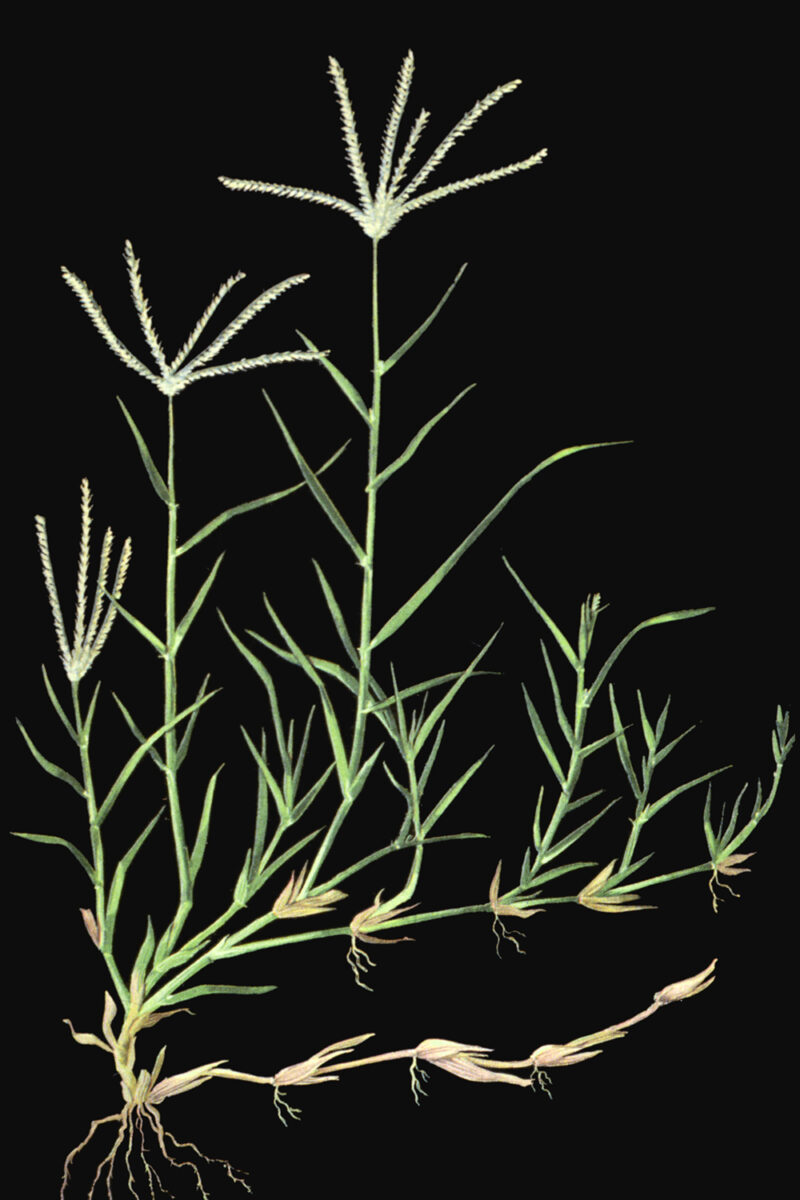
Young Bermuda grass spreads rapidly through stolons and rhizomes. It quickly covers bare patches and forms a thick lawn. This fast growth helps prevent weeds effectively.
Conclusion
Young Bermuda grass starts thin and light green in color. It grows quickly and spreads wide over time. The blades are soft but become tougher as they mature. This grass thrives in warm, sunny places. Knowing what young Bermuda grass looks like helps with lawn care.
Watch for its fine texture and bright green shade. Keep the soil moist for healthy growth. Proper care leads to a lush, green lawn. Simple steps make all the difference. Enjoy your yard as it fills in nicely.
