

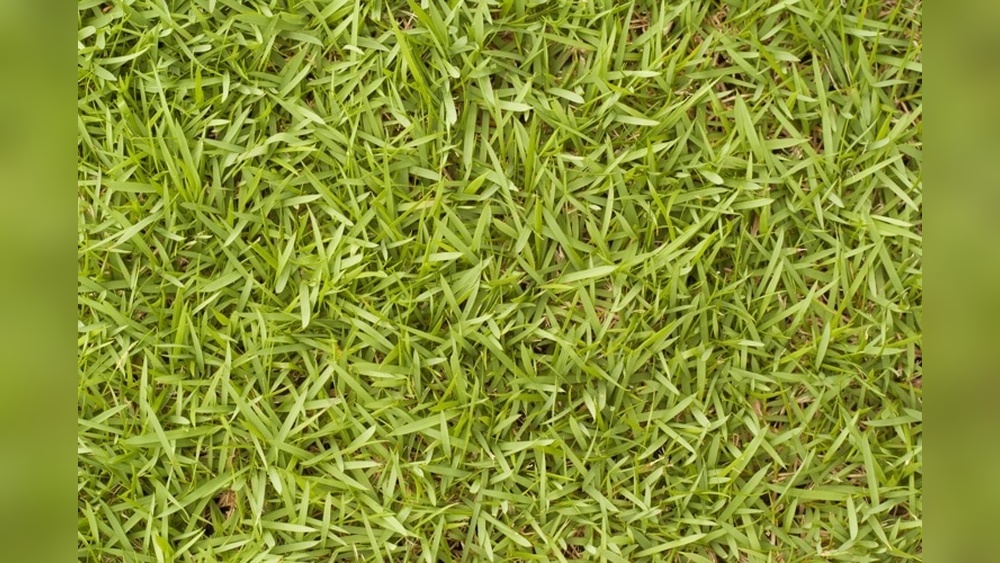
The best time to plant Bermuda grass seed in Texas is during spring or early summer when the soil is warm. Choose high-quality seed suited for the Texas climate, prepare your soil with proper pH and nutrients, and ensure good soil contact for the seeds. This approach helps establish a durable, lush lawn.
Are you ready to transform your yard into a lush, green paradise? Planting Bermuda grass seed in Texas is one of the best ways to achieve a thick, healthy lawn that can handle the heat and dryness of the Lone Star State.
But getting it right isn’t always easy. You need to know the right time, the best techniques, and how to care for your new grass so it grows strong and beautiful. Keep reading, and you’ll discover simple, proven steps to help your Bermuda grass thrive.
Your perfect lawn is closer than you think!
Credit: www.grassworksaustin.com
Choosing Bermuda Grass Seed
Choosing the right Bermuda grass seed is the first step to a healthy lawn in Texas. The seed type affects how well the grass grows and handles the Texas climate. Picking good quality seed helps the grass start strong and stay green longer. Understanding the types of Bermuda grass and which varieties thrive in Texas makes the choice easier.
Types Of Bermuda Grass
Bermuda grass comes in seeds and sprigs. Seed types grow from tiny seeds planted in soil. Sprigs are small pieces of grass planted in rows. Seeded Bermuda is easier to plant and less expensive. Sprigs take longer but fill in fast once they grow. Choose seed for large areas and sprigs for quick cover.
Selecting Seed Quality
Good seed is clean, fresh, and free from weeds. Check the packaging date to avoid old seeds. High germination rates mean more seeds will grow. Look for seeds with at least 85% germination. Avoid seeds with dirt or broken pieces. Quality seed gives a better chance for a thick lawn.
Best Varieties For Texas
Some Bermuda grass types do better in Texas heat and drought. Common varieties are Common Bermuda, Tifway, and Celebration. Common Bermuda is cheap and tough but grows coarse. Tifway is soft and dense, ideal for lawns and sports fields. Celebration handles heat and shade well. Choose a variety based on your lawn needs.
Preparing The Soil
Preparing the soil is the first step to grow healthy Bermuda grass in Texas. Good soil helps seeds grow strong roots and green blades. Spend time on this step to get better grass later.
Soil Testing And Ph Levels
Test the soil before planting. It shows nutrient levels and pH balance. Bermuda grass grows best in soil with pH between 5.8 and 7.0. Adjust the pH by adding lime for acidic soil or sulfur for alkaline soil. Proper pH helps grass absorb nutrients well.
Clearing And Tilling The Area
Remove rocks, weeds, and old grass from the area. Clear soil allows seeds to contact earth directly. Till the soil 4 to 6 inches deep to loosen it. Loose soil helps roots grow deeper and stronger. Smooth the surface after tilling for even seed spread.
Adding Fertilizers And Amendments
Add fertilizers to supply nutrients for new grass. Use a starter fertilizer high in phosphorus to boost root growth. Mix organic matter, like compost, into the soil to improve texture and moisture retention. Well-fed soil creates a good home for Bermuda grass seeds.
When To Plant
Choosing the right time to plant Bermuda grass seed in Texas is very important. Planting at the correct time helps the grass grow strong and healthy. It also saves time and money. This section explains the best periods and conditions for planting Bermuda grass seed in Texas.
Ideal Planting Seasons In Texas
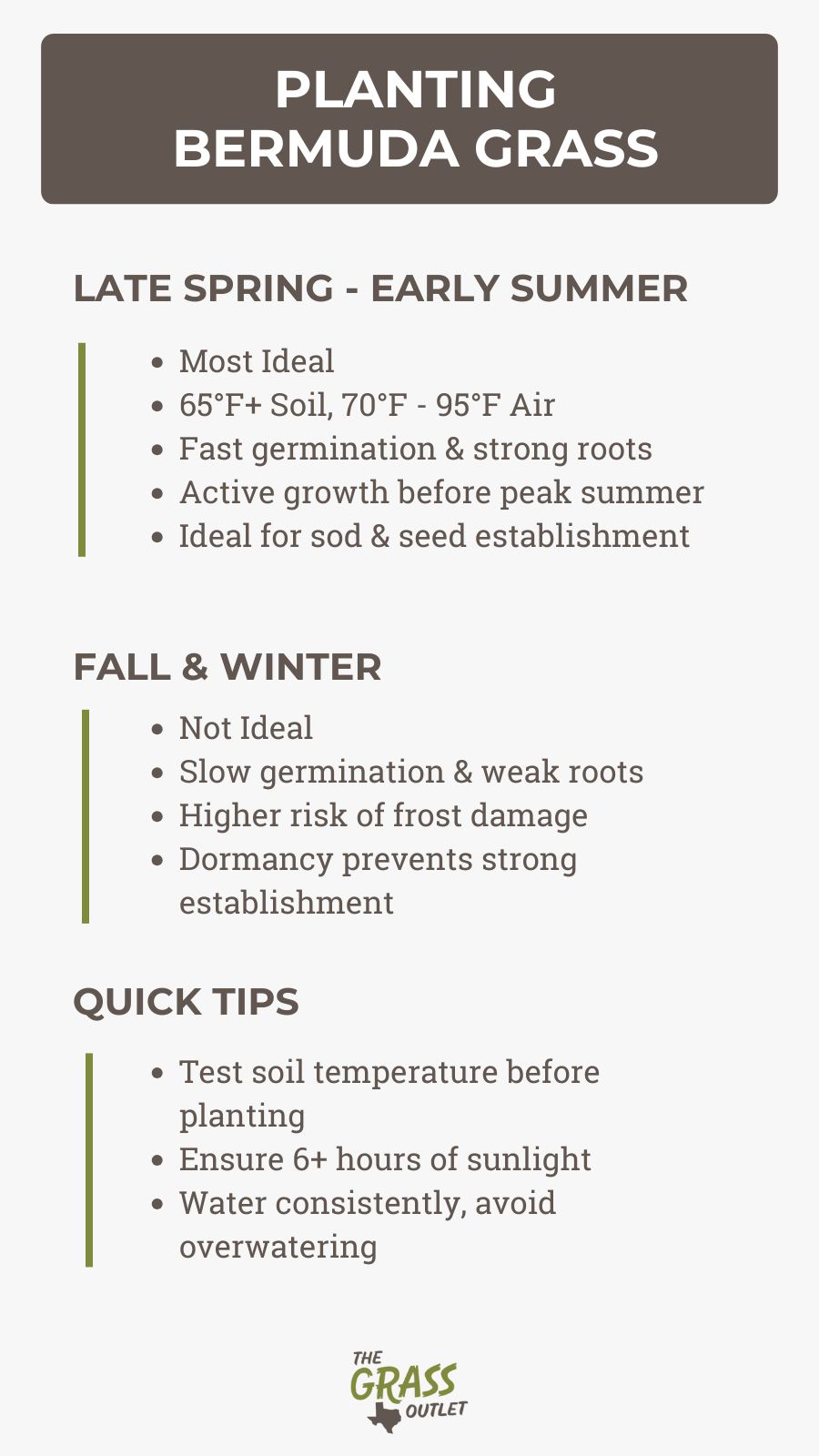
Spring and early summer are the best seasons to plant Bermuda grass seed in Texas. The soil starts to warm up between March and June. Warm soil helps seeds to sprout quickly. Avoid planting in late fall or winter because cold soil slows growth. Summer heat can stress new grass, so early summer is better than mid-summer.
Weather Considerations
Choose a time with warm days and mild nights. Avoid planting before heavy rains or storms. Too much rain can wash away seeds. Dry spells after planting can stop seed growth. Check the weather forecast for at least two weeks. Stable weather helps seeds grow into strong grass.
Timing For Best Germination
Bermuda grass seeds need soil temperatures of 65°F to 70°F to germinate well. Plant seeds when soil temperatures stay steady in this range. Seeds usually sprout in 7 to 14 days at the right temperature. Planting too early or too late can delay germination or kill seeds.
Seeding Techniques
Planting Bermuda grass seed in Texas requires careful seeding techniques. These techniques help the grass grow healthy and strong. Proper seeding ensures good coverage and reduces bare spots. Follow these tips to plant your seed correctly.
Spreading Seed Evenly
Even seed spreading is key for a uniform lawn. Scatter seeds by hand or with a spreader. Walk slowly and steadily to avoid clumps. Overlap slightly to cover all areas without extra seed. This creates a smooth and consistent lawn surface.
Seeding Rates And Depth
Use the right seed amount for best results. For Bermuda grass, spread about 1 to 2 pounds per 1,000 square feet. Plant seeds shallow, about 1/4 inch deep. Too deep planting slows germination. Shallow seeds get enough light and moisture to sprout fast.
Using Seed Spreaders
Seed spreaders make planting easier and more precise. Choose a drop or broadcast spreader for Bermuda grass. Adjust the settings based on the seed rate. Spread seeds in two directions for full coverage. Clean the spreader after use to keep it working well.
Watering And Care
Proper watering and care are essential for Bermuda grass seed to grow well in Texas. This grass needs just the right amount of water to start strong and stay healthy. Too little water will stop growth, and too much can cause problems. Follow the right steps to help your lawn thrive.
Initial Watering Schedule
After planting the seeds, water the area lightly but often. Water two or three times a day for about 5 to 10 minutes. Keep the soil moist but not soaked. This helps the seeds start to sprout. Continue this schedule for the first two weeks.
Maintaining Moisture For Growth
Once the grass begins to grow, reduce watering to once a day. Water early in the morning to avoid evaporation. Keep the soil damp, especially in hot Texas weather. This supports root development and strong grass blades. Watch the grass for dry spots and water them as needed.
Avoiding Overwatering
Too much water can drown the roots and cause fungus. Avoid puddles or soggy soil on your lawn. Water only when the top inch of soil feels dry. Use a sprinkler that spreads water evenly. Proper watering helps your Bermuda grass grow thick and green.
Fertilizing And Maintenance
Fertilizing and maintenance are key to growing healthy Bermuda grass in Texas. Proper care helps the grass grow thick and green. It also protects the lawn from weeds and pests. Follow simple steps to keep your Bermuda lawn strong and beautiful.
Post-germination Fertilizing
Apply fertilizer about four to six weeks after seeding. Use a nitrogen-rich fertilizer to boost growth. Spread it evenly over the lawn. Water the area lightly after fertilizing. Avoid over-fertilizing, which can harm young grass. Repeat fertilizing every six to eight weeks during the growing season.
Mowing Tips For Young Grass
Wait until Bermuda grass reaches 2 to 3 inches tall before mowing. Set the mower blade high to avoid cutting too much. Cut only the top third of the grass blade. Mowing too short weakens the grass. Keep mower blades sharp for a clean cut. Mow regularly to encourage thick, healthy growth.
Weed And Pest Control
Weeds compete with Bermuda grass for nutrients and water. Use a selective herbicide designed for Bermuda lawns. Apply it carefully, following product instructions. Check your lawn often for signs of pests like grubs or armyworms. Treat pest problems early with appropriate insecticides. Healthy grass resists weeds and pests better than weak grass.
Troubleshooting Common Issues
Planting Bermuda grass seed in Texas can bring a lush, green lawn. Still, gardeners face some common problems. These issues can slow down growth or damage your grass. Fixing these problems early helps your lawn stay healthy and green.
Dealing With Patchy Growth
Patchy growth happens when grass seeds don’t spread evenly. This problem can come from uneven watering or poor soil contact. Rake the soil gently before planting seeds. Water the area lightly but often to keep soil moist. Avoid heavy foot traffic on new grass. Add extra seed to bare spots after two weeks. This helps fill in patches fast.
Managing Soil Compaction
Soil compaction stops roots from growing deep. Hard soil makes it hard for water and air to reach roots. Use a garden fork or aerator to poke holes in the soil. This loosens the ground and helps roots breathe. Aerate the lawn in early spring or fall for best results. Add a thin layer of compost to improve soil quality. This supports healthy root growth and grass strength.
Handling Drought Stress
Drought stress causes grass to turn brown and dry. Bermuda grass needs regular watering, especially in hot Texas weather. Water early in the morning to reduce evaporation. Deep watering encourages strong root growth. Avoid shallow watering, which weakens the grass. Use mulch around your lawn edges to keep soil moist. This saves water and protects your grass during dry spells.
Credit: frontporchnewstexas.com
Long-term Lawn Care
Long-term care helps your Bermuda grass stay green and thick. It protects the grass from Texas heat and drought. Good care also stops weeds and pests from taking over. Regular attention means a lawn you enjoy all year.
Seasonal Maintenance Tips
Spring is the time to start mowing regularly. Keep the grass at about 1 to 1.5 inches tall. Water early in the morning to avoid disease. In summer, increase watering but avoid overwatering. Fall is perfect for fertilizing to prepare for winter. Remove leaves and debris to keep grass healthy.
Aeration And Overseeding
Aerate your lawn once a year. This lets air and water reach the roots. Use a core aerator for best results. Overseed thin or bare spots in early spring. Spread Bermuda grass seed evenly for a full lawn. Water gently after overseeding to help seeds grow.
Preparing Lawn For Texas Summers
Texas summers can be harsh on Bermuda grass. Raise the mower height slightly to protect roots. Water deeply but less often to encourage strong roots. Apply fertilizer with potassium to help stress tolerance. Watch for pests and treat quickly. Shade or cover young grass during extreme heat.
Credit: thegrassoutlet.com
Frequently Asked Questions
How Do I Prepare Soil For Bermuda Grass Seed In Texas?
Start by removing debris and weeds from the area. Loosen the top 2-3 inches of soil. Add organic matter or sand if the soil is heavy clay. Level the soil for even seed contact and improve water absorption.
When Is The Best Time To Plant Bermuda Grass Seed In Texas?
Plant Bermuda grass seed in late spring to early summer. Soil temperatures should be consistently above 65°F. This timing ensures optimal seed germination and healthy grass growth during warm months.
How Much Bermuda Grass Seed Do I Need Per Square Foot?
Use about 1 to 2 pounds of Bermuda grass seed per 1,000 square feet. This seeding rate helps achieve a dense and healthy lawn without overcrowding the grass.
How Often Should I Water Bermuda Grass Seed After Planting?
Water lightly and frequently to keep the soil moist. Aim for 3-4 times daily for the first two weeks. Reduce watering gradually as the grass establishes to encourage deep root growth.
Conclusion
Planting Bermuda grass seed in Texas needs care and patience. Choose the right time in spring or early summer. Prepare your soil well and spread seeds evenly. Water regularly but do not flood the area. Watch your lawn grow green and strong over weeks.
With simple steps, you can enjoy a healthy yard. Keep up with mowing and watering to maintain beauty. A lush Bermuda lawn makes your outdoor space inviting. Start today and see your garden thrive soon.
