


To grow Bermuda grass successfully, start with well-prepared soil that drains well and has a balanced pH. Plant during warm weather using quality seed or sod, and keep the soil consistently moist but not waterlogged. With proper care, Bermuda grass establishes quickly and creates a durable, vibrant lawn.
Are you struggling to get Bermuda grass to grow lush and green in your yard? You’re not alone.
Bermuda grass is tough, but it needs the right care to thrive. Imagine having a vibrant lawn that stays healthy even in hot weather. You’ll discover simple, effective steps to help your Bermuda grass grow strong and beautiful. Keep reading, and soon you’ll enjoy a lawn that makes your neighbors ask for your secret.
Choosing The Right Bermuda Grass
Choosing the right Bermuda grass is important for a healthy lawn. Different types suit different needs and climates. Picking the best variety helps the grass grow strong and look good.
Common Bermuda Varieties
Bermuda grass comes in many types. Common ones include Common Bermuda, Hybrid Bermuda, and Tifway. Common Bermuda is tough and grows well in many places. Hybrid types are softer and denser. They work well for sports fields and lawns. Tifway is a popular hybrid with good color and texture.
Selecting Based On Climate
Climate affects how well Bermuda grass grows. Warm, sunny areas are ideal for most types. Dry regions need drought-tolerant varieties. Cooler areas require types that handle cold better. Knowing your local weather helps you choose the right grass.
Seed Vs. Sod Options
You can start Bermuda grass from seed or sod. Seeds are cheaper but take longer to grow. Sod gives instant green coverage but costs more. Sod also controls weeds better at the start. Choose seed or sod based on budget and time.
:max_bytes(150000):strip_icc()/GettyImages-1257704064-bc64303b209d440da1660384b6cb60a8.jpg)
Credit: www.thespruce.com
Preparing Your Lawn Soil
Preparing your lawn soil is the first step to growing healthy Bermuda grass. Good soil helps grass roots grow strong and absorb nutrients well. Taking time to prepare the soil can save effort later. It makes your lawn greener and thicker.
Testing Soil Quality
Test the soil to know its current condition. Use a soil test kit from a garden store. This shows nutrient levels and soil type. Knowing this helps you add the right fertilizer. Without testing, you may waste money on wrong products.
Improving Drainage
Drainage affects how water moves in your soil. Poor drainage causes water to pool and drown roots. Add sand or organic matter to heavy soil. This opens soil and lets water flow freely. Good drainage keeps Bermuda grass roots healthy and alive.
Balancing Ph Levels
Bermuda grass grows best in soil with a pH between 5.8 and 7.0. Test your soil’s pH using a simple kit. If pH is low, add lime to raise it. If pH is high, use sulfur to lower it. Balanced pH helps grass absorb nutrients easily.
Planting Bermuda Grass
Planting Bermuda grass starts with understanding the right steps for a healthy lawn. This grass grows best in warm weather and needs proper care from the start. Preparing the soil, choosing the right planting method, and timing the planting well are key to success.
Best Planting Times
Plant Bermuda grass in late spring or early summer. Soil temperatures should be above 65°F (18°C). Warm soil helps seeds or sod take root quickly. Avoid planting in cold or wet conditions. Hot summer days work well for fast growth.
Seeding Techniques
Spread Bermuda grass seeds evenly over the prepared soil. Use about 1 to 2 pounds of seed per 1,000 square feet. Lightly rake the soil to cover the seeds with a thin layer of dirt. Water gently but regularly to keep soil moist. Avoid overwatering to stop seeds from washing away.
Sodding Tips
Choose fresh Bermuda grass sod for the best results. Lay sod pieces tightly together to prevent gaps. Press sod firmly into the soil for good contact. Water the sod daily for the first two weeks. Reduce watering as the grass starts to root and grow.
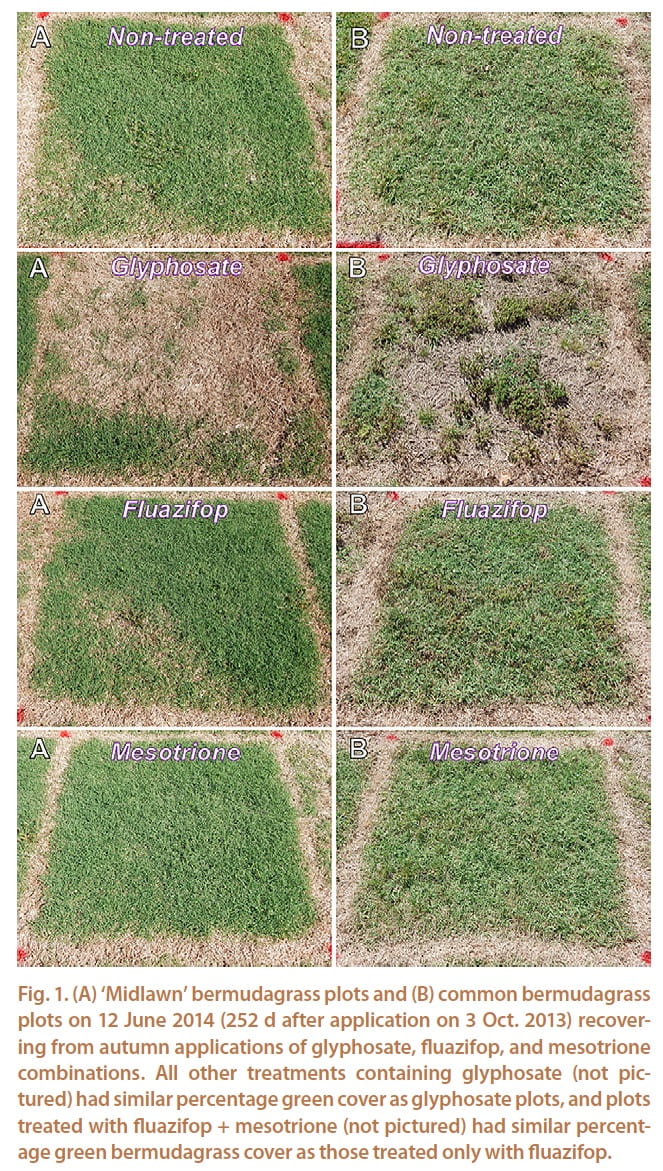
Credit: blogs.k-state.edu
Watering For Growth
Water plays a key role in helping Bermuda grass grow strong and green. It needs the right amount of water at the right time. Too little water can make the grass dry and weak. Too much water can cause problems like root rot or fungus. Knowing how to water Bermuda grass helps it thrive in your yard.
Initial Watering Schedule
After planting Bermuda grass seeds or sod, water them often. Keep the soil moist but not soaked. Water lightly two to three times a day for the first two weeks. This helps seeds sprout and roots start growing. Gradually reduce watering as the grass takes hold.
Maintaining Moisture
Once the grass is established, water deeply but less often. This encourages deep root growth. Water about once or twice a week, depending on weather. Early morning watering is best. It reduces evaporation and lets grass dry during the day.
Avoiding Overwatering
Too much water can harm Bermuda grass. It can lead to weak roots and disease. Watch for puddles or soggy soil. Cut back on watering if you see these signs. Use a rain gauge to track rainfall and adjust your schedule.
Fertilizing Your Lawn
Fertilizing your lawn is key to growing healthy Bermuda grass. It gives the grass the nutrients it needs to grow thick and green. Proper feeding helps the grass recover from wear and resist weeds. Understanding how to fertilize is important for a lush lawn.
Choosing Fertilizer Types
Select fertilizers with the right mix of nutrients. Look for those rich in nitrogen for green growth. Balanced fertilizers with nitrogen, phosphorus, and potassium also work well. Slow-release fertilizers feed the grass over time. They reduce the risk of burning your lawn.
Application Timing
Apply fertilizer during Bermuda grass’s active growing season. This usually starts in late spring and ends in early fall. Avoid fertilizing in winter when the grass is dormant. Regular feeding every 6 to 8 weeks supports steady growth. Always follow the product’s instructions for timing.
Nutrient Requirements
Bermuda grass mainly needs nitrogen for healthy leaves. Phosphorus helps root development but use it only if soil tests show a need. Potassium strengthens the grass against stress and disease. Test your soil to know exact nutrient levels. This helps you apply the right fertilizer amount.
Mowing Practices
Mowing Bermuda grass correctly helps it grow thick and healthy. Cutting the grass the right way improves its strength and color. It also stops weeds from growing. Follow these mowing tips to keep your lawn looking great all year.
Ideal Mowing Height
Keep Bermuda grass at about 1 to 2 inches tall. Cutting it too short can stress the grass. Letting it grow too tall makes it weak. The right height helps roots grow deep and strong.
Mowing Frequency
Cut your Bermuda grass often during the growing season. Mow every 5 to 7 days. Regular mowing keeps the grass even and healthy. It also stops weeds from taking over your lawn.
Using Sharp Blades
Always use sharp mower blades. Dull blades tear grass and cause brown tips. Sharp blades make clean cuts that heal fast. Clean cuts help prevent diseases and keep grass green.
Controlling Weeds And Pests
Controlling weeds and pests is key to growing healthy Bermuda grass. Weeds compete for nutrients and space, slowing grass growth. Pests damage grass blades and roots. Both reduce the lawn’s beauty and health. Effective control keeps Bermuda grass thick and green. This section covers common weeds, natural pest control, and chemical treatments.
Common Bermuda Lawn Weeds
Crabgrass is a fast-growing weed that spreads quickly. It thrives in hot, dry spots. Dollarweed is another problem, with round leaves and small flowers. Nutsedge looks like grass but grows faster and taller. Annual bluegrass appears in cool seasons and dies in summer. These weeds choke Bermuda grass and must be removed early. Regular mowing and watering reduce weed growth. Pull out weeds by hand or use a weed remover tool.
Natural Pest Control
Encourage beneficial insects like ladybugs and spiders. They eat harmful pests naturally. Use neem oil spray to repel insects without harming plants. Introduce nematodes to attack soil pests such as grubs. Maintain healthy soil to boost grass defenses. Water deeply but less often to keep pests away. Avoid over-fertilizing as it attracts insects. Natural methods protect the environment and keep your lawn safe.
Chemical Treatments
Selective herbicides target weeds without harming Bermuda grass. Use pre-emergent herbicides to stop weed seeds from sprouting. Apply post-emergent herbicides to kill visible weeds. Follow label instructions to avoid damage. For pests, insecticides can control chinch bugs and armyworms. Choose products safe for Bermuda grass. Apply chemicals during calm weather to prevent drift. Use chemicals as a last resort and combine with natural methods for best results.
Dealing With Lawn Problems
Maintaining a healthy Bermuda grass lawn requires attention to common problems. These issues can stop your grass from growing thick and green. Knowing how to handle these problems helps your lawn stay strong and beautiful. Focus on fixing bare spots, controlling thatch, and managing diseases.
Handling Bare Spots
Bare spots make your lawn look patchy and weak. Clear the area by removing dead grass and debris. Loosen the soil with a rake to help seeds settle. Spread Bermuda grass seeds evenly over the spot. Lightly cover seeds with soil for protection. Water gently but regularly to keep the soil moist. Avoid heavy foot traffic until grass grows strong.
Preventing Thatch Build-up
Thatch is a layer of dead grass between soil and green grass. Too much thatch blocks water and nutrients. Use a dethatching rake or machine to remove excess thatch. Do this in early spring or fall for best results. Aerate the lawn to improve air and water flow. Keep grass trimmed at the right height to reduce thatch. Proper watering and fertilizing also help prevent build-up.
Addressing Disease Issues
Diseases can cause yellowing, spots, or patches on Bermuda grass. Identify the disease by checking symptoms carefully. Remove affected grass to stop spreading. Use fungicides recommended for Bermuda grass if needed. Avoid watering late in the day to reduce moisture. Improve air circulation by trimming nearby plants. Healthy lawn care practices lower disease risk.
Seasonal Care Tips
Seasonal care plays a big role in growing healthy Bermuda grass. Each season has its own tasks. Following these helps your grass stay green and strong all year.
Regular care keeps the lawn thick and resistant to weeds and pests. Adjust watering, mowing, and feeding based on the season. This keeps Bermuda grass in top shape.
Summer Maintenance
Water Bermuda grass deeply early in the morning. This reduces evaporation and helps roots grow deep. Mow often but keep the blades high to avoid stress. Fertilize with nitrogen-rich food to support strong growth. Remove weeds quickly to stop them from spreading.
Winter Preparation
Stop fertilizing as the temperature cools down. Mow the grass shorter but avoid scalping it. Clear leaves and debris to prevent mold. Reduce watering since the grass grows slower. Protect the lawn from heavy foot traffic to avoid damage.
Spring Revival
Rake the lawn to remove dead grass and debris. Aerate the soil to improve air and water flow. Start watering regularly as the weather warms. Apply balanced fertilizer to boost growth. Overseed bare spots to fill in the lawn.

Credit: www.thelawnforum.com
Frequently Asked Questions
How Do I Prepare Soil For Bermuda Grass?
Prepare soil by testing pH and adjusting it to 6. 0-7. 0. Remove weeds and debris. Loosen soil to improve drainage and root growth.
When Is The Best Time To Plant Bermuda Grass?
Plant Bermuda grass in late spring to early summer. Soil temperature should be above 65°F for optimal seed germination and growth.
How Often Should I Water Bermuda Grass?
Water Bermuda grass deeply 1-2 times per week. Ensure soil stays moist but not waterlogged to promote strong roots.
What Fertilizer Works Best For Bermuda Grass?
Use a balanced fertilizer high in nitrogen, such as 16-4-8. Apply every 6-8 weeks during the growing season for lush growth.
Conclusion
Growing Bermuda grass takes patience and the right care. Water it regularly but avoid overwatering. Give it plenty of sunlight for best results. Keep the soil healthy with proper nutrients. Mow the grass to the right height to stay strong.
Watch for weeds and pests that can harm growth. Follow these steps, and your lawn will look green and lush. A good Bermuda grass lawn is worth the effort. You will enjoy a beautiful yard for years to come.
