

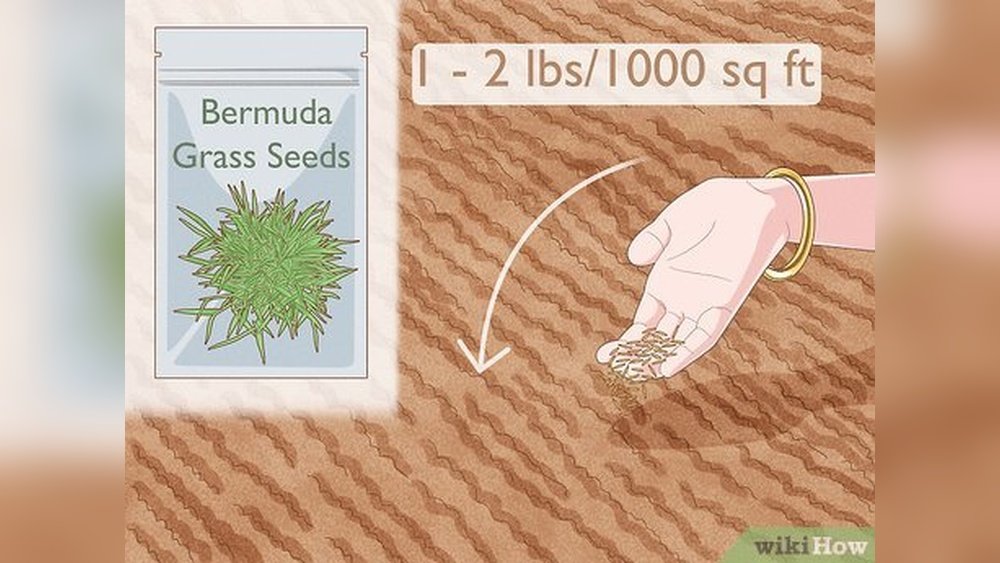
To spread Bermuda grass seed effectively, prepare the soil by clearing debris and testing pH, then choose high-quality seed suited to your climate. Plant during warm weather, ideally in spring or early summer, and distribute seeds evenly to encourage strong, even growth for a dense, resilient lawn.
Are you looking to transform your lawn into a lush, green paradise? Spreading Bermuda grass seed is one of the best ways to achieve a thick, healthy turf that stands up to heat and foot traffic.
But if you’re not sure where to start, it can feel overwhelming. Don’t worry—this guide will walk you through simple, effective steps to spread Bermuda grass seed the right way. By the end, you’ll know exactly how to get your lawn growing strong and vibrant.
Ready to give your yard a fresh new look? Let’s dive in!
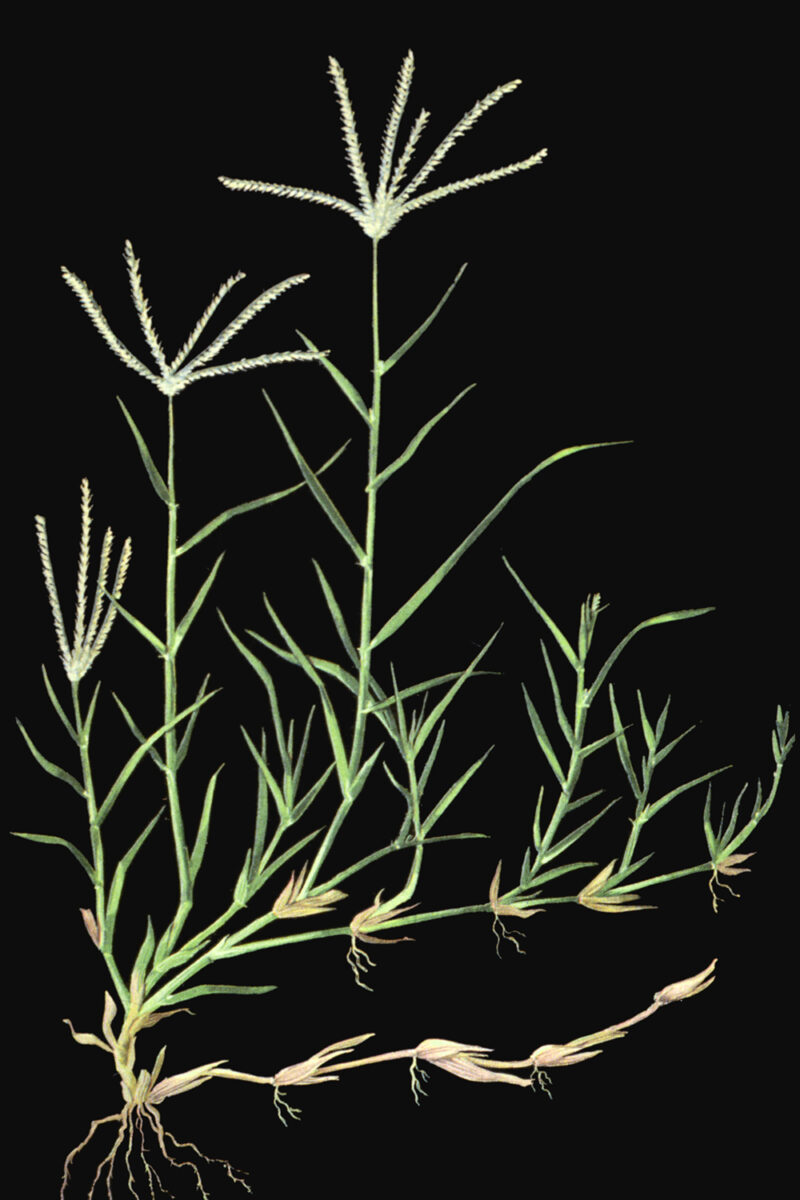
Credit: www.sare.org
Preparing The Soil
Preparing the soil is the first step to growing healthy Bermuda grass. Good soil helps seeds grow strong roots. It also keeps the grass green and thick. Taking time to prepare the soil will make your lawn look better and last longer.
Clearing Debris
Remove sticks, rocks, and old grass from the area. Clear the soil surface so seeds touch the earth directly. Debris blocks sunlight and water from reaching the seeds. Clean soil gives seeds a better chance to sprout and grow well.
Testing Soil Quality
Check the soil’s pH and nutrient levels before planting. Use a simple soil test kit or send a sample to a lab. Bermuda grass grows best in soil with a pH between 5.8 and 7.0. Knowing soil quality helps you add the right nutrients.
Amending The Soil
Add materials to improve soil texture and fertility. Mix in compost or aged manure to boost nutrients. Use sand or peat moss to fix heavy or clay soils. Well-prepared soil holds moisture and drains well. This helps Bermuda grass seeds grow strong roots fast.
Choosing The Right Bermuda Grass Seed
Choosing the right Bermuda grass seed is important for a healthy lawn. The right seed grows well and looks good. It also saves time and money. Knowing different types and seed quality helps you pick the best option. This guide explains what to look for in Bermuda grass seed.
Types Of Bermuda Grass
Bermuda grass has several types. Common Bermuda is good for homes and lawns. It grows fast and spreads quickly. Hybrid Bermuda is stronger and more durable. It suits sports fields and heavy use areas. There is also dwarf Bermuda, which stays low and neat. Choose a type that fits your lawn needs and climate.
Seed Quality And Purity
High-quality seeds grow better and last longer. Pure seed means fewer weeds and other plants mixed in. Check the seed label for purity and germination rates. Germination rate tells how many seeds will grow. Buy seed with at least 85% purity and 80% germination. Good quality seed gives a thick, green lawn faster.
When To Plant Bermuda Grass Seed
Choosing the right time to plant Bermuda grass seed is very important. The seed needs warm soil and steady weather to grow well. Planting at the right time helps the grass start strong and cover your lawn fast. Knowing the best season and weather conditions can save you time and effort.
Optimal Seasons
Spring and early summer are best for planting Bermuda grass seed. Soil temperatures should be between 65°F and 70°F. This warmth helps seeds germinate quickly. Avoid planting in fall or winter because cold soil stops growth. Planting during warm months gives grass a full growing season.
Weather Conditions
Choose a period with mild, steady temperatures. Avoid windy days that dry out seeds. Light rain or regular watering helps seeds stay moist. Do not plant before heavy rain or drought. Good weather improves seed sprouting and root growth.
Spreading The Seed
Spreading Bermuda grass seed is a key step to start a healthy lawn. Proper spreading helps the seeds grow evenly and take root quickly. It ensures your lawn looks full and green.
Understanding how to spread the seed correctly saves time and effort. It also improves seed germination and lawn density. Use the right tools and methods for best results.
Tools For Spreading
Use a seed spreader for even seed coverage. Handheld spreaders work well for small areas. For larger lawns, use a broadcast spreader.
A garden rake helps cover seeds lightly with soil. This protects seeds from birds and wind. A hose or sprinkler can water the seeds gently.
Seed Distribution Techniques
Divide the seed into two parts before spreading. Spread one part in one direction. Spread the other part at a right angle to the first.
This crisscross pattern ensures even coverage. Avoid dumping too many seeds in one spot. Thin layers help seeds grow better and avoid crowding.
After spreading, lightly rake the soil to cover seeds. Water the area gently but thoroughly. Keep the soil moist until grass sprouts.
Watering And Maintenance
Watering and maintenance are key to growing healthy Bermuda grass from seed. Proper care helps seeds sprout and grass roots grow strong. Water keeps the soil moist and supports new grass growth.
Maintaining the right watering schedule and lawn care routine encourages thick, green turf. This section explains how to water and care for Bermuda grass after seeding.
Initial Watering Schedule
Water the seeded area lightly but often. Aim for 2 to 3 times daily for the first two weeks. Keep the soil moist but not soaked. Avoid puddles or dry patches.
Use a fine spray to avoid washing seeds away. Morning and late afternoon watering works best. Reduce watering frequency gradually as grass sprouts and grows.
Ongoing Lawn Care
Once Bermuda grass has grown 1 to 2 inches, water less often but deeper. This encourages roots to grow deeper into soil. Water about 1 inch per week, split into two sessions.
Mow the grass when it reaches 2 to 3 inches tall. Keep mower blades sharp for clean cuts. Avoid cutting more than one-third of grass height at once.
Fertilize your lawn 4 to 6 weeks after seed germination. Use a balanced fertilizer to support growth. Remove weeds promptly to reduce competition for nutrients.
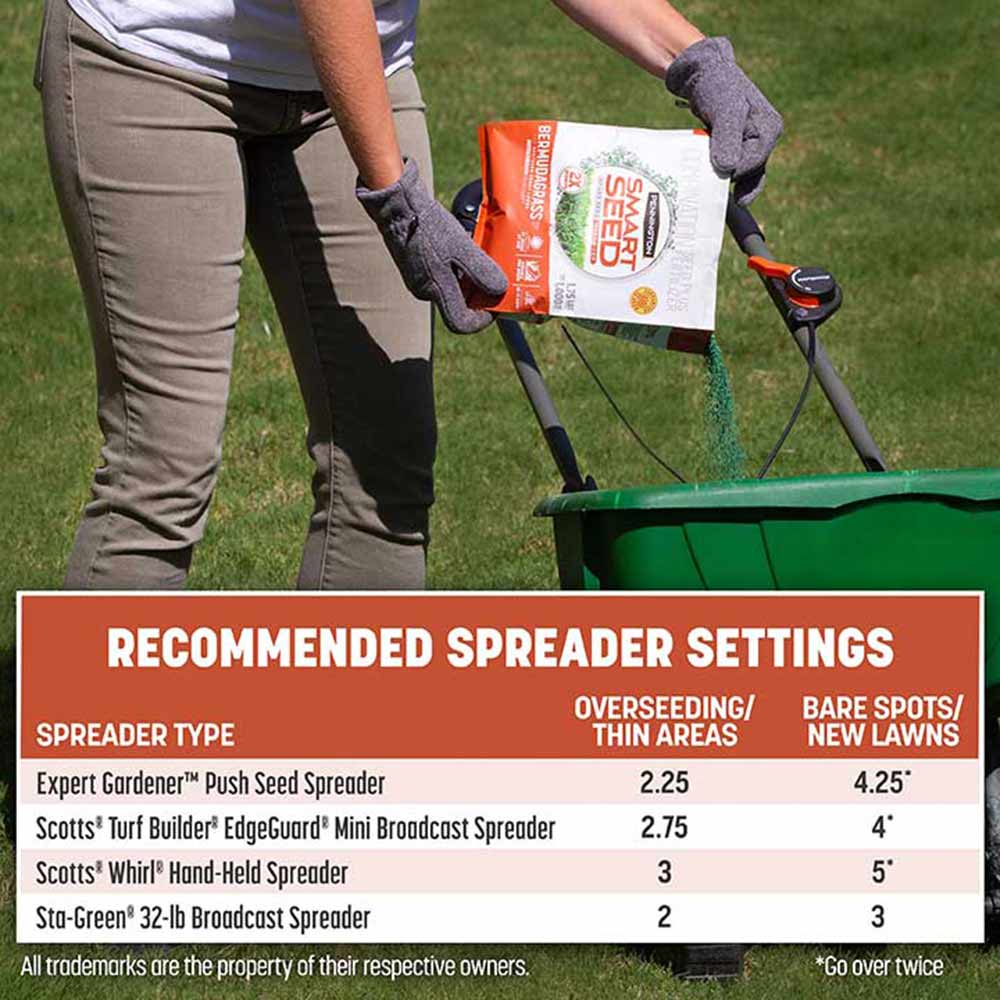
Credit: www.pennington.com
Dealing With Common Issues
Spreading Bermuda grass seed can face some common challenges. These issues affect how well your grass grows. Knowing how to handle these problems helps you get a healthy lawn. Focus on preventing weeds and managing pests and diseases. Both are key to strong Bermuda grass.
Preventing Weed Growth
Weeds compete with Bermuda grass for water and nutrients. Remove weeds before planting the seed. Use a light herbicide made for new grass or pull weeds by hand. Keep the soil moist but not soaked. Weeds grow fast in dry, bare soil. Mow your grass regularly to stop weeds from seeding. A thick Bermuda lawn stops weeds from spreading.
Managing Pests And Diseases
Insects and diseases can harm Bermuda grass seedlings. Watch for signs like yellow spots or holes in leaves. Use insecticidal soap or natural predators to control pests. Avoid overwatering, which causes fungal diseases. Water early in the morning to dry leaves quickly. Remove dead grass and debris to stop disease spread. Healthy soil and proper care reduce pest and disease problems.
Tips For A Thick, Healthy Lawn
Growing a thick, healthy Bermuda grass lawn needs care beyond just planting seeds. Simple steps help grass grow strong and green. These tips focus on feeding the soil and cutting the grass right.
Good habits keep your lawn lush and full. Follow these easy steps to boost your Bermuda grass growth.
Fertilizing
Fertilizer gives nutrients that grass needs to grow fast and stay green. Use a fertilizer made for Bermuda grass. Apply it during warm months when grass grows most. Spread it evenly on the lawn. Avoid too much fertilizer. It can harm the grass and soil. Water the lawn after fertilizing to help nutrients soak in.
Mowing Practices
Cutting grass correctly helps it grow thick and healthy. Set mower blades to a height of about 1 to 2 inches. Do not cut more than one-third of the grass height at once. Keep mower blades sharp for clean cuts. Mowing often encourages grass to spread and fill bare spots. Leave grass clippings on the lawn. They add natural fertilizer and keep moisture in the soil.
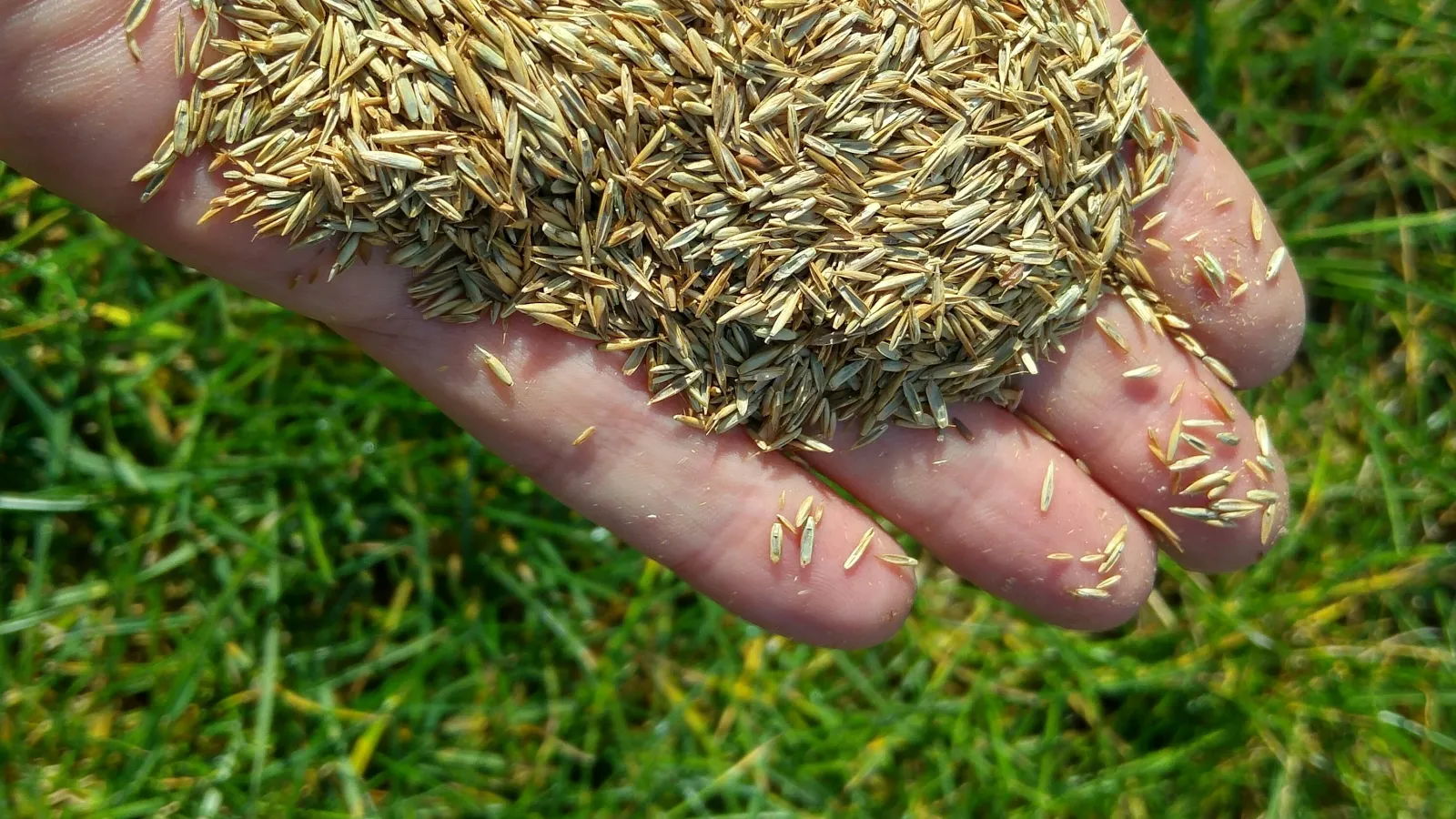
Credit: turfmasterslawncare.com
Frequently Asked Questions
How Long Does Bermuda Grass Seed Take To Germinate?
Bermuda grass seed typically germinates within 7 to 14 days. Warm soil temperatures around 65-70°F speed up germination. Consistent moisture is essential during this period to ensure good seed sprouting and establishment.
What Is The Best Time To Spread Bermuda Grass Seed?
The best time to spread Bermuda grass seed is late spring to early summer. Soil temperatures should be consistently warm, ideally above 65°F. This timing promotes fast germination and healthy growth in warm-season conditions.
How Much Bermuda Grass Seed Do I Need Per Square Foot?
Use about 1 to 2 pounds of Bermuda grass seed per 1,000 square feet. This rate ensures proper coverage and thick lawn growth. Adjust seed quantity based on soil quality and lawn condition.
Should I Water Bermuda Grass Seed After Spreading?
Yes, water Bermuda grass seed lightly but frequently after spreading. Keep the soil moist but not soaked. Regular watering helps seeds germinate and roots establish effectively.
Conclusion
Spreading Bermuda grass seed can bring new life to your lawn. Start with good soil and spread seeds evenly. Water gently but regularly to help seeds grow. Watch for weeds and remove them quickly. Patience is key; grass takes time to fill in.
With care, your lawn will become green and healthy. Enjoy the beauty of fresh Bermuda grass soon. Keep following simple steps for a strong, lush yard. Your effort will surely pay off.
