
If you have Bermuda grass in your Georgia lawn, you’ve probably noticed how it changes with the seasons. But do you know exactly when your grass goes dormant?
Understanding this timing is key to keeping your lawn healthy and green year after year. You’ll discover when Bermuda grass takes a break and what that means for your lawn care routine. Keep reading to learn how to make the most of every season and keep your yard looking its best.
Bermuda Grass Growth Cycle
Bermuda grass follows a clear growth cycle that changes with the seasons in Georgia. Understanding this cycle helps homeowners care for their lawns properly. The grass grows actively during warm months and slows down when temperatures drop. This natural rhythm affects how the lawn looks and behaves throughout the year.
Active Growing Periods
Bermuda grass grows fastest in warm weather. The best growth happens between late spring and early fall. During these months, the grass is green and thick. It needs regular watering and mowing to stay healthy. Warm temperatures around 75 to 95 degrees Fahrenheit help the grass thrive. Sunlight also plays a big role in its growth.
Dormancy Triggers
As temperatures fall below 50 degrees, Bermuda grass begins to slow down. Shorter daylight hours signal the grass to enter dormancy. During dormancy, the grass turns brown and stops growing. It saves energy to survive cold winter months. Frost and freezing temperatures deepen this resting phase. Dormancy helps Bermuda grass protect itself until spring returns.
Climate Impact In Georgia
The climate in Georgia plays a big role in the life cycle of Bermuda grass. This warm-season grass grows best in hot weather. It slows down and stops growing as temperatures drop. Understanding Georgia’s climate helps predict when Bermuda grass goes dormant. The timing affects lawn care and maintenance routines.
Temperature Effects
Temperature is the main factor for Bermuda grass dormancy. The grass stays green and grows during hot months. When temperatures fall below 50°F, growth slows. Nights below 40°F cause Bermuda grass to enter dormancy. This usually happens in late fall. The grass turns brown and stops growing until spring warms up again.
Rainfall Patterns
Rainfall also impacts Bermuda grass health and dormancy. Georgia’s rainfall varies by region and season. Dry spells stress the grass and speed up dormancy. On the other hand, regular rain keeps the grass healthy longer. Too little water forces Bermuda grass to conserve energy. It enters dormancy earlier to survive dry conditions.
Signs Of Dormancy
Bermuda grass in Georgia shows clear signs before it goes dormant. Recognizing these signs helps you care for your lawn properly during colder months. Dormancy means the grass stops growing and changes its appearance. Knowing what to expect keeps your lawn healthy and ready for spring.
Color Changes
Bermuda grass changes color as it enters dormancy. The bright green fades to yellow or brown. This color shift happens because the grass stops making chlorophyll. The grass blades look dry and less vibrant. These color changes usually start in late fall. They signal the grass is slowing down for winter.
Texture And Growth Rate
The texture of Bermuda grass feels different during dormancy. It becomes rougher and brittle to touch. The grass blades are less soft and flexible. Growth slows down significantly or stops altogether. You will notice fewer new shoots and less spreading. These changes show the grass is conserving energy for cold months.

Credit: thebermudabible.com
Timing Of Dormancy In Georgia
Bermuda grass goes dormant in Georgia as temperatures drop. This process helps the grass survive cold weather. Understanding the timing of dormancy is key for proper lawn care. Georgia’s climate affects when Bermuda grass stops growing and turns brown. Knowing these details helps homeowners plan their yard maintenance better.
Typical Dormant Months
In Georgia, Bermuda grass usually goes dormant between late October and early March. Cooler nights and shorter days signal the grass to slow growth. By November, most lawns show brown, dormant grass. The grass stays dormant through winter. It begins to green up again as spring temperatures rise in March.
Variations By Region
Georgia’s climate varies from north to south. Northern areas experience earlier dormancy due to colder weather. Southern Georgia may see Bermuda grass stay green longer. Coastal regions have milder winters, delaying dormancy. Microclimates and weather patterns also affect timing. Each lawn may have slight differences in dormancy start and end dates.
Care During Dormancy
Bermuda grass in Georgia goes dormant during the colder months. It stops growing and turns brown. This is a natural process to protect the grass. Even though the grass looks inactive, it still needs care. Proper care helps the grass stay healthy and ready to grow again in spring.
Watering Tips
During dormancy, Bermuda grass needs less water. Water only when the soil feels dry. Too much water can cause problems like mold or fungus. Water deeply but less often. Early morning is the best time to water. This helps the grass absorb moisture before the sun dries the soil.
Fertilization Guidelines
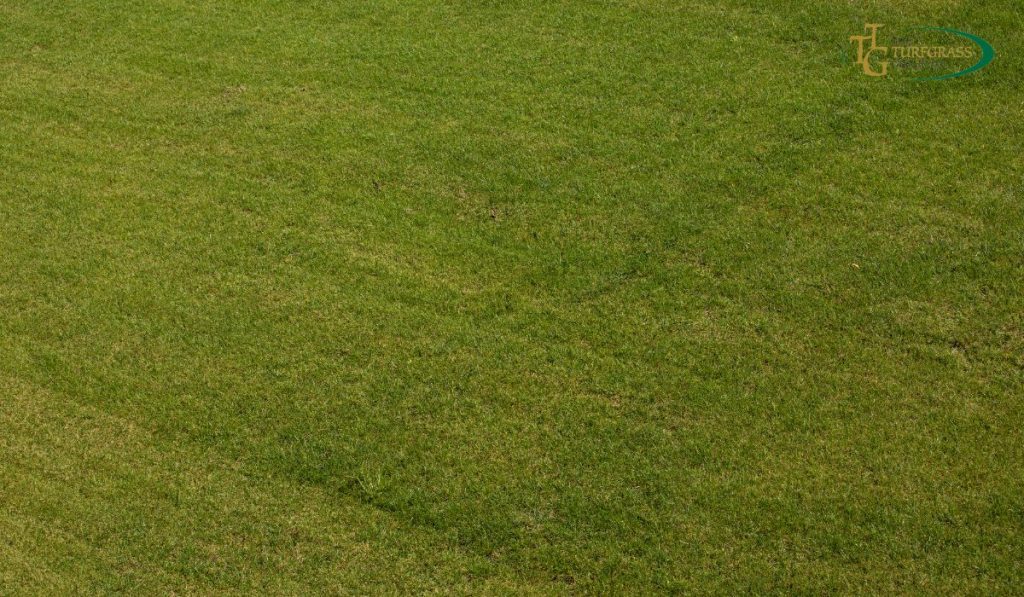
Avoid heavy fertilization during dormancy. The grass does not use many nutrients now. Use a light application of fertilizer in late fall. Choose a fertilizer with low nitrogen to avoid growth. This helps keep the roots strong. Wait until spring for regular feeding to support new growth.
Credit: theturfgrassgroup.com
Preparing For Spring Revival
Preparing your Bermuda grass for spring revival in Georgia sets the stage for a healthy lawn. After dormancy, the grass needs care to wake up strong. Early attention helps the grass grow evenly and resist weeds.
Proper preparation also improves soil health and boosts root growth. These steps ensure your lawn looks green and thick throughout the warm months.
Soil Preparation
Start by removing leaves and debris from the lawn. This clears the way for sunlight and air to reach the soil. Next, test the soil pH to check its condition. Bermuda grass grows best in soil with a pH between 5.8 and 7.0.
Based on the test, add lime or sulfur to balance pH levels. Aerate compacted soil to improve air and water flow. Spread a thin layer of compost or topsoil to add nutrients. These steps prepare the ground for new growth.
Early Season Maintenance
Begin mowing once the grass starts to green up. Set the mower blade high to avoid stressing the grass. Remove any dead grass clumps and thatch buildup. This helps reduce disease risk and improves air circulation.
Apply a balanced fertilizer to provide essential nutrients. Follow recommended rates to avoid burning the grass. Water the lawn deeply but infrequently to encourage deep roots. Early maintenance supports healthy, vigorous growth all season long.

Credit: thebermudabible.com
Frequently Asked Questions
When Does Bermuda Grass Typically Go Dormant In Georgia?
Bermuda grass in Georgia usually goes dormant in late fall, around November. Cooler temperatures and shorter daylight hours trigger dormancy. The grass turns brown and stops growing until warmer spring temperatures return.
How Long Does Bermuda Grass Stay Dormant In Georgia?
Bermuda grass remains dormant in Georgia for about 4 to 5 months. Dormancy typically starts in late fall and lasts through winter until early spring. The grass revives when soil temperatures consistently rise above 60°F.
Can Bermuda Grass Survive Georgia Winters While Dormant?
Yes, Bermuda grass survives Georgia winters while dormant. Dormancy helps the grass conserve energy and protect itself from cold damage. Proper lawn care before dormancy improves its winter survival and spring recovery.
Does Watering Affect Bermuda Grass Dormancy In Georgia?
Watering has little effect on Bermuda grass dormancy in Georgia. The grass naturally goes dormant due to temperature and daylight changes. Overwatering during dormancy can cause fungal issues, so minimal watering is recommended.
Conclusion
Bermuda grass in Georgia usually goes dormant in late fall. Cooler temperatures and shorter days cause this change. The grass turns brown and stops growing. This is normal and helps the grass survive winter. Watering less and mowing higher can protect your lawn.
Knowing when dormancy starts helps you care for your yard. Watch for signs to keep your grass healthy. Dormancy is just a rest period before spring growth. Your lawn will green up again with warmer weather. Patience is key for a beautiful Bermuda grass lawn.
