

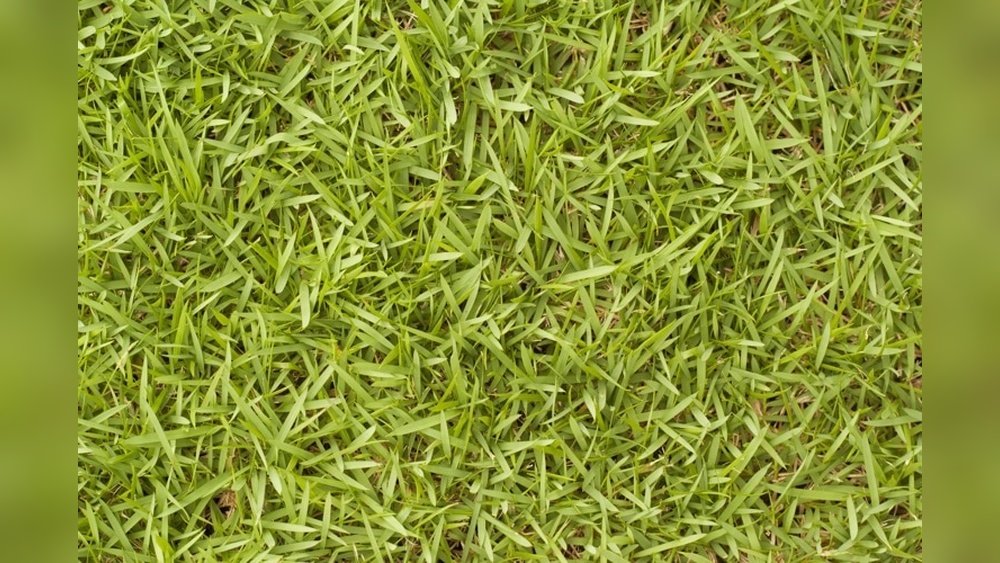
You can plant Bermuda grass in the fall, but success depends on timing and soil preparation. Early fall is best, when soil is still warm but air temperatures begin to cool. This allows the grass to establish roots before winter. Avoid planting too late to prevent frost damage and poor growth.
Are you thinking about planting Bermuda grass but wondering if fall is the right time? You want a lush, green lawn that lasts through the seasons, but timing is everything.
Planting Bermuda grass at the wrong time can mean slow growth or patchy results. What if you could learn the best way to get your grass thriving before winter arrives? Keep reading, and you’ll discover exactly when and how to plant Bermuda grass in the fall for the healthiest, greenest lawn possible.
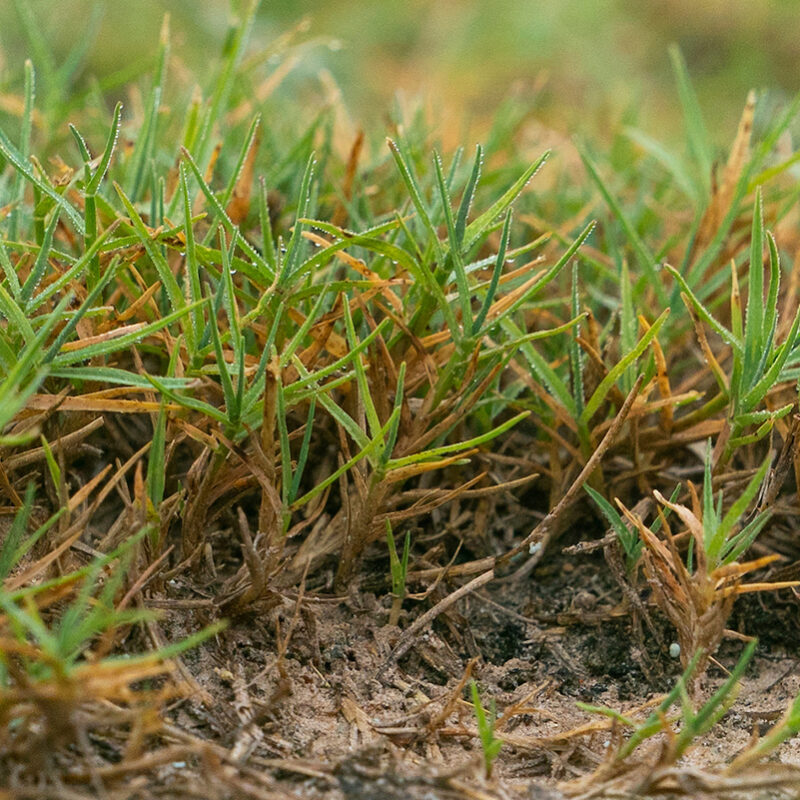
Credit: agrilifeextension.tamu.edu
Bermuda Grass Basics
Bermuda grass is a popular choice for lawns in warm climates. It grows fast and creates a thick, green carpet. This grass type is strong and handles heat well. Knowing the basics helps decide the best time to plant it.
Understanding Bermuda grass’s traits and needs makes lawn care easier. This knowledge helps keep the grass healthy and green.
Characteristics Of Bermuda Grass
Bermuda grass has fine blades and spreads quickly. It can grow from seeds, plugs, or sod. The grass forms a dense, soft surface. It handles heavy foot traffic and recovers fast from damage. Bermuda grass turns brown in cold weather. It grows best in summer and stays green in warm weather.
Ideal Growing Conditions
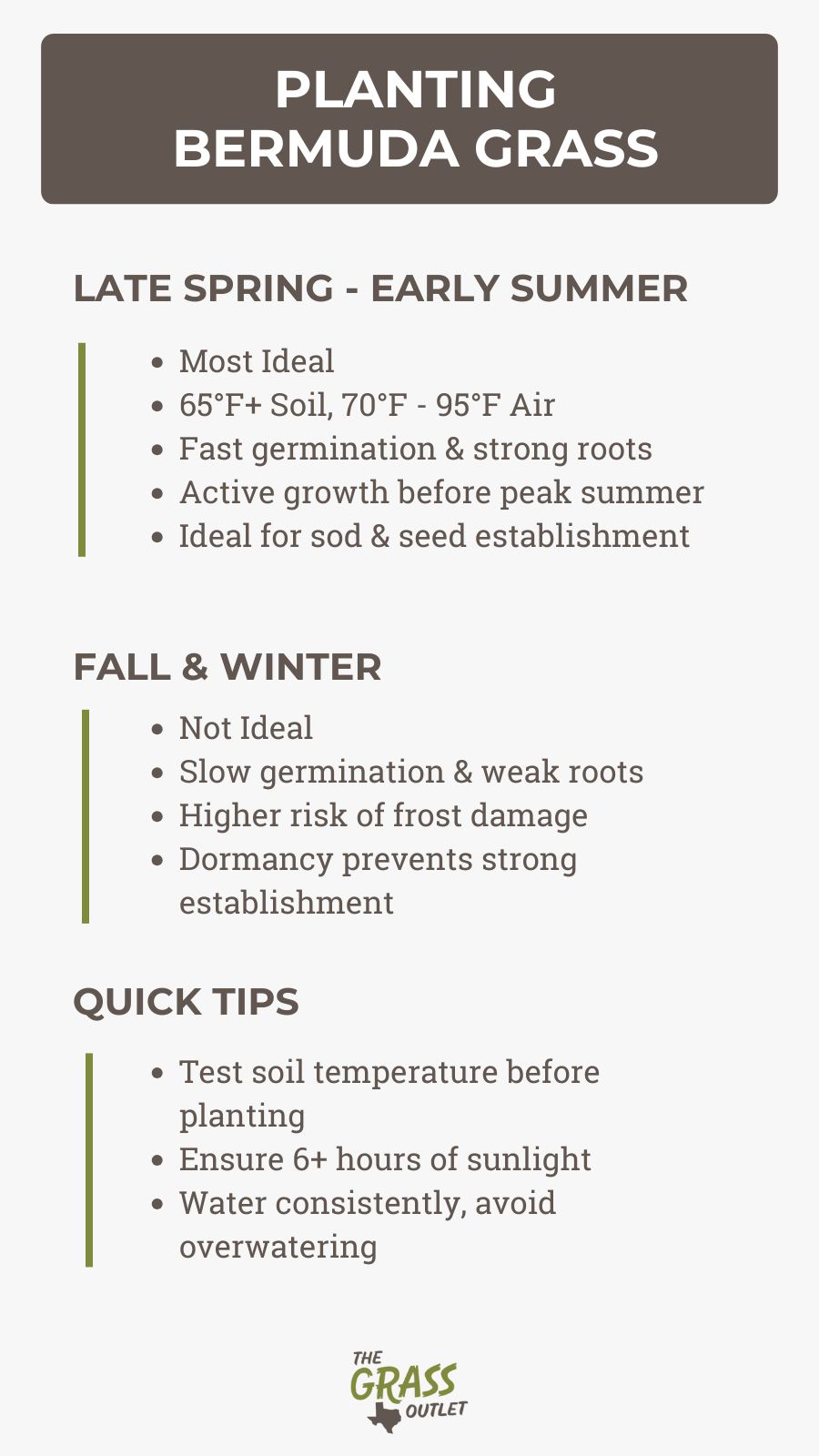
Bermuda grass loves full sun. It needs at least six hours of direct sunlight daily. The soil should drain well and be sandy or loamy. This grass prefers warm temperatures between 75°F and 95°F. It grows poorly in shade and cold. Regular watering helps during dry periods. Fertilizing in spring and summer boosts growth.
Credit: thegrassoutlet.com
Fall Planting Challenges
Planting Bermuda grass in the fall has its own set of challenges. The season changes bring cooler temperatures and shifting soil conditions. These changes affect the grass’s growth and establishment. Understanding these challenges helps prepare your lawn for success.
Temperature Considerations
Bermuda grass prefers warm weather to grow well. Fall temperatures can drop too low for the grass to thrive. Cool nights slow down seed germination. Daytime warmth may not last long enough for strong growth. Frost can damage young grass shoots. Planting too late in fall risks poor development before winter.
Soil Preparation In Autumn
Soil needs extra care in the fall for Bermuda grass. It should be loose and well-drained to help roots grow. Remove dead grass and debris before planting. Testing soil pH is important; Bermuda grows best between 5.8 and 7.0. Adding lime or sulfur can adjust pH if needed. Fertilize lightly to avoid burning new seedlings. Good soil preparation gives the grass a better chance to survive cold months.
Benefits Of Fall Planting
Planting Bermuda grass in the fall offers many benefits. The cooler weather helps the grass settle well. Soil stays warm longer, aiding seed growth. Fall planting sets the stage for a strong lawn next spring.
Root Development
Fall gives Bermuda grass time to grow deep roots. Roots grow faster in cool soil than in hot summer heat. Strong roots help the grass survive dry spells. Deep roots also make the lawn greener and thicker.
Pest And Weed Control
Fewer pests appear in fall, reducing damage to new grass. Weeds grow less during cooler months, lowering competition. This means Bermuda grass can grow without much struggle. Planting in fall helps grass establish before spring weeds arrive.
Step-by-step Fall Planting Guide
Planting Bermuda grass in the fall requires careful steps. This guide helps you plant successfully. Follow each step to get a healthy lawn. Fall gives the grass time to grow strong before winter.
Selecting Quality Seeds Or Sod
Choose seeds or sod with good reviews and strong roots. Look for varieties suited to your climate. Avoid old or damaged seeds. Healthy sod should look green and fresh. Buy from trusted local suppliers.
Proper Seeding Techniques
Prepare the soil by removing weeds and rocks. Loosen the top layer to help roots grow. Spread seeds evenly over the area. Use a rake to cover seeds lightly with soil. For sod, lay pieces tightly side by side. Press down gently to remove air pockets.
Watering And Maintenance Tips
Water the area right after planting. Keep soil moist but not soaked. Water lightly once or twice a day at first. Reduce watering as grass starts to grow. Mow the lawn only when grass is about two inches tall. Remove fallen leaves to avoid blocking sunlight.
Common Mistakes To Avoid
Planting Bermuda grass in the fall can be a smart choice. Avoid mistakes that harm growth. Knowing common errors helps save time and effort. This section covers key mistakes to avoid for a healthy lawn.
Overwatering Issues
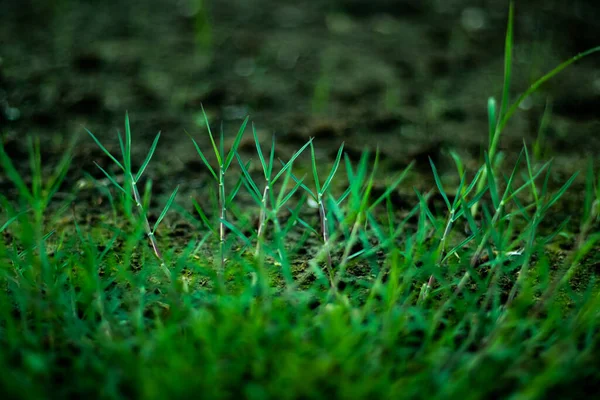
Too much water can drown Bermuda grass roots. It stops oxygen from reaching the soil. This causes root rot and weak growth. Water only when the top soil feels dry. Aim for deep, less frequent watering. This helps roots grow strong and deep.
Ignoring Soil Testing
Soil testing shows nutrient levels and pH balance. Without testing, you may add wrong fertilizers. This leads to poor grass health and growth. Test soil before planting Bermuda grass. Adjust soil nutrients based on test results. Healthy soil creates a strong lawn foundation.
Credit: theturfgrassgroup.com
Preparing Bermuda Grass For Winter
Planting Bermuda grass in the fall can be tricky because it grows best in warm weather. Preparing it for winter means giving it enough time to settle before cold temperatures arrive. Water and mow properly to help the grass stay healthy through winter.
Bermuda grass needs care before winter. It grows best in warm weather. As temperatures drop, the grass slows down. Preparing it helps keep it healthy through cold months. Proper steps protect the roots and blades. This makes spring growth stronger and faster.
Fertilizing Strategies
Apply fertilizer in early fall. Choose one with less nitrogen and more potassium. Potassium helps the grass resist cold and disease. Avoid fertilizing late in the season. Too much nitrogen can weaken the grass. Fertilize about six weeks before the first frost. This timing supports root growth and energy storage.
Protecting Grass From Frost
Frost can damage Bermuda grass blades. Avoid walking on the lawn early in the morning. Use mulch or straw on thin areas to shield roots. Keep the grass mowed to a moderate height before frost. Taller grass can trap moisture and freeze damage. Water the lawn lightly before frost nights. Moist soil holds heat better than dry soil.
Frequently Asked Questions
Can Bermuda Grass Be Planted In Fall Successfully?
Yes, Bermuda grass can be planted in early fall. Cooler temperatures help root development before winter dormancy. However, early fall is best for optimal growth.
What Is The Best Time In Fall To Plant Bermuda Grass?
The best time is early fall, about 6-8 weeks before the first frost. This allows the grass to establish strong roots before cold weather.
Will Bermuda Grass Grow Well If Planted Late In Fall?
Planting Bermuda grass late in fall is not ideal. Cold temperatures slow growth and root development, leading to poor establishment and weak lawns.
How Should I Prepare Soil For Bermuda Grass In Fall?
Prepare soil by removing weeds, loosening the topsoil, and adding fertilizer. Proper soil prep ensures good seed-to-soil contact and supports healthy root growth.
Conclusion
Planting Bermuda grass in fall can work with care and patience. Cooler soil slows growth but does not stop it. Prepare the soil well and water regularly. Keep an eye on weather to avoid early frost damage. Fall planting gives roots time to grow before winter.
This helps the grass green up fast in spring. Choose quality seeds or sod for best results. With the right steps, your lawn can stay healthy year-round. Don’t rush; good grass takes time to grow strong.
