

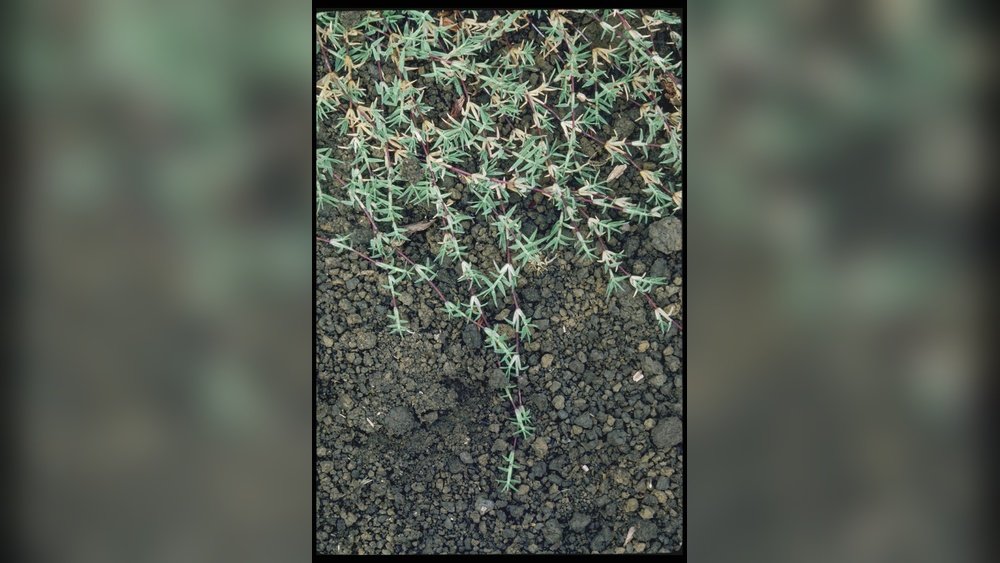
Bermuda grass seed typically germinates within 7 to 14 days under optimal conditions, with warm soil temperatures between 75 and 85 degrees Fahrenheit speeding up the process. Cooler soil and inconsistent moisture can delay sprouting, so maintaining proper warmth and moisture is key for faster growth.
If you’re planting Bermuda grass seed, one question probably keeps coming to mind: how long will it take to see those first green shoots? You want to know when your lawn will start to come alive and when you can expect that lush, green carpet to grow.
Understanding the germination time of Bermuda grass seed is key to planning your lawn care and setting the right expectations. Keep reading, and you’ll discover exactly how long you need to wait, plus tips to help your grass grow faster and healthier.
Your perfect lawn is closer than you think!
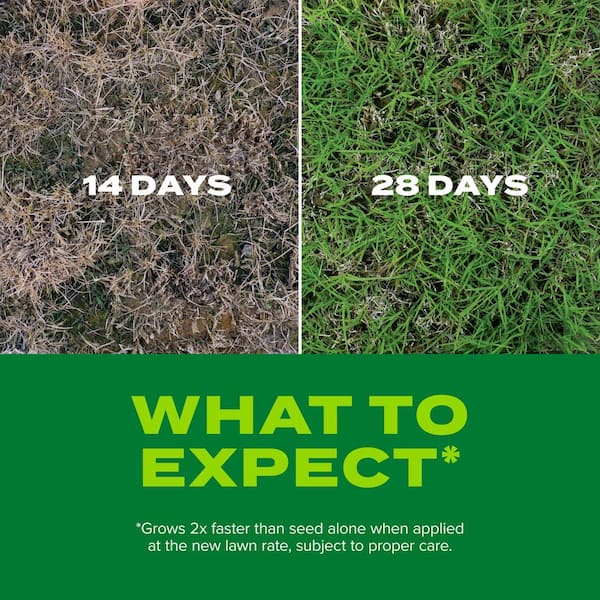
Credit: www.homedepot.com
Bermuda Grass Seed Basics
Bermuda grass is a popular choice for warm climates. It grows fast and creates a thick, green lawn. Knowing the basics of Bermuda grass seed helps you grow it well. Understanding seed types and planting times improves your chances of success.
This guide covers the essential facts about Bermuda grass seed. It explains the types of seeds and the best time to plant them. Follow these tips to get a healthy, green lawn.
Seed Types And Quality
Bermuda grass seed comes in several types. Common Bermuda is the most affordable and grows well in most soils. Hybrid Bermuda seeds offer better color and wear resistance but cost more. Choose seeds with high purity and germination rates. Check the label for at least 80% germination. Fresh seeds germinate faster and stronger. Avoid old or damaged seeds to ensure good growth.
Ideal Planting Time
Plant Bermuda grass seed during warm months. The best time is late spring to early summer. Soil temperatures should be between 65°F and 75°F. Warm soil helps seeds sprout quickly. Avoid planting in cold or wet conditions. These slow down germination and increase disease risk. Planting at the right time leads to a lush lawn faster.
Credit: www.turf-boss.com
Germination Timeline
The germination timeline of Bermuda grass seed is important to know. It helps you plan your lawn care and watering schedule. Understanding when the seeds will sprout keeps your expectations clear. The process varies but usually follows a general pattern.
This section explains how long Bermuda grass seeds take to grow. It also covers what affects the speed of germination. Read on to learn the typical timeline and key factors involved.
Typical Germination Period
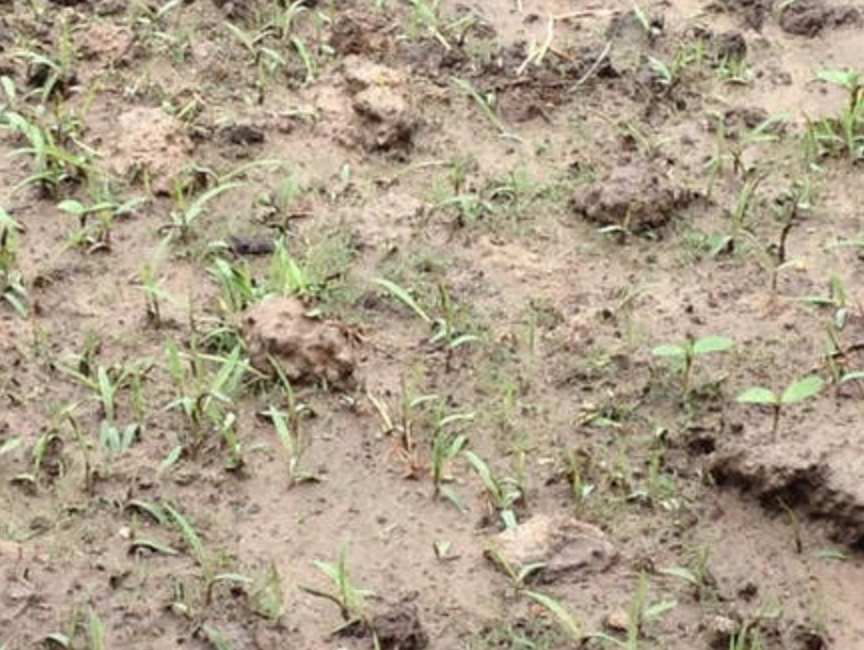
Bermuda grass seeds usually start to sprout in 7 to 14 days. Warm soil speeds up this process. Ideal soil temperature is between 75 and 85 degrees Fahrenheit. Cooler soil slows germination. Seeds may take up to 21 days in less favorable conditions. Proper moisture helps seeds wake up and grow strong.
Factors Affecting Germination Speed
Soil temperature is the main factor that changes germination speed. Warm soil encourages quick sprouting. Cold soil can delay or stop growth completely. Water is also crucial. Seeds need consistent moisture but not too much water. Too much water can cause seeds to rot. Light affects some grass seeds, but Bermuda grass prefers soil coverage. Seed quality matters too. Fresh, healthy seeds germinate faster. Poor or old seeds may take longer or fail to grow.
Soil Preparation Tips
Preparing the soil properly is key for Bermuda grass seed to germinate well. Good soil helps seeds sprout quickly and grow strong. Taking time to ready the ground boosts your lawn’s health and appearance. Follow these tips for the best results.
Soil Testing And Amendments
Test the soil to know its pH and nutrient levels. Bermuda grass grows best in soil with a pH between 5.8 and 7.0. Use a simple soil test kit or send a sample to a lab. Add lime to raise pH or sulfur to lower it if needed. Mix in compost or organic matter to improve soil texture and fertility. Healthy soil supports faster seed germination and growth.
Proper Soil Moisture Levels
Keep soil moist but not soaked after planting seeds. Water lightly and often to keep the top inch of soil damp. Too much water can drown seeds and cause disease. Too little water dries seeds and stops germination. Use a spray nozzle or fine mist to avoid washing seeds away. Consistent moisture helps Bermuda grass seeds sprout in 7 to 21 days.
Planting Techniques
Planting Bermuda grass seed correctly boosts germination and growth. Proper techniques help seeds sprout faster and create a healthy lawn. Small changes in planting can make a big difference in results.
Seeding Depth And Spacing
Plant Bermuda grass seed at a shallow depth. Keep seeds no deeper than 1/4 inch in the soil. Deep planting slows germination and weakens seedlings.
Space seeds evenly to avoid overcrowding. Spread seed at about 1 to 2 pounds per 1,000 square feet. Proper spacing helps each seed get enough sunlight and nutrients.
Using Starter Fertilizers
Apply starter fertilizer at planting to boost seed growth. Fertilizers with nitrogen, phosphorus, and potassium support root and blade development.
Use fertilizers made for new grass seed. Follow package instructions for amounts. Too much fertilizer can harm seedlings.
Watering Strategies
Water is crucial for Bermuda grass seed to sprout and grow strong. Proper watering helps seeds absorb moisture and start germinating quickly. Too little water slows growth. Too much water can wash seeds away or cause disease. A good watering plan balances moisture without drowning the soil.
Frequency And Amount
Water the soil lightly but often during the first two weeks. Aim for small, frequent watering sessions. This keeps the topsoil moist but not soaked. Watering twice a day, early morning and late afternoon, works well. Use about 1/4 inch of water each time. After the grass sprouts, reduce watering to once daily. Gradually lower frequency as roots grow deeper.
Avoiding Overwatering
Too much water can drown Bermuda grass seeds. It causes poor air flow and root rot. Watch for puddles or soggy soil. If you see these, cut back watering. Let the soil surface dry out slightly between watering times. Good drainage in soil helps prevent water buildup. Use a light hand with watering to protect young seedlings.
Temperature And Light Needs
Temperature and light play key roles in Bermuda grass seed germination. These factors affect how fast the seeds sprout and grow. Proper soil warmth and sunlight help seeds develop strong roots. Without the right conditions, germination slows down or stops.
Optimal Soil Temperature
Bermuda grass seeds need warm soil to start growing. The best soil temperature is between 70°F and 95°F. Below 65°F, seeds germinate very slowly or not at all. Warm soil helps seeds absorb water and nutrients. Check soil temperature before planting to ensure quick germination.
Sunlight Requirements
Bermuda grass thrives in full sun. It needs at least 6 to 8 hours of direct sunlight daily. Shade can reduce seedling growth and weaken grass. Sunlight supports photosynthesis, which helps young plants grow strong. Choose a sunny spot for the best results.
Common Germination Problems
Bermuda grass seed usually germinates within 7 to 21 days. Sometimes, seeds do not sprout as expected. Several common problems can stop or slow down germination. Knowing these issues helps gardeners act fast and save their lawn.
Seed germination needs the right temperature, moisture, and soil conditions. If any factor is off, seeds may fail to grow. Early detection of problems is key to fixing them quickly.
Identifying Poor Germination
Seeds that do not sprout show signs of poor germination. You might see bare patches in the soil. The soil looks dry or crusty over the seeds. Sometimes, seedlings start but then die soon after. Slow or uneven growth is another sign. Check the soil moisture and temperature first. Seeds need warmth and moisture to start growing.
Troubleshooting Tips
Keep the soil consistently moist but not soggy. Water lightly several times a day if needed. Avoid heavy watering that washes seeds away. Use a light mulch to keep moisture and protect seeds. Check soil temperature; it should be between 70°F and 85°F. Remove weeds that compete for water and nutrients. If soil is too compacted, loosen it gently. Use fresh seeds and plant at the right depth. Avoid planting too deep or too shallow. Proper care increases the chance of healthy seedlings.

Credit: www.youtube.com
Speeding Up Growth
Speeding up the growth of Bermuda grass seed helps you enjoy a lush lawn sooner. Understanding simple steps can boost germination and early growth. Quick growth means less chance for weeds to take over. Follow easy tips to help your grass thrive fast.
Using Growth Enhancers
Growth enhancers give Bermuda grass seed a head start. Products like seed stimulators contain nutrients that support quick sprouting. Applying these enhancers right after planting improves root development. Always follow the product instructions carefully for best results. Natural options like compost tea can also nourish young grass. These help create a healthy environment for fast growth.
Proper Lawn Care After Germination
After seeds sprout, proper care keeps growth steady. Water the lawn lightly but often to keep soil moist. Avoid heavy watering that can drown the seedlings. Mow the grass only when it reaches about two inches tall. Use a sharp mower blade to prevent damage. Fertilize with a balanced, slow-release fertilizer to support growth. Keep foot traffic low to protect new grass blades. Healthy care practices lead to a thick, green lawn quickly.
Frequently Asked Questions
How Long Does Bermuda Grass Seed Take To Germinate?
Bermuda grass seed typically germinates within 7 to 14 days under optimal conditions. Warm soil temperatures between 65°F and 85°F speed up germination. Consistent moisture and sunlight also promote quicker growth. Cooler temperatures can delay the process.
What Temperature Is Best For Bermuda Grass Seed Germination?
The ideal temperature for Bermuda grass seed germination ranges from 65°F to 85°F. Soil below 60°F slows germination significantly. Warmer temperatures within this range encourage faster seed sprouting and healthy seedling development.
How Often Should I Water Bermuda Grass Seeds?
Water Bermuda grass seeds lightly and frequently to keep soil moist but not soaked. Watering 2-3 times daily during germination helps maintain moisture. Once seedlings emerge, reduce watering frequency to encourage deeper root growth.
Can Bermuda Grass Seed Germinate In Shade?
Bermuda grass seeds require full sunlight for best germination. Shade can reduce germination rates and slow seedling growth. For successful growth, plant Bermuda grass in areas receiving at least 6-8 hours of direct sunlight daily.
Conclusion
Bermuda grass seed usually starts to germinate within 7 to 14 days. Warm soil and proper watering help seeds grow faster. Keep soil moist but not too wet for best results. Patience is important; grass takes time to fill in.
Regular care will give you a healthy, green lawn soon. Remember, good conditions lead to strong Bermuda grass growth. Start right, and enjoy your lush lawn in a few weeks.
