

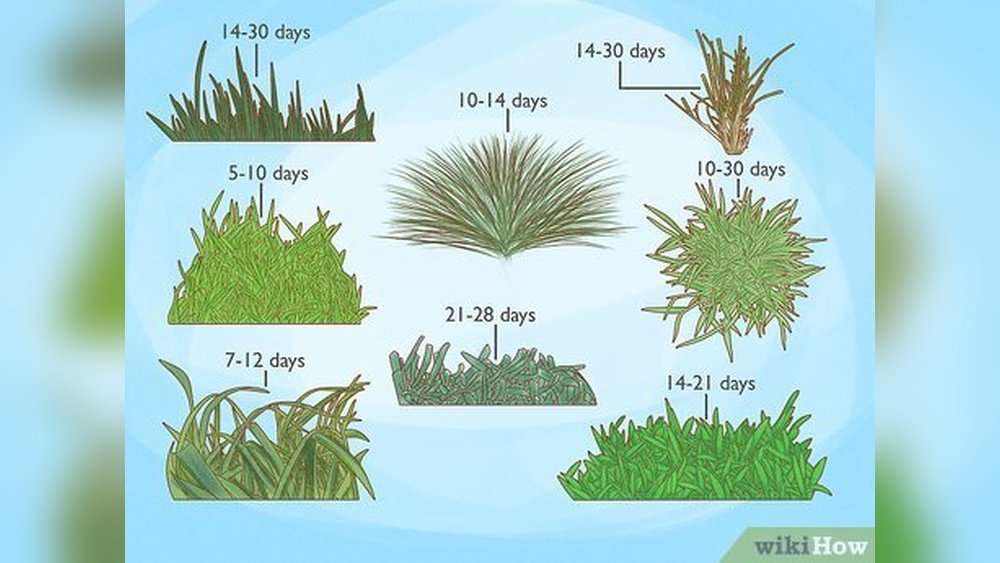
Bermuda grass seed typically takes about 7 to 14 days to germinate under the right warm conditions. Once sprouted, it grows quickly, filling in patches within 4 to 6 weeks. Proper watering, soil temperature, and sunlight are key to speeding up growth and establishing a healthy lawn.
Are you eager to see your lawn transform with lush, green Bermuda grass? One question you probably have is, how long does Bermuda grass seed take to grow?
Knowing the answer can save you time, effort, and frustration. You’ll discover the timeline for Bermuda grass seed growth and what you can do to speed up the process. Keep reading to get the clear, simple facts that will help you achieve the beautiful lawn you’ve been dreaming of.
Credit: www.thegrassmaster.com
Bermuda Grass Basics
Bermuda grass is a popular choice for lawns and sports fields. It grows fast and stays green in warm weather. This grass type is tough and handles heat and drought well. Understanding the basics helps you grow it successfully.
Knowing the right conditions and seed types will make your lawn healthy. Let’s explore what Bermuda grass needs to thrive.
Ideal Growing Conditions
Bermuda grass grows best in warm, sunny places. It needs at least six hours of direct sun daily. This grass likes soil that drains well and is slightly acidic to neutral. Water it regularly but avoid overwatering. Warm temperatures between 75°F and 95°F help Bermuda grass grow fast. It can survive drought but grows slow without enough water.
Seed Varieties
There are many Bermuda grass seed types. Some are better for lawns, others for sports fields. Common varieties include Common Bermuda, Tifway, and Celebration. Common Bermuda grows quickly and is affordable. Tifway offers a dense, soft lawn but costs more. Celebration is good for shade and handles wear well. Choose the seed that fits your lawn needs and climate.
Credit: theturfgrassgroup.com
Germination Timeline
The germination timeline for Bermuda grass seed shows how quickly seeds start to grow. This phase is crucial for a healthy lawn. Knowing the timeline helps you plan watering and care correctly.
Typical Germination Period
Bermuda grass seeds usually sprout within 7 to 14 days. The temperature needs to be warm, between 75°F and 85°F, for quick germination. Cooler weather slows down the process. After sprouting, seedlings grow fast and fill in the lawn.
Factors Affecting Germination
Soil temperature plays a big role in how fast seeds germinate. Warm soil speeds up growth. Moisture is essential; seeds need constant water to sprout. Too much water causes rot, and too little stops germination. Soil quality and seed depth also affect the timeline. Plant seeds about 1/4 inch deep for best results.
Seedling Development
Seedling development is the first important step in growing Bermuda grass from seed. This stage shows how well the grass starts to grow after planting. Healthy seedlings lead to a strong lawn later. Understanding this phase helps you care for your grass better.
The seed sprouts tiny shoots and roots. These first signs of life need good care. Proper conditions help the seedlings grow fast and healthy. Watch closely during this time to catch any problems early.
Early Growth Stages
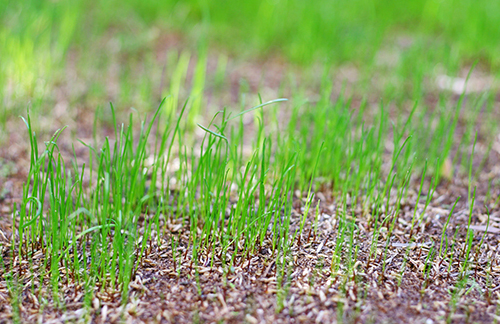
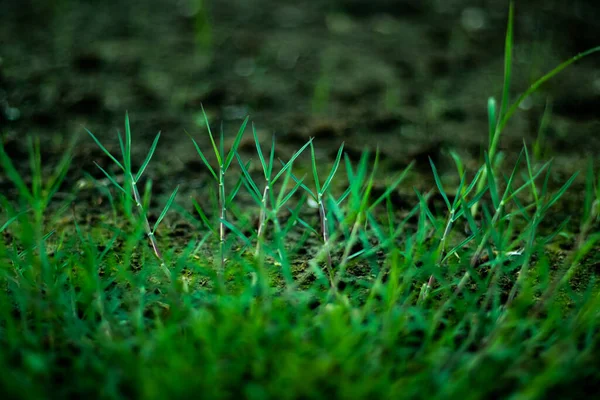
Bermuda grass seeds usually sprout within 7 to 14 days. At first, you will see thin, green blades emerging from the soil. These blades are delicate and need gentle care. The roots start growing deeper to find water and nutrients. During this time, the grass looks sparse and patchy.
After two to three weeks, the grass begins to fill in. The blades get thicker and more blades appear. This growth shows the grass is establishing well. It takes about 4 to 6 weeks for seedlings to form a small, green carpet.
Watering And Care Tips
Keep the soil moist but not soaked. Water lightly every day to help seeds stay wet. Deep watering can wash seeds away or cause diseases. Use a fine spray to avoid disturbing the soil.
Once seedlings grow, reduce watering to twice a week. Let the soil dry slightly between waterings. This encourages roots to grow deeper. Avoid walking on the young grass to prevent damage.
Remove weeds that compete for water and nutrients. Use a light fertilizer after seedlings reach 3 inches tall. This gives the grass energy to grow strong. Proper care during seedling development leads to a lush Bermuda lawn.
Establishing A Healthy Lawn
Establishing a healthy Bermuda grass lawn takes care and patience. Starting with good soil and proper seed helps. After planting, focus on nurturing the grass to grow thick and strong. This makes the lawn look green and last long. Proper care stops weeds and dry patches from forming.
Key steps include feeding the grass and mowing it right. These keep the grass healthy and encourage deep roots. A healthy lawn is easier to maintain and looks better year-round. Follow simple rules to help your Bermuda grass thrive.
Fertilization Schedule
Feed Bermuda grass with fertilizer to support steady growth. Use a balanced fertilizer with nitrogen, phosphorus, and potassium. Start fertilizing about 4 to 6 weeks after planting. Apply fertilizer every 6 to 8 weeks during the growing season. Avoid too much fertilizer to prevent burning the grass. Water the lawn after fertilizing to help nutrients soak in.
Mowing Guidelines
Mow Bermuda grass regularly to keep it healthy. Set mower blades to 1 to 2 inches high. Cut only one-third of the grass height at a time. This avoids stress on the grass and encourages strong growth. Mowing often helps the lawn stay thick and stops weeds. Clean mower blades to make smooth cuts and reduce damage.
Common Growth Challenges
Growing Bermuda grass seed can be tricky. Many gardeners face common problems that slow down growth. Understanding these challenges helps keep your lawn healthy and green. Two main issues are pests and weeds. Both can damage young grass and stop it from growing well.
Dealing With Pests
Pests like insects and grubs eat Bermuda grass roots and blades. This causes brown spots and weak grass. Watch for signs of pest damage early. Use natural pest control methods or safe insecticides. Keep the lawn clean and dry to avoid attracting pests.
Managing Weeds
Weeds compete with Bermuda grass for water and nutrients. They grow faster and block sunlight from reaching the grass. Remove weeds by hand or use a selective herbicide made for lawns. Regular mowing also helps control weed growth. Healthy Bermuda grass will crowd out many weeds naturally.

Credit: thegrassoutlet.com
Speeding Up Growth
Speeding up the growth of Bermuda grass seed helps you get a lush lawn faster. Proper care and smart techniques can boost germination and growth. Focus on soil and nutrients for best results.
Soil Preparation Techniques
Good soil is the base for healthy grass. Start by removing rocks, weeds, and debris. Loosen the soil to help roots grow deep. Add organic matter like compost to improve soil texture. Test soil pH and keep it between 6 and 7. Level the soil to ensure even watering and seed contact. These steps create a strong start for Bermuda grass seeds.
Using Growth Enhancers
Growth enhancers speed up seed germination and root development. Use a starter fertilizer with nitrogen, phosphorus, and potassium. Apply it lightly to avoid burning the seeds. Water with a mild seaweed extract or liquid fertilizer to boost growth. Maintain consistent moisture but avoid waterlogging. These enhancers support faster, healthier grass growth.
Frequently Asked Questions
How Long Does Bermuda Grass Seed Take To Germinate?
Bermuda grass seed typically takes 7 to 14 days to germinate under ideal conditions. Warm soil temperatures between 70-95°F speed up growth. Consistent moisture and sunlight also help the seeds sprout quickly and establish a healthy lawn.
When Will Bermuda Grass Be Fully Grown?
Bermuda grass usually reaches full growth in 60 to 90 days after planting. Proper watering, fertilization, and mowing encourage thick, dense turf. Growth speed depends on climate, soil quality, and care during the growing period.
How To Speed Up Bermuda Grass Seed Growth?
To speed up growth, keep soil moist and warm consistently. Use high-quality seed and fertilize lightly after germination. Avoid heavy foot traffic and mow when grass reaches 2 inches tall to promote healthy development.
What Soil Temperature Is Best For Bermuda Grass Seed?
The ideal soil temperature for Bermuda grass seed germination is between 70°F and 95°F. Cooler temperatures slow growth, while warmer soil accelerates it. Testing soil temperature before planting ensures optimal conditions and faster seed sprouting.
Conclusion
Bermuda grass seed usually starts to grow in about 7 to 14 days. Warm soil and proper watering help speed up growth. You will see fuller grass in 6 to 8 weeks with good care. Patience is key for a green, healthy lawn.
Keep watering and avoid heavy foot traffic early on. Soon, your yard will have strong, thick Bermuda grass. Growing grass takes time, but the results are worth it.
