

Water Bermuda grass deeply once or twice a week for 15 to 30 minutes each session, ideally in the early morning. This encourages strong root growth and helps maintain a lush lawn. Adjust watering frequency and duration based on weather, soil moisture, and seasonal changes to avoid over- or underwatering.
Are you wondering how long to water your Bermuda grass to keep it lush and green? Getting the right watering time can make all the difference between a healthy lawn and one that struggles to grow.
Too little water, and your grass will dry out; too much, and you risk wasting water and inviting disease. You’ll discover simple, practical tips to find the perfect watering routine for your Bermuda grass. Keep reading to learn how to save time, water, and effort while enjoying a vibrant lawn every day.
Bermuda Grass Basics
Bermuda grass is a popular choice for lawns, sports fields, and golf courses. It grows thick and green, creating a soft and durable surface. This grass type thrives in warm weather and needs proper care to stay healthy. Understanding its basics helps in watering it right and promoting strong growth.
Growth Patterns
Bermuda grass spreads quickly through above-ground runners called stolons and underground stems called rhizomes. This growth style helps fill bare spots fast. It grows best during warm months and slows down in cooler weather. Regular mowing encourages dense, even turf. The grass recovers well from damage due to its fast growth.
Climate Preferences
Bermuda grass prefers warm, sunny climates. It grows best in temperatures between 75 and 95 degrees Fahrenheit. The grass needs at least six hours of direct sunlight daily. It can tolerate drought but looks its best with regular watering. Bermuda grass does not do well in shady or cold areas.
Water Needs For Bermuda Grass
Bermuda grass is a popular choice for lawns because it stays green and grows well in warm weather. Knowing how much water it needs helps keep it healthy. Watering too much or too little can harm the grass. Understanding the water needs for Bermuda grass helps you keep your lawn lush and strong.
Water needs change with weather and growth stages. Proper watering saves water and keeps the grass green longer. Let’s explore how often and how much to water Bermuda grass.
Daily Vs Weekly Watering
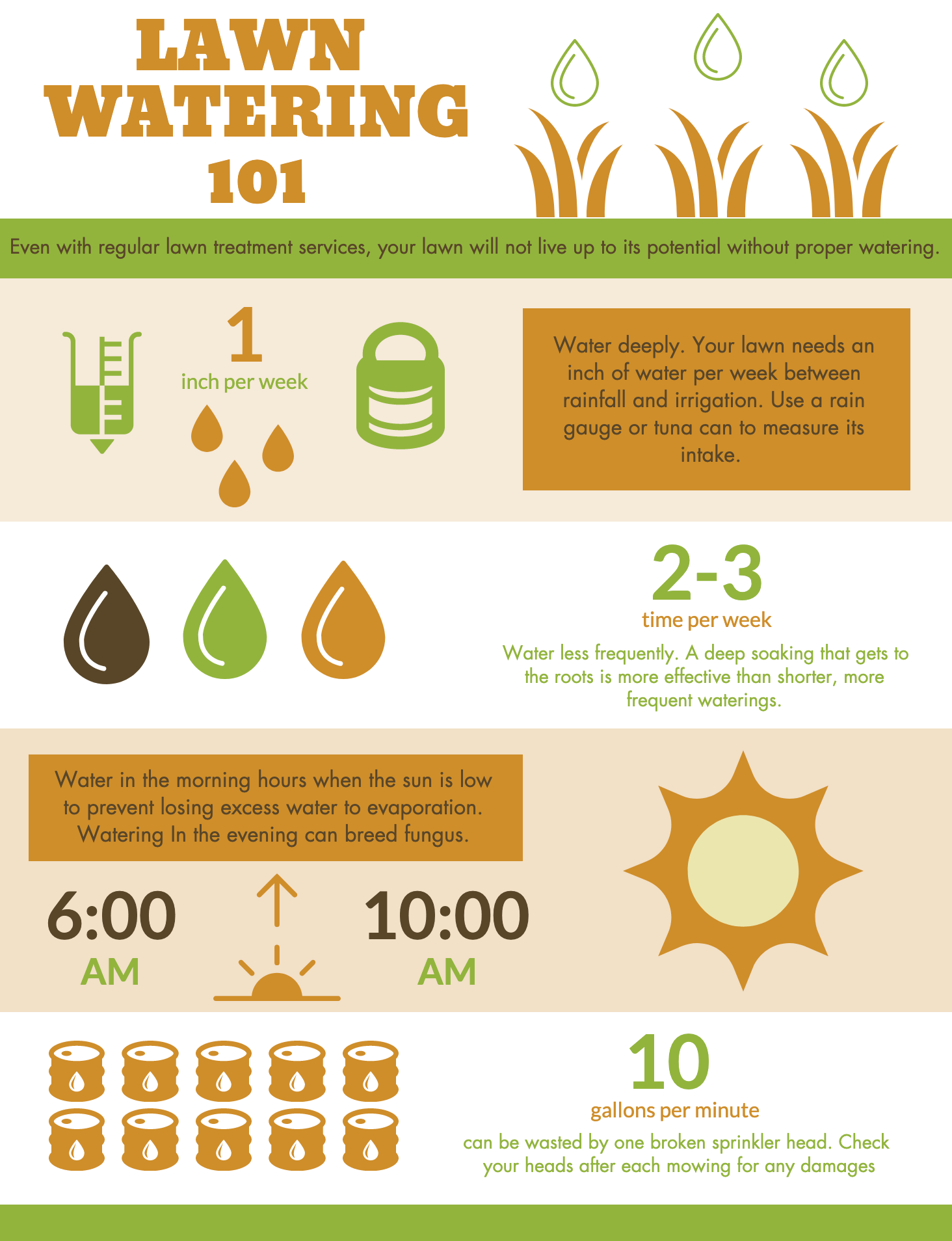
Bermuda grass does not need daily watering. It grows best with deep watering once or twice a week. Deep watering reaches the roots and helps the grass grow strong. Light daily watering only wets the surface and weakens roots. Water the lawn early in the morning. This reduces water loss from evaporation. Check the soil moisture to decide the next watering time.
Seasonal Changes
Water needs change with the seasons. Bermuda grass needs more water in hot, dry summer months. In cooler months, it needs less water. During spring and fall, watering once a week is usually enough. In winter, Bermuda grass grows slowly and may need very little water. Adjust watering based on rain and temperature. Watch the grass color and soil dryness to guide watering.
Ideal Watering Duration
Knowing the ideal watering duration helps keep Bermuda grass healthy and green. Watering too little stresses the grass, while too much wastes water and can cause disease. Finding the right balance is key to a strong lawn.
Morning Vs Evening Watering
Watering in the morning is best for Bermuda grass. The sun helps dry the grass blades quickly. This reduces the chance of fungus and disease. Evening watering keeps the grass wet for longer. This can lead to mold and unhealthy grass roots.
Soil Moisture Guidelines
Check soil moisture to decide how long to water. The top 6 to 8 inches of soil should be moist. Use a screwdriver or soil probe to test it. Water deeply but less often to encourage strong roots. Usually, 15 to 30 minutes per session works well. Adjust time based on soil type and weather.
Watering Techniques
Watering Bermuda grass correctly helps keep it green and healthy. Choosing the right watering method saves water and time. Different techniques deliver water in different ways. Some methods water the grass evenly. Others focus water on the roots. Understanding these techniques improves your lawn care.
Sprinkler Types
Sprinklers spread water over a large area. They mimic natural rainfall. There are many types, like rotary, impact, and oscillating sprinklers. Rotary sprinklers spin and cover big spaces. Impact sprinklers spray water in a circular motion. Oscillating sprinklers move back and forth. Choose sprinklers based on lawn size and shape. Place them to avoid watering sidewalks or driveways. Water early morning or late evening to reduce evaporation.
Drip Irrigation Benefits
Drip irrigation delivers water directly to grass roots. It uses tubes with small holes or emitters. This method wastes less water than sprinklers. It reduces water runoff and evaporation. Drip systems work well for small or irregular lawns. They keep the soil moist without overwatering. Drip irrigation helps prevent weed growth. Installation may take more time but saves water long term.
Signs Of Overwatering And Underwatering
Knowing the signs of overwatering and underwatering helps keep Bermuda grass healthy. Water too much or too little, and the grass shows stress. Spotting these signs early saves your lawn from damage.
Yellowing Grass
Yellow grass often means too much water. Roots get less air and start to rot. Grass looks weak and loses color. Sometimes, yellowing shows a lack of water too. The soil feels dry and hard. Check soil before watering again.
Dry Patches
Dry patches appear when Bermuda grass lacks water. These spots look brown and crispy. Grass blades bend or die in these areas. Dry patches grow larger without enough water. Water deeply to help grass recover fast.

Credit: theturfgrassgroup.com
Tips For Efficient Watering
Watering Bermuda grass correctly saves water and keeps your lawn healthy. Efficient watering helps the grass grow deep roots and stay green longer. It also reduces water waste and prevents lawn diseases. Use smart methods to water less but better.
Using Rain Sensors
Rain sensors stop sprinklers during rain. They help avoid watering when the soil is already wet. This saves water and prevents overwatering. Many irrigation systems support rain sensors. They are easy to install and use. This tool improves watering efficiency and lowers your water bill.
Mulching Benefits
Mulch keeps soil moist by reducing evaporation. It also controls weeds that steal water from grass. Using mulch around Bermuda grass helps keep water in the soil longer. Organic mulches add nutrients as they break down. Mulching is a simple way to keep your lawn hydrated and healthy.
Adjusting Watering For Different Soil Types
Watering Bermuda grass depends a lot on the soil type. Different soils hold water differently. This affects how much and how often you should water your lawn. Adjusting watering to suit your soil helps the grass grow healthy and strong. It also prevents waste of water and keeps the roots safe from damage.
Sandy Soil Considerations
Sandy soil drains water quickly. Water moves fast through it and can dry out the grass roots. Water Bermuda grass in sandy soil more often but use less water each time. Short, frequent watering helps keep the soil moist. Avoid deep watering sessions because water will just run off or drain too fast.
Clay Soil Adjustments
Clay soil holds water for a long time. It drains slowly and can stay wet for days. Water Bermuda grass in clay soil less often but with more water each time. Deep watering helps the water reach the roots. Avoid shallow watering because water may sit on top and cause problems like fungus or root rot.
Credit: thegrassoutlet.com
Credit: southernlawns.net
Frequently Asked Questions
How Long Should I Water Bermuda Grass Daily?
Water Bermuda grass for about 20 to 30 minutes daily. This ensures deep root hydration without overwatering. Adjust based on soil type and weather conditions for best results.
When Is The Best Time To Water Bermuda Grass?
Water Bermuda grass early morning, between 6 AM and 10 AM. This reduces evaporation and allows grass to dry before evening, preventing disease and promoting healthy growth.
How Often Should Bermuda Grass Be Watered Weekly?
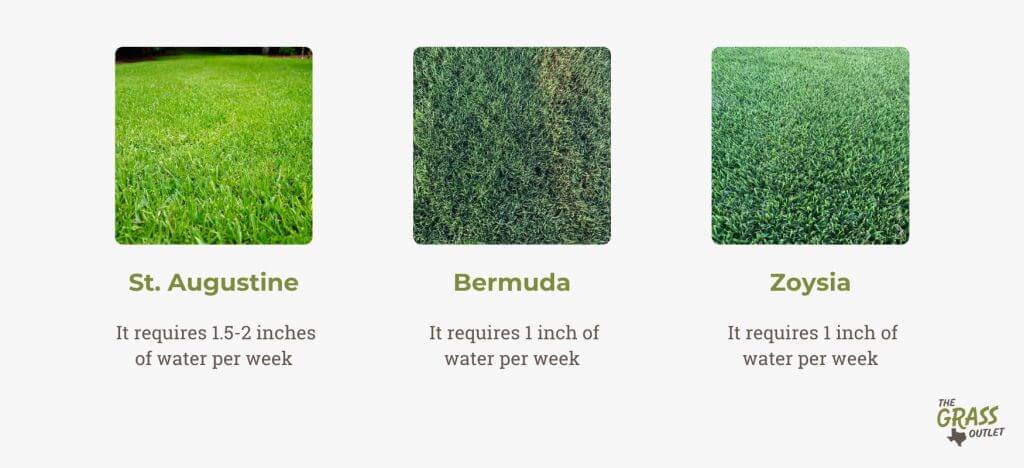
Bermuda grass generally needs about 1 to 1. 25 inches of water per week. This usually means watering 2 to 3 times weekly, depending on rainfall and soil drainage.
Can I Overwater Bermuda Grass And What Happens?
Yes, overwatering Bermuda grass causes shallow roots and fungal diseases. It leads to weak growth and increased weed invasion. Water only as needed for healthy turf.
Conclusion
Watering Bermuda grass properly keeps it healthy and green. Water deeply but less often to help roots grow strong. Aim for about 1 inch of water each week. Early morning watering reduces water loss from heat. Adjust watering based on weather and soil type.
Watch your grass for signs of too much or too little water. Good watering habits save water and keep your lawn looking great. Simple steps make a big difference in lawn care. Keep your Bermuda grass happy with the right watering routine.
