

Bermuda grass should typically be mowed every 5 to 7 days during its active growing seasons in spring and summer. In cooler months, mowing frequency decreases to every 10 to 14 days, and in winter, cutting is only necessary to remove debris since growth slows or stops.
If you have Bermuda grass in your yard, you probably want it to look lush and healthy all year round. But how often should you mow it to keep it at its best?
Mowing too little can make your lawn look messy and let weeds take over. Mowing too much can stress the grass and leave it vulnerable. Finding the right balance is key—and that’s exactly what you’ll discover here. Keep reading to learn the simple mowing schedule that will keep your Bermuda grass vibrant and thriving.
Ideal Mowing Frequency
Knowing the ideal mowing frequency for Bermuda grass helps keep your lawn healthy and green. Mowing too often can stress the grass. Mowing too little lets it grow too tall and weak. Finding the right balance is key for a strong lawn that looks great.
Factors Affecting Mowing Schedule
Grass growth varies due to weather, soil, and grass type. Warm temperatures and rain make Bermuda grass grow faster. Dry or cool conditions slow growth. Soil quality also affects how quickly grass needs cutting. Fertilized grass grows faster and needs more frequent mowing. Your lawn’s use matters too. High traffic areas may need more care and mowing.
Seasonal Adjustments
Spring and summer bring rapid growth for Bermuda grass. Cutting every 5 to 7 days works best during these months. Fall slows growth, so mowing every 10 to 14 days is enough. In winter, Bermuda grass goes dormant and grows very little. Mow only when necessary to remove dead grass or debris. Adjusting mowing frequency by season keeps your lawn healthy year-round.

Credit: theturfgrassgroup.com
Optimal Grass Height
Maintaining the right height for Bermuda grass is key to its health and appearance. Cutting the grass too short can stress it. Too long, and it may look messy and invite pests. Finding the optimal height helps the grass grow strong and green. It also makes mowing easier and less frequent.
Recommended Cutting Heights
Bermuda grass grows best between 1 and 2 inches tall. For lawns, keep it around 1 to 1.5 inches. Golf courses usually cut it shorter, near 0.5 to 1 inch. For sports fields, 1 to 1.25 inches works well. Adjust the height slightly based on weather and soil conditions.
Impact On Grass Health
Cutting Bermuda grass at the right height promotes deep roots. It helps the grass resist drought and heat better. Cutting too short weakens the grass and opens the door to weeds. Taller grass shades the soil and keeps it cool. This reduces water loss and keeps the soil moist longer.
Best Mowing Practices
Mowing Bermuda grass properly keeps your lawn healthy and green. It controls growth and prevents weeds. Good mowing helps the grass grow thicker and stronger. Follow these best mowing practices for a beautiful yard.
Proper mowing also reduces stress on the grass. It saves water and improves the lawn’s look. Let’s explore how to choose the right mower and use the best mowing techniques.
Choosing The Right Mower
Use a mower with sharp blades for clean cuts. Dull blades tear the grass and cause damage. A rotary mower works well for Bermuda grass. Check the mower size to fit your lawn area. Choose a mower with adjustable height settings. This helps keep the grass at the right length. Gas mowers are powerful for large lawns. Electric mowers are quieter and eco-friendly for small yards.
Mowing Techniques For Bermuda Grass
Mow Bermuda grass often during the growing season. Cut no more than one-third of the grass height each time. This prevents stress and helps quick recovery. Change your mowing pattern every time. This avoids soil compaction and uneven wear. Leave grass clippings on the lawn as natural fertilizer. Water the lawn after mowing, not before. Avoid mowing wet grass to prevent damage. Keep the mowing height between 1 and 2 inches. This height encourages dense growth and blocks weeds.
:max_bytes(150000):strip_icc()/GettyImages-11804836261-0e8875690dff42c08d7df1d7ac8ad77c.jpg)
Credit: www.thespruce.com
Signs To Mow
Knowing when to mow Bermuda grass keeps your lawn healthy and neat. Watching for signs helps you decide the best time to cut. This avoids cutting too soon or letting it grow too long. Recognize these signs to keep your grass strong and green.
Visual Indicators
Check the grass height often. Bermuda grass looks ready to mow when it grows about 2 to 3 inches tall. If blades look uneven or start to fold, mowing is due. Watch for a dull green color too. It means the grass needs cutting to stay fresh.
Growth Rate Monitoring
Measure how fast your grass grows each week. During warm months, Bermuda grass grows quickly and needs mowing more often. If it grows more than half an inch in a few days, plan to mow soon. Tracking growth helps you avoid cutting too much at once.
Common Mowing Mistakes
Mowing Bermuda grass needs care and attention. Many gardeners make simple mistakes that hurt their lawn. These errors can cause brown spots, weak roots, and pests. Avoiding common mowing mistakes helps keep your grass healthy and green. Here are two big mistakes to watch for.
Cutting Too Short
Cutting Bermuda grass too short stresses the plant. It loses the ability to store energy. Short grass dries out faster and turns brown. Keep the blade height at about 1 to 2 inches. This length helps grass grow strong and resist weeds. Avoid trimming more than one-third of the grass blade at a time.
Irregular Mowing Intervals
Skipping mowing days harms Bermuda grass. Cutting the lawn too late lets grass grow too tall. Tall grass shades the lower leaves and weakens roots. Mowing too often cuts grass before it grows enough. This weakens the plant and wastes energy. Stick to a regular schedule, mowing every 5 to 7 days in growing season. This keeps your lawn neat and healthy.
Additional Lawn Care Tips
Taking care of Bermuda grass goes beyond mowing. Proper watering and feeding keep your lawn green and healthy. Controlling weeds and pests stops damage and promotes growth. These extra steps help your grass stay strong and beautiful all year.
Watering And Fertilizing
Bermuda grass needs regular watering, especially in hot weather. Water deeply but not too often to encourage strong roots. Early morning is the best time to water. Avoid watering in the afternoon to reduce evaporation.
Fertilize your lawn every 6 to 8 weeks during the growing season. Use a fertilizer high in nitrogen for lush, green grass. Follow the instructions on the package to avoid overfeeding. Proper feeding helps your grass recover after mowing.
Weed And Pest Control
Weeds compete with Bermuda grass for water and nutrients. Remove weeds by hand or use a selective herbicide made for Bermuda grass. Apply herbicides carefully to avoid harming your lawn.
Pests like grubs and chinch bugs can damage your grass quickly. Inspect your lawn regularly for signs of pests. Treat infestations early with appropriate pest control products. Healthy grass resists pests better and recovers faster.
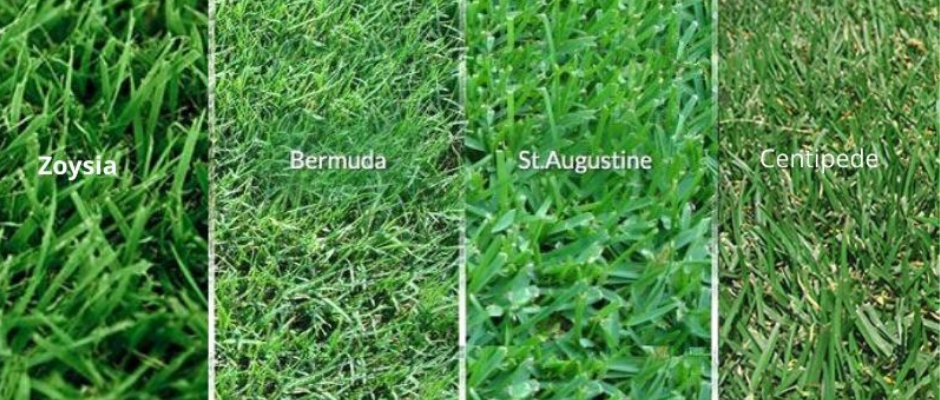
Credit: www.lawnmastersinc.com
Frequently Asked Questions
How Often Should Bermuda Grass Be Mowed In Summer?
Bermuda grass should be mowed every 5 to 7 days during summer. Frequent mowing encourages healthy growth and prevents thatch buildup. Adjust mowing frequency based on grass height and weather conditions to maintain an optimal lawn.
What Is The Ideal Height For Mowing Bermuda Grass?
The ideal mowing height for Bermuda grass is between 1 to 2 inches. Keeping it at this height promotes dense growth and prevents weed invasion. Avoid cutting more than one-third of the grass blade at a time for best results.
Can Mowing Frequency Affect Bermuda Grass Health?
Yes, mowing frequency directly impacts Bermuda grass health. Mowing too often stresses the grass, while mowing too infrequently causes overgrowth and thinning. Consistent, proper mowing promotes strong roots and a lush, green lawn.
Should Bermuda Grass Be Mowed Differently In Winter?
In winter, Bermuda grass grows slowly and requires less frequent mowing. Mow only when the grass reaches about 2. 5 to 3 inches high. Reducing mowing frequency during dormancy helps preserve grass health and conserves energy.
Conclusion
Mowing Bermuda grass regularly keeps your lawn healthy and neat. Cutting it every 5 to 7 days works well in warm seasons. Avoid cutting too short to prevent stress on the grass. Watch how fast it grows and adjust mowing times.
A well-maintained lawn looks nice and stays strong. Remember, simple care makes a big difference in your yard. Keep an eye on your grass, and it will thank you.
