
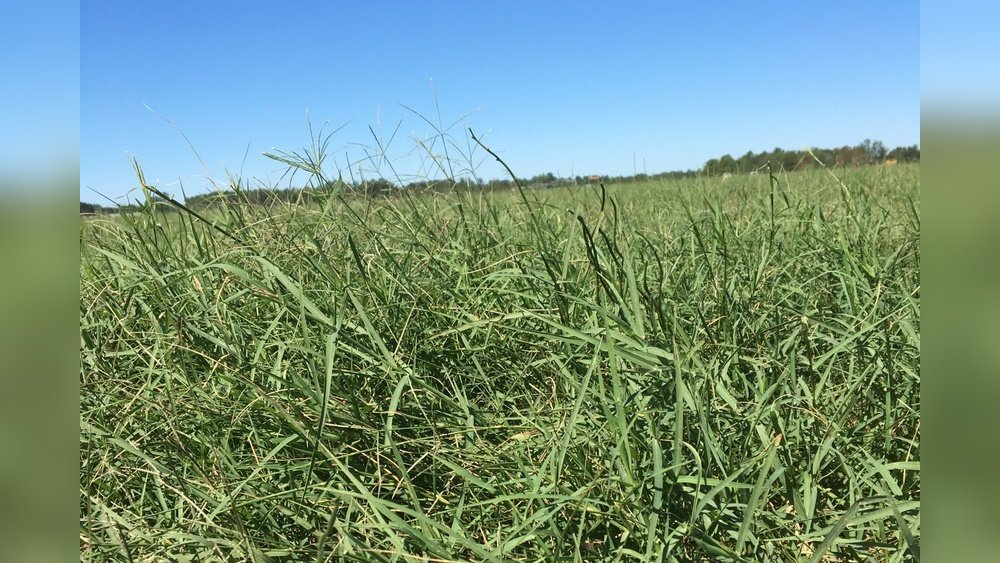
Are you curious about how tall Bermuda grass can grow in your lawn or garden? Knowing the height of Bermuda grass helps you keep your yard looking neat and healthy.
Whether you want a lush, low-maintenance lawn or a thick, tall carpet of green, understanding its growth will guide your care routine. You’ll discover everything you need to know about Bermuda grass height and how to control it to fit your outdoor space perfectly.
Keep reading to unlock the secrets of growing the ideal Bermuda grass for your home.
Bermuda Grass Growth Basics
Bermuda grass is a popular choice for lawns and sports fields. It grows quickly and stays green in warm weather. Understanding how it grows helps you keep it healthy and neat. This section covers the basics of Bermuda grass growth.
Knowing its height range and what affects its growth helps you manage it better. It also helps in deciding how often to mow and water.
Typical Height Range
Bermuda grass usually grows between 2 to 6 inches tall. It can grow taller if left unmowed. In some cases, it reaches up to 12 inches. Most lawns keep it shorter for a clean look. Sports fields often maintain it around 1 to 2 inches. The height depends on how you care for the grass.
Factors Influencing Growth
Several things affect how tall Bermuda grass grows. Sunlight is very important. It grows best in full sun. Shade can slow growth and reduce height. Water also plays a key role. Too little water stunts growth. Too much water can cause problems too.
Soil quality affects growth as well. Good soil helps the grass grow stronger and taller. Fertilizer adds nutrients that support growth. Temperature matters because Bermuda grass prefers warm weather. Cold temperatures slow its growth down. Mowing frequency also controls height. Cutting often keeps the grass short and healthy.
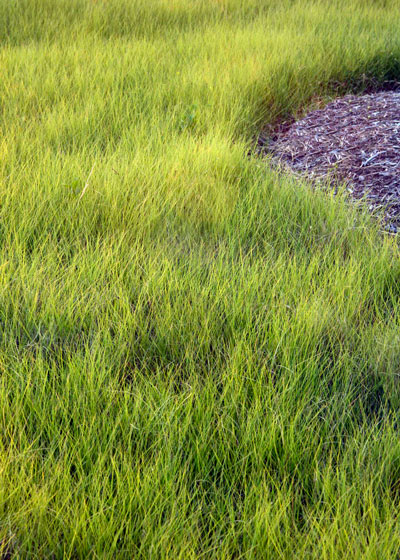
Credit: neilsperry.com
Environmental Impact On Height
Bermuda grass height depends a lot on its environment. Different factors like sunlight, soil, and water change how tall it grows. Understanding these can help you care for your grass better. Let’s explore how each factor affects Bermuda grass height.
Sunlight Requirements
Bermuda grass needs plenty of sunlight to grow tall. It grows best with six to eight hours of direct sun daily. Too little sun makes the grass shorter and weaker. Shade slows growth and can cause thin spots. Full sun helps the grass reach its maximum height and stay healthy.
Soil Quality Effects
Good soil is key for Bermuda grass height. The grass grows taller in soil rich in nutrients. Well-drained soil stops roots from rotting. Poor soil leads to stunted growth and yellow grass. Adding compost or fertilizer improves soil and supports taller grass.
Watering Influence
Water affects Bermuda grass height a lot. Regular watering helps grass grow tall and strong. Too little water causes the grass to dry and stay short. Overwatering can drown roots and weaken the grass. Water deeply but not too often for best growth.
Growth Stages Of Bermuda Grass
Bermuda grass grows in clear stages. Each stage shows different growth rates and heights. Knowing these stages helps you understand how tall Bermuda grass can get. It also guides you on how to care for your lawn properly.
Seedling Phase
The seedling phase starts after planting Bermuda grass seeds or sprigs. At this stage, grass shoots are very short and fragile. Growth is slow but steady. The grass usually grows only a few inches tall. Roots develop underground to support future growth.
Mature Growth
During mature growth, Bermuda grass grows rapidly. It can reach heights of 4 to 6 inches if left uncut. The grass spreads quickly through runners and stolons. This stage is the most active for height increase and lawn coverage. Regular mowing helps keep the grass healthy and at a desired height.
Dormant Period
Bermuda grass enters dormancy in cold or dry weather. The grass stops growing and turns brown. Height remains the same or may reduce slightly. Dormant grass needs less water and no mowing. Growth resumes when temperatures rise and conditions improve.

Credit: www.reddit.com
Maintenance For Optimal Height
Maintaining Bermuda grass at its best height needs regular care. Proper maintenance helps the grass grow strong and look healthy. It keeps the lawn green and lush throughout the season.
Simple steps like mowing, feeding, and controlling weeds support the right growth. These tasks keep the grass at an ideal height for beauty and health. Here are key tips for maintaining Bermuda grass.
Mowing Tips
Cut Bermuda grass often to keep it neat. Set your mower height between 1 to 2 inches. Avoid cutting more than one-third of the grass blade at once. This prevents stress and helps the grass stay green. Use sharp mower blades for clean cuts. Mow when the grass is dry to avoid clumping.
Fertilization Practices
Feed Bermuda grass with fertilizer for strong growth. Use a balanced fertilizer with nitrogen, phosphorus, and potassium. Apply fertilizer every 6 to 8 weeks during the growing season. Follow package instructions to avoid overfeeding. Water the lawn after fertilizing to help nutrients soak in. Proper feeding keeps the grass thick and healthy.
Weed Control
Keep weeds out to let Bermuda grass thrive. Use pre-emergent herbicides early in spring to stop weed seeds. Pull out visible weeds by hand to prevent spreading. Apply post-emergent herbicides carefully on weeds only. Healthy grass naturally blocks many weeds from growing. Regular weed control keeps your lawn looking clean and even.
Common Growth Challenges
Bermuda grass grows well in warm climates but faces some growth challenges. These challenges can stop the grass from reaching its full height and health. Knowing what affects its growth helps in taking better care of the lawn.
Common problems include pests, diseases, and environmental stress. Each can slow down growth or cause damage. Recognizing these issues early is important for a green, thick lawn.
Pests And Diseases
Insects like armyworms and grubs often attack Bermuda grass. These pests eat the grass blades and roots, causing brown patches. Fungal diseases such as dollar spot and leaf spot also harm the grass. They create spots and thin areas in the lawn. Regular checking helps find pests and diseases early. Treating them quickly keeps the grass strong and tall.
Environmental Stressors
Heat and drought put stress on Bermuda grass. Without enough water, the grass turns brown and stops growing. Too much shade also slows growth since Bermuda grass loves sunlight. Poor soil quality affects root development and overall height. Compacted soil makes it hard for roots to spread. Managing water, sunlight, and soil helps Bermuda grass grow tall and healthy.
Maximizing Bermuda Grass Height
Maximizing Bermuda grass height helps create a lush, healthy lawn. This grass grows best with the right conditions and care. Knowing how to support its growth can improve your yard’s look and feel. Here are key steps to help Bermuda grass reach its full height potential.
Ideal Growing Conditions
Bermuda grass thrives in warm weather and full sunlight. It needs at least six to eight hours of direct sun daily. The soil should be well-drained and sandy or loamy for best results. Keep soil pH between 5.8 and 7.0 for optimal growth. Water the grass deeply but less often to encourage strong roots. Avoid shaded or wet areas to prevent stunted growth.
Best Care Routines
Regular mowing keeps Bermuda grass healthy and promotes growth. Set mower height between 1 and 2 inches to allow taller growth. Fertilize the lawn every six to eight weeks during the growing season. Use a balanced fertilizer with nitrogen, phosphorus, and potassium. Remove weeds and pests to reduce stress on the grass. Aerate the soil once a year to improve air and water flow.
:max_bytes(150000):strip_icc()/GettyImages-1257704064-bc64303b209d440da1660384b6cb60a8.jpg)
Credit: www.thespruce.com
Frequently Asked Questions
How Tall Does Bermuda Grass Typically Grow?
Bermuda grass usually grows between 6 to 12 inches tall. Proper mowing keeps it shorter and healthier. In ideal conditions, it can reach up to 18 inches without trimming.
Can Bermuda Grass Height Affect Lawn Health?
Yes, maintaining the right height improves Bermuda grass health. Cutting too short stresses the grass, while letting it grow too tall invites pests. Regular mowing promotes dense, green growth.
How Often Should I Mow Bermuda Grass?
Mow Bermuda grass every 5 to 7 days during peak growth. Frequent mowing prevents it from growing too tall and keeps the lawn neat. Adjust frequency based on growth speed and season.
Does Bermuda Grass Height Vary By Climate?
Yes, Bermuda grass grows taller in warm, humid climates. Cooler areas slow growth, resulting in shorter grass. Climate influences how often you must mow to maintain ideal height.
Conclusion
Bermuda grass can grow between 6 to 12 inches tall. Regular mowing keeps it neat and healthy. Letting it grow taller may cause it to look messy. Warm weather helps Bermuda grass grow faster. Proper care improves its color and thickness.
Knowing its growth helps maintain a beautiful lawn. Keep your Bermuda grass trimmed for best results. Simple care leads to a strong, green lawn. Enjoy the natural look of well-kept Bermuda grass.
