

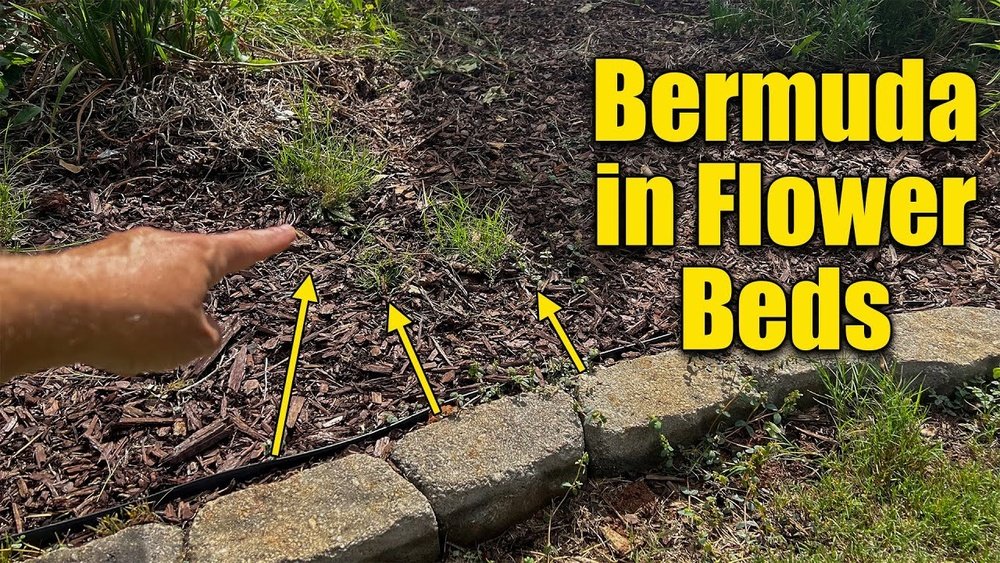
To get rid of Bermuda grass in flower beds, start by identifying the grass and regularly pulling out shoots by hand, especially after watering. Installing physical barriers underground can prevent it from spreading, and consistent maintenance helps keep this invasive grass from taking over your plants.
Are you tired of Bermuda grass taking over your beautiful flower beds? You’re not alone.
This stubborn weed spreads fast and can choke out your favorite plants if you don’t act quickly. But don’t worry—getting rid of Bermuda grass doesn’t have to be a nightmare. You’ll discover simple, effective steps to reclaim your flower beds and keep them looking fresh and healthy.
Keep reading to learn how to stop Bermuda grass from ruining your garden!
Identify Bermuda Grass
Identifying Bermuda grass is the first step to remove it from flower beds. Knowing how it looks and grows helps to control it better. This grass spreads fast and can take over your flowers if not caught early.
Recognizing Bermuda grass is easier with a few key details. Learn what to look for and where it usually grows.
Characteristics Of Bermuda Grass
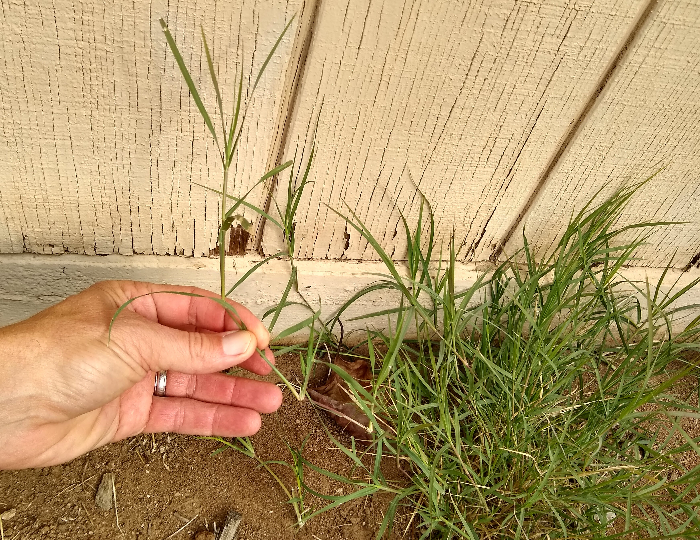
Bermuda grass has thin, bright green leaves. The blades are about 1/8 to 1/4 inch wide. It feels rough and has a pointed tip. The grass grows low to the ground and forms dense mats. Its stems can root at the nodes, helping it spread quickly.
It also produces small seed heads that look like spikes. These seeds help it spread by wind or animals. The grass stays green in warm months but may turn brown in cold weather.
Common Growth Patterns
Bermuda grass spreads through above-ground runners called stolons and underground stems called rhizomes. These runners allow it to cover large areas fast. It often creeps into flower beds from nearby lawns or paths.
This grass grows best in sunny spots and dry soil. It can survive in poor soil where other plants struggle. It forms thick patches that crowd out flowers and other plants.
Watch for spreading patches or new shoots in your flower beds. Early detection makes removal easier and protects your garden plants.
Credit: www.reddit.com
Prevent Bermuda Grass Spread
Stopping Bermuda grass from spreading in flower beds is key to keeping your garden neat. This grass grows fast and spreads easily through roots and runners. Taking steps to block its growth helps protect your flowers and plants.
Barrier Methods
Use physical barriers to stop Bermuda grass from invading flower beds. Install edging made of metal or plastic deep into the soil. This blocks underground runners from crossing into your flowers. Make sure the barrier goes at least 6 inches below ground. Check edges regularly for gaps or breaks. Barriers create a strong line of defense against spread.
Regular Maintenance
Keep an eye on your flower beds every week. Pull out any Bermuda grass shoots you find early. Removing small patches stops the grass from taking over. Mow or trim nearby lawn areas often to reduce seed spread. Clear away grass debris that can carry seeds. Consistent care makes it harder for Bermuda grass to grow back.
Manual Removal Techniques
Manual removal is a simple way to control Bermuda grass in flower beds. It needs effort but is effective. This method avoids chemicals and protects your plants. You can start right away with basic tools and patience. Let’s explore the best manual removal techniques.
Hand Pulling
Hand pulling is the easiest method to remove Bermuda grass. Grab the grass close to the soil. Pull slowly to avoid breaking the roots. Pull after watering the soil. Wet soil makes pulling easier and more effective. Remove all visible shoots and runners. This stops the grass from spreading further. Repeat this process regularly to weaken the grass.
Digging Out Roots
Digging out roots gets rid of Bermuda grass deeper underground. Use a garden trowel or small shovel. Dig around the grass patch carefully. Remove all roots and underground stems. Any leftover roots can grow again. Dispose of the removed grass and roots properly. This method takes more time but gives better results. Check the flower bed often to catch new growth early.

Credit: www.youtube.com
Herbicide Options
Choosing the right herbicide helps control Bermuda grass in flower beds. Herbicides come in different types. Each type works in a unique way. Understanding these types helps protect your flowers while removing weeds.
Selective Herbicides
Selective herbicides target Bermuda grass without harming most flowers. They work by attacking specific grasses only. This makes them safe for many plants in flower beds. Use selective herbicides to keep your flowers healthy while removing grass.
Always check the label to confirm it controls Bermuda grass. Some selective herbicides need repeated applications for full control. Use carefully to avoid damage to sensitive plants nearby.
Non-selective Herbicides
Non-selective herbicides kill almost all plants they touch. They are very strong and effective against Bermuda grass. Use them only in areas without flowers or other desired plants. Apply carefully to avoid harming your flower bed.
Non-selective herbicides work best for clearing large patches of Bermuda grass. Follow instructions strictly to prevent damage beyond target areas. These herbicides often require protective gear during application.
Application Tips
Apply herbicides on calm, dry days to reduce drift. Use a spray shield or barrier to protect flowers nearby. Follow the recommended dosage for safe and effective results.
Wear gloves and long sleeves for safety. Avoid watering the treated area for 24 hours. Repeat treatment as needed, but allow time for plants to recover. Always read and follow product instructions carefully.
Natural Remedies
Natural remedies offer safe ways to control Bermuda grass in flower beds. They avoid harsh chemicals and protect your plants. Using natural methods can improve soil health and keep your garden green.
Vinegar Solutions
Vinegar works as a natural weed killer. Its acidity dries out Bermuda grass leaves and roots. Use a spray bottle to apply vinegar directly onto the grass. Avoid spraying on flowers or other plants. Repeat the application every few days for best results. White vinegar with 5% acetic acid is safe for garden use. Stronger vinegar can damage soil and plants.
Mulching Benefits
Mulching blocks sunlight, stopping Bermuda grass from growing. Use thick layers of organic mulch like wood chips or straw. Mulch also keeps soil moist and cool, helping flower beds thrive. Apply mulch around plants and over bare soil areas. This natural barrier weakens Bermuda grass over time. Mulching reduces the need for chemical herbicides and saves water.
Credit: gregalder.com
Preventing Future Infestations
Stopping Bermuda grass from growing back in flower beds is key for a healthy garden. Taking steps to prevent future infestations saves time and effort later. Focus on strengthening the soil and picking the right plants. Both help keep Bermuda grass away and support your flowers.
Soil Health Improvement
Healthy soil makes it hard for Bermuda grass to spread. Add organic matter like compost to enrich the soil. Good soil holds water and nutrients better for your plants. Aerate the soil to improve air and water flow. This helps flowers grow strong and leaves less room for weeds. Test soil pH and adjust it to suit your plants. Balanced soil conditions reduce Bermuda grass growth chances.
Proper Plant Selection
Choose plants that grow thick and cover the ground fast. Dense plants block sunlight from reaching Bermuda grass seeds. Ground covers and native plants work well in flower beds. They compete with weeds for space and nutrients. Avoid plants that leave bare spots where Bermuda grass can start. Select species suited for your climate and soil type. Strong plants help create a natural barrier against Bermuda grass.
When To Seek Professional Help
Knowing when to seek professional help is important in controlling Bermuda grass in flower beds. Sometimes, the problem grows beyond simple home care. Experts can offer solutions that save your plants and time.
Professional services have tools and knowledge for tough cases. They can identify the best treatment that fits your garden’s needs. This can prevent damage to your flowers and soil.
Signs That Show You Need Professional Help
Look for Bermuda grass spreading quickly despite your efforts. If it returns after several treatments, experts can step in. Also, if your flower bed is large or hard to reach, professionals may help better.
Benefits Of Hiring Experts
Professionals use safe herbicides that protect your flowers. They save time by doing the job faster. Their experience helps stop Bermuda grass from coming back again.
How To Choose The Right Professional Service
Pick a company with good reviews and experience. Check if they specialize in weed control around flowers. Ask about their methods and guarantees before hiring.
Frequently Asked Questions
What Is The Best Way To Remove Bermuda Grass From Flower Beds?
The best way is to manually dig out Bermuda grass roots. Use a sharp spade to remove all rhizomes. Follow with a selective herbicide safe for flowers if needed. Regular monitoring prevents regrowth and protects your flower beds effectively.
Can I Use Herbicides To Kill Bermuda Grass Safely?
Yes, use selective herbicides labeled for Bermuda grass control. Choose products safe for surrounding flowers to avoid damage. Apply herbicides during active growth for best results. Always follow label instructions for safe and effective application.
How Long Does It Take To Eliminate Bermuda Grass Completely?
Complete removal can take several weeks to months. Consistent manual removal and herbicide treatments are necessary. Bermuda grass has extensive roots, so patience and persistence are key. Regular maintenance prevents reestablishment in flower beds.
Are Natural Remedies Effective Against Bermuda Grass?
Natural remedies like vinegar can weaken Bermuda grass but may not fully kill it. They require repeated application and careful use to protect flowers. Combining natural methods with manual removal improves results without harsh chemicals.
Conclusion
Bermuda grass can be tough to remove from flower beds. Patience and regular care are key to success. Use the right tools and methods for best results. Keep checking your flower beds often for new growth. Healthy soil and proper watering help your flowers thrive.
Taking small steps daily makes a big difference. Soon, your flower beds will look neat and beautiful. Stay consistent, and enjoy a garden free of unwanted grass.
