
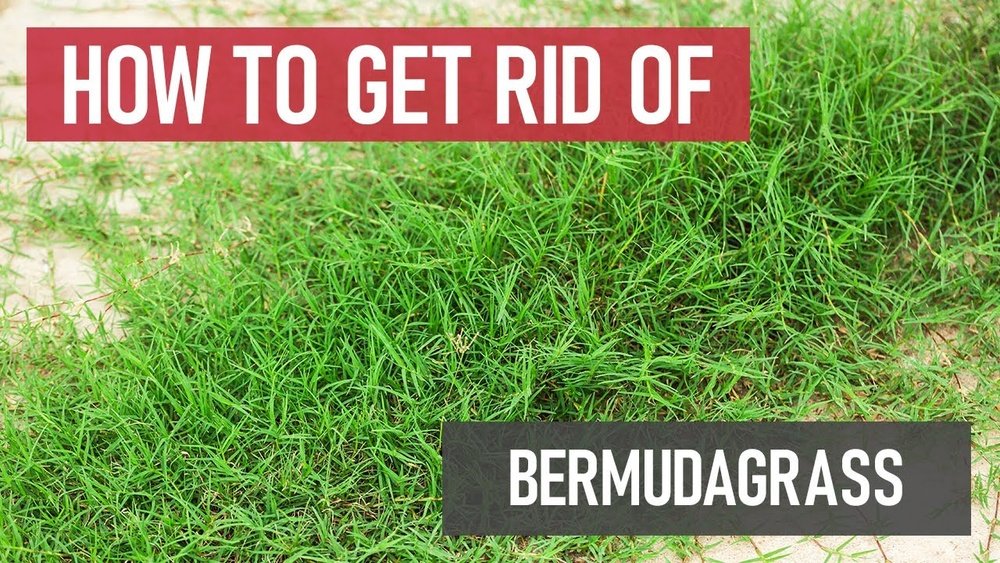
Bermuda grass can be stubborn, but you can control it by identifying it early and using a combination of manual removal and targeted herbicides. Consistent effort to dig out roots, solarize the soil, and prevent spread will help you clear Bermuda grass and restore your lawn’s health.
Are you tired of seeing Bermuda grass take over your lawn no matter how hard you try? You’re not alone.
Bermuda grass can be tough to control and can quickly crowd out the grass you actually want. But don’t worry—there are simple, effective ways to get rid of it and reclaim your yard. You’ll discover easy steps you can take to stop Bermuda grass from spreading and bring back the healthy, green lawn you deserve.
Keep reading to learn how to take back control of your lawn today.
Credit: www.youtube.com
Identifying Bermuda Grass
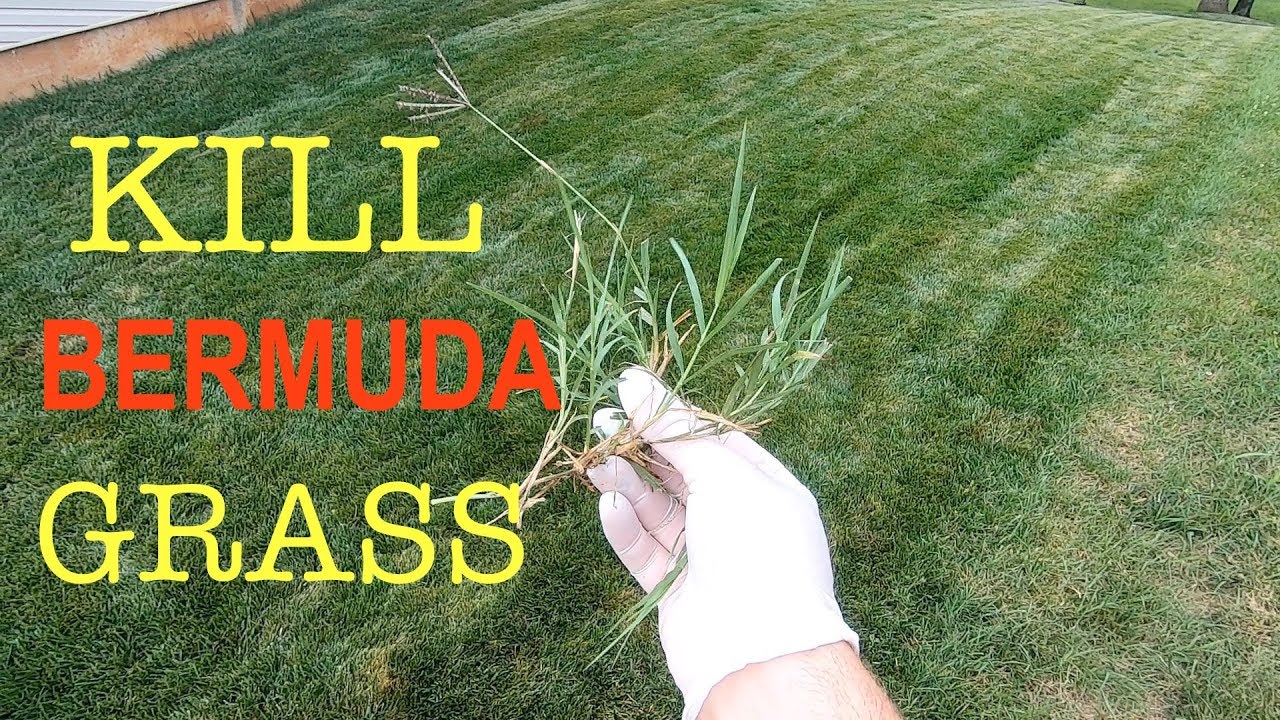
Identifying Bermuda grass is the first step to control it in your lawn. Knowing what it looks like helps you spot it early. This way, you can take action before it spreads too much.
Appearance And Growth Patterns
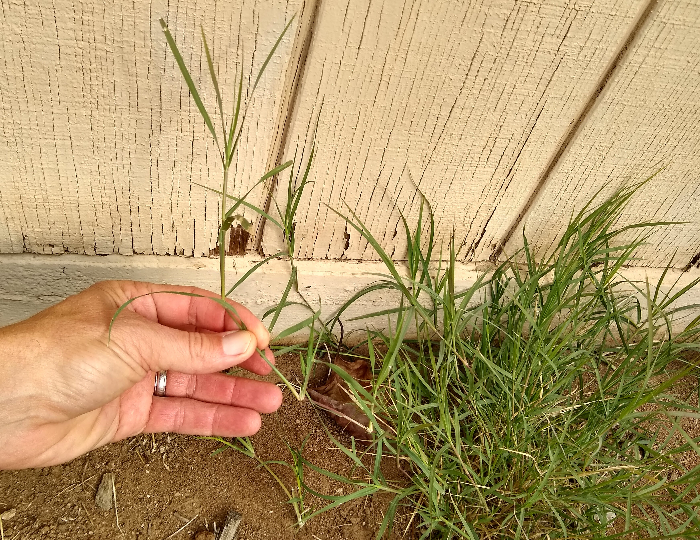
Bermuda grass has a coarse texture and dark green color. Its blades are narrow and pointed, usually 2 to 6 inches long. The grass grows low to the ground and spreads fast.
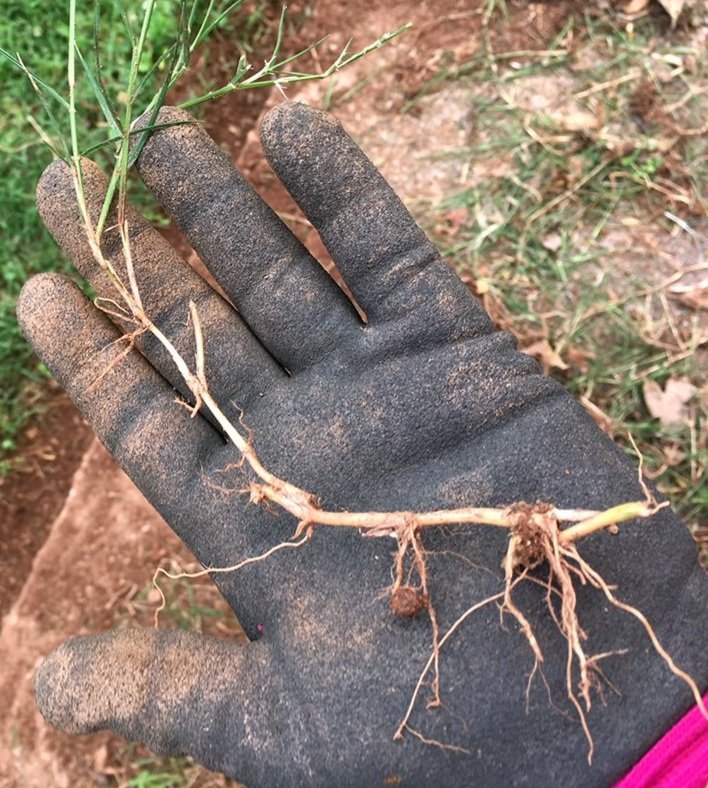
This grass spreads by runners called stolons and underground stems called rhizomes. These runners can root at nodes, creating new plants quickly. It forms dense mats that choke other grasses.
Common Areas Of Infestation
Bermuda grass often invades sunny, dry spots in your lawn. It thrives in warm climates and can grow in poor soil. You may find it in garden beds, walkways, and even cracks in sidewalks.
It spreads easily from lawn edges and bare patches. Watch areas where other grass struggles. Bermuda grass can take over these spots fast.
Why Remove Bermuda Grass
Bermuda grass can quickly take over your lawn. Many homeowners want to remove it for good reasons. This grass spreads fast and can harm your lawn’s look and health. Understanding why to remove Bermuda grass helps you decide the best way to manage your yard.
Impact On Lawn Health
Bermuda grass grows thick and dense. It blocks sunlight from reaching other plants. This weakens the grass and plants you want to keep. It also uses a lot of water and nutrients. Your lawn may become dry and patchy. The soil quality can drop over time. This makes it hard to grow other grass types.
Challenges In Lawn Maintenance
Bermuda grass spreads through roots and seeds. It is hard to control because it regrows quickly. Mowing often does not stop its growth. It needs special herbicides to remove fully. Many regular lawn treatments do not work well. Removing Bermuda grass takes time and effort. Without removal, your lawn looks messy and unkept.
Manual Removal Techniques
Manual removal techniques offer a natural way to control Bermuda grass. These methods require effort but avoid chemicals. They help protect your lawn’s health and nearby plants. Manual removal can be effective, especially in small areas. It focuses on directly removing the grass and its roots. Consistency is key for success.
Digging And Pulling
Start by watering the area to soften the soil. Use a garden fork or shovel to dig around the grass patch. Try to remove all roots and runners to stop regrowth. Pull the grass out by hand if the patch is small. Dispose of the removed grass carefully to avoid spreading.
Digging and pulling work best during warm weather. The soil is softer, making removal easier. Repeat this process every few weeks to catch new growth. Be patient; Bermuda grass has strong roots.
Solarization Method
Solarization uses the sun’s heat to kill Bermuda grass. Cover the affected area with clear plastic sheeting. Secure the edges with soil, rocks, or stakes to trap heat. Leave the plastic in place for 4 to 6 weeks. The trapped heat will kill grass roots and seeds.
This method works best in hot, sunny weather. It is safe and chemical-free. Solarization also reduces pests and weed seeds in the soil. Afterward, remove the plastic and prepare the soil for new plants.
Credit: www.organicgrowersschool.org
Chemical Control Options
Using chemicals to control Bermuda grass can be effective. Herbicides target and kill unwanted grass without harming your lawn’s main grass type. Choosing the right chemical and applying it carefully helps get rid of Bermuda grass faster. Chemicals work best combined with other lawn care methods.
Selecting The Right Herbicide
Choose a herbicide made for Bermuda grass control. Some herbicides kill Bermuda grass but may harm other grass types. Read the label to make sure it matches your lawn’s grass. Look for products labeled as selective herbicides for warm-season grasses. Non-selective herbicides kill all plants they touch, so avoid them on your lawn. Ask a local garden store for advice on the best herbicide for your area.
Application Tips And Safety
Apply herbicides on calm, dry days to avoid drift. Follow the instructions on the label exactly. Use the correct amount to prevent damage to your lawn. Wear gloves and protective clothing during application. Keep children and pets away from treated areas until the herbicide dries. Water your lawn only if the label says it is safe. Repeat treatments might be needed to fully control Bermuda grass.
Preventing Bermuda Grass Return
Stopping Bermuda grass from growing back is key to keeping your lawn healthy. This grass spreads quickly and can take over your yard if you don’t act. Using good habits and smart methods helps keep it away for good.
Lawn Care Practices
Cut your grass regularly to keep it healthy and strong. Shorter grass blocks sunlight that Bermuda grass needs to grow. Water your lawn deeply but less often to encourage deep roots. Aerate your soil to help water and nutrients reach roots better. Use a good fertilizer to support your grass, making it hard for Bermuda grass to spread. Remove weeds and dead grass to reduce places Bermuda grass can hide.
Using Barriers And Mulch
Place physical barriers to stop Bermuda grass roots from spreading. Use edging around garden beds to block its runners. Apply mulch to garden areas to cover soil and stop new shoots. Mulch also keeps moisture in soil, helping your plants grow. Check barriers and mulch often to fix any gaps. This keeps Bermuda grass from sneaking back into your lawn.
Credit: gregalder.com
Alternatives To Bermuda Grass
Removing Bermuda grass opens the door to new lawn choices. Some grasses fit better in your yard’s climate and soil. Choosing the right grass improves lawn health and looks.
Explore different grasses that grow well in your area. Learn how to plant them for a fresh, green lawn. This helps avoid Bermuda grass’s quick return.
Choosing Suitable Grass Types
Pick grasses that suit your weather and soil type. St. Augustine grass works well in warm, shady places. Zoysia grass is tough and handles heat and drought. Fescue grass stays green in cooler climates. Consider your lawn’s sun and water needs.
Look for grasses that resist pests and weeds. Some grasses need less water than Bermuda. This saves time and lowers lawn care costs. Choose a grass that fits your lifestyle and yard conditions.
Planting And Establishment Tips
Prepare the soil by removing Bermuda grass roots and runners. Use a shovel or a sod cutter for best results. Till the soil to loosen it for new grass roots. Add compost or fertilizer to boost growth.
Plant grass seeds or sod in early spring or fall. Water the new grass daily until it is strong. Avoid heavy foot traffic on the new lawn. Mow regularly but never cut grass too short.
Watch for weeds and pests during the first months. Use natural or mild treatments if needed. Patience is key; new grass takes time to settle.
Frequently Asked Questions
What Is The Best Herbicide For Bermuda Grass Removal?
Selective herbicides like glyphosate effectively target Bermuda grass without harming desired plants. Apply carefully for best results. Always follow product instructions for safe use.
How Long Does It Take To Eliminate Bermuda Grass?
Complete Bermuda grass removal can take several weeks to months. Persistent treatment and lawn care speed up the process. Consistency is key for successful eradication.
Can Bermuda Grass Be Removed Naturally Without Chemicals?
Yes, solarization and manual removal help control Bermuda grass naturally. Covering the area with plastic traps heat and kills roots. Regular digging removes stubborn rhizomes effectively.
How To Prevent Bermuda Grass From Returning In My Lawn?
Maintain healthy turf with proper mowing, watering, and fertilization. Use pre-emergent herbicides to stop new Bermuda grass growth. Regular lawn inspection helps catch early infestations.
Conclusion
Bermuda grass can take over your lawn quickly. Keep your lawn healthy to stop it from spreading. Use proper tools and follow a clear plan. Regular care makes a big difference over time. Patience helps because removing Bermuda grass is not fast.
Watch your lawn closely and act when you see new growth. You can enjoy a clean, green lawn again with effort. Stay consistent and don’t give up easily. Your hard work will pay off in the end.
