


Are you tired of looking at dull, patchy Bermuda grass in your yard? You want a lush, green lawn that stands out and makes your outdoor space inviting.
But how do you get your Bermuda grass to look its best without spending a fortune or endless hours on maintenance? You’ll discover simple and effective tips to transform your lawn into a vibrant, green paradise. Keep reading, and soon you’ll enjoy the fresh, healthy grass you’ve always wanted.

Credit: liquidlawn.com
Choosing The Right Bermuda Grass Variety
Choosing the right Bermuda grass variety is key to a lush, green lawn. Each variety has unique traits that suit different soil, climate, and lawn uses. Selecting the best type helps your grass grow healthier and look greener with less effort.
Understanding the common Bermuda grass types and their climate needs makes your choice easier. This knowledge saves time and ensures your lawn thrives all year.
Common Bermuda Varieties
Many Bermuda grass types exist, but some are more popular. Common varieties include Common Bermuda, Tifway 419, and Celebration. Common Bermuda is tough and grows fast. Tifway 419 is dense and soft, great for sports fields. Celebration has a dark green color and resists drought well.
Choosing among these depends on lawn use and care ability. Each type has strengths for specific conditions.
Best Varieties For Your Climate
Climate affects grass growth a lot. Warm, sunny places suit Bermuda grass best. In hot, dry areas, Celebration performs well because it resists drought. For humid regions, Tifway 419 handles moisture and heat better. Cooler climates need varieties like Common Bermuda that tolerate cold better.
Match grass type to your climate to keep it green and healthy all year long.

Credit: www.thelawnforum.com
Preparing Your Lawn Soil
Preparing your lawn soil is the first step to making Bermuda grass green. Healthy soil supports strong roots and vibrant grass growth. Without good soil, your efforts to grow green grass may fail. Pay attention to soil pH, nutrients, drainage, and texture. These factors create the best environment for Bermuda grass.
Testing Soil Ph And Nutrients
Start by testing your soil’s pH. Bermuda grass grows best in soil with a pH between 5.8 and 7.0. Use a simple soil test kit or send a sample to a local extension office. This test shows if the soil is acidic or alkaline. It also reveals nutrient levels like nitrogen, phosphorus, and potassium.
Adjust soil pH by adding lime to raise it or sulfur to lower it. Follow the test results and package instructions carefully. Apply fertilizers based on nutrient needs. Balanced nutrients help Bermuda grass grow thick and green.
Improving Soil Drainage And Texture
Good drainage stops water from sitting on the soil surface. Waterlogged soil harms Bermuda grass roots. Check your lawn for low spots where water pools. Fill these areas with soil or sand to improve drainage.
Soil texture affects how water and air move through the soil. Sandy soils drain quickly but hold fewer nutrients. Clay soils hold water but drain slowly. Mix organic matter like compost into your soil. This improves texture, making soil better for Bermuda grass growth.
Watering Techniques For Green Bermuda Grass
Watering plays a key role in keeping Bermuda grass green and healthy. Proper watering helps grass grow thick and strong. It also prevents diseases and dry patches. Understanding the right watering techniques can save water and improve your lawn’s look.
Optimal Watering Schedule
Water Bermuda grass early in the morning. This reduces evaporation and allows roots to absorb moisture. Aim for about 1 inch of water per week. Spread watering over 2 to 3 sessions. Avoid watering in the heat of the day. Evening watering can cause fungal problems.
Avoiding Overwatering
Too much water weakens Bermuda grass roots. It causes yellowing and mold growth. Check soil moisture before watering again. The soil should feel dry 1 to 2 inches below the surface. Use a rain gauge or small container to track water. Stop watering if the lawn looks wet or soggy.
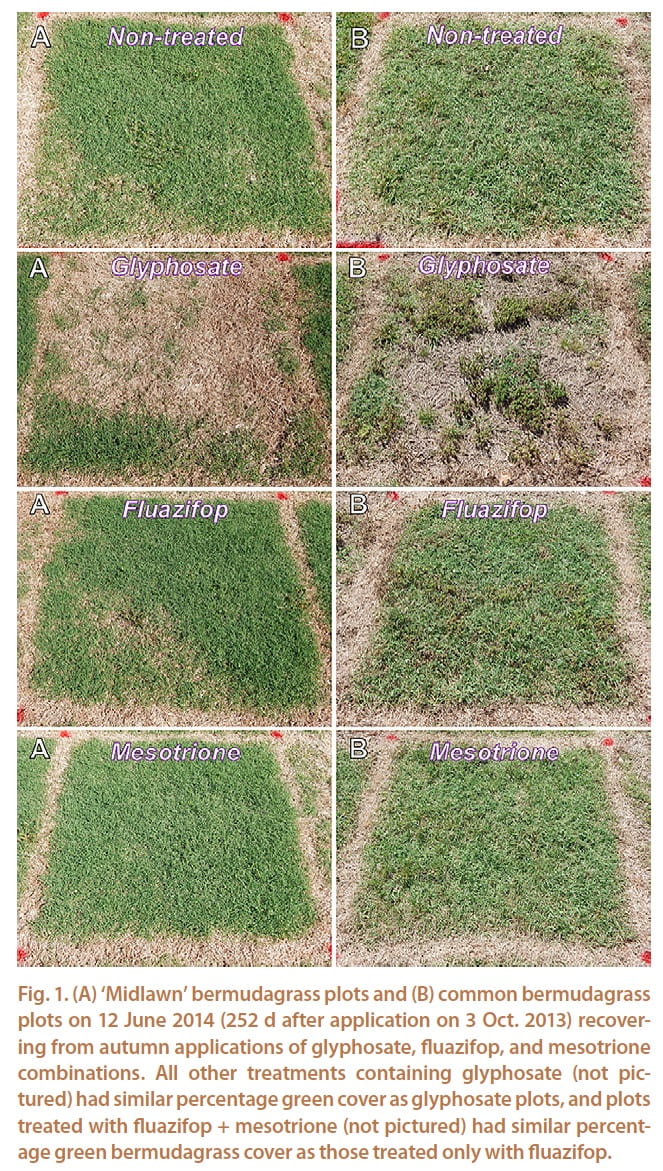
Credit: blogs.k-state.edu
Fertilizing For A Vibrant Lawn
Fertilizing Bermuda grass is key to keeping it green and healthy. Proper nutrients help the grass grow strong and resist weeds. Without the right fertilizer, your lawn might look yellow or patchy. Feeding your lawn at the right time helps it absorb nutrients better.
Choosing the correct fertilizer and applying it properly makes a big difference. Let’s explore how to pick the right fertilizer and the best schedule for applying it.
Choosing The Right Fertilizer
Bermuda grass needs a fertilizer high in nitrogen. Nitrogen helps the grass stay green and grow fast. Look for fertilizers labeled with a higher first number, like 16-4-8. The three numbers show nitrogen, phosphorus, and potassium amounts.
A balanced fertilizer supports strong roots and disease resistance. Avoid fertilizers with too much phosphorus, as it can harm the environment. Slow-release fertilizers provide nutrients over time, reducing the risk of burning the grass.
Timing And Frequency Of Application
Apply fertilizer during Bermuda grass’s growing season, usually spring to early fall. Start fertilizing when the grass begins to green up. Stop fertilizing as the grass goes dormant in late fall.
Feed your lawn every 6 to 8 weeks for best results. Over-fertilizing can cause thatch and damage the grass. Water the lawn after fertilizing to help nutrients soak into the soil.
Mowing Tips To Encourage Growth
Mowing Bermuda grass correctly helps it grow thick and green. Cutting the grass at the right height keeps it healthy. It also prevents weeds and dry patches. Follow simple mowing tips for a lush lawn.
Ideal Mowing Height
Keep Bermuda grass between 1 and 2 inches tall. This height lets sunlight reach the grass roots. It also stops the grass from becoming weak. Cutting too short can stress the grass. Too long makes it look messy and can cause thatch buildup.
Proper Mowing Practices
Use a sharp mower blade to make clean cuts. Dull blades tear grass, causing brown tips. Mow regularly, about once a week during growing season. Change your mowing pattern each time. This prevents soil compaction and encourages upright growth. Avoid cutting more than one-third of the grass height at once. This keeps the grass strong and green.
Controlling Weeds And Pests
Keeping Bermuda grass green means controlling weeds and pests. These unwanted plants and insects can steal nutrients and water from your grass. They also make your lawn look unhealthy. Good control helps your Bermuda grass grow thick and lush. It improves the lawn’s color and strength.
Effective Weed Management
Weeds compete with Bermuda grass for sunlight and nutrients. Pulling weeds by hand works for small areas. Use mulch to stop weed seeds from growing. Applying a pre-emergent herbicide prevents weed seeds from sprouting. Spot-treat weeds with a selective herbicide safe for Bermuda grass. Mow regularly to keep weeds from spreading. Healthy, dense grass naturally blocks many weeds.
Dealing With Common Bermuda Grass Pests
Bermuda grass faces pests like grubs, armyworms, and chinch bugs. These insects eat grass roots and leaves. Check your lawn often for signs of damage. Use insecticides targeted for the specific pest. Natural predators, such as birds and beneficial insects, help control pests. Keep your lawn well-watered and fertilized to resist pest attacks. Early pest control keeps Bermuda grass healthy and green.
Aeration And Thatch Management
Aeration and thatch management play a key role in keeping Bermuda grass green and healthy. These practices help the soil breathe and prevent buildup that harms grass roots. By improving soil conditions, Bermuda grass grows stronger and looks lush.
Aeration involves making small holes in the soil. This lets air, water, and nutrients reach the roots easier. Thatch is a layer of dead grass and roots on the soil surface. Removing extra thatch stops it from blocking water and nutrients.
Benefits Of Aeration
Aeration helps soil absorb water faster. It reduces soil compaction, letting roots grow deep. Air reaches the roots, which boosts grass health. Aeration also improves fertilizer effectiveness. It makes Bermuda grass more drought-resistant and greener.
Removing Excess Thatch
Too much thatch blocks water and air from reaching roots. Removing it helps Bermuda grass absorb nutrients better. Thatch removal stops pests and diseases from hiding. It also improves soil temperature for root growth. Use a rake or dethatcher to clear thick thatch layers.
Seasonal Care For Bermuda Grass
Seasonal care is important for keeping Bermuda grass green and healthy. Each season needs special attention to help the grass grow strong. Proper care helps Bermuda grass survive heat, cold, and dry times. Follow simple steps during each season to keep your lawn lush and green.
Spring And Summer Maintenance
Spring is the time to wake up your Bermuda grass. Start by removing dead leaves and debris. Mow your lawn regularly, but keep blades high to protect roots. Water deeply and less often to encourage strong roots. Apply a balanced fertilizer to give your grass energy. Control weeds early before they spread. Check for pests and treat if needed. Summer heat needs extra water in the morning or evening. Avoid watering in the hot afternoon to reduce evaporation. Keep mowing frequently to maintain a neat lawn.
Preparing For Fall And Winter
Fall is the time to prepare Bermuda grass for winter rest. Gradually reduce watering as temperatures drop. Stop fertilizing late in the season to avoid new growth. Remove leaves and debris to prevent mold and disease. Mow one last time but keep grass a bit longer. Aerate the soil to improve air and water flow. In winter, Bermuda grass goes dormant and turns brown. Avoid heavy traffic on the lawn to protect roots. Plan for spring care to bring your lawn back to life.
Frequently Asked Questions
How Often Should I Water Bermuda Grass?
Bermuda grass needs about 1 to 1. 5 inches of water weekly. Water deeply and infrequently to promote strong roots. Early morning watering reduces evaporation and fungal issues. Adjust watering based on weather and soil type for best results.
What Is The Best Fertilizer For Bermuda Grass?
Use a nitrogen-rich fertilizer with a balanced N-P-K ratio like 3-1-2. Apply fertilizer during the growing season, typically spring through summer. Follow label instructions to avoid over-fertilization. Proper fertilization encourages lush, green growth and improves lawn health.
How Can I Prevent Weeds In Bermuda Grass?
Maintain thick, healthy Bermuda grass by mowing regularly and fertilizing properly. Use pre-emergent herbicides in early spring to stop weed seeds from sprouting. Remove weeds promptly to prevent spreading. Consistent care reduces weed invasion and keeps the lawn green.
When Is The Best Time To Mow Bermuda Grass?
Mow Bermuda grass during the active growing season, from late spring to early fall. Keep mowing height between 1 to 2 inches for optimal health. Regular mowing encourages dense growth and prevents weeds. Avoid cutting more than one-third of the grass height at once.
Conclusion
Keeping Bermuda grass green takes regular care and attention. Water it deeply but not too often. Feed the lawn with balanced fertilizer for best growth. Mow the grass to the right height to stay healthy. Remove weeds and pests quickly to avoid damage.
With steady effort, your lawn will stay lush and bright. Enjoy the fresh, green space you create. Small steps make a big difference in lawn health. Your Bermuda grass can look great all year round.
