

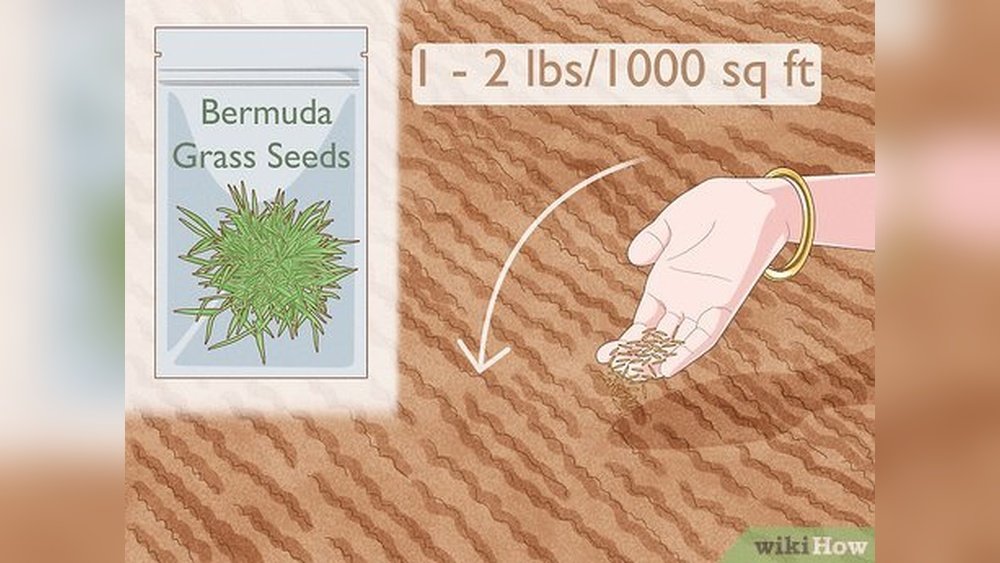
If you want a lush, green lawn that stands up to heat and heavy use, planting Bermuda grass from seed is a smart choice. But starting your Bermuda grass the right way can make all the difference between a patchy yard and a thick, healthy turf.
In this guide, you’ll learn simple, step-by-step tips to get your grass growing strong and fast. Whether you’re new to lawn care or looking to improve your results, this article will give you the confidence and know-how to transform your outdoor space.
Keep reading, and soon you’ll be enjoying the vibrant lawn you’ve always wanted.
Choosing The Right Bermuda Grass Seed
Choosing the right Bermuda grass seed is the first step for a healthy lawn. The right seed affects how well your grass grows and how it looks. Knowing the types of Bermuda grass and what suits your soil and climate helps you make a good choice. Quality seeds give you strong, green grass that lasts.
Types Of Bermuda Grass
Bermuda grass comes in several types. Common Bermuda is cheap and grows fast. It works well for lawns and sports fields. Hybrid Bermuda has finer leaves and looks better. It needs more care and costs more. Choose a type based on your lawn’s use and your care ability.
Selecting Quality Seeds
Good seeds grow into strong grass. Pick seeds that are fresh and clean. Check the seed package for purity and germination rates. Higher germination means more seeds will sprout. Avoid seeds with dirt or debris. Quality seeds save time and money in the long run.
Considerations For Climate And Soil
Bermuda grass loves warm weather and sun. It grows best in temperatures between 75°F and 95°F. It handles drought well but needs some water. Test your soil for pH and nutrients. Sandy or loamy soil suits Bermuda grass. Adjust soil if needed before planting seeds.
Preparing Your Lawn Area
Preparing your lawn area is the first step to planting Bermuda grass from seed. It sets the stage for healthy grass growth. A clean, smooth, and nutrient-rich soil bed helps seeds sprout faster. Taking time to prepare the land boosts your chances of a green, thick lawn.
Clearing Existing Vegetation
Remove all old grass, weeds, and plants from the area. Use a shovel, hoe, or garden rake to clear the ground. Pull out roots and debris to stop regrowth. This step stops competition for nutrients and water. A bare soil surface helps Bermuda seeds contact the earth directly.
Soil Testing And Improvement
Test your soil to check its pH and nutrient levels. Use a simple soil test kit from a garden store. Bermuda grass prefers soil with a pH of 5.8 to 7.0. Add lime to raise pH or sulfur to lower it. Mix in organic matter like compost to improve soil texture. Good soil supports strong root growth and seedling health.
Leveling And Raking The Soil
Level the soil surface using a rake or garden hoe. Remove rocks, sticks, and large clumps of dirt. A flat surface prevents water from pooling and seeds from washing away. Lightly rake the soil to create a fine seedbed. This helps seeds settle evenly and improves germination.
Seeding Techniques
Planting Bermuda grass from seed requires careful seeding techniques. These techniques help seeds grow strong roots and healthy grass. Proper seeding ensures even growth and a lush lawn. Follow these simple steps for the best results.
Optimal Seeding Time
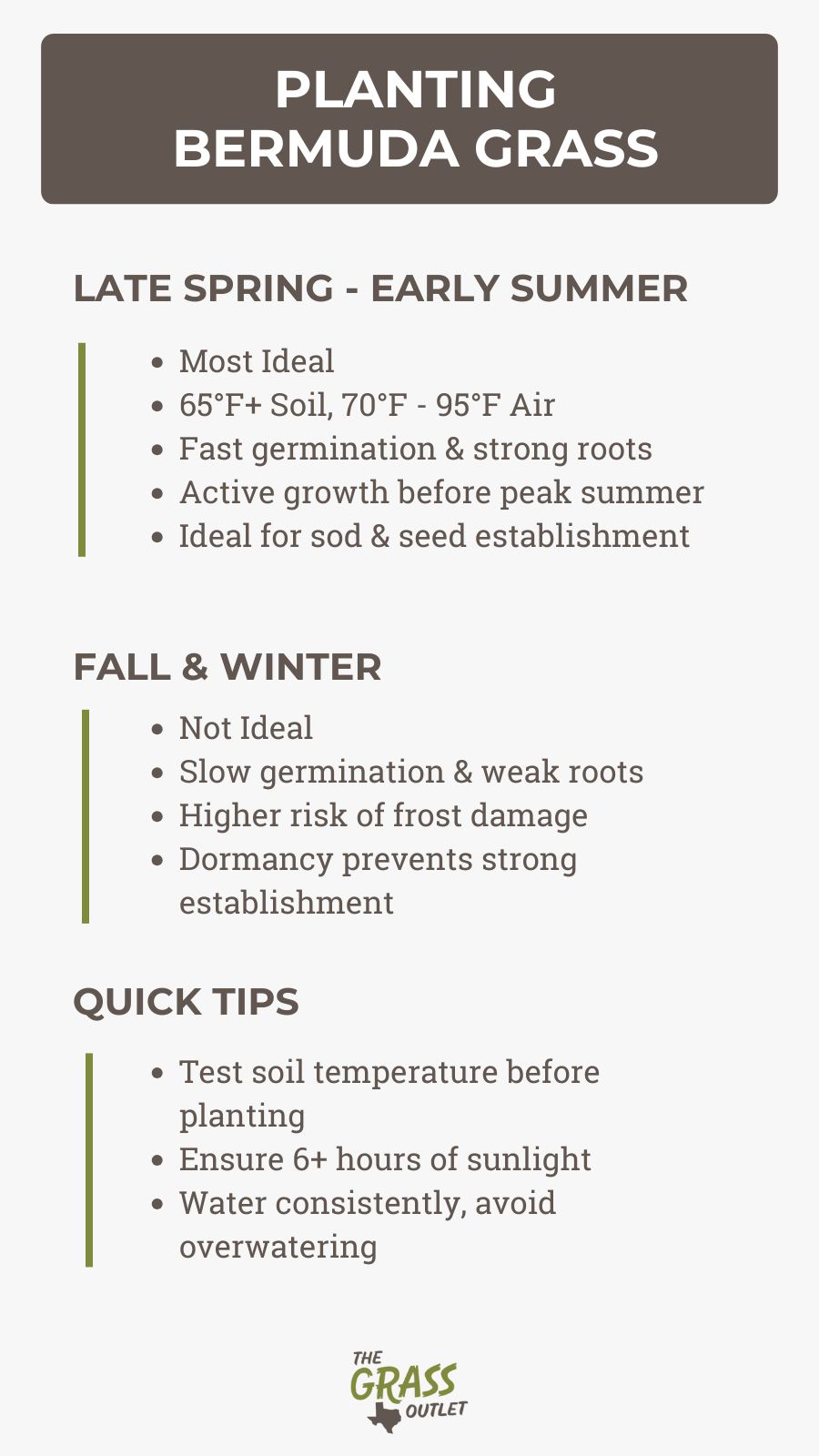
Plant Bermuda grass seeds in late spring or early summer. Soil temperature should be above 65°F (18°C). Warm soil helps seeds sprout faster and grow well. Avoid planting in cold or wet soil. Choose a dry day with mild wind for seeding.
Spreading The Seeds Evenly
Use a seed spreader or hand spread seeds evenly across the lawn. Spread half the seeds in one direction. Spread the other half at a right angle to the first pass. This method prevents clumping and bare spots. Avoid dropping seeds in piles or thick patches.
Seed-to-soil Contact Methods
Press the seeds lightly into the soil for good contact. Use a rake to cover seeds with a thin layer of soil. Avoid burying seeds too deep; 1/8 to 1/4 inch is best. Water gently to settle seeds without washing them away. Good seed-to-soil contact improves germination rates.
Credit: thegrassoutlet.com
Watering And Maintenance
Watering and maintenance are key to growing healthy Bermuda grass from seed. Proper care helps the grass roots grow strong. It also prevents the soil from drying out or flooding. Follow a good watering plan to get the best results.
Initial Watering Schedule
Right after planting, water the soil lightly but often. Water twice a day, in the morning and evening. Use a fine spray to keep seeds moist. Avoid deep watering at this stage. The goal is to keep the top soil damp, not soaked.
Keeping The Soil Moist
Keep the soil moist for about two weeks. Check the soil daily by touch. If it feels dry, water again. Avoid letting the soil dry out completely. Moist soil helps seeds sprout and roots grow. Do not overwater to stop seed washout or fungus.
Reducing Watering As Grass Establishes
After two to three weeks, grass should start growing. Begin watering less often but deeper. Water once every two or three days. This helps roots grow deeper into the soil. Deep roots make the grass stronger and drought-resistant. Gradually reduce watering over time for healthy growth.
Fertilizing Your New Lawn
Fertilizing your new Bermuda grass lawn is key for healthy growth. It provides essential nutrients that help grass roots grow strong. Proper fertilizing boosts the lawn’s green color and thickness. It supports the grass through early stages and heat stress later.
Choosing The Right Fertilizer
Select a fertilizer with a balanced mix of nitrogen, phosphorus, and potassium. Nitrogen helps leaf growth, phosphorus supports roots, and potassium strengthens the grass against diseases. Look for a fertilizer labeled for Bermuda grass or warm-season lawns. Starter fertilizers with more phosphorus work best for new seed.
When To Apply Fertilizer
Apply fertilizer after the grass sprouts and grows to about 2 inches tall. This usually happens 3 to 4 weeks after seeding. Use a light application to avoid burning the young grass. Repeat feeding every 6 to 8 weeks during the growing season to keep the lawn healthy.
Avoiding Over-fertilization
Too much fertilizer can harm your new lawn. It causes leaf burn and weak roots. Always follow the package directions carefully. Water the lawn well after fertilizing to help nutrients soak into the soil. Less is more when feeding young Bermuda grass.

Credit: houstonturfgrass.com
Managing Weeds And Pests
Managing weeds and pests is crucial for a healthy Bermuda grass lawn. Weeds steal nutrients and water from your grass. Pests can damage the roots and blades, making the grass weak. Keeping these problems under control helps your lawn grow thick and green.
Identifying Common Lawn Weeds
Common weeds in Bermuda grass lawns include crabgrass, dandelions, and clover. Crabgrass spreads fast and looks like thin, light green blades. Dandelions have bright yellow flowers and deep roots. Clover forms small green patches with tiny white flowers. Knowing these weeds helps you spot them early and take action.
Safe Weed Control Methods
Hand-pulling weeds is a safe and effective way to remove small patches. Use a garden tool to pull out roots completely. For larger areas, use herbicides made for Bermuda grass. Choose products labeled safe for your grass type. Always follow the instructions carefully to avoid harming your lawn.
Preventing Pest Damage
Watch for signs of pests like brown patches or holes in grass blades. Common pests include grubs, chinch bugs, and armyworms. Keep your lawn healthy by watering deeply but less often. Healthy grass resists pests better. Use natural predators like ladybugs to control pest populations safely.
Mowing Tips For Bermuda Grass
Mowing Bermuda grass is key to keeping it healthy and strong. Proper mowing helps the grass grow thick and green. It also stops weeds from taking over. Follow these mowing tips to keep your Bermuda grass looking great all season.
Best Mowing Height
Set your mower blade to 1 to 2 inches tall. This height keeps the grass healthy and dense. Cutting too short can hurt the grass roots. Taller grass shades the soil and keeps moisture in. It also stops weeds from growing easily.
Frequency Of Mowing
Mow your Bermuda grass once or twice a week during growing season. Frequent mowing helps the grass grow evenly. Avoid cutting more than one-third of the grass blade at a time. Regular mowing encourages strong roots and thick turf.
Proper Mowing Techniques
Use a sharp mower blade for clean cuts. Dull blades tear the grass and cause stress. Change your mowing pattern each time to prevent ruts. Leave grass clippings on the lawn to return nutrients to soil. Mowing in dry conditions helps avoid soil compaction.
Troubleshooting Common Issues
Planting Bermuda grass from seed can sometimes bring challenges. These problems can slow growth or cause uneven patches. Knowing how to fix common issues helps your lawn thrive faster. Here are solutions for frequent problems you may face.
Dealing With Patchy Growth
Patchy grass appears when seeds do not sprout evenly. This can happen from uneven seed spread or poor soil contact. Reseed bare spots after loosening the soil. Water these areas gently but often. Keep foot traffic low until grass fills in.
Check sunlight levels too. Bermuda grass needs full sun to grow thick. Trim nearby bushes or trees if shade is heavy. Strong sunlight helps grass spread and thicken quickly.
Addressing Soil Compaction
Compacted soil stops roots from growing deep. This limits water and nutrient absorption. Use a garden fork or aerator to create holes in the soil. This lets air, water, and nutrients reach roots easier.
Do this before planting seeds. For existing grass, aerate in spring or fall. Avoid walking or driving on wet soil. Keep soil loose for healthy root growth.
Handling Drought Stress
Bermuda grass needs regular water, especially when young. Dry soil causes wilting and slow growth. Water deeply once or twice a week instead of light daily watering. Deep watering encourages strong roots.
Use mulch around new grass to keep soil moist longer. Water early morning to reduce evaporation. Watch weather and water more during hot, dry periods. Healthy grass resists drought better.
Credit: growcycle.com
Frequently Asked Questions
How Long Does Bermuda Grass Seed Take To Germinate?
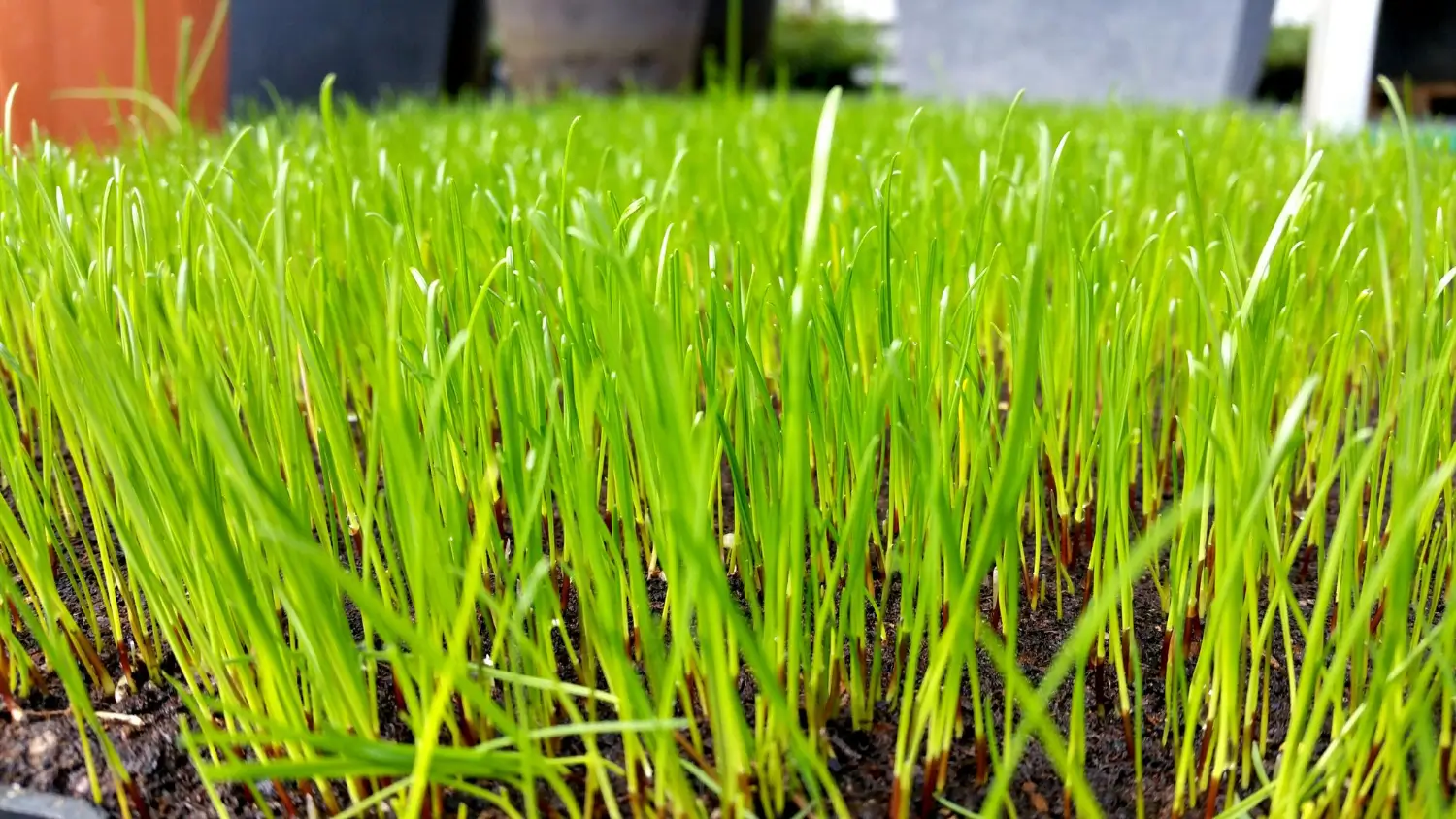
Bermuda grass seed usually germinates within 7 to 21 days. Warm soil temperatures between 65°F and 75°F speed up germination. Keep the soil consistently moist for the best results during this period.
What Soil Conditions Are Best For Bermuda Grass Seed?
Bermuda grass thrives in well-drained, sandy or loamy soil. The soil pH should be between 5. 8 and 7. 0. Proper soil preparation like tilling and removing debris improves seed-to-soil contact and promotes healthy growth.
How Often Should Bermuda Grass Seed Be Watered?
Water Bermuda grass seed lightly 2 to 3 times daily at first. Keep the soil moist but not soaked until seeds sprout. After germination, reduce watering frequency and water deeply to encourage strong roots.
Can Bermuda Grass Seed Be Planted Year-round?
No, Bermuda grass seed grows best in warm seasons. Planting is ideal in late spring or early summer when soil temperatures reach 65°F or higher. Avoid planting in cold or wet conditions to prevent poor germination.
Conclusion
Planting Bermuda grass from seed takes patience and care. Prepare your soil well for best growth. Spread seeds evenly and water gently but often. Watch for sprouts and keep the soil moist. Avoid heavy foot traffic on new grass. With time, your lawn will fill in thick and green.
Enjoy the beauty and comfort of your new Bermuda grass lawn. Keep caring for it to stay healthy all season. Simple steps lead to a strong, lush yard.
