

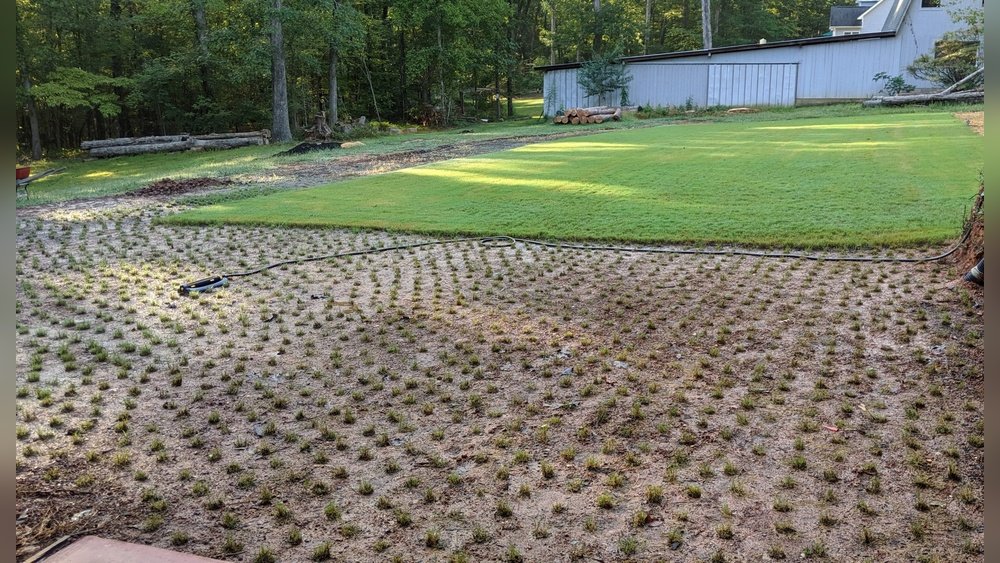
Planting Bermuda grass plugs is a straightforward way to establish a thick, healthy lawn. Start by selecting quality plugs suited to your climate, prepare the soil by clearing and tilling, then plant the plugs evenly spaced at soil level. With proper care, the grass will root quickly and fill in bare spots effectively.
Are you ready to transform your lawn into a lush, green paradise? Planting Bermuda grass plugs is one of the easiest and most effective ways to get there.
Whether you want to repair bare spots or grow a full, vibrant lawn, this method saves you time and money. In this guide, you’ll discover simple, step-by-step tips that anyone can follow to plant Bermuda grass plugs successfully. Keep reading, and you’ll soon have the secret to a thick, healthy lawn that stands out in your neighborhood.
Choosing Bermuda Grass Plugs
Picking the right Bermuda grass plugs is key to a healthy lawn. The right plugs grow fast and resist pests well. They also handle heat and drought better. Choosing good plugs saves time and effort later. Know what type of Bermuda grass fits your climate and soil. Quality plugs give your lawn a strong start.
Consider the look you want. Some Bermuda grasses are finer and softer. Others are coarse but tough. Your choice affects how your lawn feels and looks. Healthy plugs have green leaves and firm roots. Avoid plugs with yellow or dry parts. Good plugs boost your lawn’s green color and growth.
Types Of Bermuda Grass
Common Bermuda grass suits warm climates and grows fast. It has a coarse texture and bright green color. Hybrid Bermuda is softer and finer. It works well for golf courses and sports fields. It needs more care but looks great. Tifway is a popular hybrid with dense growth. It resists diseases better than common types. Choose a type based on your lawn use and care level.
Where To Buy Quality Plugs
Buy plugs from local nurseries or garden centers. Local sellers know which types grow best nearby. Check online stores with good reviews too. Make sure the plugs come from trusted growers. Healthy plugs arrive fresh and ready to plant. Avoid plugs with dry roots or weak leaves. Buying quality plugs helps your lawn grow strong and green quickly.

Credit: thegrassoutlet.com
Preparing The Soil
Preparing the soil is the first step to planting Bermuda grass plugs. Good soil helps the grass grow strong and healthy. It also makes sure the plugs take root quickly and spread well. Proper preparation saves time and effort later.
Clearing Existing Vegetation
Remove all old grass, weeds, and plants from the area. Use a shovel or rake to clear the ground. Any leftover roots can stop new grass from growing. Make sure the soil surface is clean and free of debris.
Testing And Amending Soil
Test the soil to check its pH and nutrient levels. Bermuda grass grows best in soil with pH between 5.8 and 7.0. You can buy a simple soil test kit at a garden store. Add lime if the soil is too acidic. Add sulfur if it is too alkaline. Mix in compost or fertilizer to improve nutrients.
Tilling And Leveling
Loosen the soil by tilling it 4 to 6 inches deep. This helps roots grow easily and water drain well. After tilling, remove large clumps and rocks. Level the area using a rake to create a smooth surface. A flat surface helps plugs settle evenly and roots spread properly.
Planting The Plugs
Planting Bermuda grass plugs sets the foundation for a lush lawn. Proper planting helps the grass grow strong and spread evenly. Follow clear steps to plant the plugs well. This ensures healthy growth and good coverage.
Spacing And Depth Guidelines
Space plugs about 6 to 12 inches apart. Closer spacing fills the lawn faster. Plant plugs too far apart. Grass takes longer to cover the area.
Plant plugs at the right depth. The top of the plug should be level with the soil surface. Planting too deep slows growth. Planting too shallow causes drying out.
Proper Planting Techniques
Dig holes slightly larger than the plugs. This gives roots space to spread. Place each plug firmly into its hole. Press soil around the plug to remove air pockets. Water the plugs immediately after planting. Keep soil moist to help roots grow.

Credit: www.youtube.com
Watering And Care
Watering and care play a big role in helping Bermuda grass plugs grow strong. Proper water and nutrients keep the grass healthy. Pay attention to how much water the plugs need. Also, feed the soil to help roots grow deep. Good care now means a lush lawn later.
Initial Watering Schedule
Right after planting, water the plugs gently. Keep the soil moist but not soaking wet. Water twice a day, once in the morning and once in the evening. Do this for the first two weeks. This helps the plugs start to grow roots.
Maintaining Moisture
After two weeks, reduce watering to once a day. Check the soil often. It should feel damp but not soggy. Water deeply to encourage roots to grow down. Avoid watering the grass blades to stop disease. Keep the soil moist during dry spells.
Fertilizing Tips
Use a balanced fertilizer to feed the grass. Apply it one month after planting. Follow the package instructions for the right amount. Fertilize every six to eight weeks during the growing season. This helps the grass stay green and thick.
Managing Weeds And Pests
Managing weeds and pests is key to a healthy Bermuda grass lawn. These unwanted plants and insects compete for water, nutrients, and sunlight. They can slow down the growth of your grass plugs. Regular care keeps your lawn looking fresh and green. It also helps your Bermuda grass plugs establish strong roots quickly.
Common Weeds In Bermuda Lawns
Weeds like crabgrass, dollarweed, and clover often invade Bermuda lawns. Crabgrass spreads fast and crowds out young grass. Dollarweed grows in wet areas and has round leaves. Clover is low-growing and can turn your lawn patchy. Pull weeds by hand or use a weed control product safe for Bermuda grass. Remove weeds early to stop them from spreading seeds.
Natural Pest Control Methods
Many pests like chinch bugs and armyworms can damage Bermuda grass. Use natural methods to protect your lawn. Attract beneficial insects like ladybugs and lacewings. They eat harmful pests without chemicals. Water your lawn in the morning to keep it dry at night. Dry grass reduces pest problems. Mow regularly and keep grass healthy to resist pests better.
Promoting Growth
Promoting growth is key to a healthy Bermuda grass lawn. Proper care helps plugs take root and spread quickly. Focus on mowing, aeration, and overseeding to support strong growth. These simple steps improve soil health and encourage new grass blades.
Mowing Practices
Mow Bermuda grass regularly but not too short. Keep the grass height between 1 and 2 inches. Cutting too low stresses the grass and slows growth. Use a sharp mower blade to avoid tearing the grass. Remove no more than one-third of the blade in one cut. This keeps the grass healthy and green.
Aeration And Overseeding
Aeration lets air, water, and nutrients reach the roots. Use a core aerator to remove small soil plugs. Do this once or twice a year for best results. After aerating, overseed bare spots with Bermuda grass seed. Spread seed evenly and cover lightly with soil. Water the area daily until the seeds sprout. This helps fill in thin areas and strengthens the lawn.
Troubleshooting Common Issues
Planting Bermuda grass plugs can sometimes lead to problems. These issues can slow down the growth or damage the grass. Knowing common problems helps you fix them fast. Keep your lawn healthy and green by solving these troubles early.
Dealing With Patchy Growth
Patches appear when plugs don’t spread well. Soil might be too hard or dry. Loosen soil before planting plugs for better root growth. Water plugs gently but often at first. This helps roots settle and grow evenly.
Uneven sunlight can cause patchy spots. Plant plugs where they get enough sun daily. Remove weeds that compete for water and nutrients. Use fertilizer to give extra nutrients to thin spots.
Handling Drought Stress
Bermuda grass needs regular water to stay green. Dry spells make grass wilt and turn brown. Water deeply early in the morning to reach roots. Avoid watering in the heat of the day to save water.
Mulch around plugs to keep soil moist longer. Check soil moisture by touching the soil near plugs. If dry, increase watering frequency. Healthy roots survive drought better and recover faster.

Credit: www.youtube.com
Frequently Asked Questions
How Do I Prepare Soil For Bermuda Grass Plugs?
Prepare soil by removing weeds, debris, and loosening it to 6 inches deep. Add compost for nutrients and ensure good drainage. Level the area before planting plugs for even growth and root establishment.
When Is The Best Time To Plant Bermuda Grass Plugs?
Plant Bermuda grass plugs in late spring or early summer. Soil temperatures should be above 65°F for optimal root growth. This timing ensures warm conditions that help plugs establish quickly.
How Far Apart Should Bermuda Grass Plugs Be Planted?
Space Bermuda grass plugs 6 to 12 inches apart. Closer spacing fills the lawn faster but requires more plugs. Wider spacing saves plugs but takes longer to cover the area.
How Often Should I Water Bermuda Grass Plugs?
Water plugs daily for the first two weeks to keep soil moist. After establishment, reduce to 2-3 times weekly. Proper watering promotes root growth and prevents plugs from drying out.
Conclusion
Planting Bermuda grass plugs takes some care and patience. Water the plugs well and keep the soil moist. Give them time to grow strong roots. Avoid heavy foot traffic on the new grass. With regular watering and sunlight, your lawn will fill in nicely.
Enjoy a green, healthy yard that lasts through the season. Small steps bring big results in lawn care. Start planting today and watch your grass grow.
